
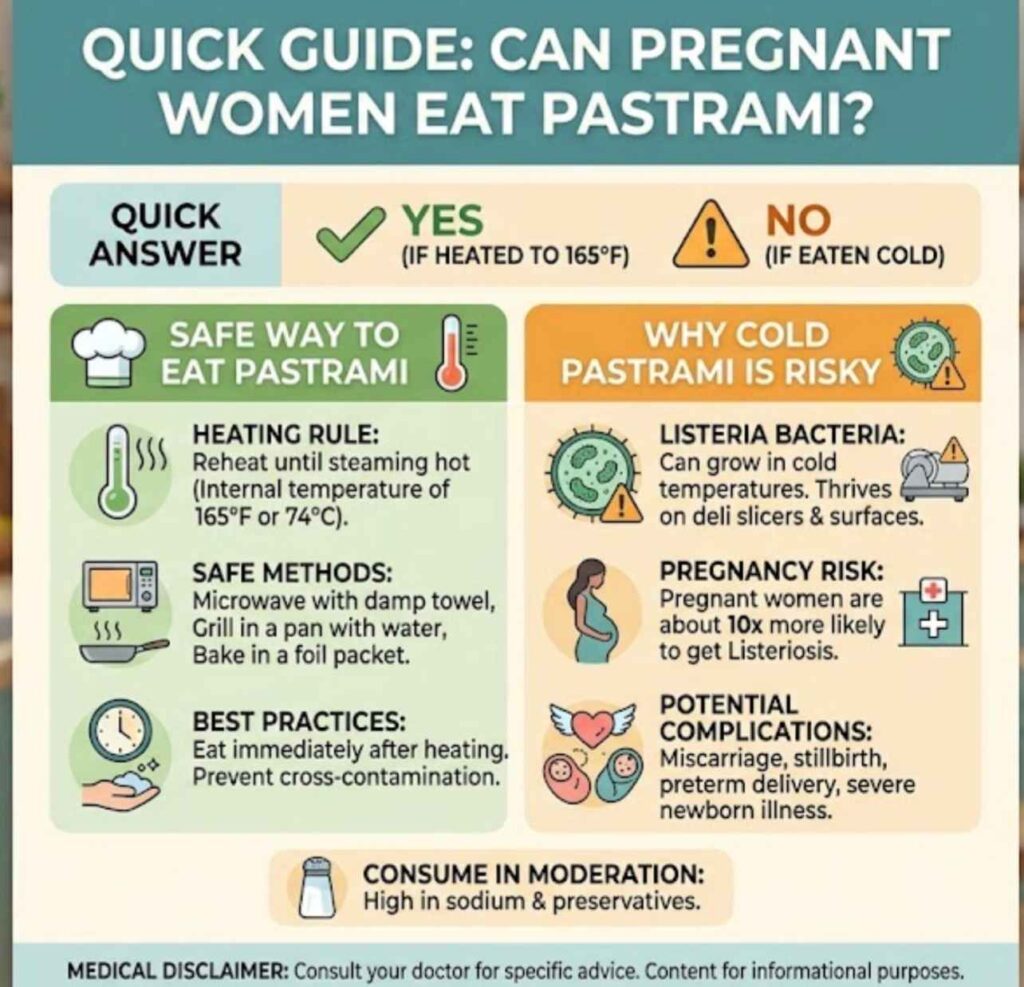
Quick answer: Can Pregnant Women Eat Pastrami? Yes, a pregnant woman can eat pastrami, but only if it is reheated at a hot temperature of 165°F (74°C). Cold or room-temperature pastrami poses a high risk of bacteria, such as Listeria, which can be very dangerous during pregnancy. A heated one is completely safe during pregnancy.
Why is cold pastrami risky during pregnancy?
In pregnancy you look at every item you eat with anxiety and worries, especially something like a deli sandwich. You search for whether pregnant women can eat pastrami without putting their babies at risk. Then you find it should be limited in pregnancy; you may feel frustrated, but well, the medical advice is not an overabundance of caution. This restriction is related to harmful bacteria. Listeria monocytogenes. Other bacteria like Salmonella or E. coli can only cause food poisoning, but Listeria is unique, and it has several complications in pregnancy if it enters the body.
The Biological Blind Spot: Your Changing Immune System
To understand in detail if you can eat pastrami while pregnant or not, we first need to look at how pregnancy changes your body. In pregnancy the immune system undergoes a complex rewriting process, meaning the system intentionally suppresses its cell-mediated immunity. This makes your body more vulnerable to bacteria.
According to the Centers for Disease Control and Prevention (CDC), a pregnant woman is 10 times more likely to attract bacteria like listeria than a normal adult. This bacteria just causes stomach flu in normal adults but can trigger severe systemic infection in an expectant mother.
A detailed timeline of Listeria
During the first 3 days, the bacteria start to colonize the digestive tract. You may notice symptoms like mild nausea, diarrhea, or light stomach cramping. Many women make the mistake of thinking these symptoms are part of pregnancy.
In 3 to 7 days the bacteria manage to go into the bloodstream. You may notice symptoms like a sudden high fever, severe muscle aches, and unusual fatigue. This stage is particularly dangerous. If you experience these symptoms, it is crucial to consult your OB-GYN or healthcare provider immediately. Because if you delay treatment, bacteria will manage to cross the placenta and harm the baby.
In 2 to 8 weeks, when you don’t take it seriously, the symptoms of listeria can become more dangerous; you may notice symptoms like a lingering low-grade fever, persistent fatigue, and headaches. While your symptoms can be mild, this bacteria will cross the placental barrier, leading to several complications like premature labor or impacting the pregnancy weeks after the initial exposure.

Why is cold pastrami a perfect target for Listeria?
Some people have questions in mind about meat, like if it is cured, smoked, steamed, and heavily seasoned, then why does it still carry bacteria? Well, the danger doesn’t depend on how pastrami is made; it’s based on how it is handled once cooked. Listeria is a bacteria that can easily survive, grow, and even get multiplied in cold temperatures; it can still grow in a refrigerator at a temperature of 35°F to 40°F.
The Slicing Post-Contamination Risk
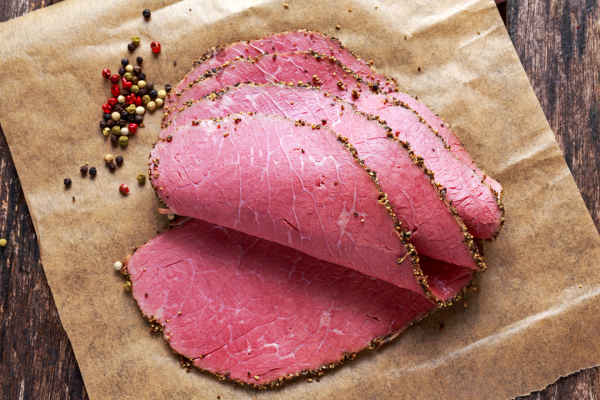
While the initial commercial smoking process kills bacteria, pastrami remains highly susceptible to contamination even after cooking. When a large block of pastrami is placed on a commercial slicer at a deli counter, it interacts with human hands and blades.
The Deli Counter Microenvironment
These deli counters are a good place for listeria. These bacteria grow at the bottom of the steel; however, you can sanitize the area many times in a day because if you just do it in the morning and then put pastrami on it, then it will surely contain bacteria. They can grow more on cold pastrami even if you put it in the refrigerator.
Pregnancy Deli Sandwich Tracker
Check your sandwich for Listeria safety & daily sodium load
How Listeriosis Impacts Your Pregnancy
The true danger comes with listeria; it is the only bacteria that can easily cross the placental barrier, so if a pregnant woman eats cold pastrami from a deli counter, it does contain bacteria, and they enter the body. Listeria directly goes into the bloodstream and then travels to the placenta and the fetus.
| Aspect | In the Mother | In the Fetus / Newborn |
|---|---|---|
| Primary Symptoms | Mild, flu-like symptoms: fever, muscle aches, fatigue, headaches, occasionally nausea or diarrhea. | Often asymptomatic in utero until acute complications trigger labor. |
| Incubation Period | Highly variable; symptoms can appear anywhere from 1 to 60 days after ingestion. | Dependent on maternal infection timeline. |
| Severe Complications | Rare systemic complications like meningitis or sepsis. | Miscarriage (first/second trimester), stillbirth (third trimester), premature delivery, or severe neonatal infections like blood poisoning and meningitis. |
Because Listeria can live for a long time in the body, a pregnant woman might experience a high fever and muscle aches. Some moms-to-be mistake this symptom for a common seasonal cold and are completely unaware it is happening because of bacteria. This is the main reason why doctors recommend avoiding items at the deli counter, especially all cold meats, unless they are reheated to a steaming point where this bacteria can be killed.
How to Safely Reheat Pastrami to 165°F?
Now you understand the risks associated with bacteria found in cold deli meats and how they can enter the body. Let’s go to a good part where you don’t need to just banish pastrami from your diet for 9 months. As a pregnant woman, you can eat pastrami safely just by following some steps.
Remember, it’s all about temperature. The bacteria, like listeria, are highly resilient against the cold, but they can’t survive at high heat. To make sure pastrami is safe to eat, you need to heat it at an internal temperature of 165°F (74°C) until it is steaming hot.
Also, if you are planning to just reheat it in a microwave or for some seconds under a heat lamp at a buffet, it is not enough to kill bacteria.
Now you might be wondering how to safely reheat pastrami at home. Here are three effective methods that are also safe for those who are pregnant:
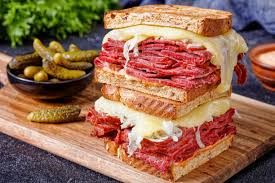
Method 1: The Skillet or Stovetop Method (Best for Flavor & Texture)
One of the most effective methods that chefs and professionals recommend. This method allows the fat to render and also prevents the meat from drying out and becoming rubbery.
- First, you need to prepare the pan by placing it over medium to high heat.
- Add the pastrami slices into the pan and add 1 to 2 tablespoons of water or beef broth so they create steam immediately.
- Now cover the skillet with a piece of aluminum foil. This keeps the steam inside and spreads it to every part of the meat.
- Let the pastrami steam for 2 to 3 minutes; also flip sides in this time.
- Remove the foil paper; now the pastrami is safe to eat with the same flavors.
Method 2: The Microwave Method (Fastest and Most Convenient)
If you are at the office and you bring pastrami for lunch during pregnancy, then the microwave is your best and fastest option there. It is important to note that microwaves can heat food unevenly, which means that bacteria may survive if the food is not heated properly. Therefore, you must be precise in your heating method to ensure safety.
- First take your pastrami and place all slices evenly on a microwave plate. Avoid adding slices in a thick pile, as this will not allow the center to heat properly.
- Then cover the plate with a damp paper towel. This will help the steam to trap itself inside and heat the meat properly without turning it into leather.
- Microwave the pastrami at a high temperature for 45 to 60 seconds. Now remove the paper towel and check if the slices are heated from the center or not. If not, reheat the slices again for 15 to 20 seconds.
Method 3: The Oven or Broiler Method (Best for Melting Cheese & Making Sandwiches)
If you are craving a classic hot pastrami sandwich, then be sure to make it pregnancy-safe. Use an oven or toaster for bread. Make sure to heat meat until it is extremely hot. Use pasteurized cheese, as it is safe during pregnancy.
To prepare, follow the steps:
- Set your oven or toaster oven to 375°F (190°C). Add pastrami in slices and wrap it with aluminum foil. Then add water to the pile. Make sure you fold the meat tightly.
- Place the foil packet directly on the oven rack and bake for 10 to 12 minutes.
- Now safely open the pastrami packet and add it on bread, then add cheese, and again place it in the oven for 1 to 2 minutes until the cheese is melted completely.
The Ultimate Safety Checklist for Expectant Mothers
To make sure the pastrami is completely safe to consume, you need to follow safety rules.
- Trust the Thermometer: Don’t just rely on visible steam as a practice guide to keep the meal safer during pregnancy; always use a thermometer. Place it in the thickest part of the meat pile to verify it reads 165°F, which is the gold standard for safety.
- The “Eat Immediately” Rule: Once the pastrami is properly reheated, eat it right away; don’t keep it long like a deli counter, as the bacteria will re-enter it.
- Prevent Cross-Contamination: Always wash your hands in warm water and soap them for 20 seconds before touching cold pastrami. Also make sure the equipment like plates, tongs, or cutting boards is washed properly.
The “Nitrate-Free” & “Celery Juice” Marketing Trap
Checking labels while grocery shopping is an important part, especially if you are pregnant. Many pregnant women buy premium deli packages from grocery stores just by reading the clean labels like Uncured,” “No Nitrates or Nitrites Added,” or “Naturally Cured with Celery Juice.”
While you find it very helpful for a prenatal diet, the smart marketing is completely different from biological reality. While considering whether I can eat pastrami during pregnancy, it’s important to understand the implications of the labels on deli meats. Relying solely on the label and skipping the reheating process does not ensure the meal is safe.
The Science Behind the Label: What “Uncured” Actually Means
Traditionally, meat processing includes the use of synthetic chemicals like sodium nitrite. These preserve the meat; if we talk about pastrami, these chemicals give it a rosy-pink hue and prevent botulism. In contemporary meat processing, manufacturers are moving away from synthetic chemicals and instead focusing on natural alternatives. Uncured pastrami still has natural nitrates.
If you find a label on a product that says it is uncured, it means the manufacturers didn’t use chemicals; they may use ingredients that are naturally packed with nitrates, like celery powder, celery juice concentrate, or sea salt.
The Crucial Catch: Natural Nitrates Do Not Kill Listeria
Many women mistakenly believe that an organic or naturally cured product is clean and safe to eat cold straight from the refrigerator. However, this is totally a misconception.
Bacteria like listeria can stay safe in all environments, like in soil, water, and on moist surfaces inside processing plants. It can also take place in food that was cured and cooked.
So a package of organic, celery-juice-cured pastrami faces the exact same structural risk of post-processing contamination as the cheapest found at the deli counter because listeria can multiply actively in cold places like refrigerators.
Eating Out Safely: Can You Have a Hot Reuben Sandwich?
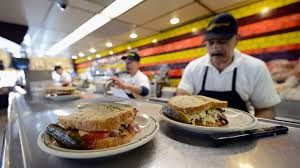
If you are pregnant and craving a savory pastrami sandwich, you might consider going out to enjoy one at a traditional deli. However, once you look at the menu, you may wonder, “Is it safe for me to eat this?”
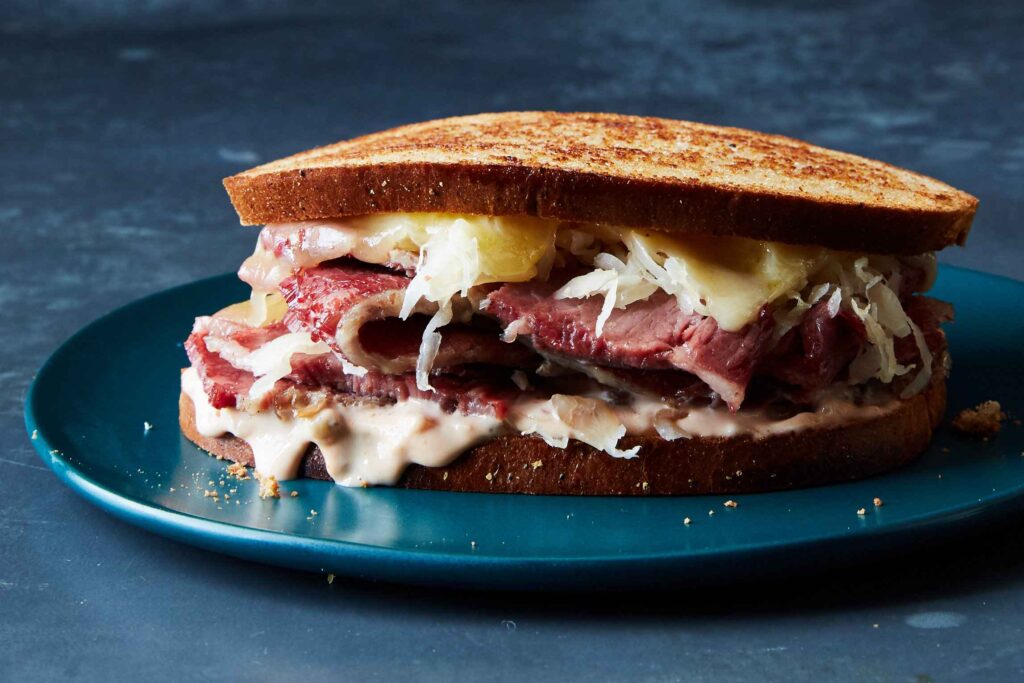
Well, sandwiches are traditionally made from corned beef, though they are frequently crafted with pastrami. This dish includes different layers of meat, Swiss cheese, and Russian dressing grilled in slices of rye bread. Since they serve it warm, it is safe for mothers. However, you also need to look at how they made it in the kitchen to ensure the meal is truly hazard-free.
Many women also search, “Can you eat a Reuben sandwich while pregnant?” Well, yes, you can enjoy it safely; however, the pastrami in it should be heated till steaming hot at a temperature of 165°F. The primary challenge in restaurants is the need to serve a large number of customers quickly. As a result, chefs often use cold pastrami slices directly from a refrigerated deli drawer. They then assemble the sandwiches and place them on a flat grill to toast the bread and melt the cheese. The main risk here is still the same: the cold pastrami.
Also Read: Can You Eat Subway While Pregnant? The Ultimate 2026 Safety & Nutrition Guide
How to Order pastrami Safely at Restaurants?
Be confident; don’t feel hesitant while asking anything to the staff, as it is important for you and baby’s health. The kitchen staff knows how to deal with specific allergies and dietary restrictions.
If you are ordering a pastrami dish or a reuben sandwich, make sure to ask them to heat the pastrami alone at a hot temperature before adding it to the dish.
You can simply call the waiter and say, “I am pregnant, so I am highly susceptible to foodborne illness. Please ask the chef to heat pastrami until it gets steaming hot; don’t give me a sandwich that has cold or warm pastrami.”
When the dish arrives, check personally if the pastrami in it is heated from centers. If the center of the meat feels lukewarm or cold, patiently ask to go back and grill the pastrami again separately.
What are the 3 Essential Rules for Dining Out Safely?
Avoid places where food stays outside for a long time, like open food bars and buffets, because all these places serve cold deli meat platters, which are obviously not safe in pregnancy as they are full of bacteria.
People love to eat from food trucks as they offer amazing street food items; however, they work in a very limited space, so there would be hygiene issues. Listeria can easily take place in such environments; it’s better to avoid these places during pregnancy.
If you can’t finish a big-sized deli pastrami sandwich and want to store it in the refrigerator for tomorrow, then store it as soon as possible. Don’t leave it outside at room temperature for hours because bacteria can take place easily and even multiply in the refrigerator once you store it after a long time. Remember you must completely reheat that leftover sandwich until it steams all over again before taking your next bite.
The Nutritional Breakdown: Is Pastrami Healthy During Pregnancy?
Once you understand that a pastrami dish is completely safe to use if heated at 165°F and you actually master the skill, then the other side you need to look at is the nutritional benefits this dish carries. If you are pregnant and want to add pastrami to your daily diet and are thinking if this is right, then the answer comes down to moderation and balance.
Pastrami is a flavorful item that is made from processed beef round or navel cuts while it is fully seasoned with a robust blend of spices, smoked, and finally steamed. It does have a nutritional profile; however, it is also high in sodium and chemically preserved, which doesn’t make it the best choice for everyday.
| Nutrient | Average Amount per 3 oz. Serving | Percentage of Daily Prenatal Value |
|---|---|---|
| Calories | 120–140 kcal | Low (Great for calorie management) |
| Protein | 16 g | Excellent source for tissue building |
| Total Fat | 5–7 g | Moderate (Mainly monunsaturated and saturated) |
| Iron | 1.8 mg | ~10% of prenatal daily needs |
| Sodium | 850–1,050 mg | Very High (Requires strict moderation) |
| Nitrates / Nitrites | Present | High (Used for commercial curing) |
What are The Prenatal Benefits of Pastrami?
Here are some nutritional benefits that support a healthy pregnancy:
During pregnancy the need for protein increases because the body has to support rapid growth of fetal tissue, the placenta, and blood volume. Eating 3 ounces of pastrami can give you 15 to 18 grams of protein.
Iron deficiency is very common in pregnancy because the maternal blood volume increases by nearly 50%. Since pastrami is made from real meat, it has iron that can help you out in pregnancy.
Vitamin B12 plays an important role in the development of a baby, especially in areas like the central nervous system and brain. Pastrami can be a good food in pregnancy, but obviously in limited amounts, not daily.
The Drawbacks: Sodium, Nitrates, and Preservatives
Pastrami does have nutritional benefits; however, it is also categorized as an ultra-processed meat. The two ingredients used in its process can be harmful, meaning you can enjoy pastrami occasionally.
1. The Sodium Surge
According to the American Heart Association, the daily limit of sodium intake among adults should be 2,300 milligrams, with an ideal limit of 1,500 milligrams. Pastrami is high in sodium, as a single serving of 3 ounces contains 800 to over 1,000 milligrams of sodium. During pregnancy, the high intake of sodium makes the swelling worse in feet, ankles, hands, and face.
Keeping a normal blood pressure in pregnancy is a difficult task, so avoid high sodium intake, as it will trigger gestational hypertension and preeclampsia.
2. Nitrates and Nitrites
To keep the pink color of pastrami, saving it from the growth of bacteria and preventing fats from changing color to rancid, manufacturers use sodium nitrate or sodium nitrite during the curing process.
When they enter the body, they are converted into nitrosamines in the digestive tract. According to some studies, taking a diet that is consistently high in synthetic nitrates and nitrites in pregnancy increases the risk of preterm labor, low birth weight, or certain childhood developmental issues.
How to Enjoy Pastrami Responsibly?
If you want to satisfy a pastrami craving while keeping your prenatal diet on track, then implement these smart dietary adjustments:
As we discuss, pastrami is high in sodium, so reduce more intake of sodium food items on the same day. Stay hydrated; drink extra water so the kidneys flush out sodium easily and reduce swelling.
Pair your pastrami sandwich with a green salad or fresh fruit slices instead of salty potato chips or pickles. If you are eating it at lunch, then make sure to eat a meal in the dinner that is full of fresh, whole, unprocessed foods.
When you buy pastrami from a grocery store, look for the brands that have the label “Uncured Pastrami” or “No Nitrates or Nitrites Added” because these varieties include natural preservatives like celery juice powder.
Satisfying, Pregnancy-Safe Deli Sandwich Alternatives?
The following are some safe alternatives to pastrami in pregnancy.
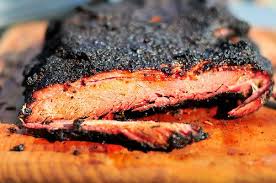
The Homemade Fresh-Roast Brisket
The biggest risk that comes with deli pastrami is that it’s processed and sliced in a commercial place where bacteria can grow easily, but making homemade fresh roast brisket doesn’t have such a risk.
For this you need to buy a small beef brisket and then add spices that are used in pastrami, like crushed black peppercorns, coriander seeds, garlic powder, smoked paprika, and a touch of mustard seed. Rub it properly, then slow roast it in the oven until it is properly cooked and juicy. Since you made the dish at home, it will be completely safe and free from bacteria.
Once it is completely cooked, slice the fresh beef into thin pieces, then put it into bread with a swipe of spicy brown mustard. It provides you the same satisfaction as meaty, peppery satisfaction as pastrami.
The Vegetarian Crucial Components Reuben
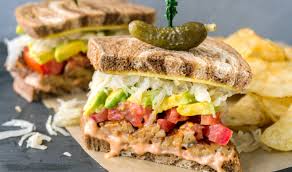
For this you can make a sandwich by using dark rye or pumpernickel bread, a thick layer of sauerkraut, Russian dressing, and a generous slice of Swiss cheese. To replace the high quantity of meat, use seasoned, grilled portobello mushroom caps or roasted zucchini strips.
It’s completely safe to eat during pregnancy, as it doesn’t include raw sprouts or unwashed leafy greens.
Once you put all the ingredients in the sandwich, now grill the sandwich in a skillet having a small layer of butter till the bread turns out crispy.
Hot and Freshly Grilled Poultry Paninis
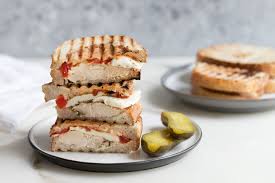
If you want a juicy sandwich but not one made with red meat, then you can go for leftover chicken.
To make this sandwich, use leftover grilled chicken breast or chicken cutlets that you made freshly at home.
If you don’t have pre-cooked chicken at home, then buy un-sliced chicken breasts from the grocery store.
First cut the chicken into tiny slices, layer it inside a panini with sliced tomatoes, pesto, and pasteurized fresh mozzarella, and press it until the entire sandwich is hot and the cheese runs clear.
Also Read: How to Reheat Steak Without Drying It Out: Easy Methods
Frequently Asked Questions: can pregnant women eat pastrami?
1. Can pregnant women eat pastrami if it is organic or pasture-raised?
No. Being organic or pasture-raised does not eliminate the risk of Listeria contamination, a bacteria that can introduce itself during the slicing process and thrive in cold temperatures. To eat pastrami safely while pregnant, you must heat it until it is steaming hot (165^F) to kill any potential bacteria.
2. Does the intense smoking process used to make pastrami kill bacteria?
Yes, the intense smoking process helps to kill any bacteria present on the raw beef brisket. However, the risk of bacteria can still be there when it is placed outside for a long time before packaging stages at the factory or the local deli counter.
3. Can I eat cold pastrami if I buy it from a high-end luxury grocery store?
No, Listeria doesn’t have anything to do with the price of pastrami, store reputation, or gourmet quality. In fact, it is based on the temperature and how it is handled.
4. What should I do if I accidentally ate a cold pastrami sandwich?
First take a deep breath and don’t panic, as one time eating cold pastrami wouldn’t give you listeriosis.
All you need to look for are the following things:
- Note the date you ate it.
- Monitor your health closely.
- Inform your OB-GYN or midwife at your next appointment so they can note it in your chart.
5. What are the early symptoms of a Listeria infection to watch out for?
The early symptoms of listeria include sudden fever, chills, severe muscle aches, fatigue, headaches, and occasionally nausea or diarrhea.
6. Can I safely eat uncured pastrami during pregnancy?
Yes, it is safe; in fact, it is a great choice during pregnancy, as it uses natural ingredients like celery juice powder instead of synthetic chemical nitrates to preserve the meat. However, it also has the same risk of listeria, so make sure to heat it properly.
7. Is it safe to eat pastrami if it is tightly vacuum-sealed and well before its expiration date?
While vacuum-sealed packaging from a commercial brand is safe, if it is on a deli counter, then it’s completely unsafe.
8. Can I eat a pastrami sandwich if it has been toasted in a standard toaster oven?
Yes, only if the meat is steaming hot.
Many commercial sandwich shops put sandwiches on the grill for 30 to 45 seconds. However, this process doesn’t kill bacteria like listeria. So always request the kitchen staff to grill or microwave the pastrami thoroughly before putting it on the bread to be toasted.
9. Does freezing cold pastrami kill the Listeria bacteria?
No, freezing doesn’t kill bacteria, but it can reduce the growth of bacteria. The bacteria will simply go dormant in your freezer. Once you take it out from the refrigerator, the bacteria start to multiply again, so it is important to heat it till steaming hot to destroy the bacteria.
10. Can I eat pastrami-flavored chips, jerky, or snacks?
Yes, you can eat pastrami-flavored chips, jerky, or snacks, as they are completely safe and free from bacteria, as they undergo a rigorous dehydration process that removes the moisture bacteria need to survive.
Medical Disclaimer: This article is for informational and educational purposes only and should not be taken as medical advice. Always consult with your OB-GYN, midwife, or a qualified healthcare provider regarding specific dietary changes, food safety concerns, or health symptoms during your pregnancy.
Scientific & Authority References
- FDA Pregnancy Food Safety Guide
- CDC Listeria Prevention Guidelines
- ACOG Patient Resource: Nutrition During Pregnancy
- USDA Food Safety for Expectant Mothers
