
Quick Answer: Can You Eat Halloumi When you are pregnant? Yes, halloumi is safe to eat when pregnant. It is a semi-hard cheese made from pasteurized milk, so the risk of Listeria is very low. Its high melting point makes it an excellent choice for grilling, but it’s the pasteurization process that makes it safe to enjoy during pregnancy.
Pregnancy is a beautiful journey; it is a time of incredible transformation. However, it also comes with food anxiety; you have to be cautious about what you eat or drink. Every meal becomes a question of safety and developmental benefit, especially when considering the nutritional needs of both the mother and the growing baby. If you love Mediterranean cuisine and are looking for high-protein vegetarian options during pregnancy, you may look at the cheese and think, can you eat halloumi when pregnant?
In this detailed guide, we will look at the microbial science of brined cheeses, the risk of bacteria like listeria, and the culinary secrets to making this cheese a staple of your prenatal diet.
Pregnancy Halloumi Safety Checker
Analyze pasteurization, cooking methods, and intake limits instantly
Portion Nutrition & Salt Impact:
The Safety Verdict and the Science of Cheese
Many pregnant women look for answers on food safety, so if you search, can I eat halloumi when pregnant? Then you’re not alone. The safety of cheese is based on two important factors: one is how it is manufactured and the way it is consumed.
The Importance of Pasteurization
Pasteurization is necessary when it comes to pregnancy safety. It is a process of heating milk to a specific temperature at 161°F for 15 seconds. This temperature kills bacteria like Listeria monocytogenes, Salmonella, and E. coli.
In countries like the UK, the US, and most of Europe, the halloumi found in superstores is made from the milk of many pasteurized goats, sheep, and cows.
Pasteurized items are recommended in pregnancy because the immune system goes from a state called “selective immunosuppression” to protect the fetus. This makes your digestive system sensitive and more vulnerable to bacterial infection, like listeriosis. By choosing to consume products made from pasteurized milk, like halloumi, you are creating a protective barrier against potential infections.
Why is Halloumi Naturally Protected?
Cheeses are classified by moisture content. All cheeses have different moisture levels. Soft cheeses such as Brie or Camembert have high moisture levels and low acidity, creating a perfect space for bacteria, whereas halloumi is a semi-hard cheese.
The traditional process of cheesemaking includes curd, which is heated in a hot whey for an hour. This process is a presafety step unique to halloumi.
Additionally, halloumi is stored in a heavy brine, and the salt works as a natural antimicrobial; this means it draws moisture from bacterial cells before the cheese reaches your plate.
| Protective Factor | How it Works | The Science | Why it Matters |
|---|---|---|---|
| Semi-Hard Texture | It has a lower moisture content compared to soft cheeses like Brie or Camembert. | Low moisture removes the damp environment that harmful bacteria require to multiply. |
Prevents early spoilage and creates an naturally inhospitable environment for microbes.
|
| The Whey Bath | The cheese curds are cooked in boiling hot whey for a full hour during production. | This prolonged high-heat step acts as a built-in pasteurization and pre-safety process. |
Destroys active bacterial cells before the cheese is even packaged.
|
Understanding the Risks of Listeria and Temperature
While we already know halloumi is safe in pregnancy, understanding the thermal kill zones for bacteria can add a double layer of security to your food.
The Heat-Kill Rule
Listeria is a harmful bacteria that can grow and survive even in a refrigerator at a cold temperature. It can only get killed at high heat. Halloumi has a high melting point, and it is eaten grilled, fried, or baked. To make halloumi safer, you can cook it at an internal temperature of 165°F (74°C). At this temperature, bacteria like listeria and salmonella are killed easily. If you are eating halloumi outside, like at a restaurant, and are not sure about the cheese going through pasteurization or not, then make sure to ask the waiter to make it crispier.
The Artisanal and Raw Exception
Raw and unpasteurized halloumi, usually found at rural farmers’ markets or delis, is very risky. Raw milk is famous for its complex flavors among foodies; however, it is not worth the risk in pregnancy, especially if the label doesn’t include “pasteurized.” You must cook the cheese at a high temperature to make sure it is safe to eat.
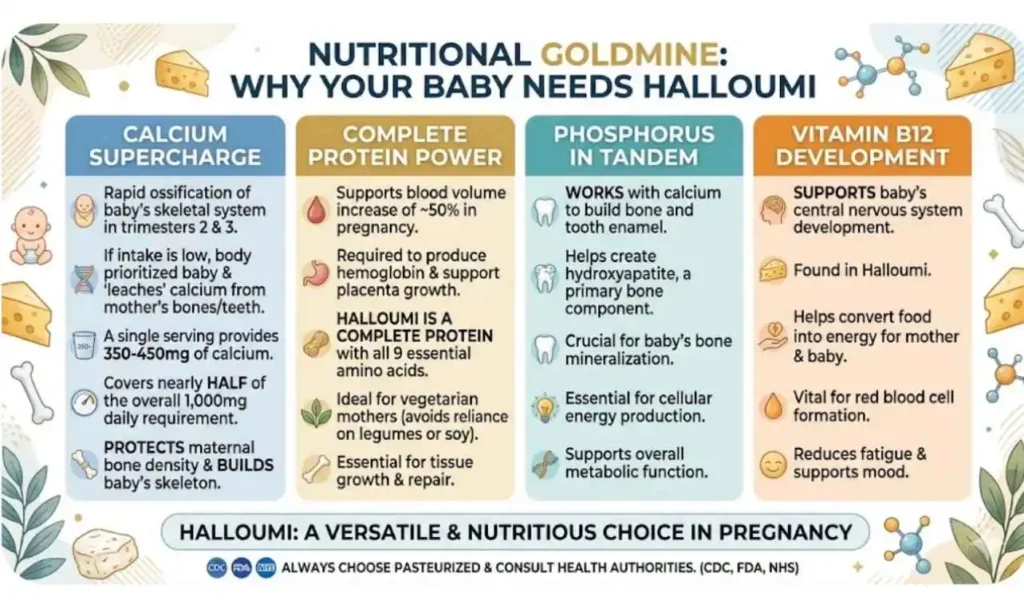
Nutritional Goldmine: Why Your Baby Needs Halloumi
Halloumi can be a good choice in pregnancy; it has several benefits that both mother and baby need, as follows:
Calcium
During the second and third trimesters, your baby’s skeletal system undergoes rapid ossification. Calcium plays an important role, so if your daily calcium intake isn’t enough, your body will prioritize the baby by taking calcium from your own bones and teeth, and this can lead to a lack of calcium in you. A single serving of halloumi includes 350–450mg of calcium. This can covers the overall daily requirement of calcium in the body that is half of the 1,000 mg. It protects your bone density while building the baby’s.
Protein
It helps in supporting blood volume, as in pregnancy your blood volume increases by 50%. The body needs more protein to produce hemoglobin and support the growth of the placenta. Since halloumi is a complete protein, it includes all 9 essential amino acids, so it is helpful during pregnancy. Especially for a vegetarian mother, it is best to eat it to cover the need for protein in the body without relying on legumes or soy.
Phosphorus and Vitamin B12
Like calcium, these nutrients are also important in pregnancy. Phosphorus works in tandem with calcium to make hydroxyapatite, which is a primary component of tooth enamel and bone. Vitamin B12 supports the development of the baby’s central nervous system. Both these nutrients are found in halloumi.
The Sodium Challenge (The One Downside of Halloumi)
The most common concern mothers have while eating halloumi in pregnancy is the sodium content. Halloumi is cured in brine, which makes it high in sodium, leading to the following issues.
Edema: Excessive sodium in pregnancy leads to heavy swelling in both ankles and hands, called edema. It is common during pregnancy.
Gestational Hypertension: High sodium intake can lead to high blood pressure that results in preeclampsia.
The Soak and Squeeze Culinary Hack
After reading the side effects of excessive sodium, you may have a question in mind: How to eat halloumi safely? Well, there is a tip in which you can reduce the sodium of halloumi up to 30% without ruining the flavor:
- First slice the cheese based on your preferred thickness.
- Then submerge the cheese slices in a cold bowl that has fresh water for around 20 minutes.
- Lastly, pat dry with a paper towel.
- This process will take out salt from the surface while keeping the cheese tasty and full of protein from the outside.
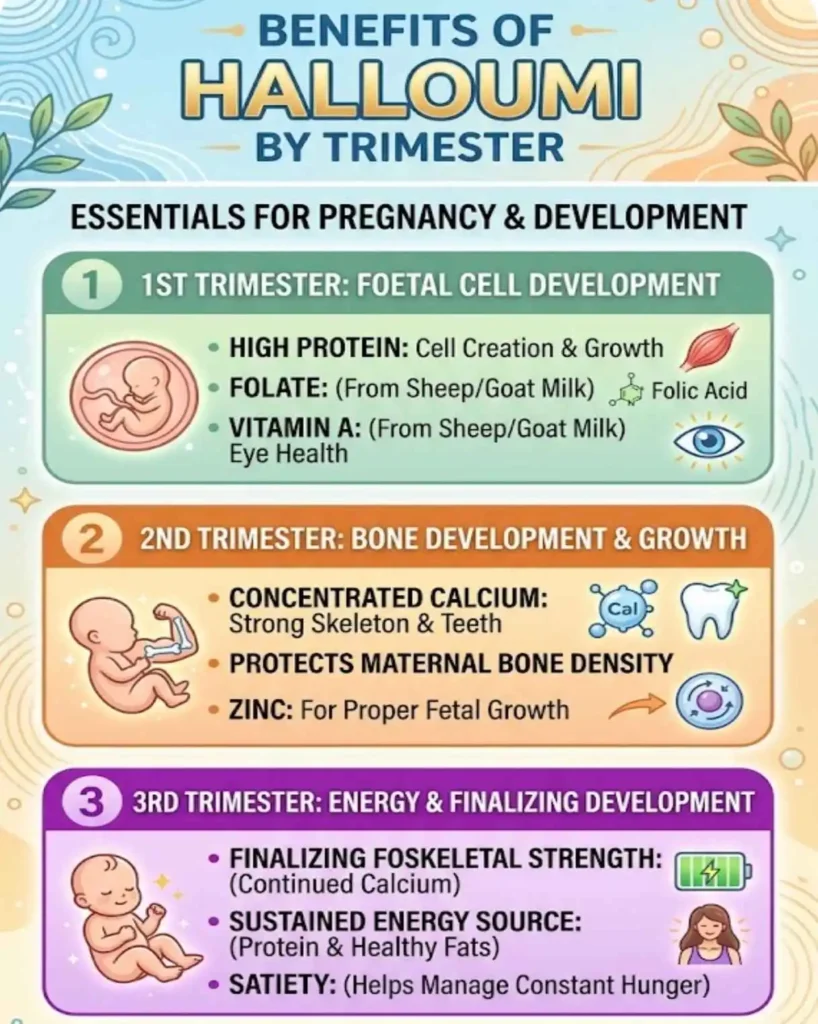
Benefits of halloumi according to Trimesters
Now we need to understand how eating halloumi helps in different trimesters of pregnancy.
1st Trimester: Managing Nausea & Blood Volume
The first trimester is very uncomfortable and stressful for many women because the body works continuously to expand blood volume and build the placenta.
During these 12 weeks many women face smell issues, like when they smell poultry, red meat, or cooking meat; due to changes in hormones, it leads to more nausea. Halloumi also has a mild smell, but it is also high in protein, which feels more palatable during periods of nausea.
To settle your stomach in pregnancy, many doctors advise eating saltine crackers, but you can also go for a nutritious substitute like halloumi, as it is naturally salty and can settle your stomach and provide much-needed electrolytes if you are struggling with nausea in the morning.
As we discussed earlier in the nutrition section, protein is very important for embryonic growth. During the first trimester, rapid cell division takes place, where the high protein content of halloumi helps in supporting the baby’s tissues and organs.
2nd Trimester: The Bone-Building Phase
In the second trimester, which lasts from 13 to 27 weeks, the baby’s skeleton starts changing from a soft cartilage to a hard bone; this process is called ossification. In this process the body needs more calcium and phosphorus.
The baby required calcium at peak. Eating halloumi can be a good choice during these stages as well; as discussed earlier, it is high in calcium and also contains phosphorus. Your body can easily absorb it and deliver it to the baby.
All these changes can sometimes lead to weakness in the body. If I explain in the right words, your body needs more energy for baby growth in the second trimester. Healthy fats can help balance energy levels, particularly those found in sheep and goat milk. Halloumi is a good source of the energy your body needs.
3rd Trimester: Satiety & Labor Prep
The third trimester is the final stage of pregnancy, during which the baby begins to occupy more space. This often pushes your stomach upward, resulting in reduced appetite. However, it’s important to note that you need extra energy during this time.
Since halloumi is rich in protein and fats, it provides you the feeling of fullness for a long time. This is best for you, especially in the last trimester when your appetite is already small. Halloumi also helps in preventing blood sugar crashes that result in fatigue in the third trimester. To get a full boost of energy, you need to pair halloumi with a complex carb like a sweet potato.
The amount of protein and calcium in halloumi can also help to keep your uterine muscles prepared for the physical demands of labor.
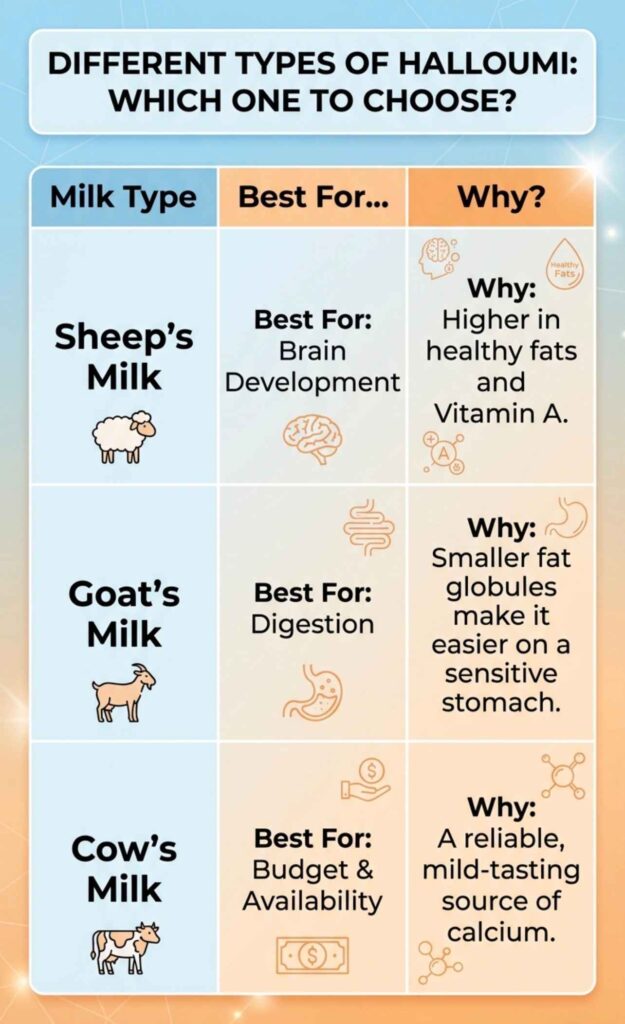
Different types of Halloumi
When you go for groceries, you may find different types of halloumi, so knowing the difference can help you to select the best one.
How to prepare halloumi safely? 3 Methods
To make sure you get the most benefits of halloumi, use the following safe pregnancy methods:
1. The Golden Sear (Pan-Frying)
Cut cheese into slices according to your preference, then place the slices in a non-stick pan at medium-high heat. Don’t add oil, as cheese can naturally release fats. Fry the slices for 2 to 3 minutes on each side till a dark golden crust appears. This crust is a sign the surface bacteria are killed.
2. The Safe-Bake (Oven)
Cut the slices and place them on parchment paper and bake at 400°F (200°C) for 12 minutes. This method is safe when you are cooking a large amount of cheese. Since it is based on a high internal temperature, it makes the cheese completely safe to consume.
3. The Low-Fat Air Fryer Method
Take the cheese slices and put them in an air fryer at a temperature of 380°F for 8 minutes. This gives you the halloumi fry experience without any involvement of oil, which is an important factor in gestational weight gain.
Safety factors to look while eating Halloumi
The safety of cheese doesn’t depend on how it is made and cooked but also on how it is stored.
Storage: Once you open the halloumi package, it can be used within 3 days.
The Fridge Rule: Always store halloumi on an empty shelf away from raw meat to prevent meat juices from dripping onto it.
Cleaning: Make sure to always wash your hands after you touch the package because it has been touched by many people at the grocery store.
Meal Pairing: Making Halloumi Work for You
To get more benefits, you can pair halloumi with other food items; it helps in managing common pregnancy symptoms like anemia, constipation, and fatigue.
Pair Halloumi with Vitamin C.
You can combine halloumi with a vitamin C food item, as it will help in the absorption of non-heme iron. You can go for a grilled halloumi salad with spinach, strawberries, and a lemon-tahini dressing. Lemons and strawberries have vitamin C, which can help in absorbing iron from spinach, whereas halloumi provides protein.
Pair Halloumi with a Complex Carb
For breakfast you can take halloumi with a side that is rich in complex carbs to boost energy levels. Don’t pair it with any sugary cereals, as they can cause a morning crash. For complex carbs, go for sourdough or rye toast topped with smashed avocado and two thick slices of pan-seared halloumi.
The fats in avocado and protein in halloumi slow the digestion of toast, which leads to a quick release of energy and also controls glucose spikes.
Pair Halloumi with Fiber
In the second and third trimesters, many women face constipation issues. In this stage, your body needs fiber to overcome such issues. Pair halloumi with tossed bell peppers, zucchini, red onion, and sweet potato and roast them together in olive oil for 10 minutes. Since vegetables are high in fiber, they can help your digestive system move while halloumi adds amazing flavor to the meal.
Pair halloumi with omega 3s.
In the third stage your baby’s brain development is at its peak, so it needs omega-3 fatty acids. Pair halloumi with walnut pieces and cucumber. Walnuts provide omega-3 fatty acids (ALA), and halloumi is rich in protein; together they support fetal neurodevelopment.
Pregnancy-Safe Halloumi Substitutions
If you are missing your favorite food items, then don’t worry; halloumi is a perfect substitute:
Missing Sushi? Ni worries about using grilled halloumi strips in a vegetarian dragon roll with avocado and cucumber. This combination provides you the same chewy texture and salty taste as sushi.
Missing Rare Steak? Well, take a thick halloumi steak and sear it until it becomes dark. The charred crust gives you the same crisp as a rare steak has.
Missing Deli Meats? Add cold (pasteurized) or warm grilled halloumi slices as a replacement of ham and salami. You will get the same saltiness without risk of listeria.
| What You Are Missing | The Halloumi Alternative | How to Prepare It | Why It Works |
|---|---|---|---|
| Sushi | Grilled Halloumi Roll | Cut halloumi into thin strips, grill them, and roll them into a vegetarian dragon roll with fresh avocado and cucumber. |
Provides the exact same satisfying, chewy texture and savory, salty bite as traditional sushi rolls without the raw fish risks.
|
| Rare Steak | Seared Halloumi “Steak” | Cut a thick block of halloumi and sear it over high heat in a pan or grill until a dark, rich crust forms. |
The charred exterior delivers the deep savory flavor and crisp texture of a steak crust, satisfying the craving safely.
|
| Deli Meats (Ham/Salami) | Sliced Halloumi | Use cold (pasteurized) or warm grilled halloumi slices as a direct layering replacement inside sandwiches and wraps. |
Delivers the intense, concentrated saltiness of cured meats without any of the Listeria risks associated with cold cuts.
|
3 Quick Meal Prep Tips for Busy Moms
If you work the whole week, then you need some fast, quick meal options.
The 5-Minute Wrap: One of the easy and quick recipes that I personally use in my busy schedule as a mother. Take hummus, then spread it on a whole-wheat tortilla, add pre-washed spinach, and two slices of grilled halloumi. Wrap and eat; a quick meal is ready.
The Grain Bowl: Use a cooked quinoa pouch, then add some canned chickpeas with some air-fried halloumi cubes.
The Better Pasta: In this quick method you don’t need to add salt to pasta; in fact, add some halloumi over the top. It gives you more taste and a boost of calcium that a normal parmesan can’t match.
Can I gain weight by eating halloumi?
Yes, halloumi can cause weight gain, as it contains 300 calories per 100 g. To avoid weight gain, which results in gestational diabetes or large-for-gestational-age babies. If you are eating halloumi, avoid other protein items with it. Pair it with plenty of leafy greens.
The Halloumi vs. Other Cheeses Comparison
| Cheese | Texture Type | Melting Point | Best Culinary Use | Key Characteristic |
|---|---|---|---|---|
| Halloumi | Semi-Hard | Extremely High (Does not melt easily; holds its shape when cooked) | Grilling, pan-searing, and air-frying. |
Delivers a distinct, squeaky texture and a rich, salty bite.
|
| Paneer | Semi-Soft | High (Holds its shape well, softens but does not melt) | Curries, stir-fries, and tandoori grilling. |
Mild and unaged, it acts as a perfect sponge for heavy spices and sauces.
|
| Feta | Soft / Crumbly | Medium-Low (Softens and gets creamy, but doesn’t stretch) | Salads, pastries, and cold Mediterranean platters. |
Extremely tangy, sharp, and briny with a moist, crumbly texture.
|
| Mozzarella | Soft / Fresh | Low (Melts quickly into a stretchy, gooey texture) | Pizza, lasagna, and Caprese salads. |
Highly elastic and mild, known for its iconic “cheese pull” when heated.
|
| Brie / Camembert | Soft / Bloomy Rind | Very Low (Melts into a thick, spreading liquid) | Baking whole, cheese boards, and spreading on warm bread. |
Buttery, earthy, and exceptionally creamy with an edible rind.
|
| Cheddar | Hard | Low (Melts smoothly into a rich, uniform sauce) | Burgers, sandwiches, and macaroni and cheese. |
Deeply savory and sharp, with a low moisture content that yields a smooth melt.
|
Look at the the Label: A Buyer’s Guide for Moms
Following are the tips you need to follow at the grocery store.
Pasteurized Stamp: It is legally required on the label.
Rennet Types: Look at the label if it mentions microbial rennet vs. animal rennet for vegetarian moms.
Ingredient Watch: Ignore halloumi with excessive preservatives or artificial flavorings that might trigger pregnancy heartburn.
How to eat halloumi at a restaurant safely?
If you are a mom-to-be and going to eat halloumi at a restaurant, then you may be searching for the restaurant’s safety too before going. You can ask the following questions to staff.
- Ask the waiter: Is the halloumi grilled till steaming hot?
- At restaurants halloumi is often sliced on the same boards as raw vegetables or meat, so always request a clean sear as a pregnancy precaution.
- Avoid cold halloumi from open salad bars where it may sit outside for more than 2 hours, which is a perfect place for bacterial growth.
10 Frequently Asked Questions (FAQs)
Can I eat halloumi cold from the packet?
Yes, only if it’s pasteurized; however, cooking is always recommended to reduce risks of bacteria.
Is it safe for gestational diabetes?
Yes, because it is low-carb and high-protein, which prevents sugar spikes.
Does halloumi help with leg cramps?
Yes, the calcium and potassium in halloumi can help alleviate muscular spasms.
What if it’s unpasteurized?
You must cook the unpasteurized until steaming hot (165°F) to ensure safety.
Can I eat halloumi fries?
Yes, however, eating in an air fryer is better to avoid heartburn issues.
Is the squeak safe?
Yes, as it is a protein structure of cheese.
Can I eat the herb-infused versions?
Yes, only if the cheese base is pasteurized.
How long does it last once opened?
You can eat it safely within 3 days after opening.
Can I freeze it?
Yes, halloumi freezes well, and its nutrients remain the same.
Is sheep milk better than cow milk?
Yes, because sheep milk has more vitamin A and B12, which work best for babies’ brain development.
Conclusion
In the list of food items, where you always look, what is safe and what isn’t? Halloumi is safe during pregnancy if it is pasteurized. So if you’re planning to eat it, then it is completely safe; however, manage your sodium intake, and by cooking your cheese until it is golden brown and hot, you can totally enjoy it without worrying about safety. In conclusion, can you eat halloumi when pregnant? It’s a yes!
Disclaimer: While halloumi is generally safe, always consult with your healthcare provider for personalized medical advice.
Related Articles
Can You Have Bearnaise Sauce When Pregnant? The 2026 Safety Guide
Can You Eat Mayo While Pregnant? Brands, Restaurants & Risks
Can Pregnant Women Eat Cheesecake? (The Hidden Topping Risks You Need to Know)
