
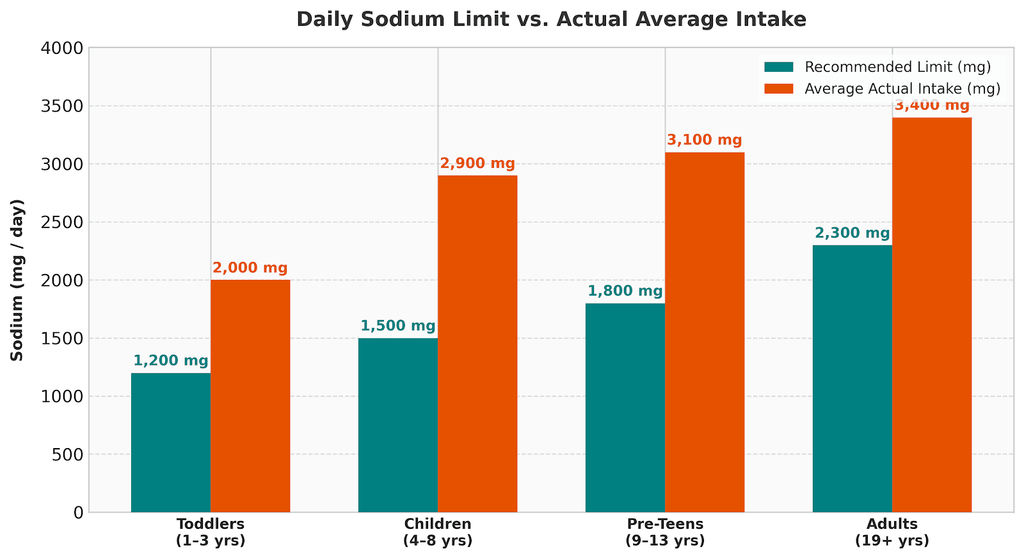
Quick Answer: According to health guidelines, the recommended sodium intake by age ranges from 1,200 mg per day for toddlers up to a maximum limit of 2,300 mg for adults. However, most families unknowingly consume over 3,400 mg daily through processed foods.
People pay attention to everything they eat or drink just to stay healthy and safe. Sodium plays an important role when it comes to keeping a healthy diet; however, eating too much can increase the risk of high blood pressure, heart attacks, and stroke. It’s very important to understand the recommended sodium intake by age, as it will help you to decide on a better and smarter diet choice while keeping your heart safe. In this article we will look at recommended sodium intake by age, common sources of excess sodium, what happens if you eat too much sodium, and how to lower sodium intake naturally, so let’s start.
Why Sodium Matters?
Sodium is considered one of the most essential and necessary minerals when it comes to health. Sodium helps in balancing fluid in the body, improving muscle function, and regulating blood pressure levels; however, consuming sodium in high quantities can lead to retaining water, which later results in high blood pressure and heart diseases. High amount of sodium usually found in processed food items.
Recommended Sodium Intake by Age (Daily Limits)
Following is the information based on the National Academies of Sciences, Engineering, and Medicine (NASEM) and the Dietary Guidelines for Americans (Daily Values / Tolerable Upper Intake Levels). on how much salt you should consume according to your age:
| Age Group / Life Stage | Daily Sodium Limit (mg/day) | Notes |
|---|---|---|
| Infants (0–6 months) | < 110 mg | Adequate Intake (AI); provided entirely by breast milk or formula. |
| Infants (7–12 months) | < 370 mg | Adequate Intake (AI); derived from milk and plain solid foods (no added salt). |
| Children (1–3 years) | < 1,200 mg | Upper limit for toddlers. |
| Children (4–8 years) | < 1,500 mg | Upper limit for early childhood. |
| Teens (9–13 years) | < 1,800 mg | Upper limit for pre-teens. |
| Adolescents (14–18 years) | < 2,300 mg | Matches standard adult maximum. |
| Adults (19–49 years) | < 2,300 mg | Standard recommended maximum for healthy adults (~1 tsp salt). |
| Older Adults (50+ years) | < 2,300 mg (Ideal: < 1,500 mg) | AHA recommends aiming closer to 1,500 mg/day due to hypertension risk. |
| Pregnant Women | < 2,300 mg | Same upper limit as non-pregnant adults. Severe sodium restriction is not recommended. |
| Lactating Women | < 2,300 mg | Standard adult maximum applies; adequate hydration is key for milk production. |
Common Sources of Excess Sodium
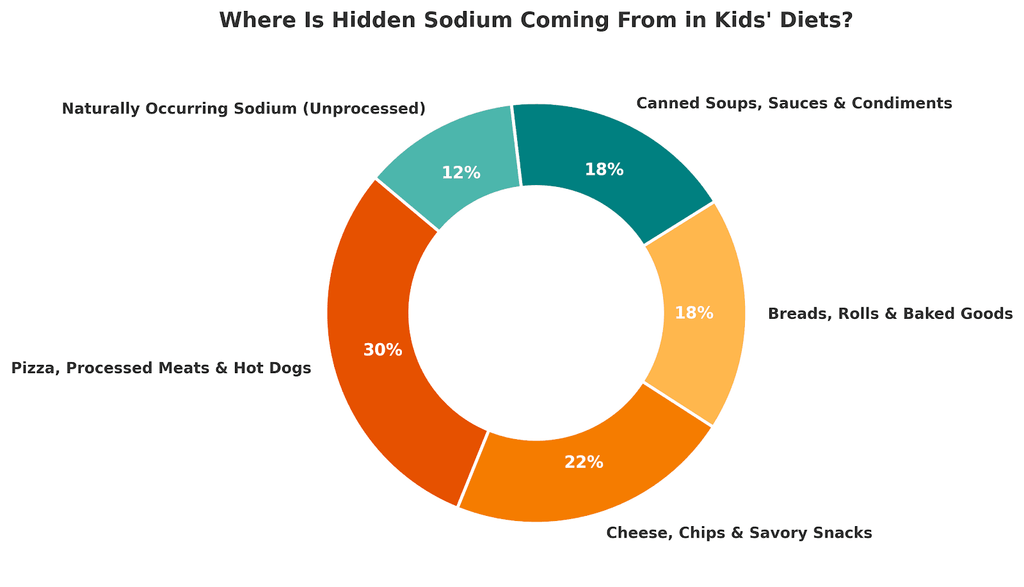
You may feel shocked to hear this: we usually think sodium is only found in salt in high amounts, but no, around 70–80% of the sodium consumption takes place from processed and restaurant foods. High-sodium sources include processed meats (bacon, ham, and sausages). Baking items are also rich in sodium, like bread and baked goods. Fast food and frozen meat are also considered high sources of sodium. Lastly, cheese and condiments.
Recommended Sodium Intake for Babies and Kids
Sodium affects kidney health, and as we know, children’s kidneys are more sensitive when it comes to sodium intake. It’s important to avoid adding salt (sodium) or add in a very small quantity in baby food. Avoid giving your children processed snacks and flavored foods, as they are high in sodium. Incorporate fruits, vegetables, and whole grains in your children’s food, as they are low in sodium. A child’s taste for salt is quickly developed, so it’s important to develop healthy habits from the start, which will help in stopping salty food cravings later.
Sodium Needs for Adults and Teenagers
If we discuss teenagers and adults, then the recommended sodium intake by age is likely around 2,300 mg a day; if you measure it, it will be around a teaspoon, although many adults consume 3,400 mg daily as they eat processed foods and bakery items. It is in a very high range, as it is almost 50% of what is recommended. The increasing number of heart attacks and kidney failures is due to the high amount of sodium we consume in our daily food.
Sodium Intake for Older Adults
As we grow older, our bodies become more sensitive to sodium, just like babies. If an old person is consuming a high amount of sodium, it can lead to high blood pressure, kidney infection or failure, and increase the risk of stroke and heart failure.
Many health professionals suggested taking 1,500–2,000 mg of sodium daily. If you completely want to escape sodium from your diet, then go for herbs, spices, canned beans, and vegetables. You can also check the labels on food items where they show low-sodium” or “no-salt-added.”
What Happens If You Eat Too Much Sodium?
Consuming too much salt can lead to serious health issues like:
- High blood pressure (hypertension)
- Heart disease and stroke
- Kidney damage
- Bloating and water retention
If you reduce intake of sodium in high amounts, it can also make a difference because, according to recent studies, if you cut 400–500 mg per day, your blood pressure can go back to normal in some weeks.
Medical Disclaimer: The information in this article is for educational and informational purposes only and should not be taken as medical advice. Always consult with a qualified healthcare professional, pediatrician, or registered dietitian before making significant changes.
How to Lower Sodium Intake Naturally?
There are some tips you can follow:
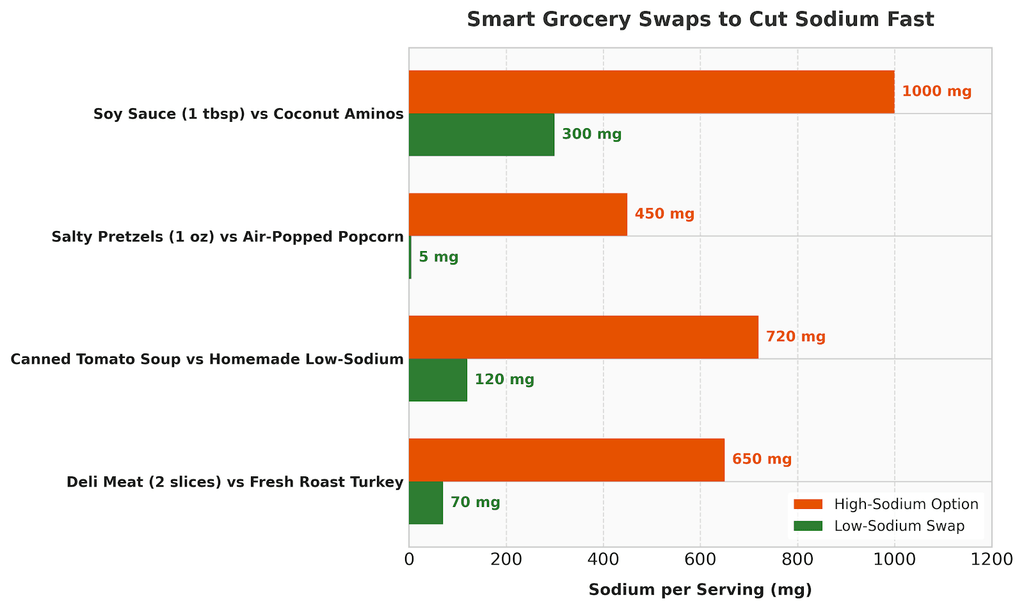
- Cook more meals at home: Processed and restaurant-based food items are high in sodium, so it’s better to cook at home, as you can control the intake of salt.
- Read nutrition labels: Always read the label when you buy any frozen food items, and compare sodium content between brands.
- Flavor with herbs and spices: Use salt replacements like basil, turmeric, or lemon.
- Rinse canned foods: Use rinse canned food items, as they remove 40% of excess sodium.
- Watch restaurant meals: You can also ask about no-added-salt options when you go to a restaurant.
Sodium and Potassium: The Healthy Balance
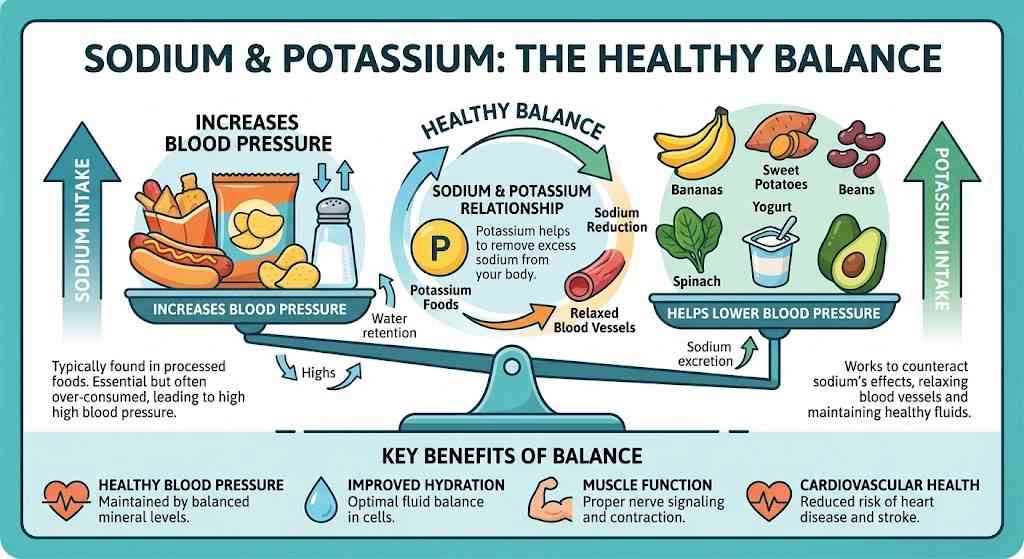
People usually don’t know, but the combination of sodium and potassium can help in hydration and muscle function. If you are taking a high amount of sodium but also increase the intake of potassium, then it can help to reduce sodium effects. To consume more potassium, you can add rich food items like bananas, sweet potatoes, beans, spinach, yogurt, and avocados to your diet. This balance supports healthy blood pressure and overall cardiovascular function.
Conclusion: Find Your Balance with the Right Sodium Intake
If you know the recommended sodium intake by age and how much sodium the body needs per day, it helps you to keep a balanced, healthy lifestyle and have better heart and kidney health. It will prevent you from many diseases. Sodium is necessary, but taking it in a moderate amount does help more. You can make changes in diet, like eating food at home or avoiding processed and restaurant food. A small change in your sodium intake per day can make a big difference
People Also Ask
1. How much sodium per day is recommended for adults?
According to health experts, the recommended sodium intake for adults is about 2,300 mg per day.
2. What is considered too much sodium in a day?
The limit is 2300 mg of sodium per day, and anything beyond that is considered high. This causes serious health concerns such as high blood pressure, heart disease, and kidney failure.
3. How much sodium per day should I have to lower blood pressure?
If you are someone who has a high blood pressure issue, then the recommended sodium per day is no more than 1,500 mg. The less you consumed sodium, the more your blood pressure became normal in weeks.
4. How much sodium do you need per day to stay healthy?
Our body needs just 500 mg of sodium a day to function properly, but we usually take more than this, so it’s important to keep sodium intake less than 2,300 mg, as it will help in maintaining overall health and keep us safe from many diseases.
5. What are examples of low-sodium foods?
Low-sodium foods include fresh fruits, vegetables, whole grains, unsalted nuts, fresh fish, and legumes and beans (rinsed).
6. Is 1,000 mg of sodium per day enough?
“While 1,000 mg per day is safe, the human body actually needs only about 500 mg of sodium daily to function properly.”
References and Sources for Further Reading
U.S. Centers for Disease Control and Prevention (CDC)
U.S. Food and Drug Administration (FDA)
- Source: FDA Sodium in Your Diet
U.S. Department of Agriculture (USDA) & HHS
- Source: Dietary Guidelines for Americans
World Health Organization (WHO)
- Source: WHO Salt Reduction Fact Sheet
