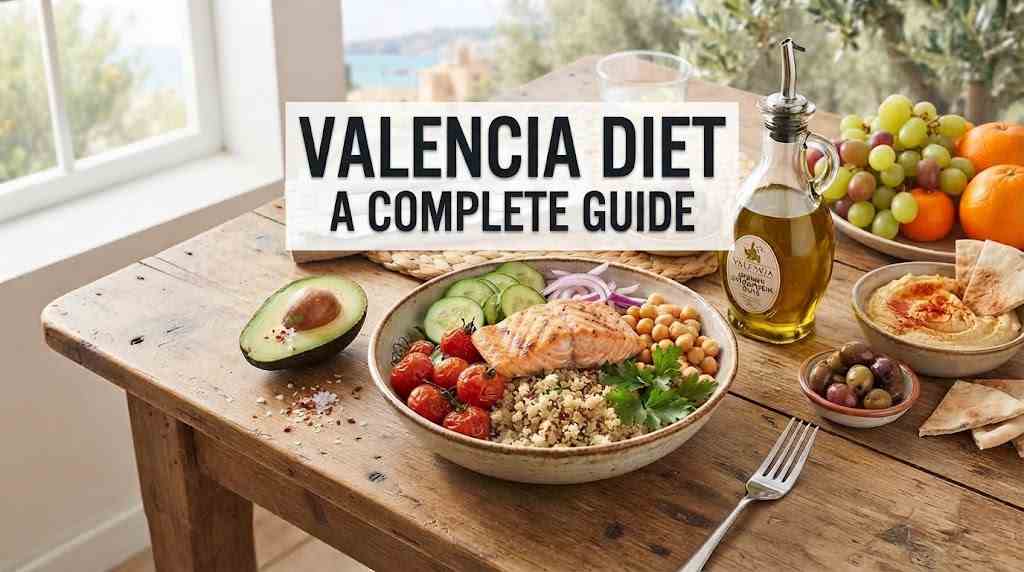
Quick Answer: The Valencia Diet is a Mediterranean-inspired lifestyle and weight-loss plan originating from Spain’s Valencia region. Created by Dr. Daniel Valencia, it emphasizes whole foods, lean proteins, fiber-rich vegetables, healthy fats, and optional intermittent fasting (such as a 16:8 schedule), aiming to promote sustainable fat loss, stable blood sugar, and metabolic health without extreme food restrictions.
In this evolving world of health and fitness, every day a new diet is introduced. People follow many diet plans in a year to reach their fitness goals. Recently a new diet catches everyone’s attention called the Valencia diet. It is a Mediterranean-inspired diet plan for weight loss and overall health. It originated from Spain’s coastal Valencia region. Unlike the other diet plans that are strict in nature and restrict certain food items, the Valencia diet promotes healthy eating, as it includes foods that are rich in healthy fats and lean proteins. The Valencia diet still allows you to enjoy other things in a diet plan, like paella, citrus fruits, and olive oil. In this article, we’ll explore its key principles, health benefits, sample meal plans, and how it compares to other popular diets.
Valencia Diet vs. Traditional Diets Comparison Table
| Feature | Traditional Crash Diets | The Valencia Diet |
|---|---|---|
| Food Restrictions | Bans entire food groups (no carbs/no fats) | Flexible; emphasizes whole foods without strict bans |
| Calorie Approach | Dangerously low / Starvation-based | Balanced baseline (~1,500 calories/day) |
| Intermittent Fasting | Rarely included | Optional (supports fat burning and metabolism) |
| Sustainability | Low (leads to burnout and weight rebound) | High (designed as a long-term lifestyle) |
Who is Dr. Valencia?
Dr. Daniel Valencia is a licensed doctor of osteopathic medicine (DO). He creates a diet plan called the Valencia diet, also known as the Valencia lifestyle. Dr. Valencia is a certified doctor from the board of internal medicine. He also has certification in lifestyle medicine from a well-known university. Dr. Valencia recently got public attention from a famous social platform, “TikTok.” On this platform Dr. Valencia shares practical, bilingual content focused on metabolic health, weight loss, and sustainable living. His dietary approach is focused on promoting whole foods, reducing processed foods, allowing plant-based meals, intermittent fasting, and a balanced caloric intake.
He also published a book in March 2025 called “Valencia Lifestyle,” in which he provides a detailed guide on a 28-day meal plan, exercise routine, and habitual strategies. This book is created to focus on improving overall health without any extreme restrictions. The Valencia diet got viral among people because of its simplicity and effectiveness. Scientific studies are still limited, and results may be different from one person to another, say experts.
Who can benefit from the Valencia Diet?
The Valencia diet provides a wide range of benefits, especially for the people who want to follow a balanced diet without restrictions. This diet includes portion control, whole foods, and restricted calorie intake, like 1500 calories a day. It is best for the people who are trying to loose weight. The involvement of intermittent fasting in this diet helps in fat burning and appetite regulation. This diet is also ideal for people who have certain health conditions like insulin resistance, pre-diabetes, type 2 diabetes, or metabolic syndrome, as this diet focuses on anti-inflammatory food items like vegetables, legumes, lean proteins, and healthy fats. All these food items help in improving blood sugar levels. The Valencia diet is suitable for busy professionals, parents, and those new to healthy eating.
Protein is recommended on the Valencia diet.
Yes, protein is highly recommended in the Valencia diet because it helps in weight loss. Protein helps to control blood sugar levels. During weight loss, maintaining muscle mass is vital. Protein intake can help in building muscle. You can add protein to this diet by adding food items like chicken breast, turkey, grass-fed beef, salmon, tuna, sardines, eggs, lentils, chickpeas, black beans, quinoa, Greek yogurt, and cottage cheese.
Intermittent Fasting on the Valencia Diet
The Valencia diet features intermittent fasting, but it’s not mandatory. Intermittent fasting is important for burning, insulin sensitivity, and metabolism. The best approach in the Valencia diet is the 16:8 method of intermittent fasting. During the Valencia diet, you can do intermittent fasting from 8pm to 12pm and eat from 12pm to 8pm the next day. Fasting overnight and eating during the day helps in better digestion and hormone regulation.
Daily Physical Activity in the Valencia Diet
Dr. Daniel Valencia knows that a healthy routine does not only involve nutrition but also physical activity. That is why Dr. Valencia has included daily physical activity as one of the basic pillars of the Valencia Diet, due to the long-lasting results that you can achieve by combining proper nutrition and physical activity. The Valencia diet provides physical activity that contributes to fat loss, enhances insulin sensitivity, and protects lean muscle mass.
What Kind of Exercise Does the Valencia Diet Recommend?
Dr. Valencia doesn’t prescribe high-intensity or gym-only workouts. He promotes low-intensity workouts like 30 to 60 minutes of walking a day. Bodyweight exercises include squats, lunges, planks, and push-ups at home. Light resistance training with the help of dumbbells. You can also do yoga to reduce stress. The best time to walk can be after a meal.
| Exercise Type | Recommended Activity | Frequency & Duration | Primary Benefit |
|---|---|---|---|
| Low-Intensity Cardio | Walking (ideally after meals) | 30 to 60 minutes daily | Supports fat burning and aids digestion |
| Bodyweight Exercises | Squats, lunges, planks, push-ups | Done at home | Builds functional strength |
| Light Resistance Training | Exercises using dumbbells | Regular sessions | Protects and builds lean muscle mass |
| Mind-Body Practices | Yoga | As needed | Reduces stress and cortisol levels |
Health Benefits of the Valencia Diet
The Valencia diet is low in processed foods; it is still the best choice for people who are below. Below are the key health benefits of following the Valencia diet:
1. Supports Heart Health
The Valencia diet includes healthy fat items like olive oil, avocados, and nuts. It also involves proteins and vegetables. All these nutrients help in reducing bad cholesterol, increasing good cholesterol, and keeping blood pressure normal. This approach eliminates the risk of stroke, heart attack, and coronary artery disease.
2. Effective for Weight Loss
Valencia promotes natural eating, as it includes balanced intake of protein, fiber, and fats. This diet leads to satiety. Hence, it is low in calories and less overeating. The Valencia diet also minimizes processed foods in the meal plan, which leads to fat burning, muscle mass gain, and a lower risk of weight gain.
3. Anti-Inflammatory Benefits
Valencia promotes healthy eating; it includes food items like berries, leafy greens, fish, and olive oil. All these foods are rich in nutrients like antioxidants and omega-3 acid that help in preventing inflammation, improving skin, and supporting muscle health.
4. Promotes Gut Health
The diet is high in fiber because it includes vegetables, fruits, legumes, and whole grains. The fiber in the mentioned items helps in improving digestion, reducing bloating, and boosting energy.
5. Stabilizes Blood Sugar Levels
The Valencia diet is rich in protein, healthy fats, and fiber, but it eliminates intake of refined carbs and added sugar items. The Valencia diet promotes low-glycemic fruits, whole grains, and high-protein meals. All these food items help in keeping blood sugar levels in balance. This diet works best for people who have type 2 diabetes or insulin resistance.
6. Boosts Brain Function
The Valencia diet promotes healthy eating, like fish and other meaty items, which includes omega-3 fatty acids, antioxidants, and vitamin B. All these nutrients support brain functions, memory retention, and mental clarity. According to some experts, the Valencia diet may also help in delayed age-related diseases like Alzheimer’s.
7. Improves Energy Levels
It is not like other crash and restrict diets; Valencia fuels the body with high-quality nutrients, as it promotes healthy and natural eating. The combination of healthy fats, lean protein, fiber, and omega-3 helps in fatigue reduction, muscle recovery, boosting energy levels, and enhancing physical performance.
Sample Meal Plan for the Valencia Diet
Here’s a sample 7-day Valencia Diet meal plan as follows:
| Day | Breakfast | Mid-Day Snack | Lunch | Dinner |
|---|---|---|---|---|
| Day 1 | 2 eggs, ½ avocado, ½ cup quinoa, tomato, spinach, lemon & olive oil drizzle, herbal tea | 1 boiled egg, Greek yogurt, 10 raw almonds, 1 apple | Grilled salmon or chicken breast, mixed greens (arugula, kale), ½ cup boiled chickpeas, olive oil, lemon | Zucchini noodles, lean ground turkey, sautéed mushrooms, cherry tomatoes, spinach, garlic, basil, olive oil |
| Day 2 | Oatmeal topped with fresh berries, chia seeds, and a splash of almond milk | Sliced cucumber and bell pepper strips with hummus | Quinoa bowl with grilled chicken, roasted broccoli, and pumpkin seeds | Baked cod fish with a side of steamed asparagus and a drizzle of extra virgin olive oil |
| Day 3 | Greek yogurt mixed with chopped walnuts and a drizzle of honey | 1 small orange or pear, plus a handful of pistachios | Lentil and vegetable soup with a side of mixed greens dressed in olive oil | Turkey meatballs with roasted zucchini and bell peppers in a light tomato-basil sauce |
| Day 4 | Scrambled eggs with spinach, mushrooms, and a slice of whole-wheat toast | 1 boiled egg and a handful of mixed berries | Grilled chicken breast wrap in a whole-wheat tortilla with avocado, lettuce, and tomatoes | Baked salmon fillet with a side of roasted cauliflower and Brussels sprouts |
| Day 5 | Chia seed pudding made with almond milk, topped with fresh raspberries | Sliced apple with 1 tbsp natural peanut butter | Chickpea salad with diced cucumbers, tomatoes, red onions, feta cheese, and olive oil dressing | Lean ground beef or turkey stir-fry with snap peas, carrots, broccoli, and garlic |
| Day 6 | Omelet made with 2 eggs, tomatoes, onions, and fresh herbs, plus black coffee | Greek yogurt with 10 raw walnuts | Grilled tuna steak over a bed of baby spinach, kale, and sliced radishes | Roasted chicken thighs with a side of sautéed green beans and sweet potato wedges |
| Day 7 | Whole-grain toast topped with mashed avocado, a poached egg, and red pepper flakes | Handful of mixed almonds and dried berries | Mixed bean chili loaded with kidney beans, black beans, diced tomatoes, and bell peppers | Baked white fish with roasted eggplant, zucchini, and a lemon-herb olive oil dressing |
Potential Risks Of The Valencia Diet
The Valencia diet has many health benefits, but it has some side effects as follows:
- This diet is not ideal for people with allergies to nuts, seafood, or legumes.
- The Valencia diet can be high in fat if food items are not taken in a moderate quantity.
- As compared to other diets, Valencia may be costly or inaccessible for some.
- The Valenciaquires meal prep and planning.
- The Valenciacks’ strict structure for portion control.
- It might be low in certain nutrients for some dieters
Common Mistakes to Avoid on the Valencia Diet
| Common Mistake | Why It Happens | How to Fix It |
|---|---|---|
| Overeating Healthy Fats | Assuming foods like olive oil, nuts, and avocados have no calorie limits. | Practice mindful portion control; measure oils with a spoon rather than pouring freely. |
| Over-Relying on Seafood | Relying exclusively on fish for every protein source. | Balance your menu by rotating poultry (chicken and turkey) and plant proteins alongside seafood. |
| Skipping Vegetable Fiber | Focusing heavily on lean proteins while neglecting fibrous greens. | Ensure at least half your plate consists of vegetables at main meals. |
| Relying on Convenience Foods | Grabbing processed items or skipping meals due to a lack of preparation. | Dedicate a small block of time each week to prep ingredients and plan meals ahead. |
| Neglecting Hydration | Mistaking thirst for hunger or relying only on coffee and tea. | Drink plenty of plain water throughout the day to support metabolism and energy. |
| Skipping Meals | Missing breakfast or lunch due to a busy schedule or fasting routines. | Never skip meals; maintain consistent eating windows to prevent blood sugar crashes and overeating. |
| Ignoring Physical Activity | Relying entirely on the meal plan without incorporating movement. | Pair your nutrition plan with daily habits like 30 minutes of walking or light home workouts. |
How many weeks of the Valencia diet does it take to lose weight?
The time the Valencia diet takes to lose weight depends on various factors like current weight, activity level, how your metabolism works, and how closely you follow the plan. People see recognizable results in just 2 to 4 weeks of following this diet. The average rate of weight loss in the Valencia diet is around 1 to 2 pounds (0.5 to 1 kg) per week; it means you can easily lose 4 to 8 pounds in a month by following the Valencia diet with a strict workout routine and proper hydration.
If you take the Valencia diet for 12 months or longer, it can result in fat loss, improved metabolism, and overall health.
How much weight can I lose on the Valencia diet?
If you follow the Valencia diet constantly for a week, you may notice recognizable results, like losing 1 to 2 pounds (0.5 to 1 kg). If you follow this diet for a month, you may lose 4 to 8 pounds (1.8 to 3.6 kg). You could lose 10 to 20 pounds (4.5 to 9 kg) if you stick to this diet for two to three months. After following this diet for 6 months, you can lose 25+ pounds (11+ kg).
Foods to Include vs. Avoid on the Valencia Diet
Here’s a quick-reference guide to the nutrient-dense whole foods you should embrace and the processed foods you should limit or eliminate.
| Food Category | Foods to Include (Valencia Diet) | Foods to Avoid (Valencia Diet) |
|---|---|---|
| Proteins | Grilled chicken breast, turkey, eggs, salmon, tuna, sardines, lentils, chickpeas, black beans, Greek yogurt, cottage cheese | Processed deli meats, bacon, sausages, hot dogs, beef jerky, fried meats |
| Vegetables | Spinach, kale, broccoli, zucchini, eggplant, cauliflower, bell peppers, carrots, cucumbers, tomatoes, onions, garlic, mushrooms | Canned soups with added sodium, heavily salted or packaged vegetable sides |
| Fruits | Apples, pears, oranges, pomegranates, grapes, cherries, fresh berries | Bottled fruit juices, canned fruits in heavy syrup, candied fruits |
| Grains & Carbs | Quinoa, brown rice, oats, buckwheat, barley, whole-wheat options (in moderation) | White bread, white rice, pastries, sugary cereals, traditional pasta, couscous |
| Fats & Oils | Extra virgin olive oil, avocados, almonds, walnuts, pistachios, chia seeds, flaxseeds, sunflower seeds | Margarine, hydrogenated oils, fast food, store-bought fried snacks, shortening |
| Beverages | Water, black coffee, herbal tea, lemon water | Soft drinks, energy drinks, sweet teas, flavored alcoholic mixers, sugary sodas |
Are there any restrictions in the Valencia diet?
Yes, the Valencia diet comes with some restrictions, but it is created to be flexible instead of rigid or overly extreme. As we discussed earlier, the main focus of this diet is to eat whole, nutrient-dense foods while removing or limiting the items that can disturb the metabolism or lead to inflammation. The main restrictions are as follows:
- Processed and Refined Foods: Exclude food items from your diet like white bread, white rice, pastries, sugary cereals, and packaged convenience snacks.
- Added Sugars and Sweeteners: Limit items while taking this diet in your routine, like sodas, candies, desserts, flavored yogurts, and sugary sauces.
- Unhealthy Fats: totally avoid margarine, hydrogenated oils, fast food, and fried snacks.
- Portion Control on Calorie-Dense Foods: You need to do portion control even with healthy items like extra virgin olive oil, nuts, and avocados because they are rich in calories.
- Allergen Modifications: If you have an existing allergy, then restrict items like nuts, seafood, or legumes.
Medical Disclaimer: This content is for informational purposes only and does not constitute medical advice. Always consult a qualified healthcare provider before making major changes to your diet, fasting routine, or health regimen.
Who Is (and Isn’t) a Good Fit for the Valencia Diet?
Before you jump in, check out this helpful comparison breakdown to see if this Mediterranean-inspired lifestyle aligns with your personal health goals, daily routine, and dietary needs.
| Best Suited For | Not Ideal For |
|---|---|
| People wanting steady, sustainable weight loss without extreme crash diets. | Anyone with severe allergies to nuts, seafood, or legumes. |
| Busy professionals and parents looking for flexible, simple meal plans. | Those seeking rapid, overnight results through extreme restrictions. |
| Individuals focused on metabolic health who want to stabilize blood sugar. | Pregnant or nursing women (unless cleared by a doctor). |
| Beginners wanting to transition into a healthy, Mediterranean-style routine. | Anyone with a history of eating disorders (due to calorie and fasting tracking). |
Frequently Asked Questions by People on the Valencia Diet
Does the Valencia Diet have benefits?
Yes, the Valencia diet has general health benefits, as it promotes healthy eating that results in improved metabolism, weight loss, reduced chronic inflammation, balanced blood sugar levels, helps in brain functions, and promotes overall heart health.
Is the diet suitable for everyone?
No, like all diets, it’s not for everyone, especially for people who are allergic to nuts, seafood, etc. It is also not good for those who follow strict diet plans or are on certain medications.
Does the Valencia Diet help in weight loss and overall health?
This diet works best for those who are looking for weight loss, improved heart health, boosted energy, smooth digestion, and a balanced, less restricted diet plan. People who follow a Mediterranean-style eating plan find the Valencia diet best for them.
Is the Valencia diet healthy?
The Valencia diet is healthy, as it promotes healthy eating by involving food items that are rich in lean proteins, healthy fats, and fiber-rich carbohydrates; all these nutrients support overall health and body functions.
Is the Valencia Diet is similar to the Mediterranean Diet?
Yes, the Valencia Diet is similar to the Mediterranean Diet, as both focus on whole foods, healthy fats, lean proteins, and plenty of fruits and vegetables.
