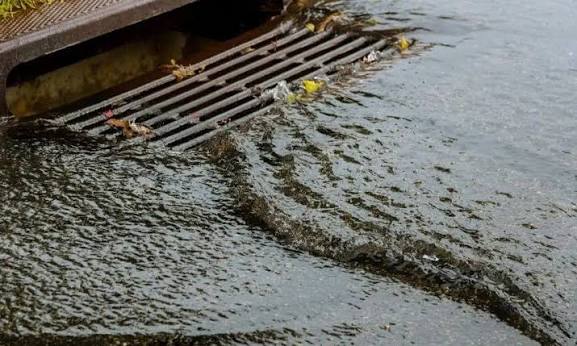
Water is essential for a healthy landscape, but too much of it in the wrong place can quickly become a property problem. Standing water, soggy soil, and uncontrolled runoff may seem minor at first, yet repeated moisture can damage landscaping, affect outdoor surfaces, attract pests, and create problems around a home’s foundation. In Indian Rocks Beach, drainage deserves particular attention because the entire city is designated as a Special Flood Hazard Area, while the average ground elevation is only about 5 to 6 feet above sea level. Local officials also note that heavy rainfall can overwhelm drainage systems and contribute to flooding in lawns, streets, and swale areas. Understanding how water moves across your property can help you catch drainage issues before they become more expensive to correct.
Your Lawn Usually Shows the Problem First
A yard with drainage trouble rarely keeps it a secret for long. You may notice soggy patches that remain wet long after rainfall, thinning grass, exposed roots, washed-out mulch, or areas where plants consistently struggle.
These symptoms often develop where water naturally collects or where runoff has no clear route away from the property.
If repeated puddling or saturated soil has become a problem, professional yard drainage in Indian Rocks Beach services can help identify how water is moving across the property and which drainage approach may be appropriate.
Pay attention to water collecting near patios and walkways, muddy patches that rarely dry, erosion around garden beds, and grass that struggles despite otherwise reasonable care.
A single puddle after unusually heavy rain may not indicate a serious problem. Water that repeatedly collects in the same places deserves a closer look.
Water Near Your Foundation Deserves Attention
When water consistently settles close to a home, the issue becomes more important than lawn appearance.
Poor grading or uncontrolled runoff can allow moisture to remain around the foundation instead of moving safely away from the structure.
The warning signs may be subtle at first. Persistent dampness, musty odors, staining, peeling finishes, or recurring moisture in lower areas of the home can all justify further investigation.
The goal is to control where runoff travels. Proper grading, functional gutters and downspouts, and appropriate drainage systems can help move water away from vulnerable areas.
Addressing the source is usually more effective than repeatedly dealing with symptoms after every heavy rainfall.
Water has plenty of patience. Unfortunately, building materials usually have less.
Standing Water Can Encourage Pest Activity
Poor drainage can also make a yard more inviting to unwanted pests.
Mosquitoes are an obvious concern because they rely on water during part of their life cycle. Other insects may also be attracted to consistently damp soil, mulch, or areas where moisture remains close to structures.
Check places where water can easily collect, including beneath downspouts, around outdoor equipment, beside sheds, near containers, and in low areas of the landscape.
The U.S. Environmental Protection Agency recommends eliminating standing water from places such as gutters, buckets, toys, plant trays, and other containers where mosquitoes can breed.
Correcting drainage won’t solve every pest problem, but reducing unnecessary standing water can make the property less inviting to mosquitoes and improve the overall usability of outdoor areas.
Outdoor Surfaces Can Suffer Too
Drainage problems don’t stop at grass and garden beds.
Repeated runoff can wash soil away from walkways, undermine pavers, move gravel, and contribute to erosion around outdoor features. Wooden structures and other moisture-sensitive materials may also deteriorate faster when they remain repeatedly exposed to water.
Patios, paths, retaining features, and other improvements represent a significant investment, so drainage should be considered part of protecting them.
Watch what happens during and immediately after rainfall. Where does water flow? Does it rush across a walkway? Pool beside a patio? Carry soil or mulch into another part of the yard?
Those patterns can reveal problems that are difficult to notice once everything dries.
Water will find a route across the property. Good drainage planning helps determine that route before erosion does.
Erosion Can Gradually Change Your Landscape
Moving water can carry soil with it, particularly when runoff repeatedly follows the same path.
At first, erosion may look minor. A little mulch disappears from a garden bed, soil develops a shallow channel, or plant roots become slightly more exposed. Repeated rainfall can make those changes increasingly noticeable.
The USDA Natural Resources Conservation Service explains that rainfall and the resulting overland flow can contribute to soil loss through water erosion.
Around a home, erosion can affect garden beds, slopes, pathways, and landscaped areas. It may also change how future runoff travels, potentially creating new low spots or channels.
Addressing erosion early can therefore help prevent one drainage issue from contributing to another.
Small Fixes Can Sometimes Make a Difference
Not every wet yard requires a major drainage project.
Simple improvements may be enough when the problem is limited to one small area. Extending a downspout, clearing clogged gutters, correcting a shallow depression, or adjusting landscaping may improve how water moves.
Before making changes, however, identify where the water is actually coming from.
A puddle may be caused by roof runoff, surrounding slopes, compacted soil, poor grading, or water moving from another part of the property.
Treating the visible puddle without understanding its source can lead to repeated fixes that don’t accomplish much.
Observe the yard during rainfall when it is safe to do so. Watching how water moves can reveal more than inspecting the property several hours after everything has started drying.
Larger Problems Need a Property-Wide Strategy
Recurring drainage problems often require looking at the entire property rather than treating individual puddles.
A useful assessment considers where water enters the yard, how the ground slopes, which areas collect runoff, and where that water can be directed safely.
Depending on the property, possible solutions may include grading corrections, catch basins, channel drains, French drains, downspout modifications, or a combination of approaches.
The right solution depends on the cause.
Installing a drain in the lowest spot may seem logical, but it won’t necessarily solve the problem if the surrounding grading continues directing excessive amounts of water there.
Effective drainage is less about making water disappear and more about managing where it goes.
Pay Attention Before Water Becomes a Bigger Problem
Drainage problems often develop gradually, which makes them easy to postpone.
A muddy patch becomes normal. Washed-out mulch gets replaced. A puddle gets ignored because it eventually dries. Meanwhile, repeated runoff and moisture can continue affecting landscaping and outdoor features.
Pay attention to patterns instead.
