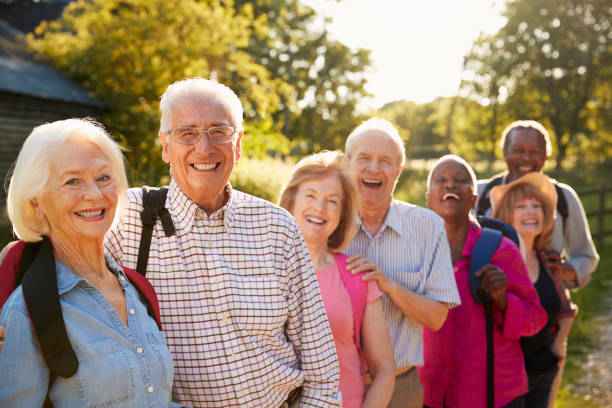
Quick Summary: Seniors can combat age-related health problems by transitioning from passive care to preventative optimization. This includes performing resistance training to reverse muscle wasting, learning complex new skills to build cognitive reserve, and prioritizing nutrient-dense foods such as high-protein sources and key vitamins like B12, D3, and K2 to protect systemic health and maintain long-term independence.
When we talk about aging, it is a series of inevitable losses. However, modern gerontology tells us a different story. According to recent research, 70% of how we age depends on the lifestyle we choose; aging isn’t something based on genetics only.
When we discuss how seniors can combat health problems they may face, we don’t look for answers that include crisis management; we go for preventative optimization.
In this guide, we will explore the physical, cognitive, and environmental strategies necessary for maintaining optimal vitality during the senior years.
Quick Checklist: Combating Senior Health Problems
| Category | Problem to Combat | Your Action Plan | Key Nutrients |
|---|---|---|---|
| Physical (Muscles & Bones) | Sarcopenia & Osteoporosis | Resistance Training: Chair squats, wall push-ups (twice a week). | Leucine (Whey, Greek Yogurt), Protein (1.2g–1.5g per kg). |
| Cognitive (Brain) | Cognitive Decline & Dementia | The “Difficulty Gap”: Learn new languages or instruments; tackle deep sleep. | Vitamin B12 (essential for clarity and focus), NAD+ Boosters. |
| Nutrition & Metabolism | The Nutrient-Density Paradox | Fiber-First Eating: Prioritize fiber and protein before carbs. | Vitamin D3 + K2 (Calcium GPS), Magnesium (Sleep/muscle relaxation). |
| Stress & Safety | Chronic Cortisol & Falls | Environment Engineering: Motion lights, grab bars, secure paperwork (POA). Use a daily stress management routine. | Routine checkups are the best nutrient. |
| Sensory Health | Hearing/Vision Loss | The Brain Boost: Annual Glaucoma/Macular exams; modern hearing aids. | Routine checkups are the best nutrient. |
Stronger Bones and Muscles: How to Prevent Sarcopenia and Osteoporosis
The most common physical problems many seniors face are the decline of muscle mass (sarcopenia) and bone density (osteoporosis). According to research, a senior can lose 5% muscle mass every decade after age 30, although the rate can be changed or be higher after the age of 65.
1. The Science of Resistance Training
To keep muscles working properly, many doctors advise seniors to just walk; it is excellent for heart health, but it can’t stop muscle wasting. To overcome health problems like frailty, seniors need to do resistance training, not just walk.
According to research, I also see many people who are in their 90s gain muscle mass because of strength training, as it stimulates the release of growth hormones and improves insulin sensitivity.
Seniors should engage in physical activity at least twice a week. They can perform exercises such as chair squats or wall push-ups to enhance upper body bone density. Additionally, holding heavy weights, like dumbbells and kettlebells, can help improve grip strength, core stability, and posture.
2. Bone Density and the Impact Myth
While high-impact jumping can be risky for those seniors who already have existing fractures, loading the bone is important for health. Instead of high jumping, seniors can do activities like brisk walking, dancing, and using resistance bands to make a piezoelectric effect on bones.
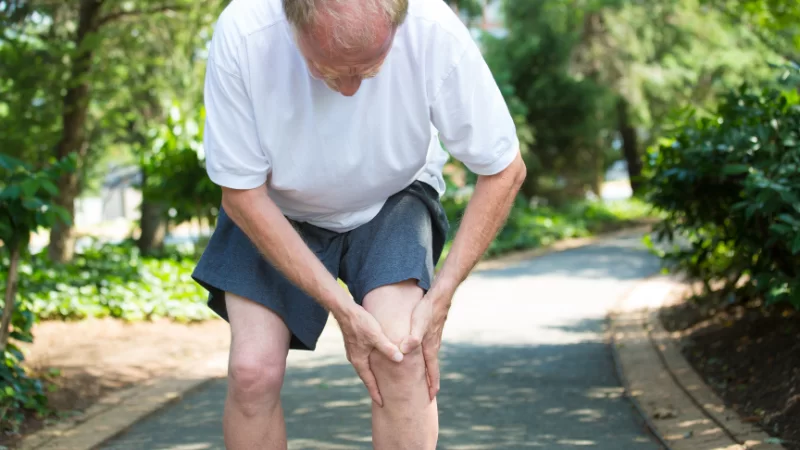
Keep Your Mind Sharp: Fresh Ways to Boost Brain Health Beyond Crosswords
For many seniors the fear of getting old isn’t just based on physical pain, but it is on Alzheimer’s and dementia. This fear results in brain games or repetitive puzzles among seniors. However, a brain isn’t comfortable with
Repetition example: If you have been doing the same thing for the last 10 years, your brain does it automatically, leading to zero neuroplastic benefit. To overcome such a situation, you need to follow two mechanisms.
Neuroplasticity and the Difficulty Gap
It refers to the brain’s ability to reorganize its structure in response to learning and experience. When you start to learn something new, you are changing the structure of the brain physically. You can learn a new language or instrument, as it will increase the number of synapses, which works as a buffer against age-based cognitive decline.
You may notice that when people are young, their brains function sharply; however, as they transition into adulthood, that sharpness tends to diminish. Many doctors suggest doing dual-task training, as it allows your brain to pay attention to two different things at once, leading to better thinking.
When you are going for groceries (the physical task), then a neighbor comes to you and asks for directions (a thinking task), so if your brain can’t handle both at once, this means your brain forgets where you are going; it starts thinking about the direction. To overcome such situations in old age, you need to practice “brain-body” games at home; this will train your brain to stay sharp even when you are distracted.
This is how you discuss how seniors can combat health problems they may face in a way that actually saves lives.
3 Easy Ways to Do This at Home
To make your brain sharp, you don’t need to go to the gym or consult a doctor; in fact, you can just do it by playing “multitasking” games:
- The Grocery List Walk: Don’t make a list by just sitting; in fact, you can go for a walk and start writing the list, like naming one fruit or vegetable for every step you take (step: apple, step: banana, step: carrot).
- The Alphabet Balance: Another trick you can do is stand near a sturdy chair. While standing on one leg, try to say the alphabets in reverse, like from Z to A.
- The Counting Sit-to-Stand: When you stand up from a chair, start counting in odd numbers.
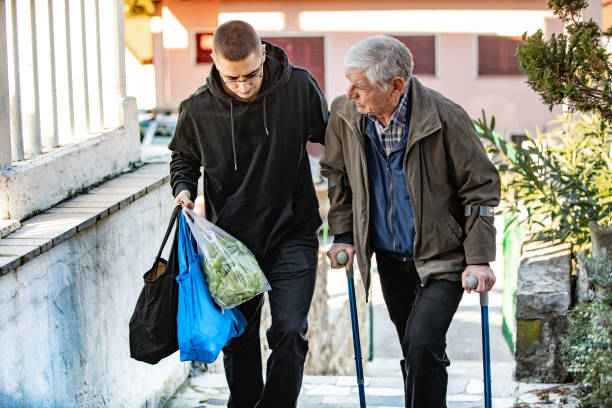
The Glymphatic System: The Brain’s Nightly Car Wash
Consider the glymphatic system as the brain’s nightly dishwasher.
The whole day your brain became very busy thinking and doing work; this creates a little biological trash. In the rest of the body, your blood and fluid carry trash away easily, but the brain remains stuck because it needs its own cleaning process.
Once you go to sleep, your brain cells shrink, which creates 60% more space between them. The fluid known as CAF rushes into new gaps and works like water in a dishwasher, resulting in the removal of toxic proteins that are trash and have a direct link to Alzheimer’s; that’s why getting proper sleep in old age is recommended by many doctors.
To get peaceful sleep, you can set a timer in the morning. When you see morning light, your brain exactly knows what time it is. The set alarm helps your brain to release hormones that lead to deep sleep.
Eat Better, Not More: Solving the Senior Nutrition Puzzle
In older age, the metabolism becomes slow, so the need for calories decreases; however, our nutritional requirements in the body remain the same or increase in some cases. This creates the nutrient-density paradox. Here is a simple breakdown of the building materials you need:
1. The Protein Rule: Upgrading Your Building Blocks
As people age, the body doesn’t have the capacity to keep muscle good. So the need for required protein increases.
A senior person should eat more protein items like chicken breast, turkey, salmon, shrimp, eggs, and dairy products like Greek yogurt, cottage cheese, and Parmesan.
2. The Must-Have Vitamins and Minerals
Like protein, vitamins and minerals are also important nutrients for the body, as they act as a specialized maintenance crew.
Importance of vitamin B12: In old age the stomach isn’t that capable of producing more acid, which leads to difficulty in absorbing B12 from food. If you don’t get the required B12, it results in symptoms like confusion or forgetting, similar to dementia, but are actually just a vitamin shortage.
Importance of D3 + K2 (The Bone Team): Think of D3 as a picker of calcium and K2 as the tracker that makes sure your bones get the calcium because, without K2, the calcium stays in arteries.
Importance of Magnesium: This mineral is involved in doing 300 jobs in your body. It is helpful for relaxing your muscles and helping you get better sleep.
| Nutrient | The Core Role (The “Maintenance Crew”) | Why It Matters in Older Age | Signs of Shortage or Risk |
|---|---|---|---|
| Vitamin B12 | Supports brain health and nerve function. | The aging stomach produces less acid, making it very difficult to absorb B12 naturally from food. | Can cause confusion and memory lapses that are often mistaken for dementia. |
| Vitamin D3 + K2 (The Bone Team) | D3 absorbs calcium into the body, while K2 acts as the tracker to guide that calcium directly into the bones. | Without K2, calcium can get lost and build up dangerously inside your arteries instead of strengthening your skeleton. | Weakened bones and increased risk of arterial calcification. |
| Magnesium | A heavy-lifting mineral responsible for managing over 300 essential jobs inside the body. | It plays a direct role in relaxing tense muscles, calming the nervous system, and improving sleep quality. | Muscle cramps, poor sleep quality, and general body fatigue. |
Protecting Your Heart: Managing the Hidden Risks of High Blood Pressure and Cholesterol
The two main problems that occur in old age include heart disease and stroke. Overcoming these needs something more than just low salt.
Arteries get stiff with age, so to combat this, you need to consume food items that are high in nitrates, like beets and leafy greens, as they help in boosting nitric oxide, a vasodilator that keeps arteries flexible.
For your heart, you need to do a specific exercise called “zone 2 cardio.” This can make your cells better at processing energy and clearing lactate.

Finding Your Balance: The Role of Hormones in Senior Energy and Health
Many people often ignore the importance of hormonal health. Another effect of aging is insulin resistance, even if it takes place in non-diabetics. So, to overcome this issue, you need to prioritize healthy eating, like eating fiber- and protein-based food items before carbohydrates, as it will reduce the post-meal glucose spike by up to 75%.
Seniors also face subclinical hypothyroidism, like fatigue, cold intolerance, and thinning hair. Ensure your blood work includes TSH, free T3, and free T4, rather than just a basic screening.
Managing Your Meds: How to Safely Handle Multiple Prescriptions
A serious common problem among seniors that is just caused by the interaction of certain medication negativities is known as “polypharmacy.” This issue occurs when a medicine you take causes side effects, and then a doctor treats it with another medicine that leads to another effect.
To avoid such issues, always request a medication therapy management review from your pharmacist. Ask if the medicine the doctor gives is from the list of beers’ criteria, which isn’t suitable for old people.
Senior Medication Management Checklist
| Action Step | Daily Routine & Strategy | Safety Benefit |
|---|---|---|
| 1. The Master List | Keep an updated, written list of all prescriptions, dosages, and what they are for in your wallet or on the fridge. | Prevents dangerous double-dosing and serves as a vital lifesaver during emergency medical situations. |
| 2. Smart Sorting | Use a clear, color-coded weekly pill organizer (AM/PM slots) and fill it on the exact same day each week. | Eliminates the daily guesswork and makes it immediately obvious if a dose was missed. |
| 3. One Pharmacy Rule | Fill every single prescription at the exact same pharmacy location. | Allows the pharmacist’s computer system to automatically flag dangerous drug interactions before you take them. |
| 4. Med Review | Bring your entire pill organizer and all medicine bottles to your primary doctor at least once a year. | Helps identify “expired” prescriptions you might no longer need to take, reducing pill burden. |
| 5. Storage Safety | Store all medications in a cool, dry, high up place—never in a humid bathroom cabinet. | Protects the chemical strength of your pills from heat damage and keeps them safely out of reach of grandchildren. |
Hearing, Vision, and the Brain: Why Staying Sharp Helps Prevent Dementia
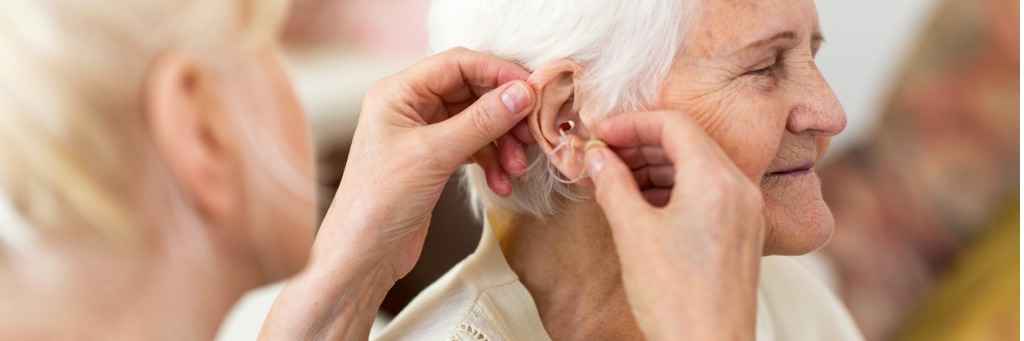
People don’t understand, but there is a direct link between untreated hearing and vision loss and cognitive decline. In old age when you can’t hear or see properly, the brain has to work hard just to understand what’s going on around you. This leads to less power for memory, thinking, and solving problems, so it is important to keep your ears and eyes sharp.
- Hearing Aids Are Like a Brain Boost: The modern hearing aid isn’t just helping you to hear better; in fact, they make sound clearer so your brain doesn’t have to work hard to understand it.
- Hidden Vision Thieves: In old age people face eye problems like glaucoma or macular degeneration. There are no symptoms of it at first; however, with time you may notice seeing things blur instead of clearly, so it is important to go for an eye checkup at least once a year.
The Power of Connection: Why Your Social Circle is Key to Mental Health
If you stay alone and don’t get socialized, it leads to an increase in cortisol levels, which results in systemic inflammation.
Importance of being social: A senior should go for social gatherings with the people who understand their past and everything about their life or younger individuals who provide generativity.
According to many studies, seniors who volunteer in social events have low blood pressure and live a better, longer life than those who stay alone.
Geriatric Depression: Depression in seniors isn’t always sadness; in fact, it is more like unexplained physical pain, increased irritability, or apathy. These symptoms are related to mental health, so if you are facing it even at a young age, go for treatment first.

Creating a Fall-Proof Home: Simple Changes for a Safer Living Space
The aged eyes need more light to see clearly as compared to young ones. If you have seniors around, make sure to install motion-sensor LED strips under the bed or inside near the room door so when they go to the bathroom overnight, they can see the stairs properly.
Many seniors fall or face injuries in the bathroom, so make sure there is a grab bar for them so they can stand or sit with its help. Make sure the bathroom isn’t made from slippery coating tiles or even a tub.
The Preventative Screening Checklist
| Category | Screening Type | Frequency |
|---|---|---|
| Metabolic | HbA1c (Blood Sugar) | Annually |
| Bone | DEXA Scan | Every 2 years |
| Cardio | Lipid Profile & Lp(a) | Annually |
| Vision | Dilated Eye Exam | Annually |
| Cancer | Colonoscopy/Cologuard | As directed |
| Immune | Shingles/Prevnar Vaccines | As boosted |
The Simple Tech Guide: Modern Gadgets That Make Senior Living Better
We are living in a world where medical technology is getting improved day by day. The biggest advantage is seniors can now monitor their health in real time.
- Wearable ECGs: There are many devices on the market, like the Apple Watch or KardiaMobile, that can detect Atrial Fibrillation (AFib), which is considered a major cause of stroke.
- Continuous Glucose Monitors (CGMs): These provide you knowledge about certain foods, like how they affect energy level or inflammation.
- Smart Pill Boxes: Pill boxes have different small boxes, and you can mark them with time and days so you won’t forget to take pills or accidentally consume a double dose.
From Smile to Stomach: Why Dental and Digestive Health Go Hand-in-Hand
Like brain health, gut health is also important for seniors. As we know, for better gut health, we need a healthy microbiome, as it prevents leaky gut, which leads to inflammation. Many seniors face inflammation issues. To avoid it, a senior must eat fiber and fermented food items like kefir, sauerkraut, or kimchi, as they help in regulating bowel movement and feed the beneficial bacteria.
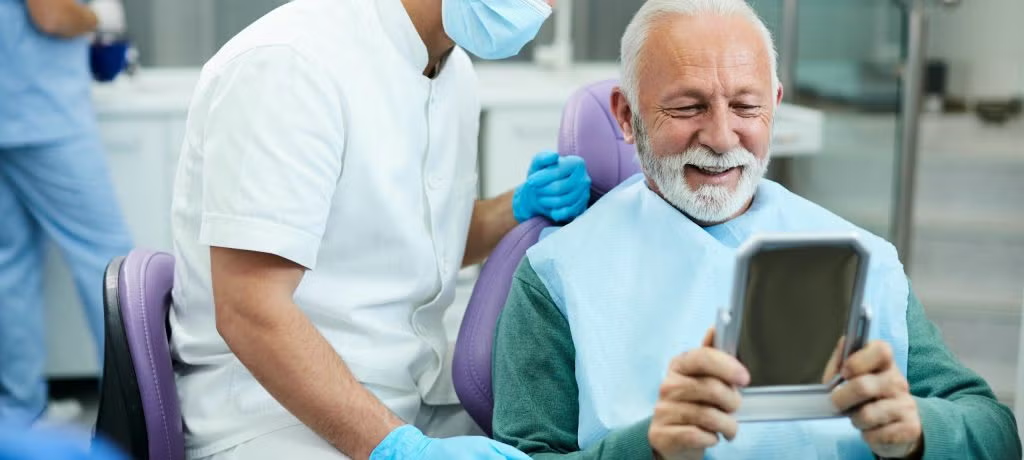
Most people think brushing and flossing are just for a white smile, but in reality, they’re saving your heart. When you have gum disease, the gums leak; at that time, dangerous bacteria can easily go from your mouth into bloodstreams. Later, this bacteria goes to the heart directly, where they build plaque in arteries, leading to clogs. In order to stop bacteria from going anywhere, it is advisable to do flossing daily. Go for a dental cleaning procedure at least two times a year.
Financial Peace: Simple Ways to Reduce Stress and Secure Your Future
Consider stress a slow-burning fire that damages the body over time. When you experience constant stress, your body releases a chemical called “cortisol.” If you deal with stress daily for long periods, it can eat away at your muscles and leave your brain feeling foggy. For many seniors, the main causes of this stress are money and the future.
To stay away from stress, the first thing you need to do is get legal paperwork done with the help of someone so you won’t get stressed over power-of-attorney decisions.
Protect your money from digital scams like phishing (fake emails) and AI-voice scams, as these problems cause more stress as compared to financial ones.
The New Science of Aging: How Cellular Repair is Changing Longevity
Here are three big ideas coming in the future:
- Senolytics (The Zombie Cell Cleaners): When a person grows old, some cells in the body stop working; however, they don’t die. They stay in the body because of inflammation; science gives it the name “zombie cells.” Senolytics are new treatments made to clear these zombie cells so the body stays clean.
- NAD+ Boosters (The DNA Repair Crew): As we grow old, our NAD (fuel) gets low. Scientists are testing supplements (like NMN) to refill the tank; your cells can repair their own DNA, keeping you younger at a cellular level.
- Autophagy (The Trash Collector): It’s a natural way your body recycles the junk. When you do heavy exercises or go for intermittent fasting, the body starts craving more energy and starts eating the old, broken parts of your cells to make new ones. It’s like a built-in recycling center.
Summary: The Roadmap to 100
Combatting the health problems in old age is like fighting a multi-dimensional battle. You can’t do any exercise according to the way you want while having a poor diet. You can’t eat the way you want to eat.
The Key Takeaways:
- You need to build muscle to protect your bones.
- Learn new things to protect your mind.
- Regularly review medications and home safety.
- Stay socially engaged to lower inflammation.
- Use a smartwatch, etc., to catch problems before they become crises.
Aging is a natural part of life; however, making it the best and easiest one is in our hands. By taking these steps as discussed in the post, you can easily live a healthy life longer. Don’t wait for a diagnosis to start living like a super-ager. Start today.
Frequently Asked Questions (FAQs)
1. What is the best type of exercise for seniors to prevent falls?
The best exercises for seniors include resistance training and balance exercises; these help in muscle building. Resistance training strengthens the back and glutes, which is important for stability.
2. How much protein do seniors really need?
According to experts, a senior should consume 1.2g to 1.5g of protein per kilogram. This is higher than the standard RDA; however, in old age, the body needs more protein.
3. Can cognitive decline be reversed?
Neurodegenerative diseases like Alzheimer’s currently have no cure, but they can be handled by just overcoming issues like vitamin B12 deficiency, chronic dehydration, and untreated hearing loss.
4. How does social isolation affect physical health?
Social isolation can trigger anxiety and stress in the body, leading to cortisol and causing systemic inflammation. According to the research, loneliness in old age has the same impact as smoking 15 cigarettes in a single day.
5. What are the most important health screenings for those over 65?
Key screenings include a DEXA scan for bone density, annual audiograms for hearing, dilated eye exams for glaucoma/macular degeneration, and regular blood work for HbA1c and lipid profiles.
6. Is intermittent fasting safe for seniors?
A long intermittent fast isn’t recommended for elders, as it can lead to dangerous muscle wasting (sarcopenia) and nutrient deficiencies.
7. What is the number? What’s one of the most effective changes a senior can make?
Doing strength training has been the most effective thing a senior can do, and it helps in maintaining independence, bone health, and metabolic stability as we age.1. What is the best type of exercise for seniors to prevent falls?
The best exercises for seniors include resistance training and balance exercises; these help in muscle building. Resistance training strengthens the back and glutes, which is important for stability.
2. How much protein do seniors really need?
According to experts, a senior should consume 1.2g to 1.5g of protein per kilogram. This is higher than the standard RDA; however, in old age, the body needs more protein.
3. Can cognitive decline be reversed?
Neurodegenerative diseases like Alzheimer’s currently have no cure, but they can be handled by just overcoming issues like vitamin B12 deficiency, chronic dehydration, and untreated hearing loss.
4. How does social isolation affect physical health?
Social isolation can trigger anxiety and stress in the body, leading to cortisol and causing systemic inflammation. According to the research, loneliness in old age has the same impact as smoking 15 cigarettes in a single day.
5. What are the most important health screenings for those over 65?
Key screenings include a DEXA scan for bone density, annual audiograms for hearing, dilated eye exams for glaucoma/macular degeneration, and regular blood work for HbA1c and lipid profiles.
6. Is intermittent fasting safe for seniors?
A long intermittent fast isn’t recommended for elders, as it can lead to dangerous muscle wasting (sarcopenia) and nutrient deficiencies.
7. What is the number? What’s one of the most effective changes a senior can make?
Doing strength training has been the most effective thing a senior can do, and it helps in maintaining independence, bone health, and metabolic stability as we age.
Sources & Expert References
- Muscle & Bone Health: National Institutes of Health (NIH) – Sarcopenia and Strength Training
- Bone Density Myths: Mayo Clinic – Osteoporosis Prevention and Impact
- The Brain’s “Dishwasher”: Science Magazine – The Glymphatic System Research
- Building Brain Power: Harvard Health – How to Build Cognitive Reserve
- Protein for Seniors: The Journal of Nutrition – Protein Needs in Aging
- Safe Medication Guidelines: American Geriatrics Society – Beers Criteria for Older Adults
- Fall Prevention Science: CDC – STEADI (Stopping Elderly Accidents, Deaths & Injuries)
- Social Connection & Health: U.S. Surgeon General – Loneliness and Mortality Advisory
- Vitamin B12 & The Brain: Cleveland Clinic – Vitamin B12 Deficiency and Cognitive Function
