
Growing old is a significant chapter in life where wisdom flourishes. It is also a time to engage in various activities, as not everyone ages while working; many individuals enjoy retirement. Staying active contributes to a healthier and more fulfilling journey.
When we search about activities for seniors on the internet, we just find repeated things like watching TV or playing bingo, but according to modern gerontology, the quality of engagement matters the same as the quantity.
To truly support the health of our elders, we must look at all activity options that have mobility levels, cognitive needs, and personal passions.
In this guide we discuss all 50 activities for elderly that are categorized to help you find the perfect fit for any situation.
Physical Vitality: Keeping the Body in Motion
Physical activity is an important part of life; it’s recommended not only at a young age but also in old age. However, at a young age, we do to stay in shape, but in old age, the goal isn’t intensity but consistency and safety.
Chair Yoga: It is highly recommended for old people because it improves flexibility and blood flow without any risk of falling. You can do it while seated.
Water Aerobics: The buoyancy of water supports 90% of body weight. This activity works best for the people who have joint and arthritis pain.
Resistance Band Training: The training involves the use of elastic bands, which helps in maintaining muscle tone and bone density, which are important for metabolic health.
Tai Chi (Moving Meditation): It is an ancient practice; people have been doing it for ages, but now it is scientifically proven that it helps in improving balance and decreasing the risk of falling in the elderly.
Nordic Walking: It includes using specific poles on the upper part of the body and provides four points of contact with maximum stability.

Cognitive Sharpness: The Brain Gym
Like physical health, mental sharpness is also important in the elderly, as it helps in building cognitive reserve, which can reduce the risk of memory loss symptoms.
Strategy Board Games: To keep the mind sharp in old age, many people play mind-using games like chess, mahjong, or bridge, as they require high-level planning, focus, and pattern recognition.
Memory Trays: Another game that is quite simple and easily played at home is memory tray. It includes just trying to have 10-15 objects covered with a cloth so all a person needs to do is touch and recognize the objects.
Foreign Language Basics: It is not like learning a whole paragraph or speeches in a day, but you can start by learning a few words or phrases in a day, as it helps in making new neural pathways.
Cryptic Crosswords: These go beyond simple definitions, requiring lateral thinking and logic.
Brain Training Apps: Technology is so advanced there are some apps now that train the brain, like Lumosity or Elevate. Turning cognitive exercises into trackable daily habits leads to better memory and focus.

The Digital Frontier: Modern Connection
In old days technology wasn’t much; however, today it has become a powerful bridge to the outside world, especially for old people who don’t go out every day.
VR Travel: One of the most advanced tools an elder can use is this VR headset to walk in the streets of Paris or visit their childhood home just by sitting on a chair at home via Google Earth VR.
Digital Legacy Building: Another activity an elder can do by staying at home is recording life stories and family history using smartphone apps to create a digital legacy for the coming generation.
Wii/Switch Sports: Old people can do digital bowling and tennis at home; this will keep them social and active.
Online University Courses: Join classes that are based on senior learning at platforms like Coursera or MasterClass.
Podcast Socializing: Listen to the historical tapes or science podcast and then talk about it in your listening club.

Sensory & Creative Arts: Expression and Dexterity
Besides activities based on mental and physical, creativity provides an emotional outlet and keeps fine motor skills sharp.
Watercolor Landscapes: It is known as a wet-to-wet method on which you just paint on wet paper; the colors blend naturally. It is a very relaxing, focused, and creative activity best for elders who don’t have any painting background.
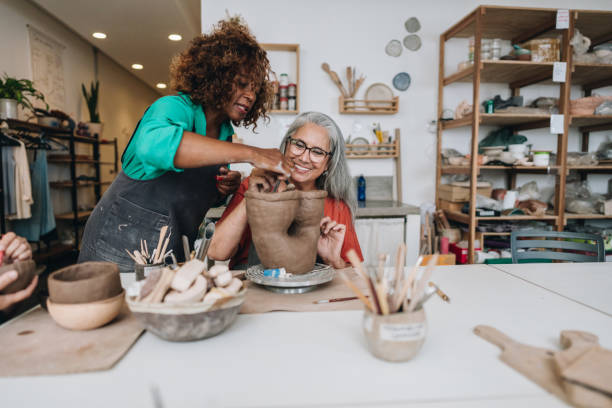
Pottery & Clay Work: Another playful yet creative activity in which you just mold clay, as it helps strengthen your grip and keeps your finger joints flexible.
Adult Coloring 2.0: This isn’t just about painting a simple sketch; in fact, it is based on complex geometric patterns to bring out your creativity best for elders who are experienced in painting.
Knitting for Charity: Some activities aren’t just for creativity; they can also be used for charity, like you can make different hats or scarves for newborn babies and give them to any NGO.
Scrapbooking: This activity involves using your hands to arrange cherished photos into a beautiful and memorable book, which you can then share with your family.
Nature & The Great Outdoors: The Fresh Air Cure
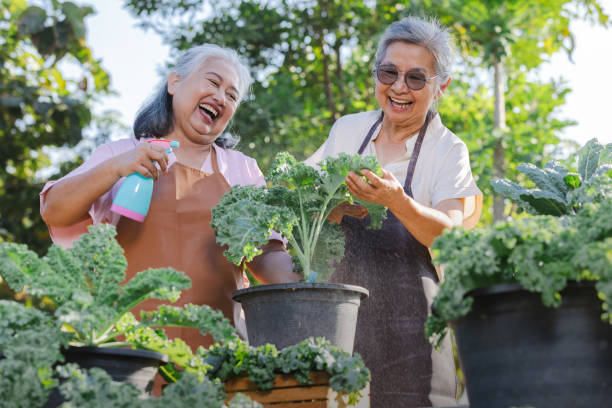
Some elders find peace when connecting with nature; it helps in lowering cortisol levels and improving mood.
Raised-bed gardening: The best activity in old age, especially if you have back issues. Just do gardening at waist height, as it removes the need of bending or kneeling. You can start by
Backyard Birding: Using Binoculars and the Merlin Bird ID App To recognize local species.
See the journey: Try butterfly rearing, where you can watch the whole journey of how a caterpillar turns into a butterfly in a safe habitat.
Plant photography: If you are someone who has creative eyes and loves photography, then do capture textures of leaves and flowers. Lastly, if you are into sketching, then make a sketch about plants around you.
Social Connection: Defeating Isolation
Social isolation brings anxiety and loneliness among many elders; however, adding these activities in daily life can reduce such health risks.
Virtual Storytime: To avoid loneliness, you can divert your mind by just reading books to grandchildren or in local library groups via video call.
Intergenerational Book Clubs: You can also join book clubs where teens and seniors read the same book and share different thinking about it.
Letter Writing: You can write notes and give them to friends and family on any occasion, like people did in past years.
Board Game Tournaments: If you’re into sports, then you can simply organize small, competitive rounds of Rummy or Scrabble at local community places.

Musical & Rhythmic Therapy: Healing Through Sound
Music is something that everyone loves and the last thing anyone forgets. Here are some best activities for seniors.
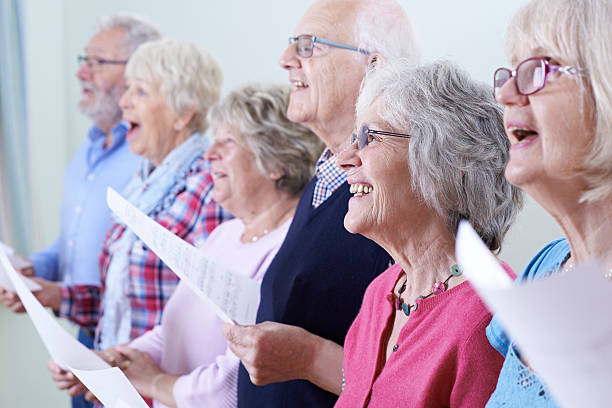
Group Singing/Choir: You can join singing groups, as this activity improves lung capacity and releases endorphins. Best for getting social too.
Reminiscence Playlists: You can make a playlist of songs that are a part of your memory from when you were a child or that you loved when you were an adult, and listening to this provides peace, memory recognition, and mind diversion.
The harmonica: An easy-to-learn instrument that doubles as a respiratory exercise.
Seated Dancing: You can daily listen to your favorite music and slightly move in a chair; this will give movement to your body.
Ukulele Lessons: Instead of traditional guitar, you can use a four-string instrument, as it is easy to use for the elderly.
Culinary & Household Engagement: The Joy of Home
We might think household tasks are just a part of life, but they can also be high-utility activities for elderly individuals who love the domestic arts.
No-Bake Recipe Challenges: You can make a small gathering at a group where everyone can make a dessert without the need for baking, like making gourmet truffles or parfaits.
Herb Windowsill Garden: You can grow fresh basil or mint in a garden for a sensory experience.
Bread Kneading: This activity is considered a natural outlet for stress.
Blind Flavor Testing: You can do this activity with friends and family, but get a blindfold and eat different food items, then recognize them.
Tea Blending: You can do experiments by mixing loose-leaf teas and dried flowers; this way, you create a house blend.

Purpose-Driven Volunteering: Giving Back
If you find yourself needy, then don’t worry; it happens in old age. You can go for the following activities, as they reduce the need for people and improve mental health.
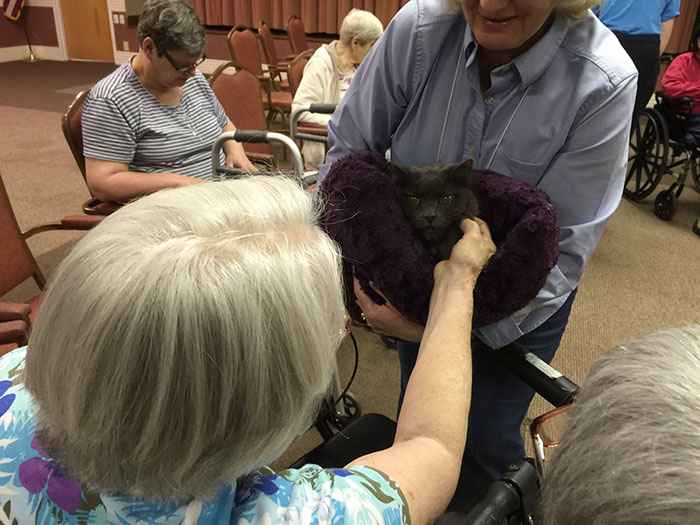
Shelter Pet Socializing: You can visit local animal shelters once a week and spend time with cats and dogs.
Card Making for Hospitals: To make yourself busy, you can also make handmade get well soon cards for local pediatric or oncology wards.
Community Mentorship: Share your professional experiences with younger people by using technology, like going live on social platforms, as many seniors are doing it nowadays.
Seed Saving: You can take part in activities like packaging seeds for the next season. Many local garden communities are doing this.
Genealogy Research: Documenting a family tree to leave a clear lineage for the next century.
Relaxation & Mindfulness: The Power of Stillness
Not every activity needs to be active. Quiet reflection is just as valuable.
Guided Meditation: It’s the best activity for anxiety and better sleep; you just need to use simple breathwork.
Aromatherapy Exploration: Learn how different aromas can impact daily life, like using lavender to sleep and citrus for energy.
Audiobook Immersion: Enjoying epic stories without the eye strain of physical books.
Cloud Watching: A slow-paced outdoor activity that encourages imagination and calm.
Museum Live Streams: Taking a quiet, digital stroll through the world’s greatest art galleries.

The Neurobiology of Play: Why Engagement Matters
After looking at all 50 activities for seniors, the next thing is to understand why they are important for both caregivers and health professionals.
According to the recent studies in neuroplasticity, age isn’t something that stops the brain from doing anything; in fact, the brain remains capable of making new neural connections in the tenth decade of life.
When an individual takes part in complex activities for elderly minds, like learning something new or playing a strategy game, they are building cognitive reserve. It allows the brain to reroute functions, leading to better daily performance for much longer.
When you do a physical activity or laughter in a gathering, the brain releases endorphins and dopamine. In seniors, these neurochemicals not only enhance mood but also reduce systemic inflammation. In old age, people face chronic inflammation that leads to heart disease and diabetes. By choosing active hobbies, they are essentially self-prescribing a natural anti-inflammatory.
The Caregiver’s Playbook: Overcoming Resistance
The most significant challenge when introducing activities for seniors is their tendency to refuse participation. It is very common for seniors to feel confused or not sure when starting something at that age.
Strategy 1: The Help Me Approach
Seniors love being a mentor instead of someone who needs another person. If you want to take your parent or grandparent to a painting class, then instead of saying, “You should try this,” say, “I want to join a class, but I’m nervous to go alone.” Can you join me? “They won’t reject it then.
Strategy 2: The 10-Minute Rule
Encourage your loved one to try one of these activities for the elderly and just do it for 10 minutes; if they don’t like it, they can stop after the provided time. This trick will work because usually when a senior person gets involved in such activities, they continue them without looking at time.
Strategy 3: Routine Integration
Don’t treat activities as an occasional thing; you can choose to do them randomly on any day. For example, mark every Tuesday as a tea-blending activity day or every Monday as bird watching.
Safety First: Assessing Physical Limits
Before choosing any activity, it is important to perform a safety audit to make sure the senior can handle the activity.
For a standing activity, make sure there are chairs or grab bars close to the place.
Many people face difficulty while doing activities like crafts or reading because the lights are poor. Be sure to add high-lumen, flicker-free LED lamps in the activity place.
Seniors face dehydration more than young people, so make sure there is always a water bottle around them.
Activity Quick-Start Kits
Here is an exact supply list for the most popular hobbies.
The Memory Lane Scrapbook Kit:
- One photo album (acid-free).
- Double-sided archival tape; avoid glue
- Fine-liner pens in dark colors, black and deep blue.
The “Windowsill Chef” Kit
- 3 small terracotta pots.
- Organic potting soil.
- Seedlings of mint, basil, and rosemary.
- A long-spouted watering can for easy reaching.
The Digital Explorer Kit
To be involved in modern technology, a senior does not always want an expensive gadget. However, they do need a friendly interface.
You can give them a tablet with a 10-inch screen. Make sure it isn’t heavy so a senior won’t have to hold the weight.
You can give them a stylus pen, as in old age, the fingers can be shaky. The pen provides better precision for digital art or games.
The Artisan’s Studio Kit
Artistic activities for elderly creators should focus on high contrast and low mess.
Use foam tubes, as they are easy on paintbrushes and pencils.
For painting, always give seniors a small tabletop easel so their necks won’t face any pain.
Avoid oil paints, as they can’t be easily removed from hands.
The Botanical & Birding Kit
Go for lightweight 8×21-inch binocular models, as they are easy and don’t stress the neck.
Instead of straight sticks, use ergonomic trowels.
Avoid thick books; use a waterproof sheet of local birds or plants, as it is more durable.
The Balanced Life Monthly Planner
A common mistake seniors make is going for many activities at one time instead of one at a time. To avoid this issue, you need a monthly engagement planner as follows:
Week 1: Focus on New Foundations
- Monday: Start with a new language app for 10 minutes.
- Wednesday: Start a 500-piece jigsaw puzzle on a comfortable table.
- Friday: Record a 5-minute story about your childhood memory.
Week 2: Focus on Physical Flow
- Tuesday: Do chair yoga for 15 minutes.
- Thursday: Go for a nature walk (even if it’s just to the end of the driveway and back) to bird-watch.
- Saturday: Do seated ballroom dance by listening to your favorite song.
Week 3: Focus on Social Vitality
- Monday: Write one physical letter and mail it to a relative.
- Wednesday: Video call any grandchild or younger family member.
- Friday: Visit a local community center or library.
Week 4: Focus on Creative Legacy
- Tuesday: Bake a simple bread or a no-bake dessert.
- Thursday: Do charity crafting, like making cards for patients or hats for children.
- Saturday: Host a small family gathering and share your creative month experience with them.
Implementation: How to Use This Guide
When you introduce these 50 activities to seniors and they choose one, just keep in mind the activity is only for their joy, not for completion. When a senior starts doing a puzzle activity for 10 minutes and then doesn’t want to continue, don’t force them.
If you are someone who is taking care of elders in an old house, then document these activities and divide days for them with a progress section, like who did the most eye contact, laughter, and verbal engagement.
Final Resource Checklist
Before you begin, ensure you have:
- Consulted a Physician: Before introducing physical activities, always consult the physician.
- Checked the lighting: If a senior is doing an activity that needs eye focus, like reading, ensure the activity area is bright enough to prevent eye strain.
- Removed Trip Hazards: Ensure the activity zone is clear of rugs or cords.
- Set a timer: Sometimes seniors spend hours in a single activity, so be sure to set a timer for 10- or 20-minute intervals.
Medical Disclaimer: The content on OrangeParenting is for informational purposes only and is not a substitute for professional medical advice. Always consult a doctor before starting new activities for seniors or changing a care routine.
Frequently Ask Questions by People: Activities for Elderly
Q: What are the best activities for seniors with very limited mobility?
The best activities for seniors with limited mobility include audiobooks, virtual museum tours, aromatherapy, and memory trays.
Q: How do we find local activities for elderly residents on a budget?
Go to the nearest and local libraries, as they do offer Knit and Natter groups, book clubs, and tech-literacy classes. The second place you can go is museums; they offer senior days where they organize many senior activities.
Q: Can these activities help with depression?
Yes, but don’t consider it as a replacement for clinical treatment. Activities like volunteering or pet socializing provide you a reason to get up and go outside.
Conclusion: A New Chapter of Aging
Many people believe that aging signifies the end of life; however, this is not accurate. Aging is a transition into a different kind of winding up. By suggesting these 50 activities for seniors, we emphasize that human life does not have an expiration date. Whether it’s the use of a VR headset or an activity in the garden, there is always room for learning new things.
Just choose the right activity for your loved ones. Let them start with it; keep them consistent and engaged, and you will surely see a positive shift in their nature.
