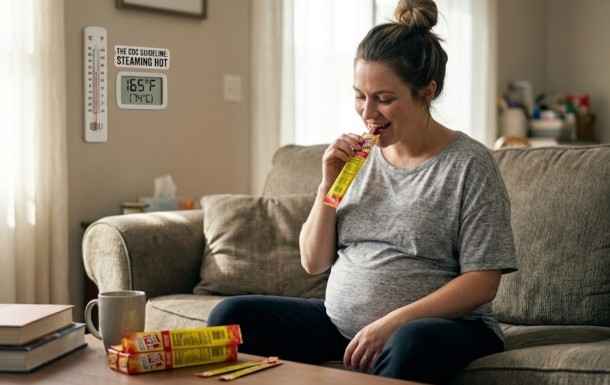
In short, consuming Slim Jims during pregnancy is not advisable. According to health authorities like the CDC and FDA, classifying Slim Jims as “ready-to-eat” fermented meats leads to the risk of bacteria called Listeria. If you still want to eat it, then make sure to heat Slim Jims at a hot temperature of 165°F, as it will kill all the bacteria and make the snack safe to consume.
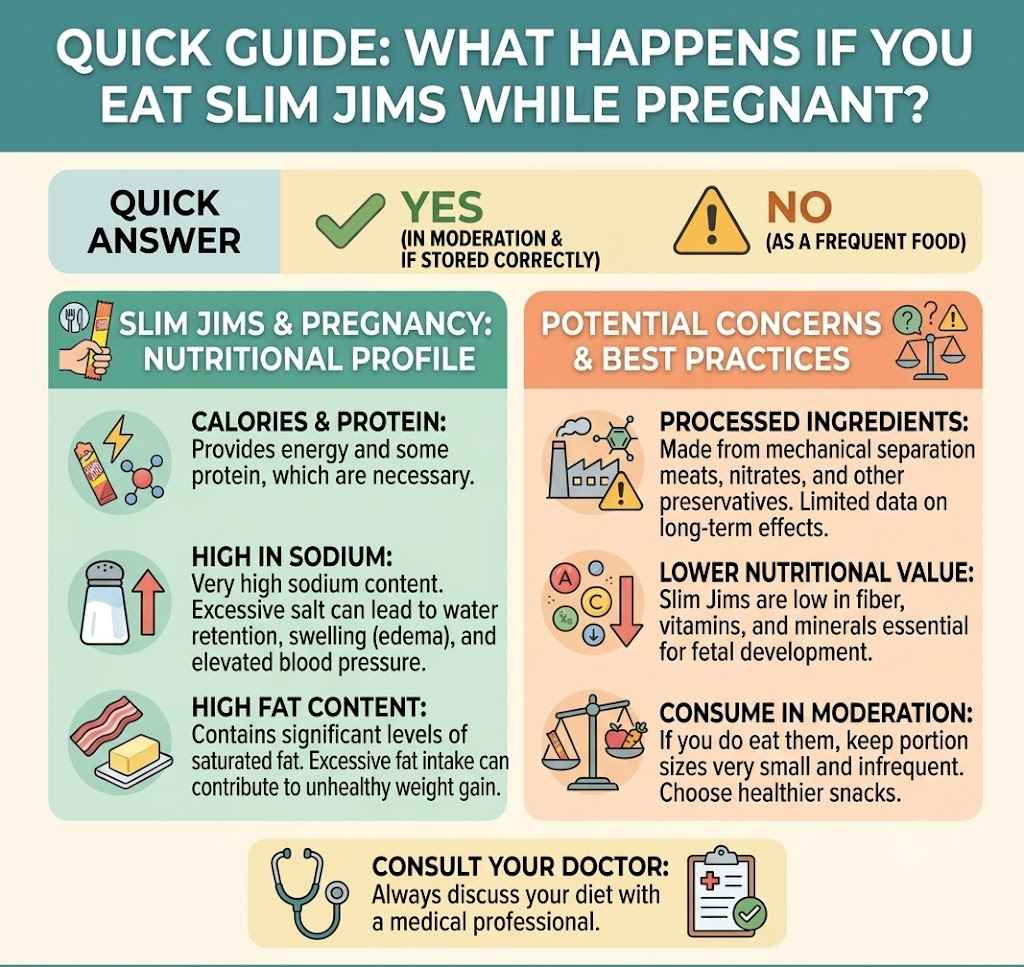
Pregnancy is a beautiful yet challenging journey as the transformation takes place, and every dietary choice feels magnified. One of the most common phases every woman faces is salty cravings. The main reason behind it is that in pregnancy the blood volume increases by nearly 50%, so your body wants more salt to maintain fluid balance. This leads to sodium snack cravings, like the red-and-yellow packaging of a meat stick that is Slim Jim. Before you consume them, you need to understand what happens if you eat Slim Jims while pregnant.
In this guide we will look in detail at what Slim Jims are made of. How to eat them, what happens if you eat Slim Jims, and what healthcare providers say, so let’s start.
What Exactly Are Slim Jims?
To understand the risk, we need to look at Slim Jims beyond marketing. Slim Jims aren’t just a dried meat; in fact, they are a highly engineered, shelf-stable, fermented meat product.
The main ingredients used in it are beef, pork, and mechanically separated chicken. “Mechanically separated chicken” means a product that is made by combining bones with attached edible tissue in a sieve device under high pressure. This process increases the surface area of the meat, which is beneficial for production. However, it also creates an environment that can attract bacteria if not handled with precision.
Slim Jims aren’t made like a piece of roasted chicken or steak. They are made by mixing meat, salt, spices, and sodium nitrite. They undergo a fermentation process where lactic acid is used, which gives sticks a tangy flavor and firm texture. Lastly, they are smoked and dried, as they don’t need refrigeration. The preservatives used in Slim Jims are unsafe for pregnant women.
What Happens If You Eat Slim Jims While Pregnant?
Slim Jims don’t have any mild effects on non-pregnant women; however, when you eat them in pregnancy, the body undergoes a series of rapid physiological responses. The main reason behind it is I’m pregnant; your body is in a state of “controlled immunosuppression.” “Your immune system dials itself down so that it doesn’t view the fetus as a foreign invader.
The Physiological Chain Reaction
- Osmotic Shift: Consuming Slim Jims in excessive amounts, particularly if your sodium intake exceeds 500 mg, can push water from your cells into your blood vessels. This elevated sodium level can lead to high blood pressure (hypertension), which may result in swelling in your feet and hands.
- Placental Exposure: Slim Jims contain nitrates and preservatives that go through the placental barrier.
- Digestive Strain: In pregnancy, progesterone slows down the smooth muscles that help digestion, so when you eat a food item that is high in fats and spices, it leads to acid reflux.
Risks of Eating Slim Jims while Pregnant: The Science
According to the medical community and food authorities, processed meat comes with many treats as follows:
1. Listeria
The most common concern among pregnant women while eating Slim Jims is the risk of Listeria monocytogenes. This bacterium is different because it can grow at room temperature too and can easily exist in salty and fermented environments. It can even cross the placenta. Listeria can cause infection in fetuses, premature labor, or neonatal sepsis.
2. High Sodium Content
Salt is important for the body, but high intake of salt leads to risk. Slim Jims are high in sodium. A single “Giant” stick contains 25% of your daily allowance.
- Edema: In pregnancy, an excessive amount of salt can lead to swelling in feet and ankles.
- Preeclampsia Risks: While salt doesn’t cause preeclampsia, controlling blood pressure can be difficult in pregnancy.
3. Sodium Nitrates and Nitrites
These chemicals are used to keep the meat color pink and prevent botulism.
However, when nitrites go in the stomach, they form nitrosamines. The high exposure to nitrate during pregnancy can lead to a risk of pediatric health issues.
4. Limited Nutritional Value
When you are pregnant, everything you eat counts and matters, especially if we talk about calories. A Slim Jim provides empty calories, which are full of high fat and salt with zero folate, vitamin C, or calcium.
| Risk Factor | The Science | Pregnancy Impact | Safety Verdict |
|---|---|---|---|
| Listeria monocytogenes | Foodborne bacteria that can survive and multiply on processed, packaged meats. | Can cross the placenta, leading to severe complications like miscarriage, stillbirth, or premature delivery. |
HIGH RISK (Unless steaming hot)
|
| Sodium Nitrites | Chemical preservatives used to cure meat, fix color, and prevent bacterial growth. | High intake can restrict fetal oxygen levels and has been studied for long-term metabolic impacts. |
AVOID REPEATED USE
|
| Extreme Sodium | A single stick contains a massive percentage of the daily recommended salt limit. | Worsens typical pregnancy swelling (edema) and can dangerously elevate gestational blood pressure. |
LIMIT STRICTLY
|
| Toxoplasma gondii | A parasite found in raw, undercooked, or improperly cured meat products. | Can lead to congenital toxoplasmosis, potentially causing neurological complications for the developing baby. |
RISK OF INFECTION
|
What Are the Possible Side Effects of Eating Slim Jims?
Most pregnant women have some common yet uncomfortable short-term side effects in the second and third trimesters, as follows:
- Aggravated GERD: These spices in Slim Jims can cause the lower esophageal sphincter to relax, which results in heartburn.
- Sudden Bloating: Many moms-to-be notice rings feeling tight just an hour after eating Slim Jims.
- Increased Thirst: Slim Jims increase thirst, which leads to more urination and also adds pressure in the bladder.
| Potential Side Effect | The Science | Physical Impact | Dietary Verdict |
|---|---|---|---|
| Acute Water Retention | Massively high sodium load causes the body to hold onto extra fluids to maintain cellular balance. | Rapid bloating, facial puffiness, and tight-feeling fingers or ankles shortly after eating. |
TEMPORARY DISTORTION
|
| Blood Pressure Spikes | Sudden influx of salt increases blood volume, putting immediate pressure on arterial walls. | Can cause mild headaches or lightheadedness, especially for those sensitive to high-sodium foods. |
USE WITH CAUTION
|
| Gastrointestinal Distress | High amounts of processed saturated fats and dense spice blends slow down the digestive tract. | Heartburn, acid reflux, stomach heaviness, or mild bloating as the stomach works to break it down. |
DISRUPTS DIGESTION
|
| Nitrate Headaches | Curing agents like sodium nitrite dilate blood vessels in the brain for some individuals. | Dull, throbbing tension headaches that develop shortly after consuming cured meats. |
KNOWN TRIGGER FOR SOME
|
| Intense Dehydration Thirst | The kidneys pull water from body tissues to help process and flush out the excessive sodium load. | Extreme dry mouth, dry skin, or a lingering feeling of unquenchable thirst after snacking. |
DEMANDS HYDRATION
|
Already Eaten Slim Jims While Pregnant? Here’s What to Do
Slim Jims occasionally or in a low amount won’t affect it that much; however, if you eat them in an excessive amount, then first of all, don’t panic. Do the following things.
- The 24-Hour Flush: Increase water intake, like drinking 80-100 ounces of water. This will help in clearing sodium from kidneys.
- Monitor for Symptoms: If listeria enters your body while eating Slim Jims, then it will stay long and lead to fever, achiness, and a stiff neck. If you notice any symptoms from above, call your doctor immediately.
- Inform Your OB-GYN: Mention it at your next check-up just to have it on your record.
Best Alternatives to Slim Jims for Expecting Moms
There are some good alternatives that can satisfy your salt cravings, just like Slim Jims, as follows:
- Nitrate-Free “Uncured” Jerky: Always read the labels and go for the brands that use celery powder as a replacement for sodium nitrite.
- Smoked Hard-Boiled Eggs: You can eat a fully cooked egg smoked with paprika.
- Air-Fried Chickpeas: Take chickpeas and mix them with sea salt and garlic powder for a savory crunch.
- Turkey Bacon (Well-Done): Take turkey bacon and fry it until it turns crispy.
- Miso Soup: It is rich in savory flavor, but eat it in moderate amounts to manage sodium.
- Apple Slices with Almond Butter: You can also eat apple slices dipped in almond butter. Provides fiber and healthy fats to stabilize blood sugar.
Read Related article: Can You Eat Halloumi When you are pregnant? Safety & Benefits Explained
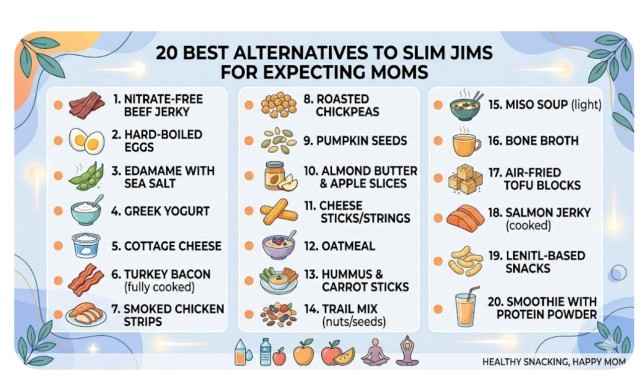
The following chart displays the top 20 alternatives that I personally preferred during my pregnancy.
What Leading Health Organizations Say About Processed Meat
When understanding the risk of snacks like Slim Jims, it is important to look at what health authorities say about it. These meat sticks are categorized under fermented and shelf-stable sausages, which have many risks during gestation.
1. The CDC (Centers for Disease Control and Prevention)
According to the Centers for Disease Control and Prevention (CDC): They have a very clear rule for pregnant women when it comes to processed meat items.
Food items that come in packages, like deli turkey, ham, hot dogs, and Slim Jims. Pregnant women should avoid such items as they aren’t fully cooked before you eat them, which leads to the risk of bacteria called Listeria.
To avoid the risk of listeria, you need to heat them at a steaming hot temperature of 165°F. At this temperature the bacteria can get killed easily.
2. ACOG (American College of Obstetricians and Gynecologists)
According to ACOG, the group that all OB-GYNs (pregnancy doctors) belong to, avoid eating ready-made processed food items like Slim Jims while you are pregnant because some germs can easily travel through your body and reach the baby, so it is better to eat freshly cooked meat than a packaged one.
3. The FDA (Food and Drug Administration)
The FDA regulates the production of Slim Jims and manages food safety recalls.
According to the FDA’s Food Safety for Moms-to-Be guide, they warn to avoid “dry sausages” (like pepperoni and meat sticks) during pregnancy because they are fermented and dry and not fully cooked.
The FDA points out that processed food items like meat sticks follow a process of fermentation. If the pH levels aren’t handled properly, it can be a safe place for bacterial survival.
4. EFSA (European Food Safety Authority)
For a global perspective, the EFSA provides critical data on the chemical preservatives found in Slim Jims.
The EFSA creates strict rules for daily intake of sodium nitrate. According to their research, the high intake of sodium nitrate can lead to the production of nitrosamines in the stomach, which leads to oxidative stress in the developing fetus in pregnancy, so it is better to avoid these additives.
Why Do Protein Cravings Happen When You’re Pregnant?
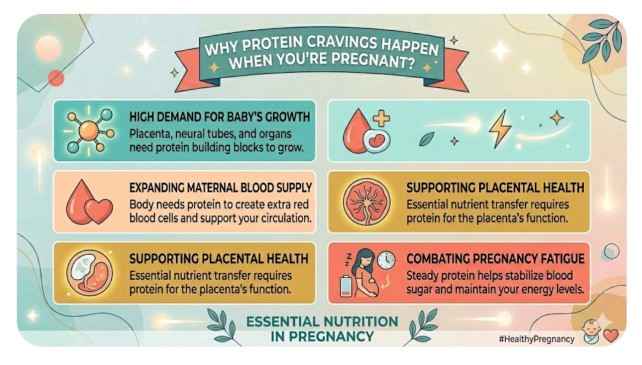
During pregnancy, your body undergoes many changes. By the end of the second trimester, your body starts needing more protein, like approximately 25 grams per day. The placenta requires constant protein to function as the baby’s life-support system. Protein is also important for neural tube and brain structure, and it creates the hemoglobin that carries oxygen to your baby.
When your body doesn’t get enough and required protein, it leads to salt cravings. This is why you find a Slim Jim a five-star meal at 10:00 PM.
Why Do People Consider Jerky a Best Choice?
Jerky has a safe reputation as compared to Slim Jims among people like pregnant women, athletes, etc. The main reason is it is traditionally lean meat that has had the water removed.
It is good for pregnant women because jerky helps in preventing sugar crashes that can lead to pregnancy fatigue. Jerky is made from beef, which provides iron and protein to the body in pregnancy.
Slim Jims vs. Healthy Jerky: A Nutritional Comparison Chart
| Nutritional Metric | Slim Jim Stick (Standard Processed) | Healthy Beef Jerky (Grass-Fed / Clean Label) | Health & Performance Impact |
|---|---|---|---|
| Primary Protein Source | Mechanically separated chicken, beef, and pork blends. | 100% Solid strip grass-fed beef, turkey, or venison. |
Whole muscle cuts offer superior amino acid quality without scrap fillers.
|
| Nitrites & Nitrates | High (Uses added Sodium Nitrite as a curing preservative). | Zero (Preserved naturally with sea salt, celery juice powder, or vinegar). |
Chemical nitrites are linked to vascular headaches and inflammation.
|
| Sodium Content | Extremely High (Heavy reliance on salt for shelf-stability and flavor). | Moderate (Lowered salt content tailored for flavor enhancement). |
Lower sodium directly reduces water retention, bloating, and blood pressure spikes.
|
| Saturated Fat & Oils | High (Contains processing fats, rendering oils, and skin fat). | Very Low (Lean muscle cuts are trimmed of excess surface fat). |
High saturated fat from scrap meats slows digestion and triggers acid reflux.
|
| Sugar & Fillers | Includes corn syrup, dextrose, and binding starches. | Minimal sugar (often raw honey, coconut aminos, or none at all). |
Clean jerky avoids unnecessary carbohydrate fillers and blood sugar spikes.
|
What a “Pregnancy-Friendly/Nitrate-Free” Jerky Serving Might Look Like
A safe serving in pregnancy isn’t just about the meat, but it’s also about the balance.
- The Meat: 1 ounce of grass-fed, “uncured” jerky.
- The Vitamin C Buffer: Pair it with half a bell pepper or an orange.
- The Hydration: A 12-ounce glass of water to help your kidneys filter the salt immediately.
Why Eating Processed Meats Can Be Dangerous During Pregnancy
Processed meat is considered a pre-handled food item. At home you take the meat, cut it properly, and then cook it immediately; however, in a factory the meat gets fermented, smoked, and then
packaged. Each stage is a “Critical Control Point” where bacteria like Listeria can grow easily. These products are designed and ready to eat, so people don’t even think to cook or heat them, which later leads to stomach issues, especially during pregnancy.
Beyond Slim Jims: Other Cured Meats to Limit During Pregnancy
Slim Jims are just a part of the items you need to avoid in pregnancy. You should apply the same caution to:
- Pepperoni & Salami: They are also fermented and air-dried, never fully cooked.
- Prosciutto: They are cured with a high amount of salt.
- Deli Meats: Avoid turkey, ham, and roast beef from the deli counter.
- Hot Dogs: They are pre-cooked, but they are re-contaminated in the packaging.
All the mentioned meat items are risky because they can contain bacteria like listeria, as they are mostly frozen. Listeria continues to grow even in the refrigerator, which can be dangerous for your health.
Also Read: Can Pregnant Women Eat Pastrami? Safe Practices & Risks Explained
Slim Jims During Pregnancy: How to Consume Them Safely
If you cannot ignore the craving, you must follow the harm reduction.
Protocol:
- Inspect the seal: Properly check if the packaging is loose or you find the stick is slimy; if so, don’t eat it.
- Verify the date: Never eat a stick that is within 30 days of its expiration.
- Check the color: check if there is a change in any stick’s color, like showing grey or brownish; discard it.
Detailed Guide to Reheating Processed Meats to 165°F
According to the CDC and FDA, 165°F is the “kill zone” for Listeria.
- The Microwave Method: Take the stick, wrap it in a paper towel, then microwave it for 45 seconds. Make sure the stick looks steaming hot.
- The Skillet Method: If you don’t have a microwave, then take a Slim Jim, cut it into small pieces, and sauté them in a pan over high heat for 3 minutes until they are sizzling and crispy.
Pregnancy Snack Ideas Backed by Nutrition Experts (List)
According to nutrition experts, here are some snack ideas, especially for pregnant women.
- Edamame with Sea Salt
- Cottage Cheese with Black Pepper
- Hard-Boiled Eggs
- Pumpkin Seeds
Pregnancy Snack Guide: Checklist
Use this before your next grocery trip:
- Does the label say “Uncured”?
- Is the sodium under 15% of the daily value?
- Is it a whole-muscle meat (jerky) rather than a paste (sticks)?
- Do I have a way to heat this to 165°F?
“Got your snack picked out? Let’s check it against the rules. Use our interactive Pregnancy Meat Snack Safety Checker below to plug in your exact stick size and packaging setup to see if your snack plan is ready to eat!”
Pregnancy Meat Snack Safety Checker
Analyze meat stick preparation, bacterial risks, and preservative limits
Estimated Intake Impact:
How can I safely prepare meat snacks at home during pregnancy?
Preparing meat snacks like jerky or meat sticks at home, especially in pregnancy, can be a safe option, and you can also control the ingredients, lower the sodium, and completely eliminate chemical preservatives like sodium nitrites. However, the traditional home drying methods are not considered safe in pregnancy. Because most home-dehydrated meat reaches a temperature between 130°F and 145°F, this can dry the meat but also make a safe place for bacteria like Listeria, Salmonella, and E. coli.
To make a safe and healthy meat snack at home, you need to use a heat-first method, which means cooking the meat to a recommended internal temperature by a food authority like the FDA. Below are two fully detailed, pregnancy-safe recipes and methods using standard kitchen equipment.
Recipe 1: Oven-Baked “Heat-Safe” Beef Jerky
The recipe uses a standard kitchen oven. By boiling the meat strips briefly in the marinade before dehydrating, you are killing the pathogens instantly.
Ingredients & Equipment
Meat: 1.5 lbs of lean beef roast (top round, eye of round, or flank steak).
Marinade:
- ½ cup low-sodium soy sauce or tamari
- 2 tablespoons Worcestershire sauce
- 1 tablespoon honey or brown sugar
- 1 teaspoon garlic powder
- 1 teaspoon onion powder
- ½ teaspoon smoked paprika (for that classic smoky flavor)
Equipment: You need a sharp knife, a large saucepan, wire baking racks, large baking sheets, paper towels, and a digital food thermometer.
Step-by-Step Method
- Slice the meat by just using a sharp knife to properly cut it according to the way you prefer, like ⅛ to ¼ inch thick.
- Now mix all the marinade ingredients in a glass bowl, then add sliced meat, combine well, and refrigerate the meat stick for 3 hours or overnight.
- Now put the meat sticks and all of the liquid marinade into a large saucepan.
- Let it boil at medium-high heat for a full 5 minutes.
- Preheat the oven to its lowest setting, usually between 170°F and 175°F. Put two baking sheets with aluminum foil and place wire cooling racks on top of the sheets. Now take out the meat strips by using tongs from the pan, pat them thoroughly dry with paper towels to remove excess moisture, and then put all sticks with a gap on wire racks.
- Now put it in the oven and close the oven door properly (about ½ inch) using a wooden spoon. Let the jerky dry for 3 to 5 hours.
Take one stick and let it cool first, then bend it gently. If it cracks but does not snap in half, there should be no moisture when squeezed. Store the jerky in an airtight container in the refrigerator for up to two weeks, or you can also freeze it for up to three months.
Recipe 2: Homemade Ground Beef Meat Sticks (Slim Jim Style)
The traditional style of making meat sticks includes fermented and air-dried methods, which create a high bacteria risk. This recipe is based on
ground beef, a blend of spices, and an oven-baking method, which makes it perfect in pregnancy.
Ingredients & Equipment
Meat: 1 lb extra-lean ground beef (93% or higher) or lean ground turkey. All you need is a large mixing bowl, a jerky gun (or a heavy-duty gallon zip-top bag), baking sheets, aluminum foil, wire cooling racks, and a digital food thermometer.
Seasoning Blend:
- 1 teaspoon salt
- 1 teaspoon smoked paprika
- ½ teaspoon garlic powder
- ½ teaspoon mustard powder
- ¼ teaspoon black pepper
- ¼ teaspoon cayenne pepper (adjust to preference for spice)
- 1 tablespoon liquid smoke (crucial for that authentic commercial flavor)
- 1 tablespoon water
Step-by-Step Method
- Take a large bowl and combine beef, water, liquid smoke, and all dry seasonings. To make the seasoning completely mix in the beef, use your hands for 2 to 3 minutes until a paste-like texture occurs. Preheat the oven.
- to 200°F. Take a baking sheet with foil and place a wire rack on top. If you are using a gum shaper, then add the meat paste into the gun, fill it, and shoot 5-inch-long sticks directly onto the wire rack.
- If you are using a zip-top bag, then add a spoon of meat paste. Snip off a bottom corner of the bag to create an opening roughly ½ inch wide. Now pipe the meat onto the wire rack in long lines. Cut them into single sticks.
- Place the baking sheets in the oven. Bake the sticks at 200°F for 1.5 hours. To check the temperature, also insert the thermometer in the center of one stick. The internal temperature has to be 160°F for beef or 165°F if you used ground turkey.
- Once the provided temperature is found, turn the oven down to its lowest setting (150°F to 170°F). Let the door of the oven slightly open so the moisture goes out. Continue to dry the meat sticks for 2 to 3 hours.
- Once the stick changes color to deep red or brown, it means it is completely done. Remove them from the oven and let them cool on a paper towel-lined plate. Store them in a sealed container in the refrigerator for 7 days. You can also freeze it for long-term use.
Important Note: When you are preparing the snacks, make sure to wash your hands for at least 20 seconds before and after touching raw meat. Wash the equipment completely before and after using it in the process. Never taste raw marination.
Also Read: Can You Eat Eggs Benedict While Pregnant? Safety Guide & How to Order
Frequently Asked Questions (FAQs)
Can I eat Slim Jims while pregnant?
It is better to avoid them, as according to health experts, processed meat items contain bacteria like listeria, which is harmful for both mother and baby. However, if you still want to eat it, then make sure you heat it at a high temperature before consuming it; this way, bacteria are killed.
Are Slim Jims cooked or raw?
They’re not fully cooked; instead, they are fermented and dried. This process increases the risk of bacteria, which can pose risks for pregnant women.
What are the risks of eating Slim Jims while pregnant?
The main risks include a bacterium called “listeria” that can cause serious infections for the baby. A high amount of sodium leads to swelling and high blood pressure. Slim Jims also contain chemical preservatives like nitrates that are best avoided during fetal development.
Are there safer alternatives to Slim Jims?
Yes! If you want a salty snack, try “uncured” beef jerky (labeled nitrate-free), hard-boiled eggs, roasted chickpeas, or salted nuts. These options provide protein and salt while minimizing exposure to chemicals and bacteria.
What should I do if I accidentally ate a Slim Jim while pregnant?
Don’t panic; just drink a lot of water to remove sodium from your kidneys. Monitor if you have symptoms like fever or aches over the next hours; consult your doctor.
Can one Slim Jim harm my baby?
No, it won’t harm the baby, as the chances of listeria in a single stick are quite low; however, moderation is the key. Many doctors recommend avoiding such snacks entirely to be 100% safe.
Are Slim Jims fully cooked?
No, they are processed through fermentation and drying. This is why the CDC recommends pregnant women heat them at 165°F before consuming, as it will kill bacteria like listeria.
Is the sodium in Slim Jims a problem during pregnancy?
Yes, it can trigger blood volume, especially in pregnancy, resulting in high blood pressure and swelling in your feet and hands.
Does the “snap” in a Slim Jim mean it’s plastic?
The “snap” comes from a collagen casing, but the internal texture is a result of lactic acid fermentation, the process that requires the “heat to 165°F” rule.
Can I eat Slim Jims if I have gestational diabetes?
Slim Jims are low in carbs, but they are high in saturated fat, which can make insulin resistance much worse, so a big no from my side. You can eat cheese or nuts instead.
What if the Slim Jim is “natural”?
Even “natural” sticks often use celery powder (a natural nitrate). The bacteria risk remains the same unless you heat it.
Is it safe to eat Slim Jims during the first trimester?
No, eating Slim Jims straight from a packet is not considered during the first trimester. Slim Jims are ready to eat meat based stick means they aren’t cooked, so they carry a risk of harboring Listeria monocytogenes. The first trimester is a difficult phase as the development of the fetus takes place. While listeria doesn’t cause birth defects, if it becomes severe, the result will be miscarriage, so for safety, avoid cold meat items completely.
Can I eat Slim Jims if I heat them up?
Yes, you can eat it safely only if it’s heated untill a steaming hot. The bacteria, like listeria, were completely destroyed at an internal temperature of 165°F. If you are using a microwave, then wrap the meat sticks in paper towel and microwave them until they steam. If you are using a skillet, then cut the meat sticks into slices and sear until the piping-hot threshold.
What if I reheat a Slim Jim to 165°F?
Reheating a Slim Jim to 165°F makes it safe from bacteria like Listeria and other common foodborne pathogens like Salmonella and E. coli. coli. However, while reheating, it is safe to eat the product from bacteria, but it’s also important to consider eating it in moderate quantities, as it is high in sodium and chemical preservatives like sodium nitrite. High sodium intake can make swelling worse in pregnancy.
What are signs of Listeria infection during pregnancy?
The primary symptoms include a sudden fever, chills, muscle aches, and severe fatigue. Some individuals also face headaches, a stiff neck, or mild gastrointestinal upset like nausea and diarrhea. The bacteria can cross the protected placental barrier; it affects the fetus even if a mother experiences common symptoms, so if you notice any unexplained flu-like symptoms during pregnancy, call your OB-GYN or midwife.
What makes pregnant women more vulnerable to Listeria?
During pregnancy the immune system became very weak, so it became more vulnerable to bacteria like Listeria. Because this defense shield is lowered, the bacteria can easily take hold, multiply, and pass through the placenta.
Are beef jerky and Slim Jims the same thing?
While both are dried meat products, they are made from different processes. Beef jerky consists of whole strips of lean beef that are marinated, salted, and dehydrated at low temperatures to remove the moisture and preserve the meat, whereas Slim Jim sticks are made from the mixture of blended beef, pork, and chicken. This paste is then seasoned, cured with sodium nitrite, stuffed into a collagen casing, and subjected to a controlled fermentation and drying process.
Can I eat other processed meats like hot dogs during pregnancy?
You can eat hot dogs and other processed meats like deli turkey, ham, salami, and bologna only if they are heated until steaming hot (165°F). While processed deli meats and hot dogs are fully cooked when manufactured, listeria can take place in these products when they are packed or sliced. The bacteria can multiply easily in cold refrigerator temperatures; the only way to kill them is with high heat.
Are there any safe processed meat snacks during pregnancy?
Well-processed meat snacks can only be safe in pregnancy if heated at high temperatures before eating. There are no commercially available, shelf-stable meat sticks, jerky, or summer sausage that can be considered safe to eat out of the package. However, if you want a high-protein alternative that is safe and you don’t need to reheat, then you can go for freshly opened canned chicken or canned tuna. Fully cooked bacon that is fried is safe; you can also go for hard-boiled eggs.
Conclusion: Can Pregnant Women Eat Slim Jims?
In conclusion, Slim Jims aren’t healthy or the best choice during pregnancy. You may find them easy to eat and satisfying for cravings, but since they are fermented, not cooked like regular meat items, they come with the risk of harmful bacteria like Listeria and high chemical content, which are simply not good for moms-to-be.
If you absolutely need a meat stick, remember the 165°F rule: heat it until it is steaming hot to kill any germs.
However, to stay safe and healthy, you can go for other alternatives like uncured jerky or plant-based salty snacks like salted seeds and nuts. They can also satisfy your craving, same as Slim Jims do.
Medical Disclaimer: This content is for informational purposes only and does not replace professional food safety or health advice. Always follow local food safety guidelines and consult a qualified expert if you have specific concerns about food handling or illness prevention.

One thought on “What Happens if You Eat Slim Jims While Pregnant? (Safety Guide) 2026”
Comments are closed.