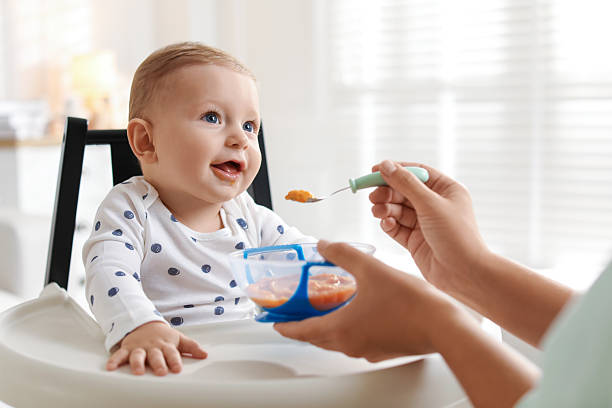
Quick Answer: Bone broth can be safely introduced to infants around 6 months of age once they begin solid foods, but it must be unsalted and served in strict moderation. While bone broth provides valuable collagen, gelatin, and trace minerals that support digestive and connective tissue health, it should never replace breast milk or infant formula. Babies aged 6 to 11 months should be limited to 2 to 4 ounces per day offered in an open cup, straw cup, or mixed into purees never in a bottle. Always use low-simmered, homemade unsalted broth made from pasture-raised bones to avoid high sodium levels, elevated histamines, and heavy metal accumulation.
Introducing solids to a baby is an exciting yet challenging milestone in a baby’s first year. As parents begin to provide nutritious whole foods, bone broth has become a popular foundational liquid for infants due to its richness in bioavailable minerals, collagen-building amino acids, and gelatine. Bone broth provides better digestion as it supports development and intestinal systems.
However, when you introduce bone broth to babies, you need to be careful about safety measures like sodium control, heavy metal risk mitigation, and strict portion control. In this detailed guide we will cover everything paediatricians and paediatric dietitians recommend about bone broth for infants.
When Can Babies Have Bone Broth?
You can offer bone broth to children as soon as they enter the developing stage, which takes place around 6 months of age. Because before 6 months of age the digestive tract and kidneys aren’t mature enough; that’s why breast milk or infant formula remains the main source of nutrition and hydration.
Introducing other liquid items like water or broth can be done for babies after 6 months to fulfil their need for nutrients and electrolyte imbalances.
Developmental Readiness Signals
Before introducing solid food to babies, such as bone broth, you need to look for the following signs in the baby to make sure they are ready.
- Head and neck control: the baby can easily hold their head upright independently.
- Sitting stability: A baby can sit without any support or need little support when wanting to sit in a high place.
- Loss of tongue-thrust reflex: The baby is no longer rejecting food items from their mouth with their tongue.
- Grasp and coordination: The baby starts taking interest in food, also reaches for items, and puts hands or toys into the mouth.
Daily Serving Limits and Hydration Safety
Bone broth is rich in nutrients; however, it is not a replacement for breast milk or infant formula, specifically for the 12 months after a baby is born. Breast milk or formula helps the baby to get fats, proteins, carbohydrates, and micronutrients, which are important for brain development and overall growth.
Portion Recommendations by Age
| Age Bracket | Daily Drinking Cap | Serving Method | Primary Purpose |
|---|---|---|---|
| 0 to 6 Months | 0 oz (Do Not Serve) | None | N/A (Breast milk/formula only) |
| 6 to 11 Months | Up to 2–4 oz (60–120 mL) | Open cup, straw cup, or mixed in purees | Culinary ingredient & cup practice |
| 12+ Months | 4–6+ oz (120–180 mL) | Open cup, snack beverage, or soup base | Part of a balanced toddler diet |
Critical Safety Rule: Never give bone broth to a baby in a feeding bottle because moderation is the key; a baby may consume a large amount from a bottle.
Health Benefits of Bone Broth for Babies
When you introduce bone broth correctly to kids that is homemade, it offers many nutrients that help in a baby’s physiological development. Some of the main benefits are as follows:
1. Gut Lining and Digestive Support
The animal bones release gelatin and amino acids such as glycine and glutamine while boiling. Both of these compounds help in strengthening the mucosal lining of the gastrointestinal tract when an infant’s food routine changes from all liquid milk to solid proteins as well as complex starches; the glycine aids in smoothing the digestion.
2. Connective Tissue and Joint Development
Bone broth offers a rich source of Type I and Type III collagen with glycosaminoglycans (GAGs) like chondroitin sulfate and hyaluronic acid. All these protein blocks help in supporting cartilage growth, flexibility, and skeletal framework expansion.
3. Bioavailable Mineral Content
The main nutrients a properly prepared bone broth includes are calcium, magnesium, zinc, phosphorus, and copper. Calcium and magnesium are important for the maturity of bone density and relaxing nerves. Phosphorus is important for the development of tooth enamel and cellular energy transfer. Lastly, zinc and copper are important for metabolic function and immune cell response.
Critical Safety Risks to Manage
A food like bone broth can have many benefits, but it also comes with some low risks when not prepared properly, so as a parent, you must know the 4 primary safety parameters before giving it to a baby.
1. Sodium Control
When a baby is small, their kidneys aren’t fully developed, and the kidneys don’t have the power to flush off excessive sodium. Commercially store-bought bone broths contain 300 to 800 mg of sodium in a single cup, which is more than the recommended daily intake of sodium in a baby’s diet, which is 110 mg for 0 to 6 months old and 370 mg for babies who are 7 to 12 months old.
Never add salt to broth you are preparing for infants. Also avoid giving them commercial broth unless they are strictly salt-free or zero-sodium.
2. Heavy Metals (Lead and Cadmium Concentration)
Animal bones store minerals, but they can also absorb heavy metals like lead that are a part of the environment; however, a long simmer time can extract trace amounts of lead in the liquid. If you are getting bones from organically raised animals, then you can keep simmer time around 12 to 18 hours instead of 24 hours.
3. Histamine Levels
When the broth is simmered over a long time, the histamine levels increase. Infants who don’t have genetic histamine tolerance or have sensitive stomachs can react to high-histamine foods. You may notice symptoms like flushing, skin hives, loose stools, or fussiness in a baby. If your family already has a history of histamine sensitivity, you can make quick simmered meat stock for 2 to 4 hours.
4. Food Allergen Cross-Contamination
Plain beef and chicken meat aren’t on top of the allergens, but if a broth includes ingredients like celery, soy sauce, or wheat derivatives, they can trigger allergies. Always give babies pure broth, which is made from single ingredients like water and beef bones.
You can only add vegetables and herbs later when children become sensible and older.
How to Serve Bone Broth to Babies by Stage
If you are integrating bone broth for infants into the baby-led weaning (BLW) or puree routine, you can follow some steps below:
Stage 1: 6 to 9 Months Old (Initial Introduction)
Make sure the puree is completely liquid; use warm unsalted bone broth to thin out the vegetable or meat purees, such as sweet potato, squash, or liver puree. Give 1 to 2 tablespoons of warm broth into an open plastic or silicone cup; this will train the kid about cup drinking. To add more flavour and texture to the broth, you can include moistened cooked egg yolks, mashed avocado, or cooked lentils.
Stage 2: 9 to 12 Months Old (Exploring Textures)
You can cook grains like quinoa, oatmeal, or infant rice cereal in low-sodium broth instead of water. Add carrots, zucchini sticks, and broccoli florets in broth for more taste; once they are boiled, mash the veggies. You can offer 2 ounces of broth in a straw cup during meal time.
Stage 3: 12+ Months Old (Toddler Hood)
You can also convert broth into hearty vegetable and tender meat soups. Give your child a warm broth in an open bowl when they are ill, as this will provide quick warmth, fluid, and gentle electrolytes.
Simple Homemade Unsalted Baby Bone Broth Recipe
When you make bone broth at home, you have full control over the ingredients like salt and water and even cooking time.
Ingredients
The ingredients you need include 2 lbs of pasture-raised chicken feet, marrow bones, or beef bones. The chicken feet have a high amount of collagen levels with no fats. 10 cups of water to submerge bones. 1 tbsp organic raw apple cider vinegar draws the minerals out from bones.
If you are making broth for a 9-month-old baby, then you can add 1 organic carrot and a stalk of organic celery, roughly chopped.
Instructions
You can roast the bones at 400°F (200°C) in the oven for 20 minutes to enhance flavor; however, this step is completely optional. Place roasted bones, water, and apple cider vinegar into a big pot. Let it sit at room temperature for at least 15 to 20 minutes before heating.
For simmering, you can use a stovetop or slow cooker. Bring the water to a boil and reduce heat; simmer chicken for 12 hours and beef for 14. If you are using an Instant Pot or cooker, then cook it at high pressure for 2 hours and then allow the cooker to release pressure naturally before opening it.
Pour broth through a fine-mesh stainless steel strainer in a glass container; remove bones and vegetables completely from it.
Let the broth cool overnight in the refrigerator so a fat layer can appear on the top of it, which you can remove easily before serving to the infant.
Storage Guidelines
You can store the broth in an airtight glass jar for 4 days. You can also freeze the broth into small ice cubes and then transfer the cubes into a freeze-safe bag. You can use it for 6 months.
Pediatric Nutritionist Guidelines and Expert Tips
When you introduce concentrated liquid nutrients in a baby’s diet, the paediatric nutritionist recommends balancing these with safety. The main reason is mostly babies’ weight gets doubled as compared to their birth in the first five months and even tripled at 1 year of age. However, their physical organs work on strict physiological constraints.
As we discussed earlier, the infant renal system is built to process the renal solute load (RSL) of milk, which is low in dissolved minerals. When food that is high in sodium, potassium, or concentrated proteins is introduced earlier, the kidney needs more time to flush them out.
When you keep broth unsalted and serve only 2 to 4 ounces, the needed minerals will support cell function, and kidneys don’t need to work overtime.
Oral Motor Skills and Cup Mechanics
Feeding bone broth via an open cup or straw cup serves a dual functional purpose:
| Skill / Action | Traditional Sucking (Bottle / Breast) | Cup Drinking (Open / Straw) | Functional Development Benefit |
|---|---|---|---|
| Lip Seal | Passive, soft lip rest around a large nipple structure. | Active closure around cup rim or straw using the orbicularis oris. | Strengthens lip muscles necessary for producing bilabial speech sounds (p, b, m). |
| Tongue Position | Low, forward tongue thrusting or cupping motion under the nipple. | Elevation of the tongue tip toward the upper alveolar ridge. | Inhibits immature tongue-thrust patterns; builds posture needed for alveolar speech sounds (t, d, n, l). |
| Liquid Control | Flow is regulated passively by valve mechanics or latch pressure. | Fluid is drawn or poured and managed actively in the anterior mouth. | Prevents liquid pooling in the cheeks and trains precise bolus formation before swallowing. |
| Swallow & Breath Sync | Continuous suck-swallow-breathe rhythm locked into the latch. | Discrete sip-swallow-breathe cycles controlled per sip. | Teaches airway protection and breathing coordination with unlatched thin liquids. |
Can I give bone broth to a sick baby?
Yes, you can give bone broth to an infant who is over 6 months old; warm bone broth provides both hydration and electrolytes with nutrition, which is needed in sickness. Remember to give them a limited amount, like 4 ounces a day, to infants who are under 12 months. Always offer it in a bowl with a spoon.
Is store-bought bone broth safe for babies?
No, most shelf-stable store-bought broths aren’t recommended to infants because they include sea salt, sodium concentrates, yeast extracts, onions, or preservatives. You can only use store variations where the ingredients are just water, bones, and vinegar with 0 mg reported sodium.
What is the difference between bone broth and regular stock?
| Feature | Bone Broth | Regular Stock |
|---|---|---|
| Primary Base | Animal bones with connective tissue, water, and an acid (e.g., apple cider vinegar) | Animal bones (roasted or raw), water, aromatics (mirepoix), and herbs |
| Simmer Time | 12 to 24+ hours | 2 to 6 hours |
| Texture (Chilled) | Firmly gelatinous due to complete collagen breakdown | Moderately gelatinous to liquid |
| Flavor Profile | Deep, rich, and robust; often seasoned for sipping | Neutral, savory, and foundational; unseasoned to fit various recipes |
| Nutritional Profile | High in protein, collagen, gelatin, and extracted amino acids | Moderate protein and gelatin content |
| Primary Usage | Sipped directly as a warm beverage or used in restorative dishes | Culinary base for soups, sauces, gravies, grains, and braises |
Final Takeaway
Making bone broth for infants is a best and nourishing food practice that helps babies’ bodies get all the energy they need over 6 months of age. By keeping bone broth unsalted and making it at home, you can control the sodium intake. Give bone broth in limited portions, like 2–4 ounces daily, and use open cups or purees instead of bottles. Always consult your pediatrician or a pediatric registered dietitian before making significant changes to your infant’s diet.
