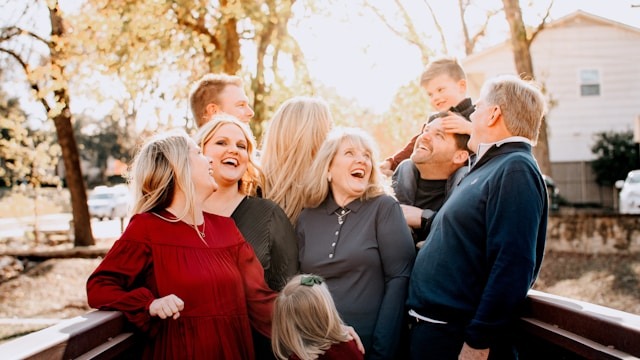
Living under one roof with children, working adults, and aging parents might seem challenging, but the trend is gaining popularity in the US. The Currency cited interesting data on multigenerational living in the US. Nearly 17% of housing purchases in 2024 represented multigenerational homes, a record number for the segment. In 2025, 21% of Gen X buyers and 12% of millennials bought such homes.
The latest U.S. Census data reveals that about 6 million American households, representing about 7.2% of families, are multigenerational. This living arrangement creates a unique wellness landscape. Each generation has different energy levels, nutritional needs, and health priorities, yet shared daily habits can strengthen physical health, emotional well-being, and family bonds.
By building simple, inclusive routines, multigenerational households can create a supportive environment where everyone can thrive.
Create Healthy Habits Everyone Can Follow
Food is perhaps the most powerful way to nurture a multigenerational family, but it also presents challenges. According to a study, dietary preferences vary in such households. Gen Z has the lowest intake of vegetables and fruits. Moreover, their choices are more influenced by peers, price, and taste than by nutrition. Generations X and Y, on the other hand, prioritize long-term health and nutritional value.
When it comes to requirements, children need nutrient-dense meals for growth, and adults require sustained energy for work and caregiving. Conversely, older adults may need softer textures or lower-sodium options for health conditions.
You can manage everything with balanced meals that include plenty of vegetables, fruits, whole grains, and protein-rich foods. Batch-cook staples like brown rice, roasted vegetables, and grilled chicken that can be customized with different seasonings to suit individual tastes and dietary restrictions. Keep healthy snacks like cut fruit, nuts, and yogurt readily available to reduce reliance on processed convenience foods.
All family members should participate in meal planning and preparation to build buy-in and teach valuable skills. Children can wash vegetables or stir ingredients, teens can help with simple cooking tasks, and grandparents can share family recipes. Eating together without screens also creates space for conversation and connection, reinforcing that meals are about more than just nutrition.
Build Movement into the Family Routine
Physical activity is essential for every generation, and a family can get enough without a gym membership or complicated workout plans. The key is to choose activities that are simple, safe, and social so everyone can participate at their own level. Encourage regular movement that can be adapted to different ages and abilities.
Family walks after dinner, weekend hikes, backyard games, or gentle stretching sessions are excellent options that promote health, strength, and flexibility for all. There are some simple exercise tips for seniors to ensure safety and efficacy. Focus on exercises that maintain strength, mobility, and balance, such as chair squats, slow marching, or arm circles.
Make movement part of your routine by establishing “anchor habits” like a Saturday morning walk, a Sunday backyard game, or a 10-minute family stretch before bed. Set shared goals, such as hitting a daily step count or improving a grandparent’s mobility. Also, celebrate small wins to keep everyone motivated. The goal is consistency, not perfection.
Prioritize Sleep and Rest
Sleep needs vary significantly across generations, and families should recognize them to create an actionable schedule. Children and teenagers require more hours for growth and development, and adults need quality rest to manage work and caregiving demands. Older adults may experience fragmented sleep due to health conditions or medications.
Lauri Leadley, a registered polysomnographic technologist, explains that older people spend less time in the deeper REM stages, which affects consistent deep sleep. Additionally, the circadian rhythm changes with age, leading to earlier sleeping and awakening hours.
Multigenerational families should establish consistent sleep routines tailored to different age groups. Create a calming evening ritual that might include turning off devices an hour or two before bedtime, dimming lights, and engaging in quiet activities like reading or gentle stretching. For older family members, late-day caffeine should be limited. A comfortable sleep environment can improve sleep quality for them.
Make Mental and Emotional Wellness a Family Priority
Multigenerational living can be deeply rewarding but also emotionally demanding, particularly for members who look after children and parents. Caregiving responsibilities, work stress, and daily chores can get taxing. Children struggle with school pressures, and the natural challenges of aging can all take a toll on the mental health of seniors.
Encourage open conversations about stress, emotions, and daily challenges. Model healthy coping strategies by talking openly about your feelings and demonstrating practices like journaling or meditating. Create opportunities for quality time without screens, such as board game nights, shared meals, or family walks. These activities foster connection and reduce isolation.
Watch for signs that a family member may need additional emotional or professional support. For example, a senior may experience persistent sadness, withdrawal, or changes in sleep or appetite. Normalize seeking help by scheduling and keeping your own medical and mental health appointments, showing that self-care is a priority for everyone.
Encourage Healthy Habits Without Making Them Feel Like Chores
Sustainable wellness is about building enjoyable routines, not rigid rules. A Wellbeing Magazine feature highlights that a sustainable wellness routine does not rely on sudden lifestyle changes or extreme programs. Instead, it focuses on balance between nourishment, movement, recovery, and mental awareness. These elements together create a stable foundation for overall wellbeing and long-term vitality.
Setting realistic goals that family members can maintain is a good start. For example, everyone can try drinking more water, taking a daily walk, or eating an extra serving of vegetables. Celebrate progress rather than focusing on perfection. Did your toddler try a new vegetable? Did your parent complete a 10-minute stretch session? Acknowledge these wins to build momentum.
Also, make healthy activities enjoyable and inclusive. Involve seniors in planning by asking what activities they enjoy and what support they appreciate. Identify shared interests that multiple generations can genuinely enjoy together, and set realistic expectations that change takes time and flexibility.
Frequently Ask Questions by People
How can multigenerational families stay active together?
Choose simple, safe, and social activities like walking, stretching, or backyard games that everyone can adapt to their ability. Focus on consistency with anchor habits like weekend walks or nightly stretches, and celebrate small wins to keep motivation high. Anything that can be done together is ideal.
How can families accommodate different nutritional needs?
Accommodating different nutritional needs in households with kids and seniors is easier than you imagine. Plan balanced meals with vegetables, fruits, whole grains, and protein that can be customized with different seasonings or textures. Batch-cook staples and keep healthy snacks available, and involve all generations in meal planning and preparation
What are some simple wellness habits the whole family can practice every day?
Wellness is not about fancy hacks and expensive supplements, as even simple steps can make a difference. Drink water throughout the day, eat at least one meal together without screens, take a short family walk or stretch session, and check in emotionally with each other. Prioritize consistent sleep routines and celebrate progress rather than perfection.
Key Takeaways
| Insight | Data |
| Multigenerational homes among U.S. housing purchases in 2024 | Nearly 17% |
| Gen X buyers purchasing multigenerational homes in 2025 | 21% |
| Millennial buyers purchasing multigenerational homes in 2025 | 12% |
| U.S. multigenerational households | About 6 million |
| Share of U.S. families living multigenerationally | About 7.2% |
| Key wellness areas for multigenerational families | Nutrition, movement, sleep & emotional well-being |
Wellness in multigenerational families isn’t about perfect diets or intense workouts. Rather, it’s about creating shared habits that support physical health, emotional well-being, and stronger connections. By focusing on inclusive meals, adaptable movement, quality rest, open communication, and realistic goals, families can build a nurturing environment where every generation thrives together.
