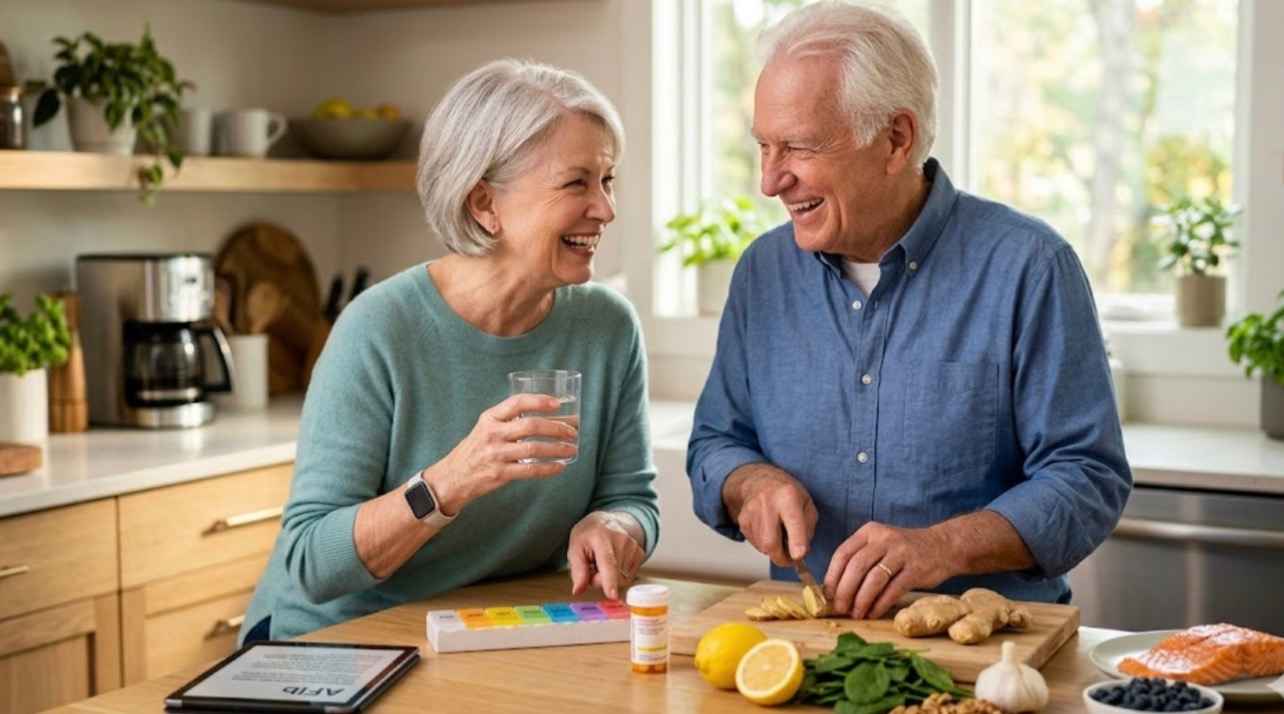
Quick answer: The side effects of blood thinners in elderly patients include frequent nosebleeds, gum bleeding, and easy bruising, and some serious life-risk complications like gastrointestinal hemorrhages and intracranial bleeding following a fall. Since in old age a person’s body slowly processes the medication, it leads to these health concerns.
Navigating cardiovascular health in old age can feel like walking a tightrope. On one hand, protecting your heart and brain health is important; however, on the other hand, the treatments for these include unique physical demands and metabolic challenges.
For old people, the families and caretakers understand the risks, mechanisms, and safety protocols that work as a beneficial tool for long-term wellness. Because when the human ages, the physiological landscape shifts. These changes have different effects on how medicine is absorbed, distributed, metabolized, and excreted.
Additionally, the medicines that help in keeping the blood flow smooth come with complications too that require careful management.
In this guide we will discuss in detail the medical science, risk reduction strategies, and practical protocols for managing anticoagulant therapy safely in older adulthood.
Why Are Blood Thinners Prescribed to Seniors?
When we age, the cardiovascular system goes through different structural and functional changes. The blood vessels naturally lose the elasticity they have when a person is young; this process is known as ‘arterial stiffening’ when the heart muscle becomes less compliant. While these changes are normally age-related, it becomes difficult when a person has genetic factors and lifestyle histories that increase the prevalence of specific medical conditions. It leads to dangerous blood clots.

Doctors prescribe blood thinners, which are medically anticoagulants or antiplatelets; this is not for blood fluid thickness but to alter the delicate chemical cascade of coagulation. These medications help to delay the time when the clot occurs. They also prevent blockage in arteries. Some conditions that need urgent attention are as follows:
Atrial Fibrillation (AFib)
To make it easy, think of a healthy heart like a sponge, so when you squeeze it, all the water comes out cleanly. In AFib the upper part of the heart stops squeezing and starts quivering like a bowl of Jell-O. This problem causes the blood left behind and stagnant in a small pocket of the heart to turn into blood clots. At this point if the heart tries to pump the clot out, it shoots to the brain and blocks the artery, causing a stroke. Blood thinners here work like a security guard who keeps the stagnant blood fluid so it can’t clump together.
2. Deep Vein Thrombosis (DVT)
The veins in our body are like roads that work to carry blood back to the heart, and the calf muscles act when you walk; every time they push that blood upward against gravity. This calf muscle pump turns on when seniors sit for hours in the same spot or lie in bed several days after a hip or knee replacement surgery. The blood in the lower leg becoming jammed leads to a blood clot; it also makes the legs swell up, turn red, and feel hot and painful to the touch.
3. Pulmonary Embolism (PE)
Consider a leg clot that broke and went on a dangerous trip. When the veins get wider as they go up the body towards the heart, the clot travels easily at first. However, when the heart pumps it into the lungs, then the traveling clot gets wedged tight in the lungs, which leads to oxygen supply blockage. This is why a person faces sudden shortness of breath and chest pain.
4. Mechanical Heart Valves
The natural heart valves are lined with slippery tissue that blood glides over effortlessly. However, when the surgeon replaces a damaged valve with a mechanical one made of metal and plastic, the body doesn’t treat it as it treats the natural one; the body considers it a foreign object. The blood cells find the texture of these artificial valves as microscopic Velcro. The cells want to catch, stick, and pile up on it. However, if they pile up, the inserted valve will jam and stop working. This is the main reason why blood thinners are necessary, as they act like a permanent lubricant, making the blood slick enough to glide over the artificial valve without snagging.
5. The Balancing Act
When a doctor prescribes a blood thinner to a senior, they are playing a high-stakes game on a medical teeter-totter. On one side of the teeter-totter is the risk of stroke, while on the other side there is a risk of bleeding.
The doctors don’t play games; instead, they use a point system checklist (called the CHA₂DS₂−VASc score) where they just add points for senior age, like if the person has high blood pressure, diabetes, or a history of mini-strokes. The higher the points, the more clearly a person needs a blood thinner. Doctors just do this checklist thing to find what exact blood thinner a senior needs and what dose will be safer for them.
Why Do Blood Thinners Affect Seniors Differently?
When a person gets old, the body takes medications differently as compared to a young person. However, this scenario is completely normal, and an age-related shift happens inside the body that makes the medications linger for a long time and act with intensity.
1. Slowed-Down Kidneys and Liver
To understand this easily, you need to think of the liver and kidney as cleaners in the body; their job is to filter out medications so the medicine won’t stay in the system. When a person is young, these cleaners work fast and flush out the medication in just some hours; however, when a person is in old age, this internal cleaning process becomes very slow and takes a long time to empty the system. Because the body takes a long time, the blood thinner a senior took yesterday starts to pile up in the bloodstream. In this situation, when a senior takes blood thinner again the next day, the body considers it an overdose, which leads to the risk of unexpected bleeding.
2. Fragile Blood Vessels and Paper-Thin Skin
When a person is young, the skin is protected with a thick layer of natural fats, and the blood vessels stretch and become tough like a fresh rubber garden hose. However, as we age, the skin starts to lose those natural fats, leading to thinner skin. The blood vessels become brittle and fragile, the same as an old sun-baked garden hose left out in the yard.
There is no fat layer, and even a small bump can snap a small blood vessel. As we already know, blood thinners help to stop the blood from clotting. That tiny bump looks like a dark purple bruise, which seniors don’t even feel.
3. Balance Troubles and Medication Mix-Ups
Taking blood thinners in old age can create a perfect storm, like a senior may face two major challenges that are physical balance and memory.
The Physical Risk: When a senior citizen is older, the grip of the feet is weak, so they can easily slip, and usually this results in a sore knee. But if a senior is on blood thinners, these small injuries cause serious internal bleeding, joint swelling, or even dangerous bleeding around the brain even if they are not hit by the head.
The Memory Risk: In order to age the memory slip, seniors easily forget everything, like I don’t even remember the last time they took the medicine and accidentally took another dose just after an hour. Doubling the dose like this causes a sudden, dangerous spike of the drug in their blood, pushing their bleeding risk into the danger zone.
Major Side Effects of Blood Thinners in Elderly
While these medications work best at preventing the catastrophic strokes and pulmonary blockages, they also have some reactions. Knowing the side effects sooner will help you get over them faster than if you notice them in the long run. The most common everyday side effects include:
Frequent, Spontaneous Epistaxis (Nosebleeds): This happens suddenly without any warning and often occurs in dry ambient air, with indoor heating systems, or with minor irritation of the delicate, superficial nasal mucosa.
Gingival Bleeding: While gum bleeding is very common among seniors on anticoagulants, it can be managed by brushing with medium or firm bristles, flossing, or wearing dental prosthetics like dentures.
Ecchymosis and Purpura: In easy language, these are known as “bruising” and “purple skin discolorations.” In old age a person may notice dark bruises take place on forearms, hands, or shins after bumping into furniture so lightly that they don’t even recall the impact occurring.
Prolonged Bleeding from Minor Superficial Cuts: Small cuts happen from shaving, kitchen paper, or a pet scratch and may look normal; however, in old age, and especially if a senior has health concerns like diabetes, these small cuts require multiple dressing changes.
General Fatigue, Dizziness, or Weakness: While not a direct biochemical property of the drug itself, persistent, unnoticed micro-bleeding inside the body can drop a patient’s red blood cell count over weeks or months, culminating in iron-deficiency anemia or low blood volume.
Medical Disclaimer: The information on this site is for educational purposes only and is not a substitute for professional medical advice, diagnosis, or treatment. Blood thinners carry unique safety risks in elderly populations, including increased bleeding or injury from falls. Never alter or stop a prescribed medication dose without directly consulting your doctor.
Other Serious Side Effects
The side effects of blood thinners we discuss are common during that part of age; however, there are some serious risks seniors may face as follows:
1. Intracranial Hemorrhage (Brain Bleeding)
It is the most severe risk associated with long-term anticoagulation therapy. It happens when a hemorrhagic stroke or epidural hematoma takes place due to a traumatic head injury or fall. Because brain tissue is enclosed within the rigid, unyielding bone of the skull, if there is any severe pressure on the cerebral structures, it cuts the oxygen completely and damages brain tissue. In old age, even a small sudden hit with a door can lead to an insidious venous bleed that takes days or weeks to notice.
2. Major Gastrointestinal (GI) Bleeding
Blood thinners irritate the stomach lining, causing blood loss from pre-existing issues like peptic ulcers, diverticulosis, inflammatory bowel disease, or hidden colon polyps.
A severe GI bleed can reduce blood volume circulation, leading to hemorrhagic shock, sudden life-threatening drops in blood pressure, fainting, and acute kidney injury because of low blood flow to organs.
3. Hemarthrosis (Bleeding into Joint Spaces)
Sudden bleeding into the knees, hips, or shoulders takes place in seniors who are suffering from osteoarthritis or rheumatoid arthritis. In this disease the joint capsule swells fast and becomes very painful; it even feels hot when you try to touch it, leading to dependency in seniors.
How Can a Senior Reduce Side Effects of Blood Thinners?
To reduce the risk of the side effects of blood thinners, you can do the following:
Eliminate Tripping Hazards: If a senior feels dizzy and about to trip, it’s best to secure the path by removing loose throw rugs, extension cords, telephone lines, and low-profile clutter.
Optimize Illumination: Since seniors face difficulty while standing up in rooms, they may trip. For this, install high-lumen, motion-activated nightlights in bedrooms, hallways, and bathrooms, as it will provide clear visibility.
Install Assistive Equipment: There should always be things like non-slip rubber mats inside showers and tubs and bolted heavy-duty, commercial-grade grab bars, especially in washrooms and baths, so a senior won’t slip and lose balance.
Clear Transit Paths: Ensure the furniture is arranged widely, not very close, so more space will help them to walk properly.
Shaving Changes: To avoid cuts, do change the shaving thing, like giving them a trimmer instead of a sharp razor.
Oral Care Changes: Avoid hard toothpicks or sharp dental tools for the elderly; use ultra-soft-bristled toothbrushes and waxed floss to prevent gum damage.
Skin Hydration: Keep the skin hydrated by using moisturizing creams daily on fragile skin on the arms and legs to reduce cracking, tearing, and superficial scaling.
Footwear Enforcement: Never walk on the floor without shoes or with slick socks on; go for sturdy, rubber-soled, non-slip shoes or slippers indoors.
How to Stop Bleeding When You’re on Blood Thinners?
Keep calm and wash the area with mild soap and cold water to remove bacteria from the wounded place. Don’t rub or scrub the affected area, as it can further damage the area and make the wound worse.
Once washed, now place a clean, sterile gauze pad, clean cloth, or heavy paper towel directly over the wound. Press it with less pressure. Once it’s done, don’t lift the cloth to check if it’s still bleeding or not.
If the wound is located at the arm, hand, leg, or foot, raise it above the level of the patient’s heart. This happens because there is a drop of blood pressure at the wound site that naturally slows down the outward blood flow.
Once you are done dressing, use an ice pack or bag of frozen vegetables in a small towel and put it with light weight on the dressing. The cold temperature will narrow the blood vessels, which calms the wounded area.
Note on Nasal Bleeds: If a nosebleed occurs, don’t sit with the head backward, as this will make the blood drain down the back of the throat into the esophagus and stomach, which can result in nausea, gagging, and vomiting. Just pinch a small part of your nose for 15 minutes without releasing pressure.
How to Thin Blood Naturally in Old Age
It’s a misconception in many people’s minds that a dietary change, herbal extracts, or holistic remedies can safely replace prescription blood thinners. However, natural blood thinners can never be accurately dosed, regulated, or help in preventing strokes caused by atrial fibrillation or a mechanical heart valve. The idea of replacing blood thinners with just diet naturally leads to a serious medical condition, like a high risk of clotting.
However, instead of replacing, you can maintain a healthy lifestyle that helps in preventing vascular elasticity, lowers blood pressure, and minimizes the systemic inflammation that leads to hypercoagulability.
Proper Hydration
Dehydration can cause blood to be more concentrated and leads to the risk of stagnation and clot formation, especially in leg veins. So it is important for a senior to drink plenty of water daily based on cardiac and renal tolerances as advised by their doctor.
Systemic Anti-Inflammatory Nutrition
Include food items like wild-caught salmon, mackerel, walnuts, and flaxseeds that are rich in fatty acids, as they can reduce platelet stickiness to a mild degree. Use garlic and ginger, as they contain organic compounds like allicin and gingerol; they help in healthy aging as they reduce the risk of chronic diseases and make digestion easy.
Regular, Low-Impact Physical Activity
Do regular body movement like walking, swimming, water aerobics, or seated leg exercises, as it will keep an old person active.
List of Blood Thinners That Require Extra Caution in Seniors
Some blood thinners prescribed to seniors need extra caution, so let’s look at what they are.
| Medication Name | Drug Class | Specific Clinical Challenges in Seniors |
|---|---|---|
| Warfarin (Coumadin) | Vitamin K Antagonist | Extremely narrow therapeutic index; highly susceptible to fluctuations based on dietary vitamin K intake; requires frequent, lifelong blood draws to monitor International Normalized Ratio (INR) levels. |
| Dabigatran (Pradaxa) | Direct Thrombin Inhibitor | Highly dependent on renal excretion for clearing; poses a statistically increased risk of severe dyspepsia, gastric irritation, and GI bleeding in old age over 75. |
| Rivaroxaban (Xarelto) | Factor Xa Inhibitor | Must be taken with the largest meal of the day to ensure proper absorption. |
| Enoxaparin (Lovenox) | Low-Molecular-Weight Heparin | Requires daily subcutaneous injections, which can be highly challenging for seniors with severe arthritis, tremors, or poor eyesight. |
What Is the Safest Blood Thinner? A Quick Comparison
According to modern medicine studies, there is not a single pill that is 100% safe for every single senior. The medicines affect differently, as every individual has a different body, kidney health, and health problems. However, doctors today do favor a newer class of blood thinners over the old-fashioned choice, warfarin (Coumadin).
These new pills are known as DOACs (Direct Oral Anticoagulants), and they include many brands like Eliquis (Apixaban) and Xarelto (Rivaroxaban).
For most seniors the best choice is Eliquis because it works best for preventing strokes and reducing the risk of bleeding. To understand more, let’s look at the three reasons why newer pills (DOACs) are considered much safer and easier for seniors:
1. Much Lower Risk of Dangerous Brain Bleeds
The biggest fear comes with old drugs like Warfarin: if an elderly person slips and hits the wall, it leads to bleeding inside the brain. The new pills, like Eliquis and Xarelto, remove this bleeding risk as they protect the brain much better.
2. No Constant Blood Tests or Direct Diet Restrictions
Another effect of warfarin is when you eat leafy green vegetables or too much salad, which has vitamin K, the medicine doesn’t work. If you eat too little, the blood gets thin. Because of this reason, a senior person who takes this pill has to visit the clinic every week to get their blood drawn and tested. On the other hand, the new pill, like Eliquis, works perfectly; it doesn’t get affected by whatever you eat. You can eat a burger one day and spinach the next day. Also, you don’t need to go to the clinic for any blood monitoring test.
3. They Have “Emergency Off-Switches”
Many families do have questions in mind, like, “What if my loved one is on a blood thinner and suddenly needs emergency surgery or gets into a bad accident?” How to stop the bleeding well? With the new blood thinners, the medical experts did create specific “antidotes” or rescue medicines. If a senior person shifts to a hospital after severe bleeding, the doctor will immediately give an IV injection that acts like an emergency off-switch. It works with blood thinners and turns off the bleeding in some minutes.
| Feature / Trait | Old Generation (Warfarin) | New Generation (DOACs) |
|---|---|---|
| Major Bleeding Risk | Higher variability; higher risk of cerebral bleeding. | Lower statistical risk of brain and fatal bleeding events. |
| Routine Blood Testing | Required weekly or monthly to monitor INR (clotting time speeds). | None required; standard fixed daily dosages. |
| Dietary Restrictions | Strict. Must lock in consistent greens/vitamin K intake. | None. Eat freely without altering medication strength. |
| Emergency Reversal | Slow-acting (vitamin K injections) or via complex blood products. | Fast-acting, targeted modern reversal agents (Andexxa, Praxbind). |
Do blood thinners lower blood pressure?
Well, blood thinners don’t have any impact on blood pressure. They don’t relax muscles in arterial walls, widen the blood vessel, or even slow down the heartbeat.
Blood thinners only work on a microscopic level in blood cells. The main purpose of it is to block the clotting cells.
While these medications don’t impact blood pressure, if your blood pressure is changing while taking them, then it’s a dangerous problem. If a senior faces a sudden drop in blood pressure and feels dizzy, this means there is hidden internal bleeding.
What can you not do when on blood thinners?
You need to avoid hard activities on which there is a risk of hard impacts, fractured bones, or head trauma. This means don’t climb up on the topsides of the kitchen or anywhere in the room; use shaky ladders to clean gutters, no skiing, and no intense roughhousing with pets. In old age even a small fall can lead to muscle bleeding or even brain hemorrhage if the clotting ability is turned off.
If you are someone who drinks alcohol in high amounts daily, then you need to avoid it completely while taking blood thinners because alcohol has the ability to naturally irritate the stomach lining, making it easy for bleeding. Additionally, alcohol is directly processed by the liver, the same organ where drugs go. If the liver is already with alcohol, then how does it break down any blood thinner? The building of these medications causes toxic levels in your bloodstream, heavily magnifying your bleeding risks.
You should never schedule elective tattoos, deep-tissue body piercings, or any dental work before taking the doctor’s suggestion because all these procedures make tissues whole and cause bleeding. The doctor does have a strict plan for you, like a careful timing schedule that tells you the number of days and hours to pause medication before the procedure and when to start again after the procedure.
Can blood thinners cause blurry vision?
There are no side effects of blood thinners when it comes to eyes, as they don’t alter the lenses, affect the optic nerve, or cause blurriness; however, if you face sudden and unexpected blurriness after taking a blood thinner, then immediately seek medical help.
A sudden visual shift like this typically points to one of two critical medical events. It indicates two things: one is you may have a micro-hemorrhage, or second, you have a stroke.
How long can you take blood thinners?
Some people go for temporary treatment of blood thinners, like for 3 to 6 months, because they only need to take blood thinners if the original clot risk was caused by a one-time, reversible event: if you’re recovering from total knee or hip replacement surgery and a clot develops in your leg because you sit for hours straight. Once the mobility is fully restored, your tissues heal. The doctor will let you know to stop taking blood thinners safely.
Some people have to take these blood thinners for a lifetime if there is an existing condition, like if the risk is chronic and irreversible. Permanent treatment is compulsory for the senior who has chronic atrial fibrillation (AFib), mechanical heart valve replacement, or a genetic blood condition that develops clots continuously. In all these conditions, stopping the blood thinners even for a single day can make the body unprotected from a catastrophic stroke.
How do other medications interact with blood thinners in seniors?
You should never take over-the-counter pain relievers known as NSAIDs while taking blood thinners.
These pain relievers include common drugs like ibuprofen (Advil, Motrin) and naproxen (Aleve). If you take NSAIDs with blood thinners, it can cause scrapes, irritate, and erode the protective lining of your stomach while stopping blood platelets from sticking together. The combination also causes sudden yet severe stomach ulcers and life-threatening gastrointestinal bleeding in older adults.
If you only have common health issues like a headache, minor muscle ache, or chronic arthritis pain flare-up, then you can use acetaminophen (Tylenol), as it works differently and doesn’t cause problems for the stomach lining. However, “don’t overdo it” means always use it according to the doctor’s prescription.
If you have issues like a urinary tract or sinus infection, it is common when you’re on antibiotic and antifungal medication. These medications directly alter the way your liver enzymes break down blood thinners, which makes the breakdown of blood thinners slow, leading to bleeding complications. So when a doctor prescribes you medication for any infection, always let them know you are on blood thinners so the doctor will give you medicine accordingly.
Select an OTC option above to check for dynamic drug compound overlap.
Can diet or supplements affect blood thinners?
If a senior is taking an older drug like Warfarin (Coumadin), then diet plays an important role in how this medicine behaves. Warfarin works by blocking vitamin K in the liver, so if you suddenly eat a high amount of greens packed with vitamin K (such as spinach, kale, broccoli, or Brussels sprouts), you unintentionally reduce the effect of warfarin, leading to blood thickness or stroke risk. However, if you stop eating greens, the blood will become very thin. You should even remove green from the diet. The only solution is you must keep your green intake completely consistent from week to week so your dosage remains stable. (Note: Newer DOAC pills like Eliquis do not care about vitamin K.).
Many everyday over-the-counter vitamins and herbal supplements do have natural blood-thinning properties.
If you are taking supplements like Ginkgo Biloba, high-dose Vitamin E, St. John’s Wort, Turmeric, Coenzyme Q10, or high-dose Garlic extracts with the blood thinners, then you are accidentally doubling the medicine strength. This leads to nosebleeds and severe bruising from internal bleeding.
It’s recommended to never start a new vitamin, meal replacement shake, or even herbal tea without consulting a doctor first.
Also Read: 50 Engaging Activities for Seniors: The 2026 Ultimate Guide
When to Consult a Doctor?
Schedule an Outpatient Medical Appointment If you notice an increase in the time and frequency of nosebleeds.
- Gums that bleed every time you brush. There are new bruises on limbs or torso, but you don’t understand how they occurred.
- A creeping sense of profound fatigue, pale skin tones, cold hands and feet, or shortness of breath during light activities.
- If you fall, slip, or blow to the head, then call the emergency number as soon as possible.
- If you face a severe and sudden headache, acute confusion, loss of balance, or slurred speech.
- Vomiting blood, or if it looks like dark, grainy coffee in color.
- If the stool appears dark red, bright blood-stained, or pitch-black and tarry.
Select a symptom above to review recommended medical response timelines.
References & Authoritative Sources
- American Heart Association (AHA): Guidelines on the Management of Anticoagulation in Older Adults. A foundational resource regarding stroke prevention strategies in geriatric patients with atrial fibrillation and mechanical valves. AHA Journal: Circulation
- Mayo Clinic: Anticoagulant Therapy: Managing Safety Risks and Side Effects. Provides clinical guidance on the metabolic processing of DOACs vs. vitamin K antagonists in aging organ systems. Mayo Clinic Evaluation Hub
- National Institutes of Health (NIH) / National Institute on Aging: Preventing Falls and Managing Vascular Fragility in Seniors. Extensive physiological analysis on the interaction between elderly subcutaneous tissue loss, frailty, and bleeding complications. NIH Research Repository
- Journal of Geriatric Cardiology: Direct Oral Anticoagulants (DOACs) in the Elderly Population: Safety Profiles and Reversal Agents. A peer-reviewed pharmacological breakdown tracking the lower baseline risks of intracranial hemorrhage associated with modern factor Xa inhibitors like apixaban. NCBI PubMed Central
