
Quick Answer: Is it rare to not be allergic to anything? No, it is not rare to have no allergies. In fact, it is the standard baseline for the majority of the population. According to data from the Centers for Disease Control and Prevention (CDC), approximately 68% of adults do not suffer from any common allergic conditions, including seasonal, food, skin, or drug allergies. Having zero allergies is a normal, healthy immune response shared by roughly two-thirds of all people.
If you walk in a dense field of springtime pollen, eat a handful of mixed nuts, and pet a long-haired cat without a single sneeze or rash, you aren’t a genetic anomaly—you are actually part of the lucky majority. While it often feels like everyone around us is battling allergies, living completely allergy-free is incredibly common.
To understand where you stand based on immune health, we must look at the past superficial statistics and unbox how the human immune system interacts with a world full of potential triggers.
The Statistical Reality of the Allergy-Free Club
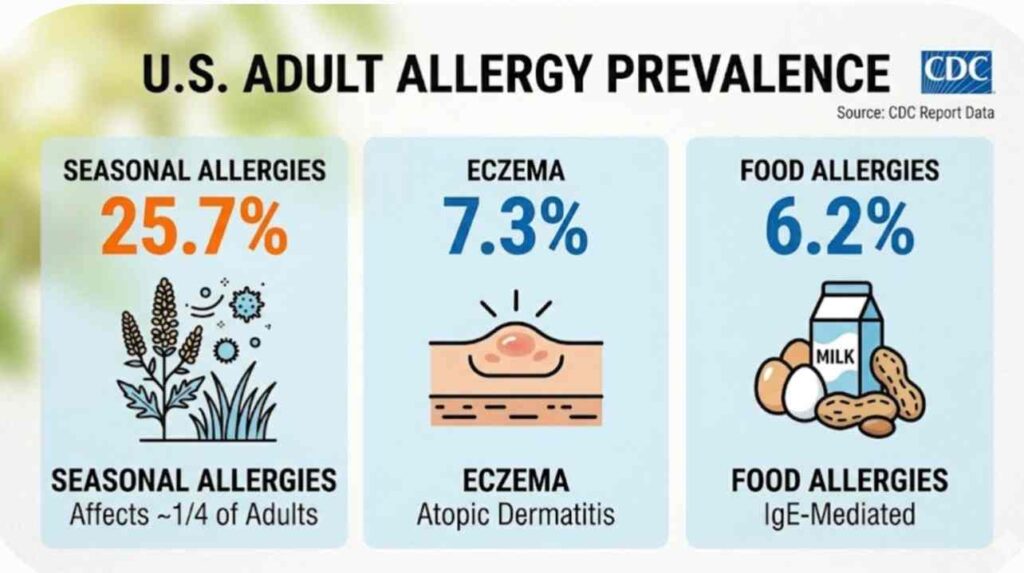
According to a report from the Centers for Disease Control and Prevention (CDC), roughly one-quarter (25.7%) of U.S. adults are affected by seasonal allergies, while 6.2% have food allergies and 7.3% of people have eczema.
When you combine these percentages, it shows that while allergies are a major public health topic, roughly 68% of adults, the clear majority, do not have any diagnosed allergies at all. Your immune system’s calm baseline is the standard, not the exception.
Epidemiological studies show there are also three major atopic conditions:
- Allergic rhinitis (hay fever)
- IgE-mediated food allergies
- Atopic dermatitis (eczema)
By looking at just these three main categories, the researchers miss how the body overreacts. To understand fully, is it common to have allergies? You must consider every possible way the body’s defenses can become hyperactive.
The Hidden Allergy Vectors You Might Be Forgetting
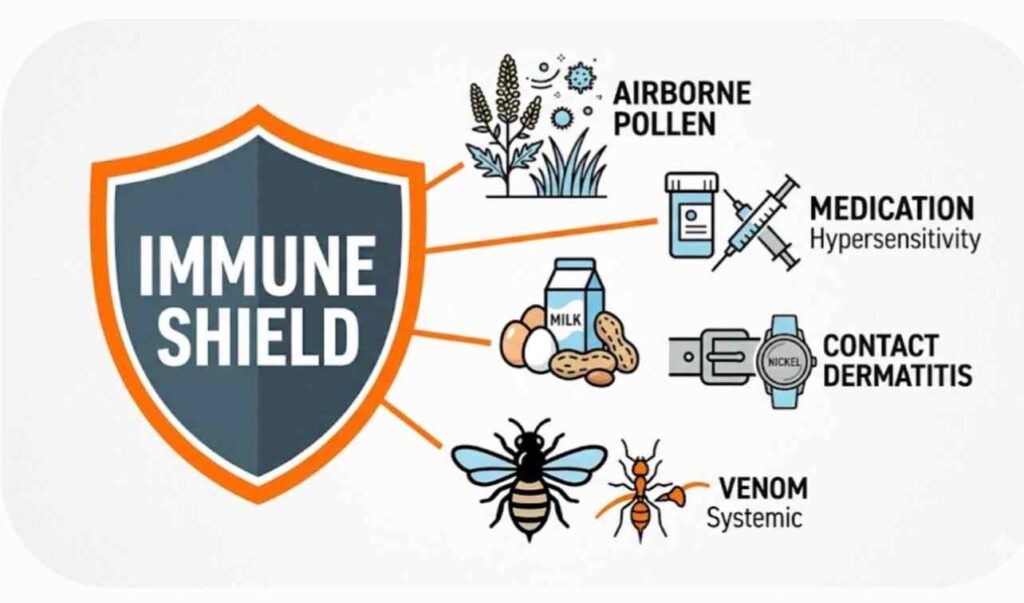
An immune system that is completely free from allergies has to be strong enough, meaning it has that tolerance to cross several distinct allergy categories. If you aren’t allergic to peanuts or pollen, then it is possible you can be allergic to the following areas.
1. Medication and Drug Allergies
Some people are also allergic to medications and drugs. According to the data provided by the World Allergy Organization (WAO), at least 10% of the global population is affected by medicines. The most common medication that affects people is penicillin; it is followed by anti-inflammatory drugs (NSAIDs) such as ibuprofen or aspirin and sulfa drugs.
In many cases, adults who believe they have zero drug allergies simply haven’t been exposed to specific antibiotics or complex medical compounds yet.
2. Contact Dermatitis (Metals, Fragrances, and Chemicals)
It is different from an immediate reaction to dust, as it is a delayed (Type IV) hypersensitivity reaction that takes place by T-cells rather than IgE antibodies.
Around 10% to 15% of people get itchy, red rashes when they wear cheap jewelry, belt buckles, or watch casings that have nickel.
Around 1% to 6% of people get affected by natural rubber latex. This allergy mostly takes place in healthcare workers or individuals who have already taken multiple surgeries.
Some people also face chronic, unexplained skin irritation because they are allergic to cosmetic additives, formaldehydes, and synthetic scents that are usually in soaps and detergents.
3. Venom Hyper-Reactivity
Some people get bitten by mosquitoes, and it makes a small and itchy bump; however, it’s not an allergy, it’s just an inflammatory reaction. The systemic hypersensitivity to insects like bees, wasps, hornets, and fire ants that sting can only happen with 5% of people. These insects aren’t common in every city or area like mosquitoes. People who aren’t allergic to anything think they have nothing to be worried about, but these insects’ stings trigger a systemic reaction
If you are suffering from an allergy to any of the categories mentioned in this chart, then you are not fully free from allergies. This realization changed the whole conversation from escaping seasonal sneezing. The question is, ‘Not being allergic to anything is that abnormal?’ It has a very simple answer: no, it is completely normal. While having a hyper-reactive allergy to every single niche category is possible for a small minority, the vast majority of adults live entirely allergy-free, maintaining a quiet, perfectly balanced immune system.
The Biology of Perfect Tolerance: Why Some Immune Systems Remain Calm
An allergy works as an identity crisis within your immune system. When your body interacts with a non-living protein such as ragweed pollen or a molecule of casein from milk. People think maybe it’s a parasite that triggers the allergy; however, the body reacts to chemicals like histamine, causing the physical misery. Now you may have a question in mind: why do some people still not get any allergies from this? Well, because their immune system is strong.
The Genetics of Atopy
The risk of getting an allergy mostly depends on your DNA. If your parents don’t suffer from any kind of allergy, then it’s likely you have a very low chance, 15%, to get any allergy. However, if one parent has an allergy, the child’s risk increases to roughly 40%. If both parents are allergic to something, then there is a chance of 60% to 80% that you also have that allergy. Individuals who live completely allergy-free have often inherited specific human leukocyte antigen (HLA) genes.
The Hygiene Hypothesis and T-Cell Balance
The human immune system depends on a delicate balance between two primary branches of helper cells: one is Th1, which fights with bacterial infections, and the other is Th2, which deals with parasitic infections and is responsible for allergic reactions.
According to the hygiene hypothesis, the current environment is not capable of keeping Th1 active in early childhood because the environment lacks the raw microbial exposure required. When Th1 didn’t turn on fully, it couldn’t save the body from dirt, mud, and mild childhood infections; then Th2 became reactive and targeted very harmless substances like dust mites or cat dander.
1. The Baby Phase: Setting the Baseline
An infant is born with an immune system that is naturally alert and prone to allergic reactions. To change this, the infant bodies need physical, biological contact with the outside world. Without those inputs, their immune system stays protected for a long time, leading to future allergies.
2. The Toddler Window: The Training Ground (Ages 0 to 3)
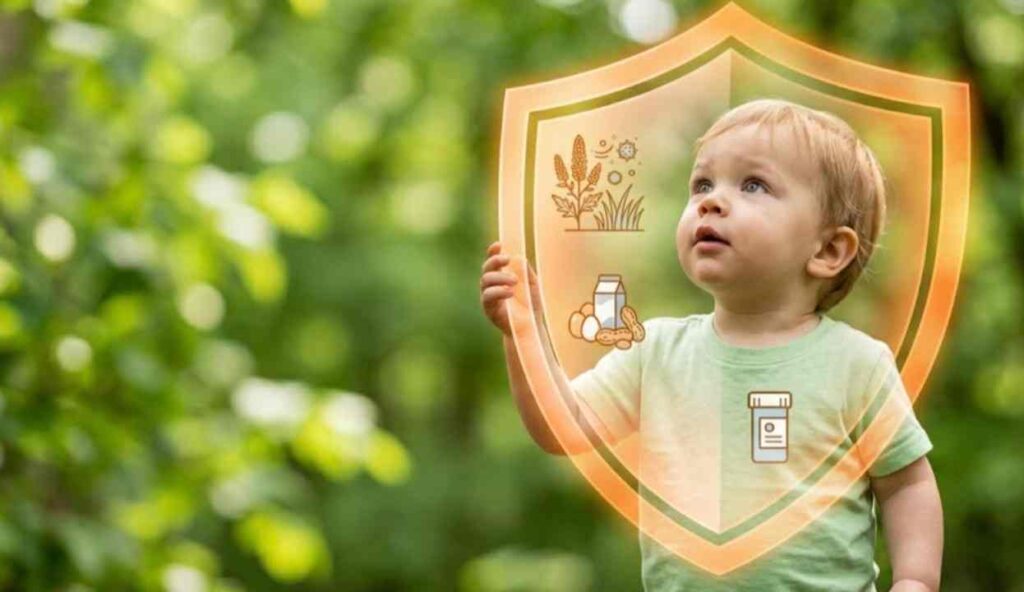
This is a typical stage when the child’s immune system is learning how to behave. When a toddler gets in contact with dirt, multiple pets at home, or other siblings, it forces the immune system to build its muscles. Consider these exposures as an important part where the body can learn how to respond to the surroundings.
3. The Adult Balance: Maintaining Peace (Childhood to Adulthood)
If the immune system gets the right interactions earlier, the regulatory T-cells take charge. They send a direct message to the body to calm down, which prevents the body from reacting aggressively to harmless things like peanut dust or pollen.
Children who grow in large families with many pets and people around have lower rates of allergy development because their immune system is used to all the things and correctly calibrated from the very first day.
Silent Sensitivity: The Mystery of the Hidden Allergy
There is a medical quirk when both the allergic reaction and total immunity are the same. Because of this, the allergists divide the condition into two stages: first, the body recognizes the triggers, or second, you actually feel sick. You can easily find out if you have high-level IgE antibodies by doing a blood test or skin prick test. These antibodies work as weapons in the immune system. When the body interacts with pollen or dust, these antibodies attach to mast cells, causing them to release histamines, which create physical symptoms such as sneezing, itching, or swelling.
The Clinical Reality
You may believe that you aren’t allergic to a single thing, but the blood chemistry tells a different story. Your body may produce high IgG4 shields that block the antibodies that intercept allergens before they ever reach your mast cells. The high threshold works as a buffer; this means the lab test shows you are allergic, but you don’t feel it.
The Cross-Reactivity Trap: Oral Allergy Syndrome (OAS)
Many people think their whole life they aren’t allergic to foods just because they never experience systemic, life-threatening anaphylaxis when they eat peanuts or shrimp. However, they do face a strange, fleeting itch or tingle in their mouth or throat when they eat raw apples, peaches, celery, or almonds. While we can’t consider it a primary food allergy because this is just an immunological mix-up. Raw fruits and vegetables do have some proteins similar to airborne pollens.
Birch Pollen Cross-Reactivity
If your body is already sensitive to birch tree pollen, then it will easily consider the protein found in apples, pears, peaches, cherries, plums, carrots, celery, and almonds the same as it considers tree pollen.
Ragweed Pollen Confusion
If you are sensitive to ragweed pollen Then you may face a strange, tingly feeling in your mouth when you eat food items like watermelon, cantaloupe, honeydew, bananas, cucumbers, zucchini, and sunflower seeds.
Grass Pollen Confusion
If you are sensitive to grass pollen, then there is a high chance your body triggers the same reaction, an itchy mouth or throat, like when you eat raw tomatoes, potatoes, oranges, or melons.
The Kitchen Disguise
You can cook all the food items and avoid eating raw, like you can eat apple pie or cooked tomato sauce with zero issues. This trick saves the body from different allergies; that’s why most people don’t face food allergies.
Evolutionary Biology: Why Do Allergies Even Exist?
To understand more about allergies, we need to look at human history. Why would the precious immune system waste its energy on tree dust or a tiny sesame seed? Well, there are two specific reasons why the body reacts.
Why Does Pollen Trigger a Worm Attack?
To understand why you or a child sneezes when interacting with pollen, you need to look at what the job of the immune system is. Historically, before the advent of modern medicine and sanitation, the human immune system spent constant energy fighting off complex parasites, such as intestinal worms, ticks, and fleas.
The Mix-Up: Pollen Looks Like a Worm
Under a microscope, these grains of plant pollen look the same as the parasites. Modern sanitation and medicine have largely eliminated these parasitic threats from our daily lives. When a child breathes in tree pollen, their immune system considers those proteins and mistakes the harmless pollen for a dangerous worm, leading to sneezing, watery eyes, and itching.
Adult-Onset Allergies: Why Your Allergy-Free Streak Isn’t a Lifetime Guarantee
If you are someone who passed their 20s or 30s without any allergies, then you may be thinking you are completely free from allergies and won’t face any in the remainder of your life. Well, the immunologists know that the human immune system is dynamic; changes happen with age, and the risk of allergies can take place.
1. Geographic Relocation and the 3-Year Rule
One of the most common reasons why a person who is allergy-free suddenly gets an allergy is moving to a brand-new geographic territory. If you lived your entire life in a coastal city and suddenly moved to a forested area, then the immune system would be forced to process concentrations of novel, highly aggressive plant pollens it has never interacted with in the body before.
The result is an adult who never had even a small allergy their entire life faces severe, debilitating seasonal hay fever.
2. Hormonal Shifts and Viral Catalysts
The immune system reacts when there are hormonal changes that take place, like pregnancy, postpartum transitions, severe thyroid imbalances, or entering menopause. Additionally, when a person survives a severe viral infection, it acts as a biological reboot switch that confuses regulatory T-cells and makes the immune system more sensitive even to substances it tolerated easily in the past.
The Allergy-Free Baby: Is It Normal for Toddlers to Have Zero Sensitivities?
If you’re at the daycare center and you’re not required to fill out the allergy action plan on the form, you may wonder why all the other parents are and you’re not. However, it is completely normal for your child to have zero allergies. We hear so much about the skyrocketing rates of childhood food and environmental sensitivities; they have zero symptoms that trigger anxiety in parents.
In early childhood the immune system does its job properly when it identifies foreign proteins (like peanut butter, milk, or grass) as normal neighbors instead of dangerous invaders. While children do start having allergies from ages 1 to 4, there are still many kids who don’t face allergies at this age.

False Alarms: Distinguishing Toddler Illnesses from Real Allergies
When a young child is growing, they do have a permanent runny nose. However, some parents who want their child to be allergy-free become panicked on every sneeze or rash. They misunderstand this and think the child may be developing an allergy; however, it is a normal childhood milestone.
Here is a quick reference guide to help you tell the difference between a passing childhood phase and a true allergic reaction:
| The Symptom | What Parents Fear | What It Usually Is (The Reality) |
|---|---|---|
| Ring of red bumps around the mouth | A sudden food allergy | Contact irritation from acidic foods (like strawberries, tomatoes, or citrus) mixing with drool on sensitive toddler skin. |
| A chronic clear, runny nose in winter | Dust mite or indoor pet allergy | “Cold air rhinorrhea” (the nasal tracks producing extra mucus to warm up cold, dry winter air) or a sequence of back-to-back daycare viruses. |
| Loose stools after drinking cow’s milk | A systemic milk allergy | Lactose intolerance (a digestive difficulty processing milk sugars) or simply a normal digestive adjustment to a new dietary staple. |
The Daycare & School Dilemma: Navigating a Nut-Free World with an Allergy-Free Kid
Even when your child is completely free from allergies, the allergy will still impact your life, like the modern schools, preschools, and summer camps that heavily restrict what parents can give to the children to protect them from life-threatening allergies. However, this creates a problem for parents whose children have zero allergies, and even the meal prep for a kid who loves peanut butter feels like a headache.
How to Stay Compliant and Stress-Free
You can give the children a seed-based alternative like sunflower seed butter (SunButter); it has the same flavor as peanut butter and is completely safe for school lunch where kids share lunches, even the ones who have peanut allergies.
Create lunches based on turkey-and-cheese roll-ups, hummus dips with vegetable sticks, or protein-packed hard-boiled eggs.
The Regression Phase: Why Do Some Kids Suddenly Lose Their Tolerance at Age 5?
Parents may be shocked to see the kids are completely fine while eating peanut butter or playing with dogs, but when they turn 5 years old, they suddenly have allergic reactions like hives or red and itchy eyes. Parents start thinking how a perfect immune system changes suddenly. Well, according to the pediatric immunologists, there are some specific trigger events that can change a child’s immune tolerance.
When children start school, they encounter new viral pathogens and environmental stressors, which can disrupt the balance of regulatory T-cells that are responsible for monitoring everyday proteins.
If a child needs antibiotics for chronic ear infections or strep throat, their gut microbiome faces a massive disruption.
Medical Disclaimer: The information on this page is for educational and informational purposes only and is not intended as medical advice. Always consult a qualified pediatrician or allergist regarding any physical symptoms, diagnostic allergy tests, or changes to your child’s health and dietary routine.

The Most Common Food Allergies in Childhood
Food allergies typically develop in children during the first or second year of life when you introduce solids to babies; however, the environmental allergies take longer to show up because a child has to experience breathing in pollens, pet dander, and dust mites across multiple changing seasons for the immune system to give a reaction. Following are different types of allergies children may face.
| Allergy Type | Specific Category | Main Culprits / Triggers | Peak Age of Onset | Classic Signs in Children | Outgrow Likelihood |
|---|---|---|---|---|---|
| FOOD | Dairy & Poultry | Cow’s milk, chicken eggs | 0–12 Months | Hives, spitting up, colic, eczema breakouts | High (~70-80% by age 16) |
| FOOD | Legumes & Seeds | Peanuts, sesame seeds | 1–3 Years | Swelling, sudden hives, coughing, anaphylaxis risk | Low (Only ~20% outgrow it) |
| FOOD | Tree Nuts | Cashews, walnuts, almonds | 2–5 Years | Lip swelling, wheezing, digestive cramps | Low (Only ~10% outgrow it) |
| FOOD | Grains & Soy | Wheat, soybeans | 6–18 Months | Chronic diaper rash, bloating, dry skin | High (Most outgrow by age 10) |
| ENVIRONMENTAL | Indoor Dander | Cats, dogs, small pets | 2–4 Years | Itchy watery eyes, morning sneezing, night coughing | Low (Usually a lifelong trait) |
| ENVIRONMENTAL | Indoor Pests | Dust mites, cockroaches | 1–3 Years | Chronic stuffy nose, rubbing nose upward, snoring | Low (Can worsen without mitigation) |
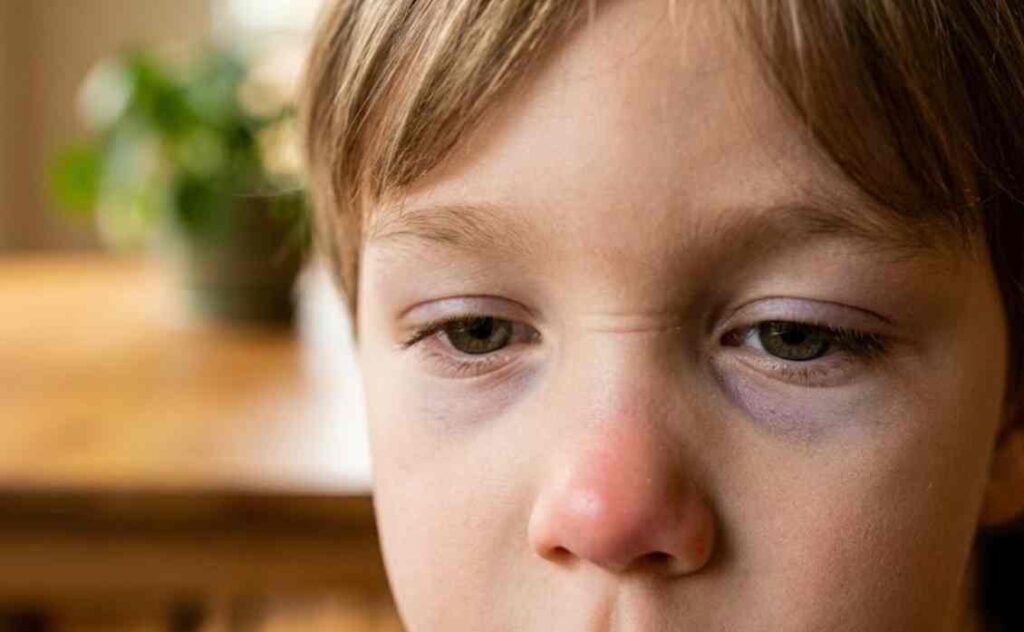
| ENVIRONMENTAL | Seasonal Air | Tree pollen, grass pollen | 3–7 Years | Sneezing fits, clear runny nose, “allergic shiners” | Moderate (Can change with climate shifts) |
| ENVIRONMENTAL | Fungal Spores | Outdoor/Indoor molds | 4–8 Years | Chronic congestion, dry throat, asthma flare-ups | Moderate (depends on dampness exposure) |
Pediatric Symptoms Checklist: How Allergies Look Different in Little Bodies
When a parent wants to know if a child has an allergy, they usually look for the allergic signs an adult may show, like sneezing or an obvious rash. However, since a child’s immune system is still under development at an early age, they don’t show adult symptoms; they do show symptoms by bad behavior or poor sleep.
So if your kid is free from allergies and you still want to make sure, then you can use the checklist.
Frequently ask questions by People
Is it rare to not be allergic to anything?
Yes, it is rare but also common; not every person is allergic to food items or environmental elements. For safety purposes, products have allergy labels, which make it feel like everyone has allergies, but it’s not true. The majority of the population (nearly 70%) navigates life without any formal allergic conditions.
Why do some kids seem allergy-proof while others aren’t?
In this situation, the immune calibration plays an important role. The kids who are used to the environment of household pets, dirt, and microbial life in age from 0 to 3 have better immune systems as compared to kids who are not used to this environment.
Are food allergies a permanent diagnosis?
Not many children undergo immune maturation where they overcome common triggers like milk, egg, or wheat before reaching school age.
Can you suddenly become allergic to something you’ve eaten for years?
Yes, you can suddenly get an allergic reaction when the environment changes, like when you move from a city to a location like a village.
Is a “runny nose” really an allergy or just a cold?
If the runny nose is caused by fever and in thick, discolored mucus, then it can be an infection; however, if the runny nose color is clear, then it is an allergic reaction. People mistake common nose running in toddlers with allergies, so it’s better to go to the doctor first instead of assuming.
Do I need to worry if my child’s skin gets red after eating strawberries?
No, parents do relate contact irritation to food allergies. When the redness is gone after eating the strawberries, then it is an acid reaction, not an allergy.
How much of my child’s health is just “bad luck” versus genetics?
Well, it’s a natural mixture, and you can’t control the child’s DNA; however, you can give them a correct environment by providing an early-life diet and encouraging natural play, which can help “train” the immune system and reduce the risk of allergies.
What is the allergic march, and should I be scared of it?
Don’t panic, but be prepared. The allergic march is a medical term that means how allergies tend to evolve: eczema in infants often causes food sensitivities, which later shift to environmental allergies. Understanding the pattern helps to spot symptoms at an early age.
Are nut-free schools creating weaker immune systems?
Well, this is a topic of debate. While school bans are important for child safety, the lack of protein in a controlled environment might delay the symptoms of allergies in children.
Also Read: Complete Guide: How to Know If Growth Plates Are Closed
References and Sources
Bottoms-McClain, L. (2024). Diagnosed Allergic Conditions in Adults: United States, 2024. National Center for Health Statistics.
Ng, A., & Boersma, P. (2023). Diagnosed Allergic Conditions in Adults: United States, 2021. National Center for Health Statistics.
Wang, J., et al. (2024). Anaphylaxis in Practice: A Guide to the 2023 Practice Parameter Update. The Journal of Allergy and Clinical Immunology: In Practice, 12(9), 2325–2336. https://doi.org/10.1016/j.jaip.2024.06.036
Burks, A. W., et al. (2011). NIAID-Sponsored 2010 Guidelines for Managing Food Allergy: Applications in the Pediatric Population. Pediatrics, 128(5), 955–965. https://doi.org/10.1542/peds.2011-0539
Authoritative Allergy & Immunology Resources
