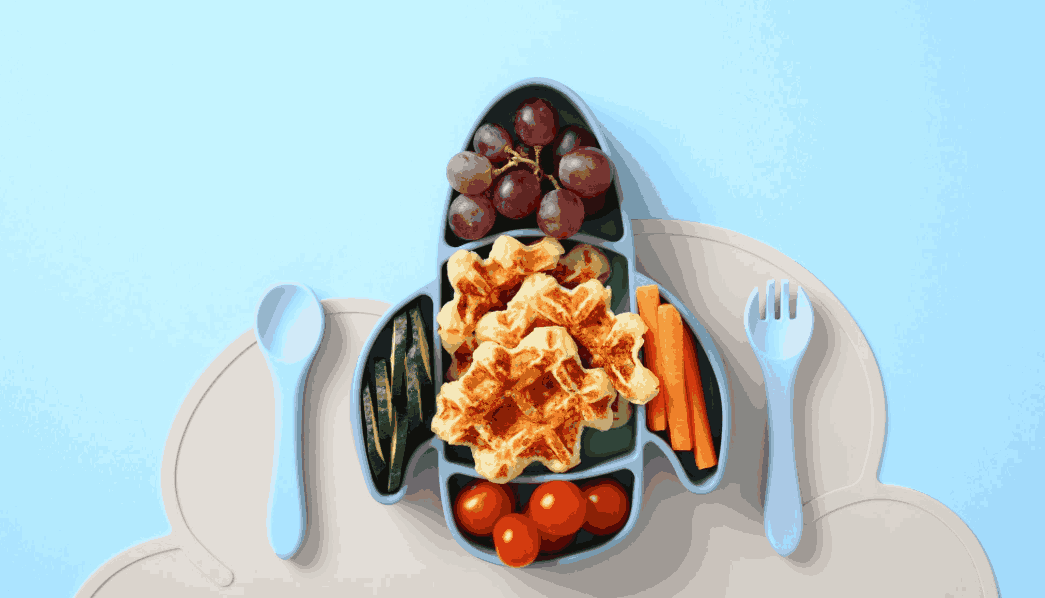
Quick Answer: A healthy toddler feeding schedule for ages 1 to 3 follows a predictable rhythm of 3 main meals and 2 to 3 scheduled snacks, spaced about 2 to 3 hours apart. Meals spaced throughout the day prevent continuous grazing and allow the toddler to build a healthy appetite for nutrient-dense solids. Keep total milk intake for the day between 16 and 24 ounces to avoid iron deficiency.
When a baby is born, both parents and the baby experience different things. Like when babies are months old, they are fully on liquid feeds, which is milk; however, when they get older, like 12 months or 36 months, their diet takes a major shift. A toddler experiences a slow growth rate physically while having rapid gains in cognitive, motor, and independence skills. As a parent, you need to create a consistent toddler feeding schedule that helps them to get the structure, security, and steady nutrition they need at this growing stage.
In this comprehensive guide we will look in detail at toddler feeding routines, daily portions they need, hydration guidelines, choking safety, what if a toddler is a picky eater, and practical mealtime strategies recommended by pediatric nutritionists and medical associations.

Core Foundations of Toddler Nutrition (12 to 36 Months)
Feeding a toddler means shifting from total calorie count to focusing on meal timing, exposure to different nutrients, and fulfilling the child’s hunger. When babies become toddlers, they need 1,000 to 1,400 calories per day based on growth rate, height, and activity level. These calories have to come from nutritionally dense whole food items.
- For iron, give your toddler lean meats, poultry, beans, lentils, spinach, and fortified whole grains.
- For calcium and vitamin D, give your toddler pasteurized whole milk, yogurt, cheese, fortified plant milks, and leafy greens.
- For healthy fats, give your toddler avocados, nut butters, olive oil, eggs, and full-fat dairy.
- For dietary fiber, give your toddler whole fruits, vegetables, oats, whole wheat, and legumes.
The Division of Responsibility
According to child feeding expert Ellyn Satter, the division of responsibility in feeding can help in reducing the mealtime struggle that many parents face with toddlers every day.
This responsibility division means parents control the food quality and kids manage the intake volume. This will prevent forceful eating and stress parents face and foster natural self-regulation.
Toddler Hydration, Milk & Beverage Guidelines
Liquid drink requirements change totally after the toddler turns 1 year old. The whole milk and water are the main source of hydration, but the infant phase that only uses formula milk is gone. But in the case of toddlers, moderation is key.
Pediatric Expert Insight:
Toddlers who drink more than 24 ounces of milk daily are at a high risk for iron-deficiency anemia. Milk is filling, and drinking too much of it suppresses a toddler’s appetite for iron-dense solid foods like meats, beans, and vegetables.
— Dr. Steven Abrams, M.D., FAAP, Professor of Pediatrics & Nutrition Expert
Fluid Target Matrix (Ages 12 to 36 Months)
| Beverage Type | Daily Target Quantity | Age Progression Guidelines | Key Nutritional Function |
|---|---|---|---|
| Whole Cow’s Milk | 16 – 24 oz (2–3 cups) |
Ages 12–24 Months Standard transition | Provides dietary fat, calcium, and Vitamin D for brain and bone growth. |
| Low-Fat / Fat-Free Milk | 16 – 24 oz (2–3 cups) |
Ages 24–36 Months Pediatric guidance recommended | Transition to 1% or skim milk after age 2 under pediatric guidance. |
| Plain Water | 8 – 32 oz (1–4 cups) |
Ages 12–36 Months Daily core hydration | Primary daily beverage; offer freely between meals and snacks. |
| Fruit Juice (100%) | Max 4 oz (1/2 cup) |
Optional / Strict Limit Use with moderation | Dilute with water if offered; prefer whole fruit to preserve fiber. |
Weaning Off Bottles & Sippy Cups
Don’t let the toddler have the habit of milk drinking from a bottle; ditch the bottle after 12 to 15 months. Using a bottle can lead to the risk of early tooth decay and overconsumption of milk.
Instead of a bottle, give them a cup that has a straw so they can drink it without spilling.
Master Feeding Schedule (Ages 12 to 24 Months)
When toddlers turn 12 months or 24 months, their daily eating routine includes 3 main meals and 2 to 3 snacks that are scheduled for hours when kids are hungry before dinner. You need to follow a good schedule so when kids come to the table, they have a healthy appetite.
Pediatric Expert Insight:
“Predictable meal spacing is the single best tool for managing picky behavior. When toddlers graze continuously on crackers or milk throughout the day, they never experience true hunger or true fullness, leading to refusal at dinner.”
— Dr. Free N. Hess, M.D., FAAP, Board-Certified Pediatrician
Comprehensive 12–24 Month Sample Schedule
| Time | Event / Meal | Example Menu & Food Combination | Portions & Targets |
|---|---|---|---|
| 7:00 AM | Breakfast | Scrambled egg cooked in butter, 1/2 slice whole wheat toast, 1/4 cup diced berries, 4–6 oz whole milk |
Meal Composition 1 protein, 1 grain, 1 fruit, 1 milk feed |
| 9:30 AM | Morning Snack | 1/4 cup full-fat Greek yogurt mixed with 1 tbsp mashed banana, open cup of plain water |
Snack Composition 1 dairy, 1 fruit |
| 12:00 PM | Lunch | 2 tbsp flaked salmon or shredded chicken, 1/4 cup steamed zucchini rounds, 1/4 cup cooked brown rice, 4–6 oz whole milk |
Meal Composition 1 protein, 1 veg, 1 grain, 1 milk feed |
| 2:30 PM | Afternoon Snack | 2-3 whole grain crackers spread thinly with smooth peanut butter, thinly sliced cucumber strips, plain water |
Snack Composition 1 grain, 1 healthy fat/protein, 1 veg |
| 5:30 PM | Dinner | 2-3 mini turkey meatballs, 1/4 cup cooked spiral pasta with olive oil/marinara, 1/4 cup steamed broccoli florets, 4–6 oz whole milk |
Meal Composition 1 protein, 1 grain, 1 veg, 1 milk feed |
| 7:00 PM | Bedtime (Optional) | Optional 4–6 oz whole milk feed or water session during bedtime story (Brush teeth afterward) |
Evening Goal Hydration / Evening routine |
Master Feeding Schedule (Ages 24 to 36 Months)
By the age of 2 years, toddlers stay longer and are interested in the dining table. The growth rate gets stabilised, which leads to fluctuations in natural appetite, meaning a kid may eat lunch properly but not eat anything at dinner. To avoid this situation, you need to follow a proper mealtime every day.
Pediatric Expert Insight:
“Around age two, a child’s growth rate naturally slows, causing a drop in baseline caloric drive. Parents often interpret this normal shift as sudden picky eating. Stick to your meal structure and avoid bribing or forcing intake.”
— Dr Natalie Muth, M.D., MPH, RDN, Paediatrician & Registered Dietitian
Comprehensive 24–36-Month Sample Schedule
| Time | Event / Meal | Example Menu & Food Combination | Portions & Targets |
|---|---|---|---|
| 7:30 AM | Breakfast | 1/2 cup cooked oatmeal made with milk, topped with 2 tbsp blueberries and 1 tsp chia seeds, 4–6 oz low-fat milk |
Meal Composition 1 grain, 1 fruit, 1 healthy fat, 1 milk feed |
| 10:00 AM | Morning Snack | 1/2 slice whole wheat toast with thin almond butter, 1/4 cup apple slices (steamed or thin-sliced), plain water |
Snack Composition 1 grain, 1 healthy fat, 1 fruit |
| 12:30 PM | Lunch | Quesadilla (1 small whole wheat tortilla, 2 tbsp shredded cheddar, 2 tbsp black beans), 1/4 cup salsa/diced tomatoes, 4–6 oz milk |
Meal Composition 1 grain, 1 protein, 1 dairy, 1 veg |
| 3:30 PM | Afternoon Snack | 1/4 cup cottage cheese topped with 1/4 cup diced peaches or mango, plain water |
Snack Composition 1 dairy, 1 fruit |
| 6:00 PM | Dinner | 1-2 oz grilled chicken breast pieces, 1/3 cup roasted sweet potato cubes, 1/4 cup steamed green beans, 4–6 oz low-fat milk |
Meal Composition 1 protein, 1 starch/veg, 1 veg, 1 milk feed |
| 7:30 PM | Bedtime Routine | Water sips only before teeth brushing |
Evening Goal Hydration |
Toddler Portion Size Cheat Sheet & Visual Anchors
The most common mistake parents make is they offer adult-sized portions to toddlers, which they find overwhelming, and they refuse the meal. Toddlers don’t have the same hunger level as adults, so they just have 1 tablespoon per year of age for individual food items, or if you compare them with adult servings, toddlers can have 1/4 to 1/3 of it.
Complete Daily Portion Guidelines Table (Ages 1 to 3)
| Food Group | Daily Target Quantity | Single Meal Portion (12–24 Mos) | Single Meal Portion (24–36 Mos) | Recommended Sources |
|---|---|---|---|---|
| Grains & Starches | 3 – 5 servings | 1/4 to 1/2 slice bread; 2–3 tbsp cooked grains/pasta | 1/2 slice bread; 1/3 cup cooked grains/pasta | Whole wheat bread, oatmeal, brown rice, quinoa, pasta |
| Vegetables | 2 – 3 servings | 2–3 tbsp cooked/chopped vegetables | 3–4 tbsp cooked/chopped vegetables | Sweet potatoes, broccoli, carrots, zucchini, peas |
| Fruits | 2 – 3 servings | 2–3 tbsp diced fresh fruit | 1/4 to 1/3 cup diced fresh fruit | Berries, bananas, soft pears, melons, avocado |
| Protein Foods | 2 – 3 servings | 1–2 tbsp cooked minced meat, 1/2 egg, 2 tbsp beans | 2–3 tbsp cooked meat, 1 egg, 3 tbsp beans | Eggs, chicken, turkey, fish, lentils, tofu, nut butter |
| Dairy / Alternatives | 2 – 3 servings | 4–6 oz milk, 2–3 tbsp yogurt, 1/2 oz cheese | 4–6 oz milk, 1/4 cup yogurt, 1/2 to 1 oz cheese | Whole milk (1-2 yrs), 1% milk (2-3 yrs), yogurt, cheese |
Navigating Picky Eating, Neophobia & Food Strikes
Picky eating and food refusal in toddlers take place between 18 and 36 months. This behavior is a normal fear for new food items. Following are some strategies you can use as a parent to manage picky eaters.
- The “Rule of 15” Exposures: In 10 to 15 repeat exposures to a new food item with no pressure before a toddler tastes or accepts it. Always serve in small portions if you are giving them new food items.
- Serve One Safe Food at Every Meal: Make sure there is always one familiar item in their food tray so they can accept the whole meal.
- De-escalate Mealtime Pressure: Avoid pressure to eat new items in more quantity at a time, pleading, or scolding can never lead to good relations.
- Involve Toddlers in Meal Prep: Let the toddlers wash new vegetables with you like stir batter, or tear lettuce so at meal they will recognise it.
- Stick to Meal Windows: Limit meal timing to 30 minutes only. Long sitting can also cause frustration and negative feelings related to the table in toddlers.

What safe snacks can I offer to my picky eaters?
When parents deal with picky eaters, the only secret behind safe snacking is a minimal presentation, like one familiar safe food with one small portion of a new food item. Make sure everything is small and cooked perfectly so no choking hazard takes place. Here are some safe, nutritious, and toddler-friendly snack ideas as follows:
1. Minimal-Prep “Safe Pairings”
This combination of food with healthy fats, protein, or fiber gives toddlers stable energy without any stress at mealtime. For this, put thinly sliced cheese into fun shapes with peeled cucumber in rounds and steamed carrot coins on the plate.
For a dip, you can give full-fat Greek yogurt with some quartered strawberries or steamed broccoli florets. If you are giving toddlers an apple or peanut sandwich, then make sure to put apple slices on thin paper or steam them.
2. Soft & Chewy Options (Great for Teething or Oral Sensitivities)
If your toddler resists crunchy or dry textures, then offer them soft foods with the same flavor profiles. You can give them a cottage cheese bowl, which has 1/4 cup cottage cheese topped with diced peaches, canned pears, mashed banana, avocado toast strips, mini egg bites, and smoothie popsicles.
3. Crunchy & Tactile Foods
For picky toddlers who want dry, crisp textures over wet or mixed foods, you can give them freeze-dried strawberries, mangoes, or apples. Roasted, mild-spiced chickpeas, rolled oats, and mashed ripe banana.
Also Read: The Ultimate Guide to Introducing Solids to Baby: Timing, Foods & More
Safe Food Preparation & Choking Hazards (Ages 1 to 3)
While toddlers are 2 or 3 years old, they have more teeth and improved chewing skills; however, choking remains a hazard until they turn 4, when molar development and swallowing are mature.
High-Risk Choking Foods to Modify
- Grapes, cherry tomatoes, & berries: Always cut lengthwise into quarters; never give them whole.
- Hot Dogs, Sausages, & Meat Sticks: First slice them, then chop them into very tiny bite-sized pieces. Make sure you never serve them in round coins.
- Raw Apples & Hard Carrots: Steam them and shred finely or cut into paper-thin ribbons.
- Whole Nuts & Seeds: Never offer toddlers whole nuts; always give them smooth nut butter spread on bread or stir it into warm cereals, Popcorn, Hard Candies, & Whole Gums: Avoid these items until toddlers turn 4.
Troubleshooting Daily Toddler Feeding Challenges
1. Grazing vs. Scheduled Snacks: Toddlers always want snacks in the afternoon, like crackers, pouches, and fruit, and then they refuse dinners. To avoid this, always give them a snack at a fixed time, say 4-5 hours before dinner.
2. Bedtime Hunger Demands: Toddlers refuse dinner but suddenly become hungry before sleep. Offer them a single, predictable, unexciting, boring, safe snack like a warm cup of milk, plain whole wheat toast, or a few spoons of yogurt. Never give them dessert before sleeping.
3. Managing Toddler Constipation: When toddlers face hard, painful, or infrequent bowel movements, it reduces their appetite. In this situation, make sure you give them plenty of water and increase high-fiber “P” foods like pears, plums, prunes, peaches, and papaya.
Long-Term Habits: Transitioning to Family Meals
By 24 to 36 months the toddler feels comfortable at the table with all the family members. Eating together can create positive eating behavior, table manners, and language development.
Serve Modified Family Foods: Instead of making a separate meal for kids, try to customize the whole family menu by minimizing sodium intake, removing spicier seasonings, and cutting the ingredients in toddler-friendly sizes.
Model Mindful Eating: Turn off the television and smartphones at mealtimes. Have fun with your family. Keep Perspective: Always remember that toddler nutrition is a weekly issue, not a daily one.
References and Sources for Further Reading
- CDC Infant and Toddler Nutrition: https://www.cdc.gov/infant-toddler-nutrition/foods-and-drinks/how-much-and-how-often-to-feed.html
- USDA MyPlate for Toddlers: https://www.myplate.gov/life-stages/toddlers
- USDA CACFP Meal Patterns: https://www.fns.usda.gov/tn/cacfp/feeding-infants
- MedlinePlus Toddler Nutrition: https://medlineplus.gov/ency/article/002456.htm
