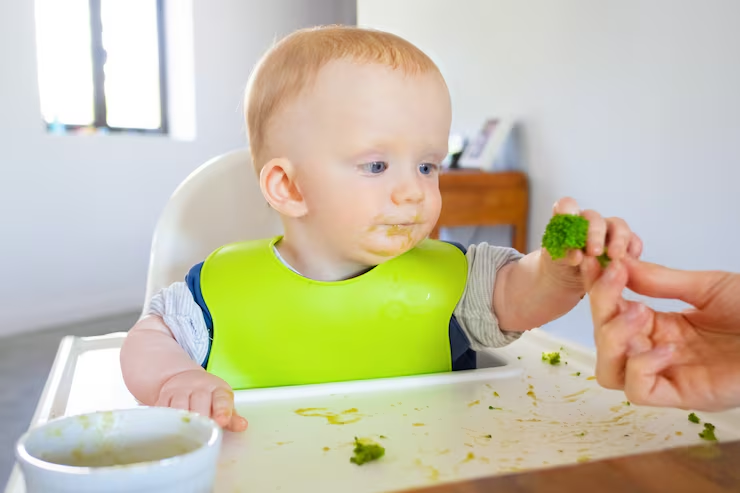
Quick Answer: When introducing solids to baby, start around 6 months when they display key readiness signs like strong head control, sitting with minimal support, and loss of the tongue-thrust reflex. Begin with thin, iron-rich single-ingredient purées or soft mashes (such as iron-fortified cereal, sweet potato, or avocado) once a day. Introduce top allergens one at a time, wait 3–5 days between new foods to watch for reactions, and strictly avoid honey, added salt, and whole choking hazards under 12 months.
Parenting is a beautiful journey, and when it comes to introducing solids to a baby, every parent is eager to learn about which foods are suitable for the baby after six months of age. In this detailed guide, I will help you in understanding when your baby’s body is ready to take solids.
You will explore different feeding methods like spoon-feeding and baby-led weaning. When introducing allergenic foods safely, this guide will include sample meal ideas and troubleshooting tips, along with guidance for special diets. By the end of this guide, you will have all the necessary information to introduce solids to your baby without complications.
What are Stage 1, Stage 2, and Stage 3 in baby food?
Baby food stages are completely based on the baby’s food texture, thickness, and variety that change when the baby grows or develops new feeding skills. These stages are created to understand the baby’s digestive needs, ability to chew, and other skills like swallowing. Each stage is connected to each other, as it helps in the baby’s transition from milk-only feeding to solid food items.
What are baby food stages?
Baby food stages are basically simple guidelines used by many parents and by some food brands to help in introducing solids to babies in a safe, age-appropriate way. The stages focus on:
- Food texture like soft and chunky
- Thickness like thin purées to soft solids
- Ingredient variety
- Self-feeding readiness
Stage 1 Baby Food (4 to 6 months)
The stage 1 food is for babies whose age is between 4 and 6 months; it includes very smooth, thin purées, as babies in this month range just start taking solids.
This stage is just based on simple and single-ingredient foods. The food item should have a smooth, runny texture that can be easy to swallow. You can mix it with breast milk or formula for more nutrition and taste.
Stage 2 Baby Food (6 to 8 months)
Stage 2 is based on introducing thicker textures and flavors together as babies learn how to eat food by moving it around in their mouths. Stage 2 helps in improving chewing.
In this stage a single puree needs to be slightly thicker with some other combination of food items. However, the item needs to be small and very soft, and lumps may appear.
Stage 3 Baby Food (8 to 12+ months)
Stage 3 foods help babies to move from soft feeding to real table foods. This stage focuses on food that is chunky, mashed, or has minced textures. It also includes soft finger foods that babies can easily take without any help. The 3-stage isn’t just based on purees; it includes multiple ingredients and spices.
| Stage & Age | Texture & Consistency | Typical Portion Size | Example Foods | Key Developmental Skill |
|---|---|---|---|---|
| Stage 1 (4–6 Months) |
Smooth, watery, single-ingredient purées | 1–2 teaspoons (1x/day) | Puréed carrots, sweet potato, iron-fortified cereal | Swallowing non-liquid food |
| Stage 2 (6–8 Months) |
Thicker purées, combined flavors, soft mashes | 2–4 tablespoons (2x/day) | Mashed banana + yogurt, lentils + veggie blend | Moving food around mouth with tongue |
| Stage 3 (8–12+ Months) |
Chunky mashes, minced foods, soft finger foods | 1/4 to 1/2 cup (3x/day + snacks) | Soft pasta pieces, minced meat, diced avocado | Palmar grip, pincer grasp, chewing |
Are these stages important?
Baby food stages can be helpful for babies; however, it’s not a strict rule that is compulsory to follow. Every baby is different, as some babies pass all stages quickly, whereas some take more time.
The important thing is how you offer textures based on baby age. Also look at early signs like sitting with support, good head control, and interest in food. Avoid choking hazards and track the progress of the baby. Make sure everything you give to the baby needs to be safe.
Do parents have to start feeding solids by 6 months, or can they wait?
According to many health experts and health organizations, the recommended time for introducing solids to a baby is around 6 months of age; however, it is not compulsory for every baby to start solids the moment they turn six months old. The timing mentioned is based on the signs of readiness that babies exhibit rather than strictly their age. The signs of when a baby is ready for solids may vary because some babies get ready slightly earlier, while others may need a few extra weeks.
After turning 6 months, many babies start to develop physical abilities needed for eating solids. The early sign includes good control of both head and neck, which means the baby doesn’t need full support from you. from you. They eat food without throwing it out. When you eat food, babies get interested in eating it too. If you observe any signs indicating readiness in your baby, it suggests that they are prepared to start solids, as their nutritional needs begin to change at this stage.
At this age, babies need more iron and zinc, which can’t be found in breast milk or formula alone. However, if you introduce solids with breast milk or formula, then this combination can help in supporting growth and brain development.
You can wait for more than 6 months if the baby isn’t ready yet. Don’t be rushed or feel pressured, as it is a natural process and every baby is different.
However, timing matters; if you introduce solids after 7 to 8 months, it can lead to iron deficiency, feeding difficulties, or resistance to textured foods. Remember, introducing solids isn’t the replacement of breast milk or formula immediately. This transition takes time and depends on the baby’s age as well. If you are a new parent and unsure when your baby is ready for solid foods, then it is advisable to consult a pediatrician. pediatrician.
Important Signs to Check Your Baby Is Ready for Solids
Before introducing solids to your baby, it is essential to observe certain signs to determine if your baby is truly ready, as every baby is unique and may not be prepared for solids at exactly six months.
Good head and neck control
The first thing you need to check is if the baby is sitting properly with small support, or if the baby can, then it means the baby is ready for solids because proper sitting helps prevent choking.
Loss of tongue-thrust reflex
Mostly newborn babies throw up food suddenly because they are born with a reflex that pushes food out of their mouth. If you notice the baby isn’t throwing food out after 6 months, it means they can safely swallow solids.
Interest in food
When a baby gets interested in food or watching you eat and tries to eat it too and opens their mouth whenever you offer food, then it means they are ready for solids.
Increased appetite
Another sign that the baby is ready for solids is that they behave hungry even after a full milk feed.
Ability to chew or move food in their mouth
Even with gums, babies can mash soft foods with their tongue; it also means they are ready for solids.
| Milestone / Readiness Sign | Ready (Green Light) | Not Ready (Wait) |
|---|---|---|
| Head & Neck Control | Holds head steady without support while sitting | Head tilts back or sags forward |
| Seating Ability | Sits upright in a high chair with minimal support | Needs heavy propping or slouches heavily |
| Tongue-Thrust Reflex | Swallows food instead of pushing it back out | Automatically pushes spoon/food out with tongue |
| Hand-Eye Coordination | Reaches for food, brings items accurately to mouth | Shows no interest in grabbing food or tools |
| Interest Level | Watches parents eat, tracks food movement | Indifferent to food nearby |
Methods for Introducing Solids to a Baby
After looking at the signs of whether the baby is ready for solids or not, let’s now look at what methods you can use in introducing solids to the baby.
Traditional Spoon-Feeding
One of the most traditional and easy methods parents use is traditional spoon-feeding. In this method a baby just gets single-ingredient purees, like vegetables such as sweet potato, carrot, and zucchini. Fruits such as pear, apple, or avocado. Grains like iron-fortified baby cereal.
Start to introduce the following food items, like 1 to 2 teaspoons in a day, and then you can increase the quantity from time to time. Remember, this introduction isn’t a replacement for breastmilk or formula. They have to be the main source of nutrition, at least for 12 months.
Baby-Led Weaning (BLW)
Another feeding method is Baby-Led Weaning (BLW); it allows the baby to feed independently without any help with appropriately sized foods instead of depending on a feeding method like spoon-fed purees.
The main benefit of the BLW method is that it’s completely independent and based on hand-eye coordination. It helps in improving chewing and swallowing skills.
In the BLW method there is a list of food items used to feed babies, such as carrot sticks, broccoli florets, bananas, ripe pears, avocados, shredded chicken, tofu, and scrambled eggs.
Make sure to always double-check meals before giving them to your baby. Always cut food into small sizes before giving it to the baby. Avoid food items that can choke, such as grapes, nuts, or hard raw carrots.
For best results, many parents use both feeding methods, like purees and BLW, together. They start with the first method, which is spoon-feeding, and then go to finger foods.
Baby-Led Weaning (BLW) vs. Traditional Spoon-Feeding Chart
| Feature | Baby-Led Weaning (BLW) | Traditional Spoon-Feeding |
|---|---|---|
| Primary Approach | Baby self-feeds soft, finger-sized solids from day one | Parent feeds smooth purées with a spoon |
| Key Benefits | Encourages self-regulation, motor skills (pincer grasp) | Less messy, easier to track exact volumetric intake |
| Main Challenges | High food waste, high initial mess | Takes longer to transition to table-food textures |
| Choking Risk | Equal (when food is prepared appropriately) | Equal |
Is it okay if the baby drinks less milk after starting solids?
Yes, it is completely fine and normal for a baby to drink less milk while starting to take solids; in fact, in many cases it is completely safe. When you introduce solids to babies, they explore new tastes and textures, so they become more interested in solids instead of milk feeds. However, it is important to keep in mind that milk should remain a primary source of nutrition in a baby’s diet, especially for infants up to one year old and during the initial months of introducing solid foods.
When you introduce solids to a baby for the first time, usually they eat a small amount, so you don’t need to reduce the milk feed. However, when babies get comfortable with solids, they start drinking less milk, and then it is completely fine and normal. It is essential to provide regular milk feeds to babies. Solids can be a good addition to a baby’s diet, but don’t consider them as a replacement for milk.
The main problem occurs when a baby starts to refuse milk or shows poor weight gain; then it is recommended to always go for a pediatrician, as they will guide you about it more. Many experts suggest feeding milk first, then giving solids, especially for a 6-month-old baby. When a baby becomes 9 to 12 months old, then solids can play a more important role, whereas many pediatricians advise giving milk to babies for at least 12 months of age.
How to Introduce Allergenic Foods Safely?
According to the modern research, the early introduction of allergens can minimize the risk of food allergies. Some common allergens are eggs, peanuts, dairy, fish, soy, and wheat.
Start by introducing one item from the list at a time, then wait for at least 5 days before giving a new allergen to the baby. Make sure to give the baby a small amount of allergen, and then if you don’t see any reactions like rash, vomiting, swelling, or difficulty breathing in the baby, then increase the quantity. If you observe any reaction, then go to the doctor at your earliest. If you can’t remember what you gave the baby last time, then track everything in a journal.
Baby Allergen Introduction Timeline
Introduce top allergens one at a time in the morning. Wait 3–5 days between new foods to observe for reactions.
Peanuts
Smooth peanut butter thinned with warm water, formula, or breast milk
Egg
Well-cooked scrambled egg or hard-boiled egg mashed smooth
Dairy & Soy
Plain whole-milk Greek yogurt or soft mashed organic tofu
Tree Nuts, Sesame, Fish
Smooth almond butter, tahini, or fully cooked low-mercury fish (salmon)
What is the timeline for introducing solids to a baby?
When it comes to introducing solids, the main thing that matters is the timing of giving it to babies. Introducing solids is a long-term process that takes over several months instead of just some days or weeks. Mostly first parents give milk to babies, then solid food items, as milk is a main source of nutrients like iron; it also helps in the development of appetite. Here is a general timeline as follows:
Readiness Phase (4 to 6 months)
Many babies aren’t prepared for solids before 4 months; however, between 4 and 6 months, most parents start noticing signs, or you can say the readiness phase occurs, which includes improved head control, interest in food, or bringing objects to the mouth.
All you need to do is notice signs before introducing solids to your baby.
Introducing First Solid Foods (6 months)
The recommended time for introducing solid foods to a baby is 6 months. You can introduce solids one to two times a day, but keep the amount small, and also don’t skip feeding milk.
You can introduce solids like mashed foods, smooth purees, cereals, lentils, meat purees, or beans. All these single food items can help in identifying sensitivities. At this stage the exposure is important instead of the meal.
Building Variety and Texture (6 to 8 months)
When your baby becomes more comfortable eating, then you can introduce a thicker texture. After 6 months babies start moving food in their mouths and even swallow more efficiently. During this 6- to 8-month phase, you can introduce thicker or slightly lumpy foods to the baby. You can also introduce some flavor combinations; however, the intake of milk should remain the same. Babies can eat solids 2 to 3 times in a day based on their interest.
Transitioning to Finger Foods (8 to 10 months)
After 8 months many babies are fully ready for soft finger foods and more textured meals. The chewing ability of babies gets improved, and they can eat the food with both hand and mouth coordination at this time. You can give food items like soft chopped or mashed foods. Finger foods like soft fruits, vegetables, or pasta. However, milk remains important throughout the timeline.
Toward Family Foods (10 to 12+ Months)
By 10 to 12 months a baby can be easily comfortable eating a different range of textures and flavors and begin joining family meals, so at this timeline you can give babies meals that are close to family food but with no salt or sugar. You can set a limit of 3 solid meals in a day with snacks, whereas milk remains the same.
For more understanding, I create a personalized chart as follows:
| Stage / Milestone | Age / Progression | Details & Tips for Success |
|---|---|---|
| Starting Solids | 4–6 Months | Pureed single-grain infant cereal, single-ingredient purees (avocado, sweet potato, carrot). Baby should show readiness signs: good head control sitting with support, showing interest in food. |
| First Foods | Initial Stage | Pureed single-grain cereal, pureed fruits & vegetables (avocado, carrot). Offer small amounts (1–2 spoons/day), watch for allergic reactions, and introduce one new food every 3–5 days. |
| Texture Progression | 6–8 Months | Move to thicker purees, mashed foods, soft & dissolvable items (small pieces of cooked pasta, soft fruits). |
| More Variety & Self-Feeding | Next Stage | Offer thicker soft purees, mashed foods, and soft finger foods (small pieces of cooked pasta, soft fruits). |
| Family Foods & Utensils | Advanced Stage | Introduce small, soft pieces (proteins like cooked chicken, legumes) & a wider range of fruits/veggies. Encourage spoon-holding. |
| Table Foods | 10–12+ Months | Offer finely chopped table foods, encourage self-feeding with hands/fork, and transition from bottle/breast to a sippy cup with water. |
Food Safety & Meal Preparation
Keeping the baby safe during the process is important here are some cautions you can take.
- Make sure to wash your hands before giving food to babies.
- Make sure to cook the food till it gets soft and can be mashed easily.
- Store foods properly, and don’t give a baby something that has been refrigerated for days.
- Avoid giving babies food items like nuts, popcorn, whole grapes, and large chunks of raw veggies, as they can lead to choking.
- Ensure the baby sits upright while eating.
Responsive Feeding & Recognizing Baby’s Cues
Responsive feeding helps your baby develop healthy eating habits:
- Observe signs that a baby is ready for solids, then let the baby decide how much to eat.
- Observe when the baby becomes full, which means the baby starts throwing food, closing their mouth, or even not being interested in eating more.
- Don’t pressure the baby more to eat or finish the remaining food.
- After the baby is done eating, appreciate the baby by smiling.
- Let the baby explore food by touching, smelling, or tasting it.
Sample Meal Plans & Food Ideas by Age Chart
| Age Group | Daily Meal Schedule | Breakfast Ideas | Lunch Ideas | Dinner Ideas | Recommended Snacks |
|---|---|---|---|---|---|
| 6–7 Months | 1 meal/day + Milk feeding | Warm iron-fortified oatmeal mixed with breast milk/formula | Smooth pureed sweet potato or zucchini | Mashed avocado or pureed carrots | Breast milk or formula (solids are just for tasting) |
| 8–9 Months | 2 meals/day + Milk feeding | Mashed banana with plain full-fat Greek yogurt | Soft-cooked lentils with pureed butternut squash | Finely shredded soft chicken with mashed broccoli | Steamed apple slices or soft banana spears |
| 10–11 Months | 3 meals/day + 1 snack | Scrambled egg yolk with quartered blueberry pieces | Minced turkey meatball with well-cooked ditalini pasta | Flaked baked salmon with soft-steamed carrot sticks | Full-fat cheese cubes or soft cucumber spears |
| 12+ Months | 3 family meals + 2 snacks | Whole egg omelet strips with diced avocado & fruit | Chopped chicken breast with soft rice & steamed peas | Soft family meal: minced beef, well-cooked pasta, baked sweet potato | Whole milk yogurt, steamed fruit slices, or oat bars |
Common Challenges Parents Face When Introducing Solid Foods to Babies
Refusal of Food: When babies don’t like the food or get bored of it, then they start refusing it, so then you can offer other food items in a day, but make sure not to pressurize the baby to eat.
Constipation: To avoid constipation in a baby, you can add high-fiber foods like pureed prunes, peas, or pears to their diet. Also make sure to provide milk and water in good amounts too.
Loose Stools: Many babies face this problem when other food items are introduced in the diet, so make sure to avoid giving babies excess fruit juice. Introduce solids in limited amounts.
Messy Feeding: All babies mess food items when you try to feed them; it is a fun part of being a parent. Make sure to use bibs, trays, and easy-to-clean surfaces.
Persistent Problems: If feeding issues continue, consult a pediatrician or pediatric dietitian.
Cultural, Dietary, and Special Considerations
- If you are a vegetarian or vegan, then you can introduce lentils, tofu, beans, mashed avocado, and nut butters (if no allergy) as food items to the baby.
- If you prefer gluten-free options, then you can introduce rice, quinoa, and gluten-free cereals to babies.
- In some cultures spices are a part of every family food, so adjust it for baby safety.
- If your baby has any allergy or medical condition, then consult with a pediatrician or nutritionist for special diets.
What Foods to Avoid for Babies?
As a parent, you should avoid giving a list of food items to babies, as they can cause choking risks, safety concerns, or digestive immaturity.
| Category | Food / Ingredient | Reason for Warning | Safe Alternative / Recommendation |
|---|---|---|---|
| Strictly Avoid | Honey (raw or cooked) | High risk of infant botulism (a serious illness) | Wait until 12+ months (use pureed fruits for natural sweetness) |
| Strictly Avoid | Whole Nuts, Seeds & Popcorn | Extreme choking hazard | Smooth, thinned nut butter mixed into oatmeal or purées |
| Strictly Avoid | Hard Raw Vegetables (e.g., raw carrots) | Extreme choking hazard | Steam, roast, or cook until soft enough to smash between fingers |
| Strictly Avoid | Whole Grapes & Cherry Tomatoes | Block airway due to round shape | Quarter vertically into long, thin strips |
| Strictly Avoid | Chunky Meat, Cheese Cubes, Thick Nut Butter | Choking hazard | Shred meat finely, grate cheese, or thin out nut butter |
| Strictly Avoid | Cow’s Milk (as a main drink) | Difficult to digest; lacks iron and key nutrients | Stick to breast milk or infant formula until 1 year |
| Limit / Minimize | Added Salt & Sugar | Strain on infant kidneys; sets unhealthy taste preferences | Use mild herbs and spices (cinnamon, cumin) for flavor |
| Limit / Minimize | Processed & Packaged Snacks | High sodium, unhealthy fats, low nutritional value | Offer whole foods like avocado slices, soft fruit, or plain yogurt |
| Limit / Minimize | Fried or Fast Foods | Hard to digest and low in essential vitamins | Bake, steam, or roast ingredients instead |
| Limit / Minimize | Fruit Juice & Sugary Drinks | Causes tooth decay and fills tummy with empty calories | Offer small sips of open-cup water at meal times |
| Limit / Minimize | Artificial Sweeteners | Unnecessary chemical additives for developing infants | Avoid diet products completely |
What are the best first foods for Baby?
The first food you introduce to a baby needs to be soft, easy to swallow, and rich in nutrients like iron and fats. Here is a list of the best first food items for a baby as follows:
- Iron-fortified baby cereal
- Puréed lentils or beans
- Mashed avocado
- Puréed chicken, beef, or turkey
- Soft-cooked and puréed vegetables
- Plain, full-fat yogurt
- Mashed fruits like pear or apple
Make sure to start with just a single food ingredient, then combine it with other food items when the baby enjoys eating.
| Food Item | Key Benefits |
|---|---|
| Iron-Fortified Baby Cereal | Excellent source of iron |
| Puréed Lentils / Beans | Good source of iron & protein |
| Mashed Avocado | Healthy fats for brain development |
| Soft-Cooked & Puréed Vegetables (Sweet Potato, Carrot) | Essential vitamins, minerals & gentle fiber |
| Puréed Meats (Chicken, Beef, Turkey) | High-quality protein, iron & zinc for growth |
| Plain, Full-Fat Yogurt | Protein, calcium & healthy fats |
| Mashed Fruits (Pear, Apple, Banana) | Natural sweetness, essential vitamins & antioxidants |
What if Baby doesn’t want solids?
Well, it is very common and natural for babies to show less interest, especially when they are introduced to solids for the first time. Introducing solids is a learning process for both babies and parents; it can’t be considered as a sudden and quick change in baby diet because it is a long-term process. Some babies eat solids the first time because they are curious, whereas some take more time to get comfortable with the new taste, texture, and eating habit.
In 1 to 2 weeks of solid introductions, a baby may reject food right away and throw it out of the mouth or even take a small amount and then behave as if not interested. All these signs don’t mean the baby doesn’t like the food; however, they mean your baby needs time to adjust to new food items. In this phase, make sure to give breast milk to meet the nutritional needs, so there is no pressure for solids to be eaten in large amounts at this stage.
What Foods Do Babies Tend to Love the Most?
| Food Category | Popular Food Items | Why Babies Love It | Preparation & Texture Tip |
|---|---|---|---|
| Naturally Sweet Veggies | Sweet Potatoes, Carrots, Butternut Squash | Naturally sweet flavor and smooth texture | Roast or steam until very soft; purée or mash smoothly |
| Mild & Creamy Fruits | Bananas, Avocados, Pears, Mangoes | Naturally sweet taste and gentle, non-acidic mouthfeel | Mash ripe banana/avocado; steam hard fruits like pears before puréeing |
| Creamy Dairy & Alternatives | Plain Full-Fat Greek Yogurt, Ricotta | Cool, smooth texture that calms gums during teething | Serve plain or swirl in a little unsweetened fruit purée |
| Comforting Grains | Iron-Fortified Oatmeal, Warm Porridge | Mild, comforting flavor that pairs well with fruits | Mix with familiar breast milk or formula for an easy taste transition |
| Savory & Mild Proteins | Soft-Cooked Lentils, Mild Fish (Salmon), Scrambled Eggs | Soft to chew and easy to swallow with gentle savory flavors | Mash lentils well, flake salmon carefully (check for bones), or scramble soft eggs |
When to Reach Out to Your Provider?
Contact your pediatrician or healthcare provider if you notice any of the following:
- When the baby refuses to eat any solid food item even after 7 to 8 months.
- When the baby isn’t gaining any weight and grows slowly after starting solids.
- When the baby starts vomiting, choking, or experiencing difficulty in swallowing solids.
- When you notice a baby showing signs of food allergy, like hives, swelling, vomiting, and wheezing.
- When you notice the baby is having extreme constipation or painful stools.
- After having solids, a baby may face diarrhea.
- Extreme gagging that does not improve with time
- Baby looks tired, weak, and uninterested in feeding.
Frequently Asked Questions by Parents on Introducting Solids to Baby
Should I be concerned about mercury in baby food?
Yes, mercury exposure can be a concern, as some fishes are high in mercury; however, it can be easy to manage. Avoid introducing high-mercury fish to babies, such as shark, swordfish, king mackerel, and tilefish. You can go for low-mercury fish options like salmon, sardines, and trout, as they are full of nutrients good for baby health.
How often should a baby poop after starting solids?
Many people notice the bowel habit of a baby gets changed when they introduce solids to them. Some babies poop on a daily basis, while some face constipation and poop after a few days.
Normal stools and less frequent bowel movements are common at first, but if you notice long stools that are hard and painful, then go to the doctor at your earliest.
How to Introduce Solids to Infants?
You can introduce solids, in fact, by just offering a small amount of smooth, single-ingredient foods once or twice a day when the baby is hungry and alert. Continue giving baby milk, as it is a main source of nutrition.
When Can Babies Eat Food?
Most babies are ready to eat solids when they turn 6 months old. The main signs include they can sit with small support, control their head and neck, and show interest in food.
Can I Start Solids Before 6 Months?
No, it is recommended by many health experts to wait till 6 months, then introduce babies to solids only when you notice signs like proper sitting, interest in food, and proper grip of the neck and head.
How Many Meals a Day Should My Baby Have?
Meal frequency depends on age:
- 6 months: 1–2 small meals
- 7–9 months: 2–3 meals
- 9–12 months: 3 meals with optional snacks
Please note to give milk to babies regularly and on a daily basis till they turn 1 year old.
Can I Give Water or Juice?
Yes, you can start introducing water after 6 months to a baby with a meal; however, I don’t recommend juice because it is high in sugar and low in nutrition, which can later cause loose stool. Consider breast milk or formula as the primary drink.
How Do I Combine Breast Milk or Formula With Solids?
You can feed milk to babies before giving them solids, especially in the early months. Milk will be the main source of nutrition for babies for at least 12 months, whereas solids will become a natural and main part of baby life naturally.
My Baby Gags During Feeding—Is It Normal?
Yes, it is very normal for babies to gag during feeding, especially on solids, as it is a learning stage in their journey. Gags are completely different from choking and can usually go away when the baby becomes used to solids. Always make sure to give food items to the baby in small quantities and age-appropriate sizes.
Also Read: 4 Month Sleep Regression: Why It Happens & How to Fix It
Conclusion
Introducing solids to a baby is a joyful and exciting part of parenting that helps in building healthy eating habits among babies. All you need to understand are the early signs a baby shows and what safe feeding methods you can use to introduce solids. How you can introduce allergenic foods to a baby. By following all these, you can help the baby in switching to a new food habit.
Remember, every baby is different. Some like to introduce solids the first time, while others take time. So observe your baby, adapt to their needs, and enjoy the journey of exploring new foods, textures, and flavors together.
Medical Disclaimer: This content is for informational purposes only and does not replace professional medical advice. Always consult a pediatrician or qualified healthcare provider regarding your baby’s feeding, health, or development.
Primary government and public health authorities
- Centers for Disease Control and Prevention (CDC) – Guidance on when, what, and how to introduce solid foods safely to infants.
- U.S. Department of Agriculture (USDA) – Joint dietary guidelines for infants and toddlers covering essential nutrient needs.
- American Academy of Pediatrics (AAP) – Clinical guidelines on starting solids, identifying readiness signs, and safe allergen testing.
- National Health Service (NHS) – Public health recommendations on weaning stages, safe food textures, and prohibited foods under 12 months.
- World Health Organization (WHO) – Global standards for complementary feeding and nutritional requirements.
