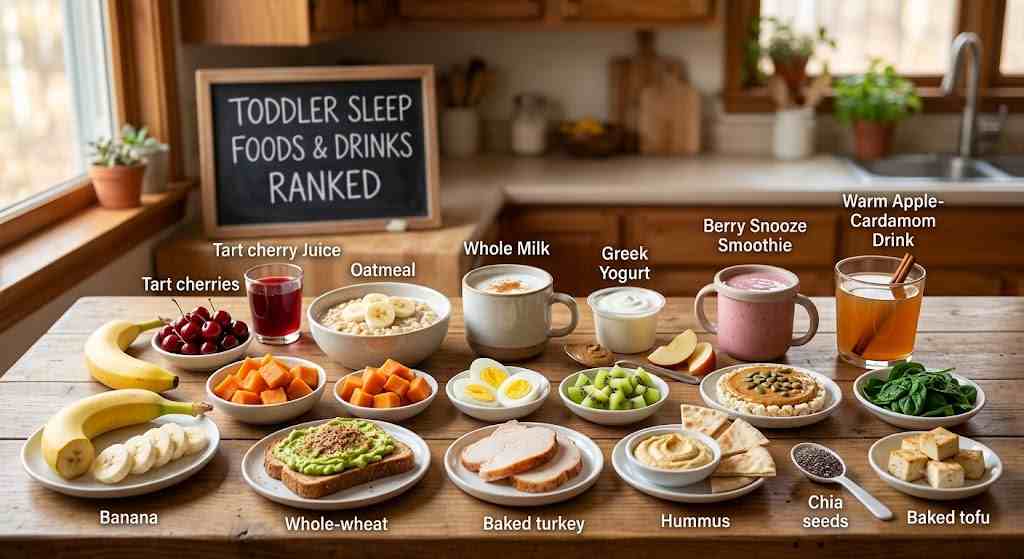
Quick Summary: Foods that help in a toddler’s sleeping cycle include bananas, oats, yogurt, milk, eggs, and whole grains. All these food items provide magnesium, tryptophan, calcium, and complex carbohydrates that support sleep hormones in the body. You can also give snacks at night that will help toddlers feel full, calm, and comfortable.
When you become a parent, you pay attention to kids’ diets properly. A parent understands what food items are good for kids’ health, so they give them to them; however, they don’t know what foods are causing bloating in kids or what foods cause sleep disturbance. As a mother and nutritionist, I have deep knowledge about food.
The main reason why kids’ sleep gets disturbed or they wake up at night is hunger or blood sugar. When a child eats something 1 or 2 hours before bed, timing it directly impacts how they feel asleep or awake at midnight.
Certain foods that help toddlers sleep through the night have elements, amino acids, and minerals like tryptophan, magnesium, calcium, and complex carbohydrates. All of these signal the brain to slow down and muscles to relax and produce sleep hormones.
In this guide I will break down what food items toddlers can eat for better sleep or what to avoid. Also, the routine and timing they need to follow for better sleep, so as a parent, you know everything.
How Food Impacts Toddler Sleep (The Science)
Before going into the list of 20 food items that help toddlers to sleep, let’s look at the four main nutrients that promote sleep:
Tryptophan is an essential amino acid that the brain converts into serotonin, known as the relaxation hormone, and into melatonin, a sleeping hormone.
Magnesium & potassium work as natural muscle relaxants, which calm the nervous system and minimize nighttime restless legs or sudden twitching. Calcium helps the brain to use tryptophan to synthesize melatonin efficiently.
Lastly, the complex carbohydrates reduce blood sugar crashes at midnight, which is responsible for adrenaline and cortisol spikes.
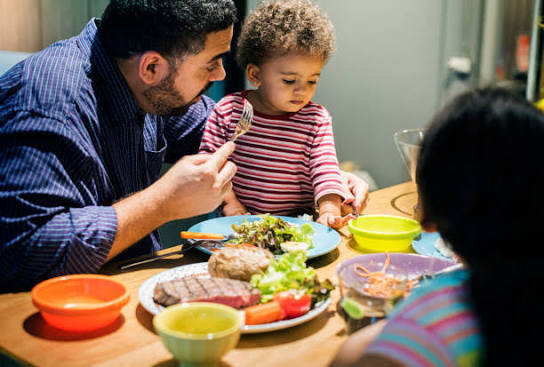
20 Best Foods for Toddler Sleep well at night
1. Bananas
It contains all the essential nutrients like magnesium, potassium, vitamin B6, and tryptophan. Bananas work as natural muscle relaxants. The vitamin B6 found in bananas helps to convert relax hormones into sleep ones.
- How to Serve: Slice bananas into small pieces and serve them on warm oatmeal or mashed with some almond butter.
2. Tart Cherries (or 100% Tart Cherry Juice)
It contains natural melatonin and antioxidants. Tart cherries are listed among the few natural foods that are high in melatonin; according to studies, tart cherry juice helps in increasing sleep duration among kids.
- How to Serve: Give toddlers 2–4 oz of 100% tart cherry juice mixed with little water before 30 to 60 minutes of sleep time. If they love drinks, give them frozen tart cherries in a smoothie.
3. Oatmeal
They contain complex carbs, melatonin, fiber, and B vitamins. Oatmeal works for kids because they digest it slowly, giving toddlers steady energy at night without increasing blood sugar. They also have a small amount of melatonin.
- How to Serve: Give toddlers a small and warm bowl of cooked-in-milk oatmeal.
4. Warm Milk
It contains tryptophan, calcium, and protein. The calcium in it helps the brain to convert tryptophan into melatonin. Warm milk temperature is also comforting and helps in better digestion.
- How to Serve: Give toddlers a small 4–6 oz cup before 30 minutes of brushing teeth.
5. Plain Greek Yogurt
It contains calcium, protein, and tryptophan. Greek yogurt is rich in protein, which lets the kids’ tummies be full, whereas calcium boosts the production of melatonin.
- How to Serve: Give toddlers Greek yogurt at night with sliced bananas and a little nut butter. Avoid giving them flavored yogurt, as they are high in refined sugar.
6. Almond Butter
It contains magnesium, healthy fat, and protein. Almond butter is rich in magnesium, which calms the nervous system, whereas healthy fats slow down the digestion. This will keep children hunger-free in the morning.
- How to Serve: To give almond butter to toddlers, spread it on toast or apple slices.
7. Sweet Potatoes
They are rich in complex carbs, potassium, and magnesium. The combination of potassium and magnesium helps in relaxing muscles, whereas the carbohydrate keeps the blood sugar levels in control the whole night.
- How to Serve: Give toddlers sweet potatoes in mashed style with some touch of butter.
8. Hard-Boiled or Scrambled Eggs
It contains tryptophan, protein, iron, and vitamin D. Eggs are the best source of tryptophan. The protein in it digests easily and prevents hunger at night.
- How to Serve: Give toddlers a hard-boiled egg or soft scrambled eggs for dinner or as evening snacks.
9. Kiwi
It contains serotonin precursors, vitamin C, vitamin E, and folate. According to research, eating kiwi before bedtime can help you sleep faster and longer because of serotonin and antioxidant content.
- How to Serve: Give toddlers peeled and diced kiwi into small, manageable bites.
10. Cottage Cheese
It contains casein protein, tryptophan, and calcium. Cottage cheese is rich in casein, which is a slow-digesting protein that releases amino acids the whole night that prevents wake-ups.
- How to Serve: Give toddlers plain or pair with peaches or berries.
11. Whole-Wheat Toast
It contains complex carbohydrates and B vitamins. Carbohydrates can trigger a small and healthy release of insulin, which helps the tryptophan to clear out and reach the brain faster.
- How to Serve: Give toddlers 1/2 slice of whole-grain bread, toasted, and add mashed avocado or nut butter to it.
12. Turkey
It is rich in tryptophan and lean protein. Turkey is famous as it has sleep-inducing properties when it digests, releasing a solid dose of tryptophan and protein, which helps the blood sugar to stabilize.
- How to Serve: You can give a slice of turkey breast, rolled or diced, at dinner.
13. Peanut Butter
It contains healthy fats, tryptophan, and magnesium. Peanut butter provides sustained satiety so toddlers sleep long and don’t wake up because of hunger.
- How to Serve: To give it to kids by spreading it on whole-wheat crackers or banana slices. If your kids have a peanut allergy, then avoid it completely.
14. Pumpkin Seeds (Ground or Pepita Butter)
It contains magnesium, zinc, and tryptophan. A single tablespoon of pumpkin seeds delivers a good dose of magnesium and zinc, which helps in muscle relaxation and neurocalming.
- How to Serve: Grind the seeds into powder and add them over oatmeal or yogurt as a topping.
15. Chickpeas / Hummus
It contains vitamin B6, tryptophan, and fiber. Chickpeas are rich in B6, which is important for synthesizing serotonin. Whereas the protein and fiber keep the digestion slow.
- How to Serve: Give toddlers a few spoonfuls of hummus with soft pita bread or steamed carrot sticks.
16. Chia Seeds or Ground Flaxseed
It contains magnesium, omega-3 fatty acids, and fiber. Chia seeds or ground flaxseed has omega-3, which supports brain health and also improves the sleeping cycle, whereas magnesium relaxes the muscles.
- How to Serve: Add 1/2 teaspoon of ground flax or chia seeds into toddlers’ milk, oatmeal, or yogurt.
17. Avocado
It is rich in magnesium, potassium, and healthy monounsaturated fats. Avocado is high in all these nutrients, keeps toddlers full, and stops blood sugar spikes.
- How to Serve: You can give toddlers avocado mashed on whole-grain toast or as a dinner side.
18. Brown Rice or Quinoa
It contains complex carbohydrates and magnesium. Brown rice or quinoa has a low glycemic index, meaning it releases glucose slowly into the bloodstream, so it won’t cause spikes at night.
- How to Serve: Give it to toddlers at dinner with soft-cooked veggies and a lean protein.
19. Spinach / Cooked Leafy Greens
It contains magnesium, calcium, and iron. Spinach and cooked leafy greens calm the muscle and help in the production of melatonin.
- How to Serve: You can add it to toddlers’ bedtime smoothies or finely chop it into paste sauce.
20. Tofu
It contains plant-based tryptophan, calcium, and isoflavones. Tofu is easy to digest because it is loaded with tryptophan and calcium.
- How to Serve: Soft-cubed and lightly sautéed or mashed into soup.
This is for informational purposes only. For medical advice or diagnosis, consult a professional.
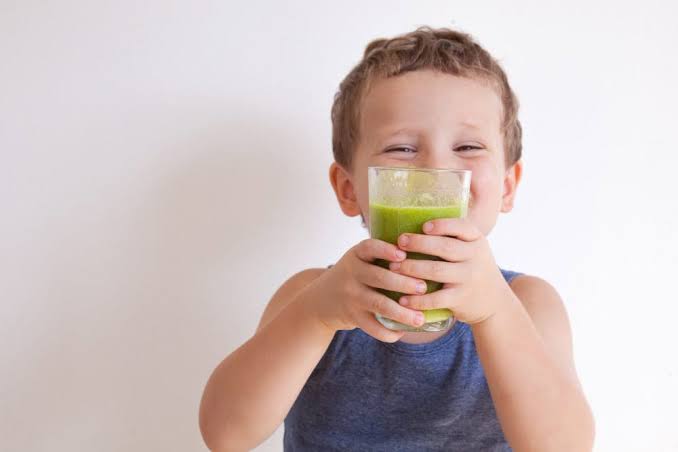
Bedtime Sleep Drinks & Smoothies for Toddlers
Beverages are much easier for toddlers at night as compared to solid foods. A drink is a combination of liquid sleep nutrients, which gives relaxation to kids at sleeping time. Here are my top 10 drinks for toddlers, which I give to mine at night:
1. Warm Pumpkin & Oat Milk Latte
Pureed pumpkin is rich in tryptophan, whereas oat milk helps in better digestion. Lastly, carbohydrates keep blood sugar steady all night.
To prepare it, you need to pour 4–6 oz of oat milk in a small saucepan. Add 1 tbsp of 100% pure pumpkin puree and a tiny amount of maple syrup.
2. Chamomile & Lavender Honey Steamer
Chamomile is rich in apigenin, which binds with brain receptors to promote sleep, whereas lavender reduces nervous system agitation. To prepare it, you need 1 caffeine-free chamomile tea bag and a pinch of lavender in hot water for four minutes. Strain everything off and add honey for toddlers over 12 months, and then stir in 3 oz of warm milk.
3. Creamy Kiwi & Spinach “Bedtime Green” Smoothie
According to much research, the kiwi helps in reducing night wake-ups because it is rich in serotonin, whereas spinach is rich in magnesium, which helps to relax toddler muscles.
To prepare it, you need to blend a peeled kiwi with a small handful of fresh baby spinach, 4 oz of milk (whether it is dairy or fortified soy), and lastly, 1 tbsp of plain yogurt to form a smooth texture.
4. Avocado & Vanilla Milkshake
Healthy fats are easy to digest and keep a toddler’s stomach full for hours, whereas potassium prevents leg twitching at night.
To make it, you need to blend 1/4 of a ripe avocado, 4–6 oz of warm or chilled milk, and 1/2 teaspoon of pure vanilla extract to form a creamy texture.
5. Warm Apple-Cinnamon Cashew Milk
Cashew milk is rich in magnesium and tryptophan; it can be a smooth non-dairy option. Cinnamon helps in regulating glucose levels at night.
To make it, you need 5 oz of warm cashew milk and a small splash of unsweetened apple juice with a pinch of cinnamon; mix well.
6. Mango & Greek Yogurt Lassi
Mangoes are rich in potassium and magnesium, which helps in regulating sleep, whereas Greek yogurt is rich in casein protein, which sustains amino acid release overnight.
To make it, you need to blend 2 cups of diced frozen mango with 2 tbsp of Greek yogurt and 4 oz of milk or water.
7. Warm Cardamom & Almond Milk Nightcap
Cardamom is used traditionally to soothe the digestive system when it is upset, which can be a main cause of kids waking up at night, whereas almond milk offers magnesium. To prepare it, you need 4–6 oz of warm unsweetened almond milk mixed with pure maple syrup in a small amount and a pinch of cardamom.
8. Berry & Ground Chia “Snooze” Smoothie
Omega-3s help in regulating the brain’s sleep-wake cycles, whereas ground chia seeds provide a thick consistency that keeps toddlers full for a long time. To make it, all you need is to blend 1/4 cup of blueberries or raspberries with 5 oz of milk and then add 1/2 teaspoon of ground chia seeds.
9. Warm Banana & Nutmeg Steamer
When you blend fresh banana with milk, it releases potassium and B6, whereas the nutmeg works as a natural nervous system relaxant traditionally.
To make it blend, take a half-ripe banana with 5 oz of warm milk and top it with a pinch of freshly grated nutmeg.
10. Sweet Potato & Vanilla Oat Milk Smoothie
Cooked sweet potato provides a velvety texture and releases complex carbs that prevent the adrenaline spikes. To make it, blend 2 tbsp of cooked and mashed sweet potato in 5 oz of oat milk, add a drop of vanilla extract, and add a pinch of cinnamon.
Quick Bedtime Snack Combinations
Giving a meal to kids that is rich in complex carbs, protein, and healthy fat helps toddlers to sleep peacefully at night.
| # | Snack & Nutrients | Why It Works | Quick Prep Tip |
|---|---|---|---|
| 1 | Banana + Almond Butter Tryptophan + Magnesium + Healthy Fats | Bananas relax muscles while healthy fats in almond butter slow down digestion to prevent 2:00 AM hunger. | Spread 1 tsp smooth almond butter over thin banana slices. |
| 2 | Warm Oatmeal + Flaxseed Complex Carbs + Melatonin + Omega-3s | Oats supply steady glucose to stop midnight blood sugar crashes; flaxseed provides calming Omega-3s. | Cook 1/4 cup oats in milk and stir in 1/2 tsp ground flaxseed. |
| 3 | Whole-Wheat Toast + Avocado Glucose + Magnesium + Potassium | Complex carbs help tryptophan reach the brain faster, while avocado keeps toddler tummies settled. | Mash 1/4 avocado onto 1/2 slice of warm whole-grain toast. |
| 4 | Greek Yogurt + Diced Kiwi Calcium + Serotonin + Casein Protein | Slow-digesting casein protein keeps hunger away, and kiwi delivers a natural serotonin boost for quick falling asleep. | Mix 2 tbsp plain Greek Yogurt with 1/2 peeled, diced kiwi. |
| 5 | Cottage Cheese + Peach Casein + Tryptophan + Natural Sugars | Casein steadily releases amino acids all night long to avoid early-morning wake-ups. | Top 2 tbsp cottage cheese with soft, diced fresh or canned peaches. |
| 6 | Egg + Sweet Potato Tryptophan + Protein + Potassium | Eggs deliver tryptophan while sweet potatoes offer potassium and carbs to relax nervous systems. | Pair 1/2 hard-boiled egg with a few soft steamed sweet potato cubes. |
| 7 | Hummus + Whole-Wheat Pita Vitamin B6 + Fiber + Complex Carbs | Vitamin B6 in chickpeas converts tryptophan into sleep-inducing serotonin efficiently. | Spread 1 tbsp smooth hummus over small, soft pita triangles. |
| 8 | Warm Milk + Turkey Slice Calcium + Tryptophan + Lean Protein | Calcium helps the brain process turkey’s tryptophan into melatonin to trigger sleepiness. | Serve 4 oz warm milk alongside 1 thin, low-sodium turkey slice rolled up. |
| 9 | Peanut Butter + Apple Healthy Fats + Magnesium + Fiber | Satisfying healthy fats prevent blood sugar dips without overloading a delicate digestive tract. | Thinly slice 1/4 apple and dip in 1 tsp smooth peanut butter. |
| 10 | Pumpkin Seed Butter + Rice Cake Magnesium + Zinc + Tryptophan | Concentrated magnesium calms muscle twitches, paired with a light, non-heavy grain. | Spread 1 tsp pumpkin seed butter on half a plain brown rice cake. |
Pro Tip for Parents: The calories of a night snack should be under 150, and make sure you serve the listed snacks at least 30 to 45 minutes before the bedtime routine so they digest well.
Foods to Avoid 2 Hours Before Bed
To keep a smooth and sleep-disturbance-free cycle, avoid the following items totally at night.
- High-Sugar Foods: Cookies, sugary cereals, and juice blends cause blood sugar spikes, leading to the release of adrenaline, which keeps toddlers awake at night.
- Heavy, Fried, or Greasy Foods: They Slow down digestion significantly, causing discomfort, gas, or acid reflux when lying down.
- Acidic Foods (Tomatoes, Citrus): They cause heartburn and tummy distress in young toddlers.
- Hidden Caffeine: Avoid chocolate, chocolate milk, ice cream, and iced teas.
Essential Rules for Bedtime Drinks (Safety & Timing)
Now we understand what to eat and drink or what to avoid; the next thing is to understand how timings and quantity play an important role at night.
Give them liquid drinks in portions of like 4–6 oz max because if you give a toddler a full cup of liquid before bed, it will cause wet diapers or midnight wake-ups.
Always give them a drink before 40 minutes of bedtime as part of a routine but never in bed. Let the kids brush teeth after the drink.
Avoid adding refined sugar, chocolate syrup, or excessive honey because sugar can cause nighttime adrenaline.
Natural Sleep Remedies for Toddlers
The main focus of natural remedies is to provide a gentle and safe sleep to toddlers without using any sleeping medication. The following are some strategies you can use that work best when it comes to toddler sleep.
Create a fixed bedtime routine for your toddler, as it will help the toddler’s brain to understand it is the time. You can do simple activities like a warm bath, quiet play, and reading a story before sleeping time.
Giving calming foods to toddlers in the evening also helps in sleeping peacefully. Foods like bananas, oatmeal, warm milk, yogurt, and sweet potatoes contain nutrients that support the production of a hormone known as melatonin, which leads to better sleep.
When it’s bedtime, make sure the bedroom area is dark, quiet, and cool. Use blackout curtains, soft lighting, and avoid making any noises.
You can also go for a light massage by just using child-safe oils; it will help in muscle relaxation and promote a better sleeping routine.
Use mild scents like lavender or chamomile in the bedroom at night, as they will help in making the environment relax, leading to better sleep.
Most Frequently Searched FAQs by Parents
What night food items for a 6-month-old baby?
At 6 months parents start giving solids to babies; however, it is important to keep in mind that giving something light at night is useful, such as
- Iron-fortified baby cereal mixed with breast milk
- Mashed banana
- Sweet potatoes or pumpkin mash
- Breast milk or formula
What night food items for a 9-month-old baby?
At 9 months now babies are starting to get used to solid foods, so they can handle the texture as well. You can give the following at night.
- Mashed oatmeal with breast or formula milk
- Yogurt, some spoons
- Mashed avocado or banana
What night food items for a 7-month-old baby?
At 7 months, you can introduce smooth vegetable purees, including carrot, squash, and sweet potato. Mashed banana or baby oatmeal. These food items make the baby less hungry at sleeping time.
What night food items for a 10-month-old baby?
At this age, babies can eat soft finger foods, so you can give them soft cooked rice, lentils, scrambled eggs, and mixed fruits with some yogurt.
What night food items for a 4-month-old baby?
At 4 months solids aren’t allowed for babies, so you can simply give breast milk or formula only.
How to get my 1-year-old baby to sleep?
Serve dinner at a fixed time every day. Add protein- and complex-carb-based food items in dinner. Give milk or breastfeed before bed. Avoid sugary items in the evening and night.
What are the after-dinner food options for toddlers?
If you want to give a toddler a small bedtime snack, go for banana slices with yogurt or oatmeal with milk and whole-grain crackers with cheese. Make sure the quantity is small.
What food items actually help toddlers sleep?
Sleep-supporting foods include:
- Oatmeal
- Bananas
- Yogurt
- Sweet potatoes
- Eggs
- Salmon
These foods contain nutrients that support relaxation and fullness.
What food do you give your baby before they go to bed to sleep well?
For babies milk works the best, and for toddlers oatmeal, yogurt, banana, and milk. Avoid sugary or spicy food items before bed.
What food can help a baby sleep while breastfeeding?
For breastfeeding babies, breast milk is the best option at night. As a mother, make sure you don’t drink coffee after evening and follow a balanced meal during the day to avoid any kind of sleep disturbance in the baby.
How to get my 2-year-old to sleep through the night?
All you need to follow are some quick tips, like offering a balanced dinner rich in protein and a light bedtime snack, maintaining a fixed bedtime routine, avoiding giving phones to the baby after evening, and trying to give the baby a bath before sleeping.
What foods affect children’s sleep?
Food items that are fried, spicy, and sugary, like chocolate, fries, soda, iced tea, and caffeine, can cause digestive issues or energy spikes that lead to sleep disturbances.
What foods help babies sleep longer?
The first one in the list is breast milk or formula. You can also give iron and complex carbohydrate foods like oats, lentils, sweet potatoes, and rice.
What can you give a toddler to help sleep?
- Warm milk
- Banana
- Oatmeal
- Yogurt
Pair food with a calm bedtime routine.
What puts toddlers to sleep fast?
A fixed bedtime routine, dark room, zero noise, and a full but light dinner can put toddlers to sleep fast.
What drink helps toddlers sleep?
Warm milk and water can help toddlers in sleeping; however, avoid juice, chocolate milk, or sugary drinks at night.
What causes poor sleep in children?
- Hunger
- Too much sugar or caffeine
- Unfixed sleep schedules
Can lack of food make it hard to sleep?
Yes, if a child is hungry, it can lead to night wakings, early-morning waking, and restlessness.
Can giving my toddler milk before bed cause nighttime wake-ups?
Yes, it can if it’s not managed perfectly, while milk contains calcium and tryptophan, but giving kids these in high amounts can lead to heavy diapers and midnight wake-ups. If kids don’t brush after drinking milk at night, it can lead to tooth decay and silent acid reflux.
Why does my toddler wake up hungry at 2:00 AM even after a big dinner?
Toddlers usually wake up at night because of a blood sugar crash rather than because they are hungry. If dinner had items like white pasta, sugary sauces, or sweet treats, which are high in refined carbohydrates or sugar, then it can cause blood sugar spikes that lead to the release of adrenaline, a stress hormone that wakes kids up.
Are natural sleep supplements or melatonin gummies safe for toddlers?
Pediatricians strongly advise against giving toddlers over-the-counter melatonin gummies generally. You can only give them after a doctor prescribes them for neurodevelopment conditions. The synthetic melatonin in the gummies creates disturbances in children’s hormonal development, so always give kids natural food sources of melatonin like tart cherries, oats, and bananas to promote a better sleeping cycle.
Will feeding my toddler a heavy meal right before bed help them sleep longer?
Not feeding a toddler heavily before sleep can be a bad option because digesting heavy, high-fat, and oversized meals needs physical movement. Heavy meals at dinner lead to digestive issues like aches, gas, and indigestion in toddlers. Keep late-night snacks light and under 150 calories.
A sample meal plan for Toddlers to sleep well
Breakfast: You can give oatmeal made in milk, sliced bananas, and berries. For drinks, give water or milk.
All these food items contain complex carbs and calcium, which help in providing energy and supporting sleep hormones.
Mid-Morning Snack: You can give apple or pear slices with some yogurt.
All these food items contain light protein and fiber to keep blood sugar stable.
Lunch: You can give brown rice, whole-wheat roti, lentils (dal) or beans, and steamed vegetables like spinach, carrots, and peas. Iron, protein, and complex carbs prevent afternoon fatigue and evening crankiness.
Afternoon Snack: You can give whole-grain toast with peanut or almond butter and a small bowl of fruit.
All these food items contain healthy fats and carbs that provide long-lasting energy without sugar spikes.
Dinner (2–3 hours before bed): You can give grilled or baked chicken, turkey, and tofu with sweet potato or brown rice.
All these food items contain protein, which helps keep toddlers full; complex carbs promote calmness.
Bedtime Snack (Optional): You can give banana slices with a little almond butter or warm milk with a drizzle of honey (for children over 1 year).
All these food items Supports melatonin production and prevents night hunger.
Conclusion
Choosing the right foods that help toddlers sleep through the night can make a huge difference in a child’s bedtime routine. A balanced meal that is rich in complex carbohydrates, protein, and healthy fats such as magnesium, calcium, and tryptophan helps a child’s tummy stay full and keeps blood sugar levels stable, which leads to a better sleeping cycle at night.
Also Read: Can 1 Year Old Have Honey? Safety Guide & Age Limits
You can also pair a balanced meal with proper timing, play activities in the day, take a bath before bedtime, and create a peaceful room environment to get better results in a child’s sleeping cycle. Make sure to avoid sugary or heavily processed foods in the evening, as they can create problems in the sleeping cycle. With all these tips, your child can sleep peacefully and stay energetic throughout the day.
