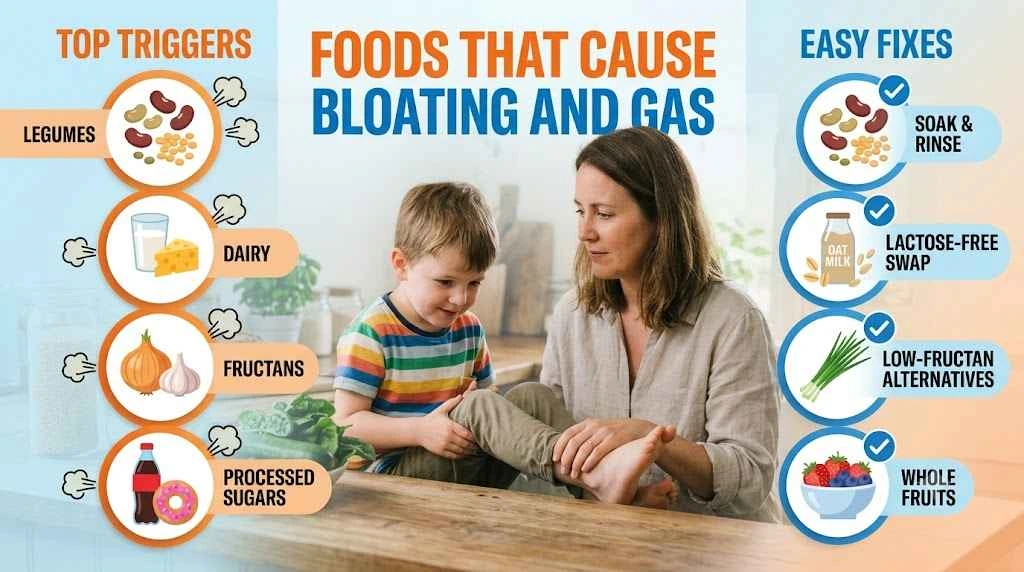
Quick Answer: The primary foods that cause bloating in children and adults include high-fiber beans, lentils, and cruciferous vegetables (like broccoli and cauliflower), which contain complex sugars that ferment in the gut. Other major triggers include dairy products containing lactose, whole wheat, carbonated drinks, and highly processed or fried foods.
When you give a toddler something to eat and notice there is a sudden uncomfortable balloon right after eating, then this is common when bloating or gas takes place. This is a heavy, tight, and fussy feeling, which is common and most of the time happens from food items that cause bloating. As parents we always give kids every nutritious food item to eat and explore, and some of the best options include fiber-rich veggies, beans, and certain dairy products; however, they can’t be easily digested by the little tummies of toddlers.
When the digestive system can’t break down these foods smoothly, it leads to gas buildup, resulting in stomach aches and painful puffiness. As parents we have a very busy life, and making meals for kids is the main priority, so we unintentionally don’t know if the food item will give them gas or bloating. In this article I will share food items, drinks, and snacks that can cause digestive issues in kids so you know next time what to avoid while making meals for kids who have sensitive stomachs.
The Gas-Makers (Healthy Foods That Need Extra Prep)
I have listed some food items that are nutritious, no doubt, but due to complex sugars or high fiber, the small kid’s digestion can’t smoothly break them down.
1. Beans (chickpeas, kidney beans, black beans)
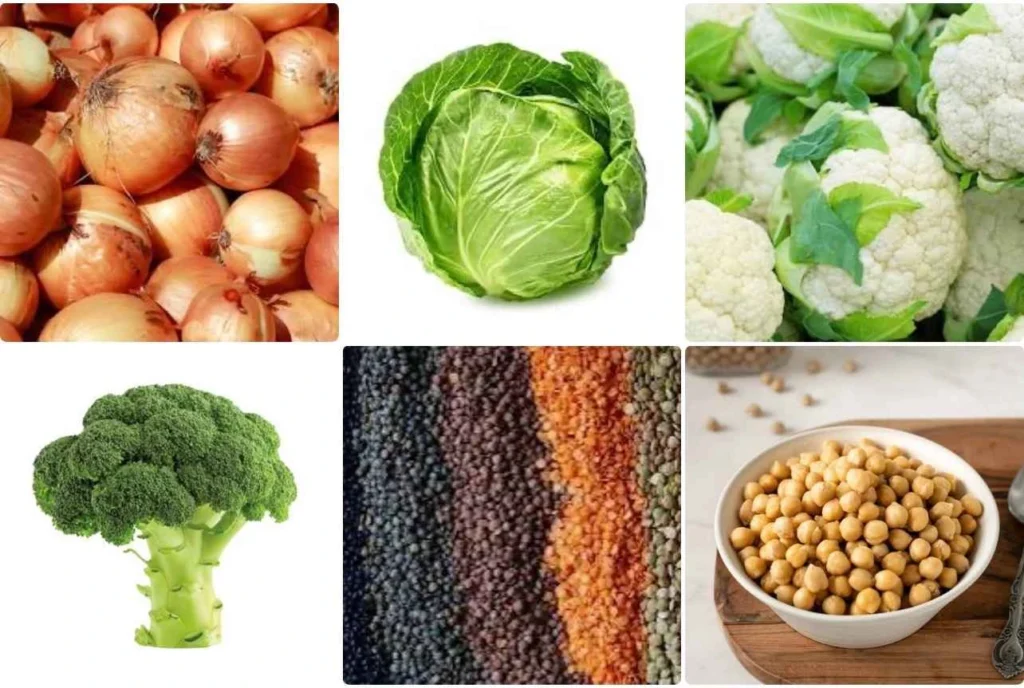
All these beans contain complex sugar known as oligosaccharides. The human body can’t break these down easily, so they travel directly to the lower gut, where gut bacteria ferment them, which leads to sudden gas buildup.
If you notice the kids have gas issues after eating such beans, then next time before preparing them, soak the beans in water for 12 hours, remove the water, and boil them in fresh water. If you are using canned beans, dump them in a colander and rinse completely with cold water.
2. Lentils (Dals)
Lentils are rich in fiber and natural fermentable sugars, the same ones that are present in beans. When a toddler’s stomach is new or not familiar with processing a high amount of fiber at one time, this can also cause sudden gassiness and abdominal tightness.
To avoid this issue, you need to go for lentils (masoor dal) or yellow lentils (moong dal), as they don’t have skin and are gentle on little kids’ stomachs. Don’t use whole brown or green lentils.
3. Broccoli
It has indigestible sugar compound called raffinose and insoluble fiber. When this combination goes in small kids’ stomachs, they won’t digest it easily, leading to gas production.
To reduce bloating or gas risk, never give kids raw broccoli. Chop it into small pieces and steam it till the pieces become soft.
4. Cauliflower
You can say it is a close relative of broccoli, as they come from the same family, Brassica. Cauliflower triggers the same gas production because it can’t break down easily.
Never give your small kids raw or light steamed cauliflower. Roast it first in the oven or fully cook it, then mash it with spices like warmed ginger, cumin, or fennel. It will make the digestion easy.
5. Cabbage
Cabbage is rich in fiber and contains organic sulfur-producing compounds. When the digestive system tries to break them down, it leads to noticeably smelly gas.
To avoid gas issues, you can sauté, braise, or cook cabbage down until it becomes soft. Never give it raw to kids in salads or coleslaw.
6. Onions
Onions are a good source of fermentable, soluble fiber. A kid’s small intestine has a hard time digesting it, so it goes to the large intestine, where bacteria break it down quickly. All this movement causes rapid gas and bloating.
Never give your toddlers raw onions; always cook them first until they become soft and caramelized. This way they can break down easily. If the child’s stomach is highly sensitive, skip giving onion and go for alternatives like green tops of chives or green scallions; they have the same taste but are gentle on the stomach.
7. Garlic
Garlic is full of fructans, like onion, and has sulfur compounds; this combination isn’t gentle on sensitive stomachs and leads to painful trapped air.
To avoid bloating or gas issues in kids, you need to cook the garlic completely and then add it in sauces and soups. Don’t add the raw one. If you are skipping garlic, then use garlic-infused olive oil in cooking so the flavors are still there.
Fruit and Grain Triggers
8. Apples
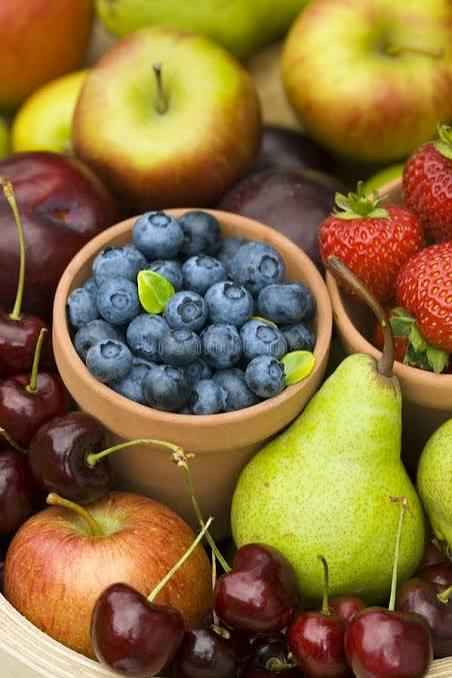
While apples are considered the healthiest fruit for kids, they are still rich in fructose and sorbitol. Some children’s digestive systems struggle to absorb them, leading to gas and bloating.
To avoid such issues, give apples to kids in small amounts. If you notice the kid is facing bloating daily after eating an apple, then give them an apple without its cover or bake it. This will soften it and break down natural sugars.
9. Pears
This fruit is rich in fructose and glucose. When food has excess fructose, it won’t digest smoothly and quickly, which leads to fermentation, water retention, and bloating. To avoid such issues, give your kids fully ripe pears or bake them in the oven; the soft ones will be gentle on the stomach.
9. Cherries
Cherries are a favorite fruit of summer, from kids to adults; everyone loves them. However, they are also rich in fructose and sorbitol. When kids eat it in large amounts in a single serving, it makes the small intestine overwhelmed, and complex sugar goes directly to the large intestine, leading to sudden gassiness and sharp tummy twinges.
Always give cherries to small toddlers in a low amount, like 4 to 6 pitted cherries. If your kids love cherries but struggle with bloating, try to give cherries as a part of oatmeal or give alternatives like strawberries or blueberries.
To read more about cherries: What Happens If You Eat Too Many Cherries? Side Effects & Safe Limits
11 Whole Wheat Foods (Bread and Pasta)
Wheat is the main source of fructans, which cause bloating in sensitive stomachs. It also contains gluten, which slows down the digestion more, leading to heavy and trapped gas.
To avoid such issues, go for traditional sourdough bread or other gut-friendly alternatives like oats, quinoa, or brown rice.
Everyday Drinks and Snack Snags

12. Dairy Products (Milk, Ice Cream, Soft Cheese)
Many children and even adults face digestion issues when it comes to dairy products; the main reason is all these items are high in lactose. When it goes undigested, it draws water into the gut, and fermentation results in cramping, gas, and puffiness.
If your kids are lactose intolerant, then give them lactose-free milk and dairy products, or swap out regular milk for calcium-enriched plant milks like oat milk or almond milk.
13. Carbonated Beverages (Soda and Fizzy Water)
Soda and fizzy water are high in carbon dioxide, as it gives the drinks the bubbles and fizz; however, this introduces pockets of compressed air into the stomach, leading to sudden bloating.
Give your kids water as a main beverage. You can also add cucumber, strawberries, or lemon wedges in it to give kids a natural flavor experience.
14. Sugar-Free Sweets & Chewing Gum
These products include sugar alcohols like sorbitol, xylitol, or mannitol, which can’t be absorbed by the human body easily. They draw excess water into a bowl. Additionally, when a kid chews gum for hours, it forces them to swallow excess air, leading to gas in the stomach.
To avoid bloating and gas in kids, always check the sugar-free sweets & chewing gum labels carefully. Go for simple sweet options like real fruit or small amounts of raw honey, especially for toddlers who are over 1 year old.
15. Highly Processed Snacks (Chips and Boxed Meals)
These convenience foods are heavily based on sodium for flavor and long shelf life. However, excessive sodium intake can cause water to pull into body tissues, leading to a swollen and puffy feeling.
To avoid such issues, give your child a glass of full water after they eat snacks so the excessive sodium can be flushed out. You can also go for whole and home-cooked snacks so you can control the sodium intake.
16. Fried and Greasy Foods (Nuggets and Fries)
These food items slow down gastric emptying; the greasy meal stays in the stomach for hours, leading to heavy bloating, which makes the kids uncomfortable.
To avoid such issues, avoid deep-fried items; instead, air-fry, bake, or grill one.
10 Drinks That Cause Bloating & Gas in Kids
| # | Drink | Why It Causes Bloating & Gas | The Smart Parent Swap |
|---|---|---|---|
| 1 | Regular Soda / Cola | Packed with CO₂ bubbles that trap air in the stomach, plus high fructose that ferments in the gut. | Infused Water: Plain water with fresh strawberry or cucumber slices. |
| 2 | Apple Juice | High concentration of fructose and natural sorbitol can overwhelm a child’s small intestines. | Diluted Juice: Mix 1 part 100% juice with 3 parts plain water to cut sugar. |
| 3 | Whole Cow’s Milk | Contains lactose. If a child lacks enough lactase enzymes, it leads to fermentation, gas, and cramps. | Lactose-Free Milk or calcium-enriched oat milk. |
| 4 | Pear Juice | Uneven fructose-to-glucose balance makes it highly prone to sitting and fermenting in the lower belly. | Warm Chamomile Tea: Caffeine-free and excellent for soothing a tight tummy. |
| 5 | Diet Sodas & Drinks | Loaded with artificial sweeteners (sucralose/aspartame) and carbonation causing water retention. | Iced Herbal Teas: Unsweetened raspberry or peach flavors cooled with ice. |
| 6 | Smoothies (Overloaded) | Blending too many high-FODMAP fruits creates a massive sugar and fiber bomb that digests slowly. | Simple Smoothies: Keep to 1 fruit, water/yogurt base, and a spinach leaf. |
| 7 | Chocolate Milk | Combines dairy lactose with heavy added sugars, drastically slowing digestion and trapping gas. | Homemade Cocoa: Lactose-free milk, a dash of pure cocoa powder, and a touch of honey. |
| 8 | Sports Drinks | High in sodium and artificial sugars, which draw excess water into the bowel, making the belly feel puffy. | Coconut Water: A natural, low-sugar way to hydrate that is gentle on the stomach. |
| 9 | Powdered Fruit Drinks | Heavily processed mixes are almost pure HFCS, leaving the gut working overtime to process it. | Fresh Orange Juice: Small portions (4 oz) heavily diluted with water. |
| 10 | Tap Water via Straws | Drinking any liquid through a straw forces kids to swallow pockets of trapped air (aerophagia). | Open Cups: Ditch straws and sip directly from a regular or free-flow training cup. |
Watch the Timing: The discomfort takes place after drinking and lasts for 1 to 2 hours. For small kids, stick to fruit juices and give them a limited amount, like 4 ounces a day; this will keep their tummies fine and protect teeth too.
10 Snacks That Cause Bloating & Gas in Kids
| # | Snack | Why It Causes Bloating & Gas | The Smart Parent Swap |
|---|---|---|---|
| 1 | Packaged Potato Chips | Heavily loaded with sodium. Excess salt pulls fluids directly into body tissues, causing a swollen, water-retained tummy. | Air-Popped Popcorn: Sprinkled with just a tiny pinch of salt or nutritional yeast for a cheesy flavor. |
| 2 | Sugar-Free Candies | Made with artificial sugar alcohols (sorbitol/xylitol) that pull extra water into the bowel and ferment quickly. | Real Fruit Leather: Strips made from 100% real fruit with no added artificial sweeteners. |
| 3 | High-Fiber Granola Bars | Many kid bars add chicory root or inulin to boost fiber. In large amounts, this processed fiber causes sudden, painful gas. | Homemade Oatmeal Bites: Rolled oats mixed with mashed banana and a dash of cinnamon, baked until firm. |
| 4 | Raw Veggies with Dip (Broccoli / Cauliflower) |
Kids love the crunch, but raw cruciferous florets contain raffinose, a complex sugar that is highly gas-producing. | Roasted Veggie Sticks: Lightly roasted carrot, zucchini, or sweet potato sticks that are softer on the gut. |
| 5 | Ice Cream Bars | High in lactose and heavy fats. Fats slow down stomach emptying while lactose ferments, leading to major bloat. | Fruit Sorbet or Frozen Yogurt: Dairy-free fruit popsicles or small portions of Greek yogurt. |
| 6 | Store-Bought Muffins | Made with highly refined wheat flour and HFCS, which slow down digestion and feed gas-producing gut bacteria. | Homemade Banana Bread: Made with whole oats or spelt flour, sweetened naturally with ripe bananas. |
| 7 | Processed Cheese Sticks | While a popular convenience snack, the concentrated dairy and sodium can trigger gas in lactose-sensitive kids. | Lactose-Free Cheese Cubes or a small handful of calcium-rich pumpkin seeds. |
| 8 | Onion Crackers / Rings | Packaged snacks flavored with raw onion powder contain fructans, highly fermentable fibers that cause rapid gas production. | Plain Rice Cakes or Pretzels: Simple, lightly salted options that are much easier for a child’s stomach to process. |
| 9 | Large Bowls of Fruit (Cherries / Apples) |
Snacking on a large bowl of these fruits loads the gut with excess fructose and sorbitol, causing a bubbly, distended stomach. | Berries (Strawberries/Blueberries): Low-fructose fruits that are incredibly gentle on tiny digestive systems. |
| 10 | Chewing Gum | The constant chewing motion forces kids to swallow small pockets of air directly into their stomach, turning into trapped gas. | Apple Slices with Sunflower Butter: Satisfies the urge to chew while keeping digestion moving smoothly (use a thin spread). |
When kids start complaining about tightness when they eat a snack after 1 to 2 hours, then examine the ingredients used in it. Even healthy snacks like fruits and nuts can lead to bloating if kids eat them in high amounts in one serving. Always give kids snacks in small amounts.
Quick Emergency Relief: My Kid is Bloated Right Now—What Do I Do?
When a child suddenly starts crying from belly pain, then you don’t have the time to wait for a long digestive process. You need to help the kid get trapped gas moving right now. Here is what you can do as parents to ease the gas pressure and give kids comfort.
The ‘ILU’ Tummy Massage
Let the child lie flat on their back. Use any lotion or coconut oil and apply it on the belly, then gently press your fingertips to trace the letters I-L-U to follow the natural path of the colon:
- I: Stroke straight down the left side of their belly (your right).
- L: Stroke across the top of their belly from left to right, then down the left side.
- U: Stroke up the right side, across the top, and down the left side.
Do the ‘Bicycle Legs’
While the kid is still on their back, hold their ankles slowly and move the legs in a fluid cycling motion toward their chest. Press the knees against the tummy and hold for at least 1 second; this will help the gas to release.
Apply a warm compress.
For this first soak, put a small towel in warm water or use a kid-safe warm bottle wrapped in cloth. Place the warm towel on the kid’s stomach. This gentle heat will relax abdominal muscles and calm intestinal spasms.
Offer a Warm Sip
You can also give them a small cup of warm water, caffeine-free chamomile, or peppermint tea. Avoid letting them drink it with a straw; let them drink it naturally. The liquid will help the digestive system to relax.
When to Call the Doctor: Even after doing all these remedies, if the kid is facing the same gas and bloating issue and it leads to severe or worsening pain, vomiting, a hard/rigid belly, a fever, or blood in their stool, then go to the doctor urgently.
A Gut-Friendly Shopping List
When you go to the grocery, you need to find items that are gut-friendly and can easily be used in family meals so the kids will get nutrition without facing stomach issues. Here are the 10 best gut-friendly options as follows:
| # | Kid-Friendly Grocery Item | Why It’s Gentle on the Gut | Easy Family Meal Idea |
|---|---|---|---|
| 1 | Split Red Lentils (Masoor Dal) |
Their outer skin is removed, making them far easier to digest than brown or green lentils. | Creamy, mild lentil soups or mixed veggie stews. |
| 2 | Sourdough Bread | The natural fermentation process breaks down tough gluten and fructans before you eat it. | Toddler-approved grilled cheese or morning toast. |
| 3 | Strawberries & Berries | Naturally low in fructose and sorbitol, meaning they won’t ferment rapidly in the lower gut. | Toppings for oatmeal or mixed into plain yogurt. |
| 4 | Rolled Oats | Packed with beta-glucan, a soluble fiber that digests smoothly and stabilizes energy. | Warm cinnamon oatmeal or homemade baked snack bars. |
| 5 | Zucchini | Contains soft, easily digestible soluble fiber that moves smoothly through the intestines. | Finely grated into pasta sauces or baked into muffins. |
| 6 | Firm Bananas | Slightly less ripe bananas are low in the high-fructose sugars that cause rapid gas buildup. | Sliced over pancakes or packed whole in lunchboxes. |
| 7 | Quinoa | A naturally gluten-free grain that provides complete protein without slowing down digestion. | Used as a lighter, fluffier replacement for wheat pasta. |
| 8 | Lactose-Free / Oat Milk | Eliminates the lactose sugar that frequently triggers childhood cramping and bloating. | Base for breakfast smoothies, cereal, or baking. |
| 9 | Cucumbers | Highly hydrating and low in fermentable sugars, which helps flush out excess sodium. | Peeled and sliced into crunchy “coins” for snack time. |
| 10 | Ginger-Infused Olive Oil | Passes on rich flavor without the tough fructan fibers found in raw garlic and onions. | The perfect base for sautéing chicken nuggets or veggies. |
Shopping Tip: When introducing these gut-friendly grains and vegetables, start with normal portion sizes. Even gentle fibers can cause temporary gas if a child’s system switches to them too abruptly!
The Secret Culprit: The Constipation Link
We can’t blame food alone and skip the fact that constipation is actually a primary cause of bloating in kids. When the stool stays in the colon for long, it starts working as a roadblock in the digestive system. This gives resident gut bacteria extra time to ferment the trapped waste, leading to the production of gas, and they have nowhere to go. This results in a little tummy feeling tight and uncomfortable.
Quick Parent Tip: If you notice the kid didn’t poop for 2 to 3 days, then you have to treat this constipation issue. I’m a fast way to clear the blockage. Don’t give kids heavy grains; offer them steamed carrots, pureed prunes, or juicy pears and a good amount of water. This will soften the stool and clear the highway.
The Slow-Chewing Challenge! (Tummy Trivia for Kids)
As a parent, you might be reading this guide and have a question in mind: what is the slow chewing challenge on the internet? Well, the kids get bloated simply from aerophagia, which is a medical term used for swallowing too much air when they gulp down their food or drink too fast.
The slow eating challenge can look boring, but it can also turn into a fun game as a part of family dinner.
The 15-Chew Badge Challenge
For this you just need to simply print a chart or draw a star on the child’s hand when they complete the challenge at the dinner table!
- The Goal: Ask the kid to put the fork down after taking one bite and chew it 15 times before swallowing.
- The Secret Reward: This slow chewing will stop letting air bubble in the stomach, which turns into gas balloons. Slow chewing also gives the stomach more time to digest.
Clear Red Flags (When to Call the Doctor)
It is completely normal if a child’s tummy looks different in shape throughout the day; however, it is important to understand when it is normal or when to call the pediatrician so you don’t feel stress later. To find when it is normal or not, look at the chart as follows:
| What is Normal | Red Flags: Call the Doctor |
|---|---|
|
|
If your child’s symptoms are from a normal column, then you can treat it at home by gentle movement, hydration, and the quick-fix cooking as mentioned in this guide. However, if you notice the child has symptoms from red flags, then go to the doctor immediately; don’t try to fix it at home.
Medical Disclaimer: The information in this article is for educational and informational purposes only and is not a substitute for professional medical advice, diagnosis, or treatment. Always consult your pediatrician or a qualified healthcare provider with any questions you may have regarding your child’s digestive health or medical conditions. Never disregard professional medical advice or delay seeking it because of something you have read online.
References & Further Reading
Want to dive deeper into childhood gut health, digestion, and bloating? Explore these trusted resources and official guides:
- Understanding Gas and Your Diet (National Institutes of Health – NIDDK): National Institute of Diabetes and Digestive and Kidney Diseases
- Managing Abdominal Bloating and Gas (MedlinePlus / U.S. National Library of Medicine): MedlinePlus Medical Encyclopedia
- Aerophagia (Swallowing Air) in Children (National Institutes of Health / PubMed): National Center for Biotechnology Information (NCBI)
