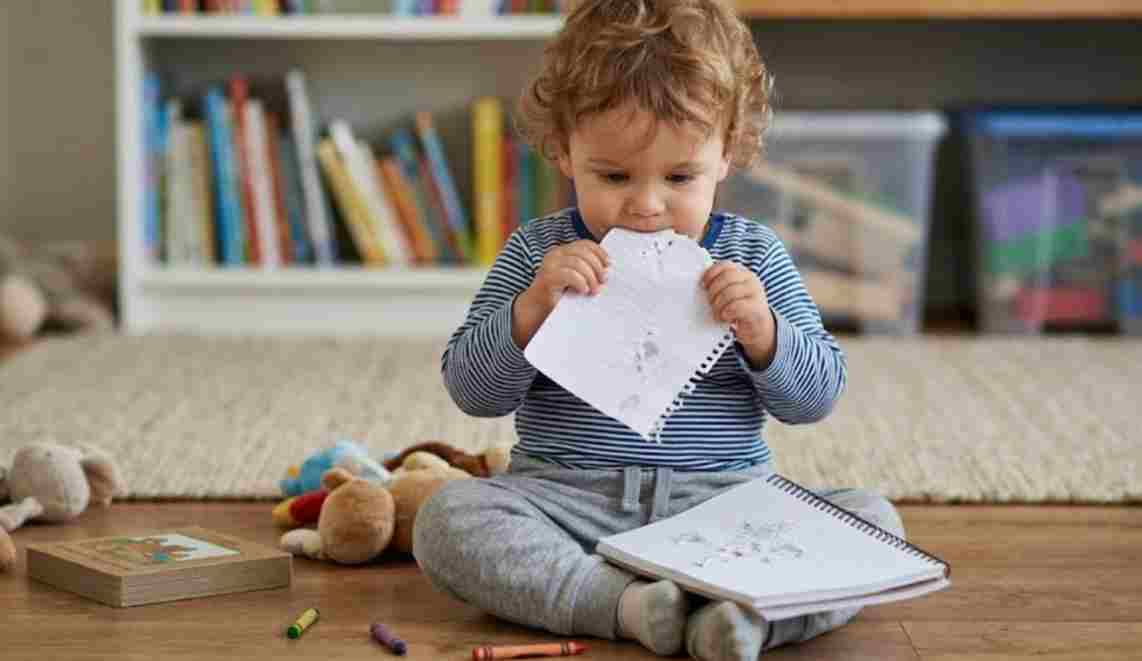
Quick Answer: If you eat a small piece of plain paper, then it will normally pass through your digestive system intact within 24 to 48 hours because the human body can’t digest wood pulp (cellulose). However, if you eat a large amount of paper, it can cause blockages, and chemically treated papers are toxic.
Finding a small piece of paper in your mouth can happen more often than you might think. Whether you have a habit of biting the corner of a notebook, a toddler manages to swallow a piece of paper, or you accidentally swallow a paper that was wrapped in your food, you may feel a sudden panic and think, “Is paper toxic?” You often start searching, “What happens if you eat paper?” and “Can it actually kill you?”
According to a medical perspective, while eating a very small piece of paper accidentally won’t be an emergency, if you eat a large amount or have a habit of eating such kinds of things, then it may have health risks.
Is Paper Edible?
To determine whether you can eat paper, we first need to examine its composition. Paper isn’t considered edible. It is not classified as poison, but it does not provide any nutritional value; it is essentially just a filler. Paper is made from wood pulp, which consists of cellulose, a complex carbohydrate and the main component of plant cell walls.
Additionally, animals do have specific bacteria and enzymes in their digestive systems so they can break down cellulose; however, humans don’t have such things, so they can’t break down cellulose fiber. When you eat paper, it passes through your gastrointestinal tract largely intact. The digestive system treats paper as an insoluble fiber.
Why Do Kids and Toddlers Eat Paper?
It is a common behavior among toddlers to treat paper as if it were edible, often chewing on it. If you notice a toddler engaging in this behavior and find it confusing, consider two factors:
1. Normal Mouthing Behavior (Under Age 2)
Toddlers at this age use mouths as a primary sensory tool. They love to explore textures, shapes, and densities by just putting everything in their mouths, whatever gets in their hands, especially a corner of a board book, a tissue, or a piece of wrapping paper, because these things are lightweight and taste like nothing, so toddlers become curious about how they actually taste. If your kids eat it accidentally, then it’s simply a milestone of sensory development.
2. Behavioral or Nutritional Cravings (Over Age 2)
If a child is older than 2 years and consistently has a habit of eating paper, then it’s no longer an accident or exploratory. Medically, you need to discuss this behavior with the pediatrician to rule out the following:
Nutritional Deficiencies: The most common reason among kids for having a habit of eating such inedible things is iron-deficiency anemia or low zinc levels. When these deficiencies occur, the brain signals a craving for crunchy or nonfood textures to compensate for the need for nutrition.
Sensory Seeking or Anxiety: Some children have sensitivities like ADHD or Autism Spectrum Disorder (ASD), so they chew paper as a self-soothing mechanism to cope with under- or over-stimulation.
What Must Parents Do If a Child Swallows Paper?
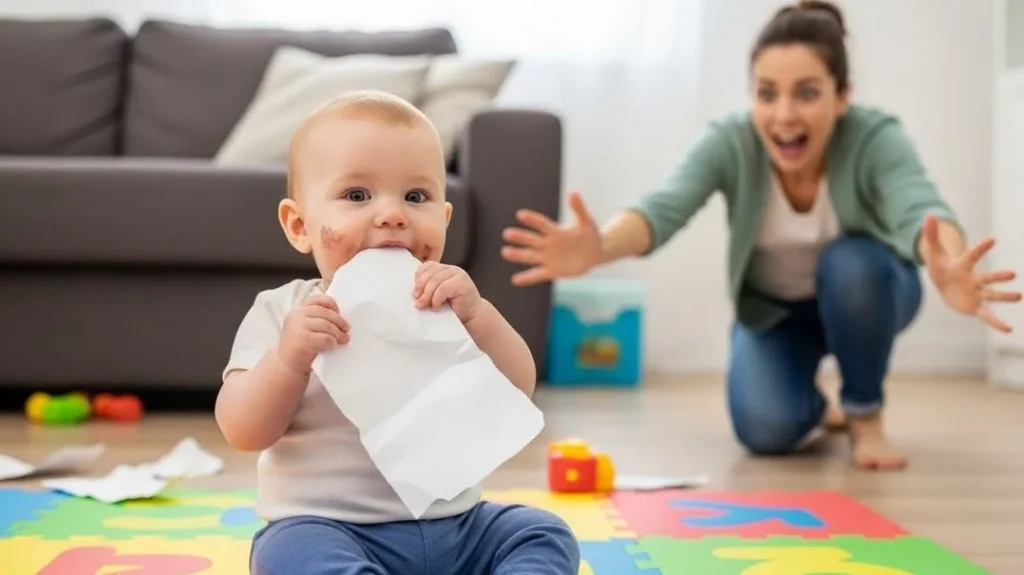
Well, as a parent you may panic, but don’t. Instead, go for a systematic approach to keep your baby safe. When a child eats objects like paper, they move very quickly from the mouth into the stomach, but since the kid’s organs are smaller, their digestive system is more compact than an adult’s. However, you can still track by following these steps:
Assess the situation immediately.
- In the first 2 minutes, check their mouth; if the tissue is still there, simply take it out.
- Look closely. What type of paper is it? Like it is from a notebook or toxic store receipt.
- Offer a small drink of water. Immediate action
- Once you take out the paper from their mouth, then give your child a few sips of water or milk. This will help to wash away any remaining part of the paper with the help of liquid; the small part of the paper will go directly into the stomach without sticking to the throat lining and causing any irritation.
Monitor for physical symptoms.
Keep an eye on your child for the next 24 to 48 hours for what they eat or play with. If they put paper in their mouth, look for symptoms like gagging, continuous coughing, sudden drooling, abdominal pain, or an inability to keep fluids down.
Check the diaper or toilet carefully.
Wait for 1 to 2 days, as the stomach can’t dissolve such things as paper, so it is possible the paper will pass through the intestines. Monitor your child’s bowel movements closely, as the paper is likely to pass through and be expelled within 48 hours.
Quick Risk Assessment Chart for Parents
| Paper Ingested | Risk Level | Medical Impact | Immediate Action Required |
|---|---|---|---|
| Tissue, Napkins, Toilet Paper | Low Risk | Dissolves and breaks apart quickly in moisture; very easy to pass. | Offer water; monitor for 24 hours. |
| Notebook, Printer, Drawing Paper | Low Risk | Softens in stomach acid but doesn’t dissolve; acts as insoluble fiber. | Offer water; check diaper/toilet in 48 hours. |
| Cardboard, Board Book Flaps | Moderate Risk | Rigid and dense; smaller child tracts run a higher risk of physical blockage. | Monitor closely for vomiting, gagging, or stomach pain. |
| Glossy Magazines, Bright Inks | High Risk | Contains plastic chemical coatings, synthetic resins, and heavy metal inks. | Contact Poison Control for advice based on volume. |
| Store Receipts (Thermal Paper) | Extreme Risk | Coated in loose, easily absorbed endocrine disruptors (BPA/BPS). | Prevent ingestion entirely; seek medical guidance if swallowed. |
High-Risk Papers for Kids: What to Keep Out of Reach
The paper used in the notebook or construction paper is generally low toxicity; however, the household papers are highly chemical-laden and absolutely need to be avoided near kids.
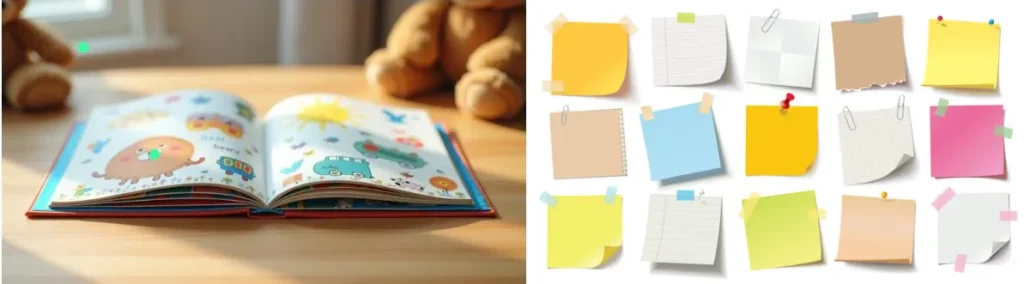
Board Books and Hardcover Flaps
While products that are made for children are based on safety standards, thick cardboard carries a high physical risk; if a child eats it in a small amount, it will cause issues as compared to thin paper.
Stickers and Post-it Notes
These stickers and Post-it notes contain synthetic polymers. If a kid swallows a whole note or sticker, it can cause the mass to bind together tightly inside the stomach and won’t come out in poop.
Homework Inks and Markers
If you have kids and they have the habit of eating the corners of notebooks, then make sure to give them water-based highlighters to avoid any chemicals going directly into their stomachs.
What Happens When You Eat Paper? (The Digestive Journey)
If your child accidentally swallows a small piece of paper, it will go as follows:
- If the paper is large or dry, first it will absorb saliva and become sticky, then it will go to the throat or the lining of the esophagus.
- Once it gets into the stomach, the hydrochloric acid will wet it more and make it soft; however, since it contains cellulose fiber, it won’t dissolve.
- Now the paper is completely converted into a mass; it will then move to the large intestines via peristalsis. If it is very small, then it will come out with food via stool in 24 to 48 hours.
What happens if you eat a lot of paper?
If you or your child eats a larger volume of paper, then the stomach won’t break it down. The wet paper fibers combine together and stick in the stomach or intestines. This will make an indigestible mass called a bezoar, and it is very dangerous because it blocks the passage of food and liquids, leading to a mechanical bowel obstruction.
The Dangerous Chemicals Hidden in Everyday Paper
Not all papers are simply made from just wood pulp; some are manufactured using a list of chemicals, bleaches, inks, and coatings that convert a simple paper into a harmless fiber into a toxic hazard.
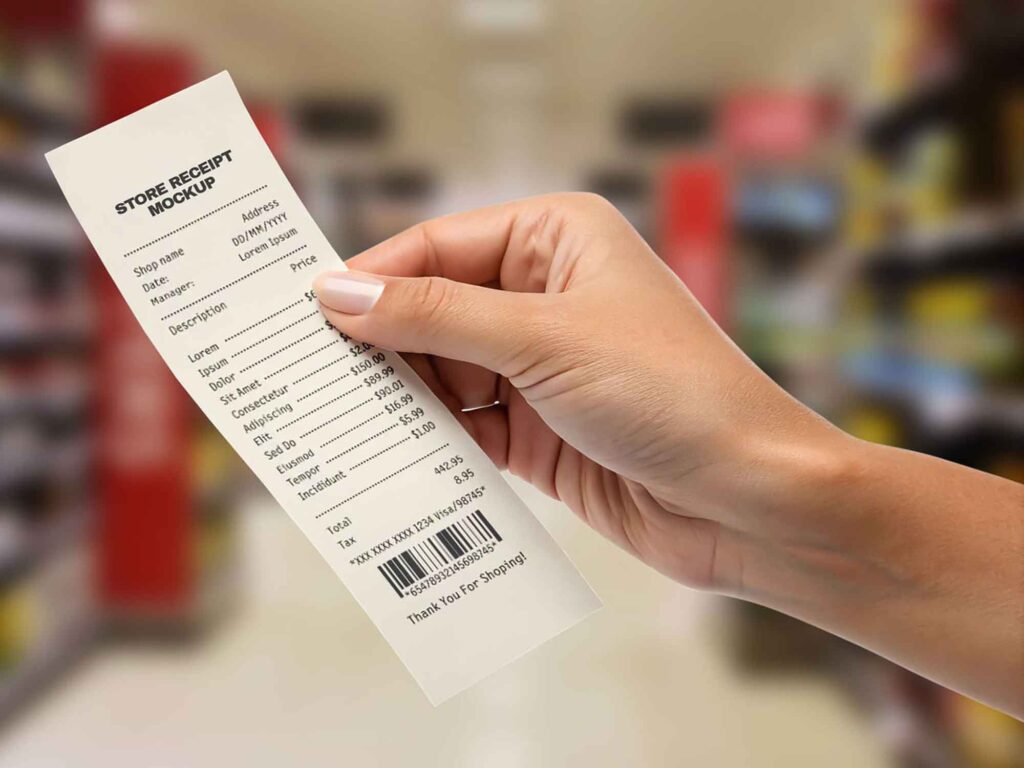
The paper used in standard store receipts is coated in chemicals like BPA (Bisphenol A) or BPS. Both are potent endocrine disruptors and can mimic estrogen in the body. These chemicals also have a direct link to reproductive issues, metabolic disorders, and developmental problems. When a child eats such paper, these chemicals are absorbed directly by the body.
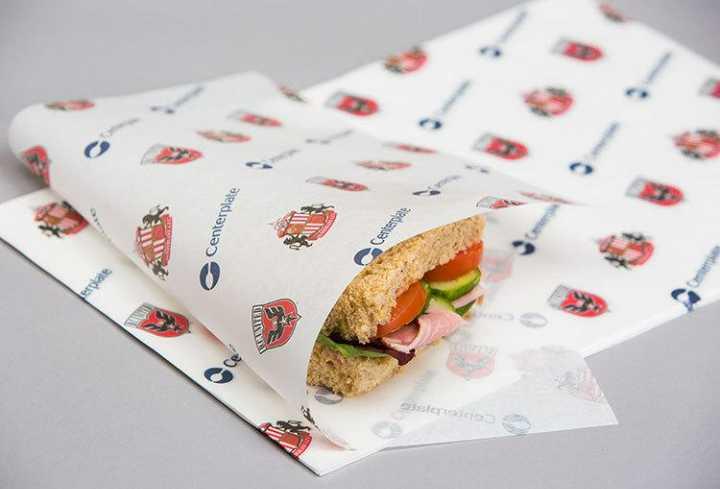
Many grease-resistant food papers are made from substances like PFAS; they are also called “forever chemicals.” When a kid digests such paper, these chemicals bioaccumulate in your organs, which leads to severe health problems like liver damage and immune system suppression.
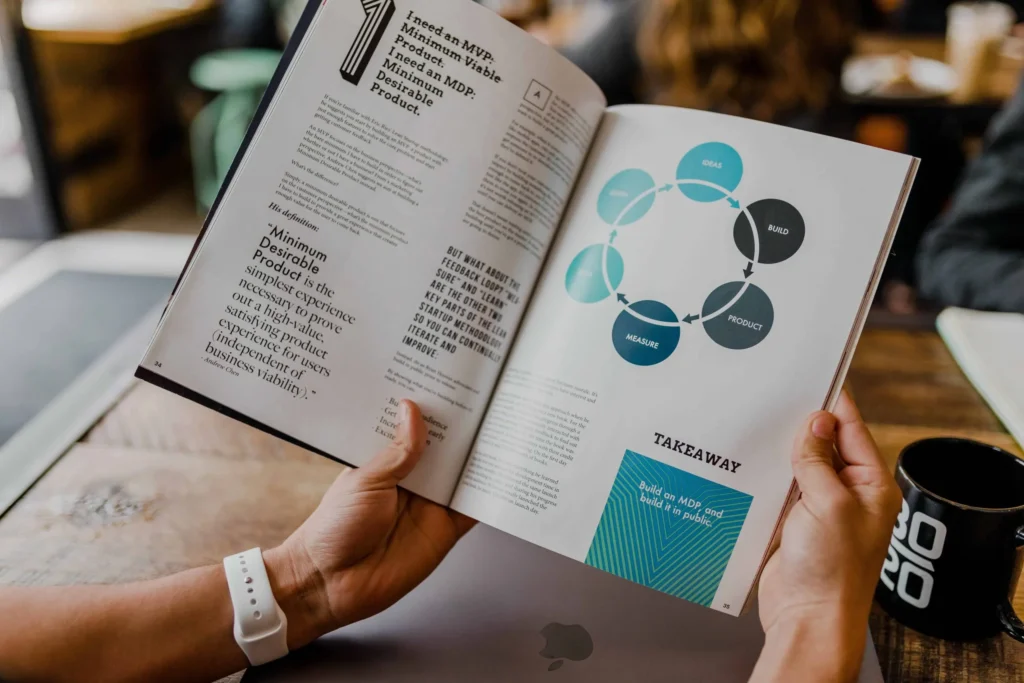
Magazine papers are always high in chemicals to get a glossy finish and look; also, the inks used in them contain heavy metals, petrochemical solvents, and organic pigments; if your child chews a magazine paper, it leads to a disturbed stomach. While the modern newspapers are using a soy-based ink, the old papers do have that harmful ink.
Can Eating Paper Kill You?
No, it won’t kill you, but obviously it is also not safe and recommended to eat. The following are two main issues that can happen when you eat paper.
If you or any kid eats a large piece of cardboard or a tissue, then there is a chance it can expand and even get stuck in the trachea, which may cut the oxygen supply. This can be dangerous, so if you face such a condition, go to the emergency doctor as soon as possible.
If a large mass of paper passes through easily in the stomach, then it may cause intestinal blockage, which can be a hurdle in blood flow to the bowel walls. If it is left untreated, then it can lead to bowel tissue dying (necrosis) and tearing open (perforation).
Xylophagia: When Paper Cravings Signify an Underlying Condition
If you notice the kids now have a habit of eating paper on a daily basis, then you may have a question in mind: Why is this happening? Are they craving it? Well, it is not always about deficiencies; sometimes it is also called a condition.
Xylophagia. It is a specific type of pica, an eating disorder based on inedible food substances like paper, dirt, ice, or chalk.
Medically, pica and xylophagia are rarely just psychological quirks. Pica is commonly diagnosed in kids with autism spectrum disorder (ASD), obsessive-compulsive disorder (OCD), stress, or severe anxiety.
You can simply go for a blood test so the doctor can identify why your kid has this paper-eating craving; if it is based on just a nutritional deficit, then it will simply manage with time.
Toxicity Reference Guide by Paper Type
| Paper Type | Risk Profile | Primary Medical Concern |
|---|---|---|
| Plain Printer/Notebook Paper | Low Risk | Low chemical toxicity; primary risk is physical choking or blockage if eaten in large amounts. |
| Tissues, Napkins, Toilet Paper | Low Risk | Generally passes easily if small, but carries choking risks if balled up. |
| Cardboard / Packaging | Moderate Risk | Very high risk of mechanical blockage in the narrow passages of the intestines. |
| Glossy Magazines / Advertisements | High Risk | Coated with plastic-like polymers, synthetic resins, and heavy chemical inks. |
| Thermal Cash Register Receipts | Extreme Risk | Coated in loose, easily absorbed BPA/BPS endocrine disruptors. |
| Fast-Food / Greaseproof Wrappers | High Risk | Frequently treated with PFAS (forever chemicals) to repel oil. |
What to Do If Someone Eats Paper: An Action Plan for Kids?
If your kid eats a small amount of paper like notebook paper, then don’t panic; just follow these steps:
- Rinse: Clear the mouth and take out any leftover piece immediately in a minute.
- Hydrate: Give your child a full glass of water or milk so if there is still a remaining paper piece left, it passes quickly to the stomach rather than sticking in the esophagus.
- Monitor: Watch for normal bowel movements over the next 48 hours.
When to Seek Immediate Emergency Medical Care
Go to an emergency room immediately if the kids experience the following:
- Difficulty breathing, coughing, or wheezing.
- If they face inability to swallow saliva or sudden drooling.
- A sudden abdominal pain or cramping.
- Nausea and violent vomiting
- Inability to pass gas or have a bowel movement.
- Make sure to tell the doctor if the swallowed item was a thermal receipt or paper heavily soaked in industrial chemicals.
Medical Disclaimer: The information in this article is for educational and informational purposes only and is not intended as medical advice. Always consult with a qualified healthcare professional or pediatrician if you have immediate concerns about your child’s health or if an emergency arises.
The Bottom Line
If you accidentally eat a small paper via a food item at a restaurant, then don’t worry; it will pass through stool. If your child eats it accidentally, then there is no issue; don’t panic, it will pass safely. Because paper is an indigestible fiber, the body won’t dissolve it. However, always keep an eye on your child to ensure they don’t have a habit of eating paper; if they do, consult with the pediatrician immediately, as they know better. A simple checkup can help to understand the issue.
Also Read: What Happens If You Eat Too Many Cherries? Side Effects & Safe Limits
Frequently Asked Questions by People
Does paper dissolve in your stomach?
No, it can’t be dissolved in the stomach, as it is not something that is based on organic proteins. Because it can’t be digested by the human body, it will just simply pass with food in stool.
What happens if you eat paper every day?
The habit of eating paper every day is a result of nutritional deficiencies. When a person craves paper and even swallows it, they are getting zero nutrients. Over time they will stay in the stomach and create a mass that leads to the risk of bowel obstruction (bezoar) and needs surgical removal. However, another reason for craving paper is because of pica, which needs medical and psychological evaluation.
Is it normal for toddlers to eat paper?
Yes, it is very normal among kids who are under 2 years of age, as they have a habit of exploring everything and putting it in their mouths, like paper, books, or toys. This stage is called “mouthing”; however, if your kid is 3 or 4 years old, then it’s no longer an exploring habit; it can be a vitamin deficiency, so always consult a pediatrician.
Can you get sick from eating notebook paper?
Well, if you eat a small amount of notepaper, then it is completely fine; you won’t get sick, and it will pass easily. However, if you eat a large amount of paper, it can surely upset the stomach, and you may notice the symptoms, like mild cramping or nausea, simply as the stomach faces difficulty pushing undigested fiber into the small intestine.
Is Accidentally Eating Paper Dangerous?
Accidentally swallowing a small paper isn’t anything to worry about, but if you eat a large piece, it can cause choking.
What Health Issues Can Paper Cause?
While a small scrap is harmless, consuming paper can lead to serious medical complications under certain conditions like gastrointestinal blockages (bezoars), bowel perforation, and chemical toxicity.
Who Needs to Be More Careful?
Infants, toddlers, and individuals with cognitive or developmental sensitivities need the highest level of supervision around paper.
How to Stop Eating Paper?
If paper eating has become a habit, then consult a physician or pediatrician, as they will do a blood test and check if the main issue is anemia or a zinc deficiency, which usually causes these cravings.
They will also suggest safe alternatives like a non-toxic, food-grade silicone chew toy (chewable jewelry) or crunchy, safe snacks like celery or carrots. If the issue is because of emotional triggers, such as anxiety or stress, they will help in overcoming it.
Is Eating Paper a Normal Behavior?
Well, it completely depends on age. If we talk about toddlers and babies that are under 2, it’s just an exploring habit, but if we talk about older kids, it may be a deficiency and not normal at all.
Trusted Medical Resources for Parents
- American Academy of Pediatrics (HealthyChildren.org): https://www.healthychildren.org/English/tips-tools/symptom-checker/Pages/symptomviewer.aspx?symptom=Swallowed+Harmless+Substance
- American Academy of Pediatrics (Anemia Guide): https://www.healthychildren.org/English/health-issues/conditions/conditions/chronic/pages/Anemia-and-Your-Child.aspx
- Children’s Hospital of Philadelphia (CHOP): https://www.chop.edu/conditions-diseases/iron-deficiency-anemia-in-children
- National Capital Poison Center (Poison Control): https://www.poison.org/
