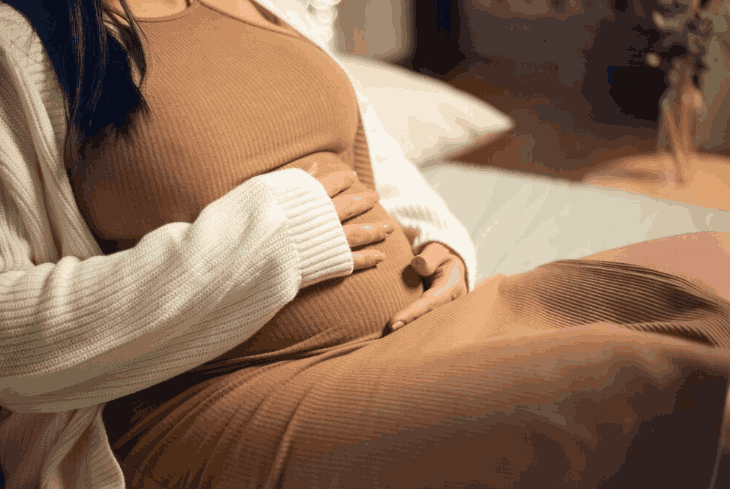
Out of nowhere, pregnancy shifts how your body feels each day – thrilling in parts, tricky in others. Lower belly discomfort? A lot of soon-to-be mothers notice that. Even though it sometimes spikes worry, the sensation does not always point to danger.
Most discomforts during pregnancy ease up once you know what’s typical. Spotting changes that need attention helps reduce fear. A shift in routine might matter more than expected. Knowing the signs to watch for keeps things manageable. Relief often comes just from being informed. Some symptoms simply pass with time. When in doubt, checking in early brings peace.
What Causes Lower Abdominal Pain During Pregnancy
Some belly discomfort in pregnancy happens for different reasons. When your body changes to carry a new life, tissues pull and loosen. Organs move around because space gets tighter. Stretching takes place where it never did before. Ligaments tense up as things inside rearrange.
Some common causes include:
- As the womb expands, it tugs on surrounding tissues – sometimes sparking sharp or pulling pain. With the bump moving forward, strange soreness tends to show up, too.
- When the womb grows, pressure builds nearby – leading to a low throb now and then. Organs adjust their position slowly because of this change, creating quiet strain across tissues.
- Heavy feelings rise as changing hormone levels slow digestion, holding gas inside. When food moves too slowly, even ordinary eating pushes against the walls.
- Now and then, a quiet ache settles in when bathroom breaks start spacing out. Down low near the pelvis, tightness creeps in as movement slows through the gut.
- Occasionally, soft pressure rises in the uterus – fading slowly, like breath drawn through sand. At times, a dull pull spreads wide below, smooth and steady, never biting.
Usually, it’s nothing odd – just your system settling into pregnancy mode. How things shift can seem odd at first. Yet each change is simply how the body adapts on its own.
Is Lower Abdominal Pain Normal in Pregnancy
Most pregnant women wonder if aching down low is something to expect. Truth is, it usually is – light to medium soreness shows up often while your insides shift and stretch.
Pain that feels like:
- Light cramping
- Occasional pulling sensations
- Brief, sharp twinges with movement
Many see it as typical, especially in early pregnancy stages.
Most of the time, pain isn’t supposed to linger or feel intense. Spotting what’s normal versus what’s off makes a real difference – especially when leaning on aids like the BumpEase – Momcozy Ergonest Maternity Belly Band to take pressure off daily movement. Stillness sometimes helps, though support often works better.
Common Types of Lower Abdominal Pain in Pregnancy
Nerve signals might mean discomfort, depending on how muscles react. What hurts one moment could shift when joints move differently.
Round Ligament Pain
Most people know this kind. A quick move – like rising fast – can bring a stabbing ache, usually just on one low belly side. The discomfort hits suddenly, catching you off guard.
Gas and Digestive Discomfort
Pressure or aches in the belly often come from bloating, along with built-up gas. Sometimes it feels tight, like air is stuck below the navel. Fullness shows up without warning, usually after eating certain foods.
Mild Cramping
Just like period pain, a bit of tugging might show up when the womb expands. Stretching tissue often brings that familiar ache back.
Braxton Hicks Contractions
Hardness in the belly shows up as a tensing sensation, often happening further along in pregnancy.
Pelvic Pressure
Later on, extra pounds from the growing infant bring a dragging sensation low in the belly. Heavy shifts happen as size builds through time.
Discomfort shows up in different ways, yet usually doesn’t mean trouble if it’s slight and happens now and then.
How to Relieve Lower Abdominal Pain During Pregnancy
Though it might sting now and then, relief can come from small shifts in how you move or rest. A tweak here, a pause there – sometimes that’s enough to calm the ache below.
Rest and Shift Positions
Lying down might ease things. Posture shifts help too – pressure fades when you move just right.
Stay Hydrated
When the body lacks fluids, muscle spasms might get worse. Staying hydrated helps prevent that from happening.
Gentle Movement
Slow movement, like a gentle stretch or stroll, might loosen tight muscles while getting blood flowing better. Some find that even small motions ease that stuck feeling in joints and keep things moving smoothly inside.
Warm Compress
Heat, gentle but not burning, might ease tight muscles while lowering pain levels slowly over time. A cloth warmed properly brings comfort without risk when placed carefully on tense areas.
Wear Supportive Gear
When the stomach gets bigger, extra help underneath might ease things. The BumpEase—Momcozy Ergonest Maternity Belly Band—holds up the lower belly, taking pressure off muscles and connective tissue.
Eat Small Balanced Meals
Bloating might ease when digestion settles down. Digestive comfort often follows a calmer gut. Just tweaking how you start the morning might change how it feels by evening. A different pace here, a pause there – suddenly things sit easier. Shifting one habit quietly reshapes the rest.
When Lower Abdominal Pain in Pregnancy Is Serious
Though many instances pose no threat, sometimes cramping low in the belly while pregnant hints at something needing attention.
Be cautious if pain is:
- It hurts a lot, maybe even stabbing and stays there without fading
- Alongside spotting down there
- Paired with fever or chills
- Lightheadedness might show up here. Sometimes people pass out without warning. Dizziness creeps in quietly
- Linked with painful urination
Possible serious causes may include:
- Ectopic pregnancy (early pregnancy)
- Miscarriage
- Placental issues
- Preterm labor
- Infections
When these happen, a doctor should be seen right away.
When to See a Doctor for Lower Abdominal Pain During Pregnancy
Better safe than sorry, that’s the way it goes. Reach out to a health professional when:
- Pain sticks around, sometimes getting sharper over time
- There are unusual symptoms alongside the pain
- There is some uncertainty about what’s being felt
- Pain interferes with daily activities
Should the reason prove small, knowing brings calm. A weight lifts when answers appear.
From the first breath of concern, a provider watches closely. Checks follow one after another, quiet and steady. Safety wraps around mother and child like morning light. Each step taken makes space for calm.
Final Thoughts
Most times, a sore tummy during pregnancy isn’t a danger – just quiet growth unfolding. Instead of fear, think rearrangement: organs shift, ligaments ease open, room is created slowly. Changes happen without sound; movement takes place beneath the skin. Space forms where none existed before.
Most aches fade on their own – stretched tissues, shifting digestion, odd twinges. Care helps. So does paying attention. A little support goes far when things feel strange. Knowing what to watch for makes moments easier. Confidence grows quietly through experience.
Most days bring different signals when expecting. Should a sensation seem unusual, talking with someone trained in care shifts from option to necessity fast. What counts grows clear only by listening closely to each step. Moments of doubt? They point straight toward professional insight without delay.
