
Quick answer: To naturally and quickly boost your supply at home, the most effective foods to increase breast milk are traditional Indian lactogenic ingredients like fenugreek (methi), cumin (jeera), fennel (saunf), and Shatavari, paired with iron-rich spinach, moringa, oats, and healthy fats from soaked almonds.
Bringing the little one home is a beautiful and unique experience; however, you also face sleepless nights, endless diaper changes, and sweet newborn snuggles. Many women experience this, feel stress, and have a question in mind: Is my baby getting enough milk? Well, if you notice the baby is fussing at the breast or you are constantly staring at the breast pump with less milk, then don’t worry; it is very common for milk supply to change in the early weeks.
While the rule of breastfeeding is supply and demand, it means the more a baby takes, the more your body makes. The right nutrition plays an important role in baby growth. In Indian houses they rely on nutrient-dense foods to increase breast milk, which are safe and natural. These are the traditional remedies that work; however, to understand how to prepare them is another big task.
In this guide, we will look at 12 time-tested Indian galactagogues (milk-boosting ingredients), share easy recipes, what to drink to increase breast milk, a daily meal plan, and lastly, what fruits and dry fruits you need. By the end of this guide, you will know everything you need.
How Your Body Makes Milk: The Simple Science of “Supply and Demand”
Before looking for the food items you need, let’s just understand how your body actually produces milk. Many new moms think the breast works as a storage tank that you have to wait for when it fills up before feeding the baby; however, breasts behave much more like a smart factory. They produce milk on demand. This process is based on two key hormones: prolactin and oxytocin.
1. Prolactin: The “Milk Maker”
To understand better, think of prolactin as your factory production manager. Every time a baby suckles the milk, the sensory nerve sends a direct signal to your brain to release prolactin.
This hormone tells the milk-producing cell to start building milk for the next batch. Prolactin levels naturally spike during and after feeding. The hormone levels are high in the morning, so the early morning feeds are powerful for building overall supply for the whole day.
2. Oxytocin: The “Milk Releaser”
While prolactin makes the milk, oxytocin delivers it; it is the main hormone behind the let-down reflex. When you feed a baby, oxytocin causes little muscles near the milk to contract, which squeezes the milk down to the nipple so the baby can drink easily. Oxytocin is highly sensitive to your emotional state.
Like if you feel happy while seeing the baby, it triggers a massive rush of oxytocin. However, if you feel stress, anxiety, and physical exhaustion, the oxytocin gets blocked, and the baby struggles with feeding.
Why this matters for your diet: It doesn’t matter how many lactation-boosting foods you eat; they won’t magically work if there is no milk removed from breasts. Galactagogues (foods that support lactation) work for the hormones. When you pair nutrient-dense food with feeds and pumping, your body gets the perfect biological environment to thrive.
12 Best Indian Foods to Increase Breast Milk (and How to Eat Them)
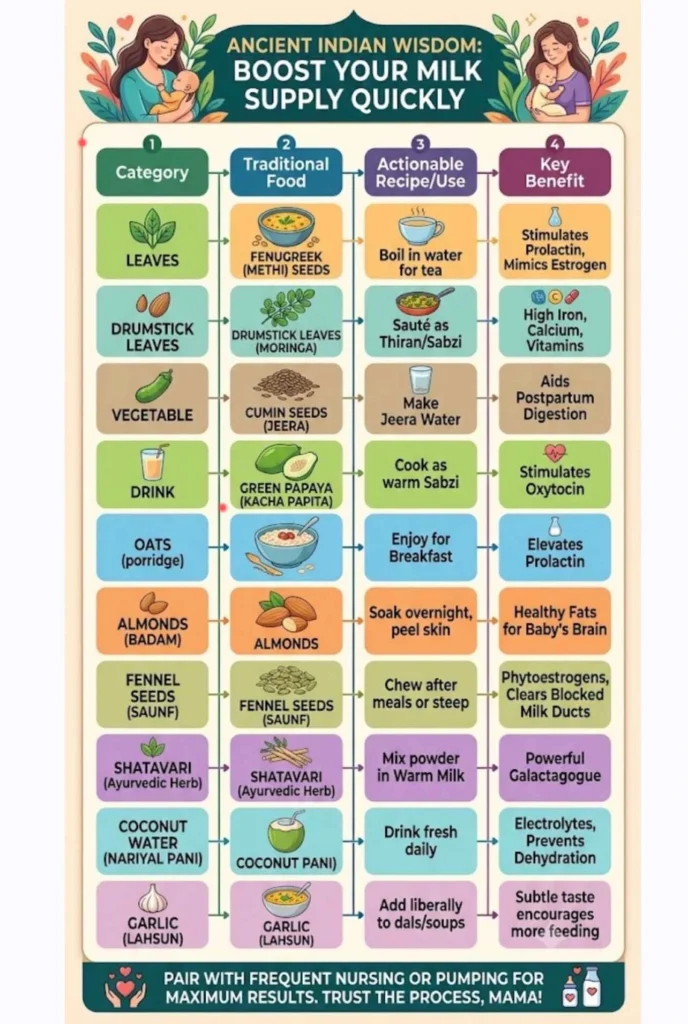
While the modern ways rely on nursing or pumping for milk production. However, adding specific foods to increase breast milk into your diet can provide your body the biological boost needed. In India these ingredients are known for milk-boosting, so let’s break down the 12 most powerful, time-tested ingredients used in Indian households and how to make them easily and safely.
The Power Seeds (The Spice Box Essentials)
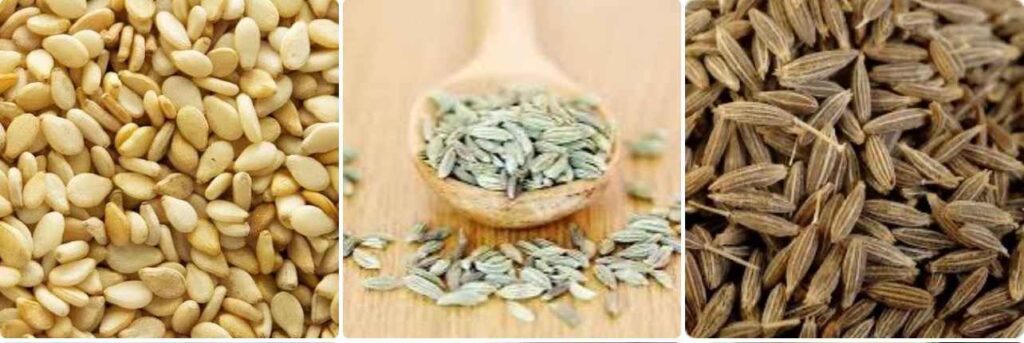
1. Fenugreek Seeds (Methi)
It contains phytoestrogens, plant-based compounds that mimic the hormone called estrogen. Methi is easily available in every local shop. It stimulates sweat production, which can trigger milk let-down.
- How to Prepare: All you need is 1 teaspoon of methi seeds soaked overnight in water. In the morning, boil it first for 5 minutes and take the liquid by straining the seeds; drink it warmer. If you don’t like to drink, then go for traditional Methi Laddoos (rich in healthy fats).
- Safety Note: Methi isn’t for you if you are already facing thyroid disorders or asthma. Some babies also face gas if the mother consumes large amounts of fenugreek, so keep in mind moderation is the key.
2. Cumin Seeds (Jeera)
We can say cumin seeds are an absolute postpartum powerhouse. It not only helps in lactation but is also rich in iron, which is important for recovery after postpartum blood loss. It also helps in better digestion.
- How to Prepare: Boil 1 teaspoon of cumin seeds in 2 cups of water till the water turns completely golden yellow, strain the seeds, and drink it throughout the day.
- Safety Note: It is safe for daily consumption and won’t cause bloating.
3. Fennel Seeds (Saunf)
Fennel seeds are historically known to clear blocked milk ducts. It works as an estrogen agent, which helps in increasing the volume of milk naturally.
- How to Prepare: Add 1 teaspoon of fennel seeds to hot water for 10 minutes to create a caffeine-free tea. If you prefer to eat, you can chew half a teaspoon of roasted saffron after dinner for better digestion.
- Safety Note: It is completely safe and makes soothing gas in a baby’s tummy.
4. Sesame Seeds (Til)
Sesame seeds are rich in calcium, healthy fats, and estrogen-active plant compounds; both black and white ones work the same and are important for postpartum bone health.
- How to Prepare: Eat til laddoos or til chikki, or sprinkle toasted sesame seeds over your salads, stir-fried vegetables, and raita.
- Safety Note: It is completely safe for mothers. However, if your partner has a history of sesame allergies, introduce it in small amounts to test for allergies in the child.
The Nutrient-Dense Greens & Vegetables

5. Moringa (Drumstick Leaves)
Fresh moringa leaves are considered traditional food in India. They are rich in iron, calcium, and vitamin A. According to the clinical studies, moringa increases maternal prolactin levels, making it the best milk-booster.
- How to Prepare: All you need is to sauté fresh drumstick leaves with other items like mustard seeds, curry leaves, and a pinch of grated coconut or blend them into food items like dal and sambar.
- SAFETY NOTE: Don’t take a store-bought one. Use fresh and pure leaf powders.
6. Spinach (Palak)
Iron deficiency is the main cause of low milk supply and maternal fatigue. Spinach is rich in iron, folate, and calcium, so it helps in restoring blood reserves and supports milk quality.
- How to Prepare: Cook the spinach properly and enjoy it like Palak Dal; you can also make a breakfast smoothie or stuff it in palak parathas.
- Safety Note: Don’t take raw spinach, as it will contain oxalates, which aren’t gentle on the digestive tract.
7. Green Papaya (Kacha Papita)
It has been used for generations in South and Southeast Asia; green papaya is highly recommended for stimulating the release of oxytocin.
- How to Prepare: First grate the green papaya and cook it as a mildly spiced stir-fry like Kacha Papita Sabzi or add it to a warm soup.
- Safety Note: Make sure the papaya is fully cooked, as raw ones have a concentration of latex, which can cause uterine contractions, especially if you are in the recovery phase.
8. Garlic (Lahsun)
Garlic has been used as a galactagogue for centuries. It alters the scent and flavor of breast milk. According to studies, many babies enjoy garlic flavor and take a long time to feed, which also increases milk supply through demand!
- How to Prepare: You can add minced garlic in dal, vegetable curries, and soups.
- Safety Note: Watch your baby; if he/she faces gas or doesn’t ask for milk again, then it means they don’t like the flavor. Avoid it.
The Grains, Nuts & Herbs

9. Oats
Oats are a comforting food that is easy to digest and also rich in beta-glucan, a type of soluble fiber that raises prolactin levels. They keep you full and also provide long-lasting energy.
- How to Prepare: Enjoy a warm bowl of rolled oats porridge with some sliced nuts, cookies, brewers’ yeast, and ground flaxseeds.
- Safety Note: It is completely safe and highly recommended as a daily postpartum breakfast.
10. Shatavari (Asparagus Racemosus)
It is an ancient Ayurvedic herb, which is a powerful adaptogen and systemic balancer. Shatavari works on the brain’s pituitary gland to stimulate prolactin synthesis; this makes it a reliable herbal galactagogue in traditional medicines among all regions of India.
- How to Prepare: All you need is to mix 1/2 teaspoon of organic Shatavari powder into a warm glass of milk; also add a pinch of turmeric or cardamom if you are drinking it before bed.
- Safety Note: Do be sure to check with your Ayurvedic physician or your healthcare provider before using Shatavari.
11. Almonds & Dry Fruits
Almonds, cashews, walnuts, and other nuts are rich in healthy fats, protein, and antioxidants. Making the breast milk rich in healthy fats also helps in supporting the baby’s brain and nervous system development.
- How to Prepare: If you are using almonds, then soak 5 to 10 overnight in water, peel the skin, and eat in the morning. You can also blend nuts in a morning smoothie. You can also make a traditional Gondh Katira or dry fruit mix.
- Safety Note: Rich in healthy calories; however, moderation is the key.
12. Coconut Water (Nariyal Paani)
Dehydration can also be a cause of a sudden drop in milk volume. Fresh coconut water is an amazing source of vital electrolytes like potassium and magnesium, which rehydrate your body fast as compared to water.
- How to Prepare: Drink 1 glass of fresh coconut water daily in the late morning or afternoon.
- Safety Note: It is best for hydration always; buy fresh ones that are found at marts because they have additives.
The 1-Day Lactation Diet Plan for Indian Mothers
This meal plan is designed to provide a complete pack of hydration, essential minerals (like iron and calcium), healthy fats, and natural galactagogues to keep your energy levels up and support the milk supply.
| Time | Meal / Drink | Purpose & Galactagogue Boost |
|---|---|---|
| 7:00 AM (Early Morning) |
Warm Jeera Water (1 glass) + 5–6 soaked and peeled almonds |
Hydration & Digestion: Cumin wakes up your digestive system, while soaked almonds provide healthy fats to enrich your milk. |
| 8:30 AM (Breakfast) |
Oats Porridge cooked in milk, topped with sliced walnuts and pumpkin seeds. OR 2 Paneer or Spinach Parathas served with fresh homemade curd. |
Prolactin Boost & Calcium: Oats contain beta-glucan to support milk-making hormones, while paneer and spinach provide iron and protein. |
| 11:00 AM (Mid-Morning) |
Fresh Tender Coconut Water + 1 small bowl of seasonal fruit (like papaya or pomegranate) |
Electrolyte Recovery: Deep hydration to replenish fluids lost during morning nursing sessions. |
| 1:00 PM (Lunch) |
Choose one regional option below | Energy & Iron: A hearty, balanced meal designed to prevent the afternoon postpartum slump. |
| 4:00 PM (Evening Snack) |
Fennel (Saunf) Tea (1 cup) + 1 Oats-Flaxseed Laddoo or a small fistful of roasted makhana (foxnuts) |
Let-Down Reflex Support: Warm fennel tea helps relax your body to release milk, while flaxseeds provide crucial Omega-3 fatty acids. |
| 7:30 PM (Dinner) |
Choose one regional option below | Easy Digestion: A lighter, easy-to-digest meal featuring garlic to stimulate overnight milk production. |
| 9:00 PM (Pre-Bedtime) |
Warm Turmeric & Cardamom Milk + 1/2 tsp Shatavari powder (optional) |
Rest & Repair: Promotes deep, restorative sleep (even between night feeds) and naturally boosts prolactin levels overnight. |
Regional Lunch & Dinner Options
North Indian Options
- Lunch: You can eat 2 to 3 whole wheat rotis with a bowl of thick palak dal and have Kacha Papita Sabzi as a side.
- Dinner: You can have khichdi made from split yellow moong dal and rice. Add roasted papad as a side.
South Indian Options
- Lunch: Eat red rice with moringa leaves (drumstick) Sambar uses cabbage and carrot poriyal as a side.
- Dinner: You can have 2-3 soft ragi idlis or oats upma with fresh vegetables and coconut-garlic chutney.
Pro-Tip for Busy Moms: If you are extremely busy and can’t follow this meal routine, then don’t stress. The most important thing is to stay hydrated; drink coconut water a day and normal water the whole day. Eat warm, fresh, whole foods.
What to Drink to Increase Breast Milk Naturally at Home
When you are breastfeeding, the body needs an extra 1 to 1.5 liters of fluids each day to maintain fast milk production. If you can’t drink plain water the whole day, then go for traditional yet nutritional Indian drinks as follows. I know I mentioned some drinks earlier too, but this chart is for quick information.
| # | Drink Name | How It Helps Your Supply | How to Prepare It at Home |
|---|---|---|---|
| 1 | Jeera-Ajwain Water (Cumin & Carom) |
Boosts iron, aids maternal digestion, and reduces colic/bloating in your baby. | Boil 1 tsp jeera and 1/2 tsp ajwain in 3 cups of water for 5 minutes. Strain and sip warm. |
| 2 | Methi Water (Fenugreek Infusion) |
Heavy-hitter galactagogue that stimulates sweat/mammary glands to increase milk flow. | Soak 1 tsp methi seeds in a cup of water overnight. Boil for 3 minutes in the morning, strain, and drink warm. |
| 3 | Saunf Tea (Fennel Seed Tea) |
Estrogenic properties clear blocked milk ducts and trigger the milk let-down reflex. | Slightly crush 1 tsp saunf seeds. Steep in hot water for 10 minutes, strain, and enjoy as a caffeine-free tea. |
| 4 | Shatavari Milk (Ayurvedic Herb) |
An adaptogen that directly acts on the brain to release prolactin (the milk-making hormone). | Whisk 1/2 tsp of Shatavari powder into a warm cup of milk with a pinch of cardamom before bed. |
| 5 | Tender Coconut Water | Prevents dehydration instantly with natural, sugar-free electrolytes (potassium & magnesium). | Drink fresh from a green coconut in the late morning. Avoid boxed brands with added sugars. |
| 6 | Golden Garlic Milk (Lahsun Ka Dudh) |
Combines the immune-boosting power of garlic with calcium-rich milk. | Simmer 2 crushed garlic cloves in 1 cup of milk for 5 minutes. Strain and drink with a pinch of turmeric. |
| 7 | Almond & Date Shake | Loaded with healthy fats and protein to make your breast milk richer and creamier. | Blend 5 soaked/peeled almonds with 2 soaked dates, a pinch of cinnamon, and a cup of warm milk. |
| 8 | Moringa Leaf Broth | Highly concentrated in plant-based iron, calcium, and Vitamin A to combat postpartum fatigue. | Simmer fresh drumstick leaves in water with a pinch of salt and black pepper. Strain and drink as a warm soup. |
| 9 | Barley (Jau) Water | Barley is incredibly rich in beta-glucan, a soluble fiber known to elevate prolactin levels. | Boil 2 tbsp of barley pearl seeds in 4 cups of water for 20 minutes. Strain, add a squeeze of lemon, and drink cool. |
| 10 | Dalia (Broken Wheat) Gruel | A thin, easily digestible warm drinkable porridge that replenishes maternal energy quickly. | Cook 1 tbsp of roasted dalia with plenty of milk or water until completely soft and runny. Sweeten lightly. |
Powerhouse Fruits & Dry Fruits to Increase Breast Milk
If you are looking for a non-cooked snack that is helpful for the body, then go for fruits and dry fruits. They have natural sugars, which give an instant body boost. They also have healthy fats and micronutrients that help in recovery after delivery.
Avocados (The Healthy Fat Champion)
Avocados are rich in healthy fats, so eating them can help to keep the caloric density and richness of your breast milk; it will also make the baby full for a long time. Avocados are also rich in potassium, which helps in balancing the fluid in your body.
- How to eat: Cut half an avocado in slices and add it to morning toast or blend it in a smoothie.
Bananas (The Energy Restorer)
During breastfeeding the body burns 500 calories a day, which leads to weakness in the mother’s body. Bananas are a rich source of carbohydrates, potassium, and vitamin B6, which helps to combat postpartum fatigue.
- How to eat: Keep a bunch of bananas in the kitchen and eat bananas between feeds or slice them over morning meals.
Fig (Anjeer – Fresh or Dried)
It is an amazing plant-based source of calcium and iron; these two minerals are important for milk production. Anjeer is also rich in dietary fiber, which works best for postpartum constipation.
- How to eat: You can eat 2 fresh figs as an afternoon snack or soak 2 figs overnight in warm water and chew them in the morning.
In India there are traditional Gondh Laddoos or Panjiri made for new mothers. The ingredients used in these are dry fruits, rich in nutrients that give strength and enrich breast milk.
Walnuts (Akhrot)
Walnuts are considered the king of omega-3 fatty acids (DHA/ALA). When a mother consumes a food item that is rich in omega-3s, it will pass into breast milk and then to the baby, which is essential for the baby’s visual development in the first year.
- How to eat: You can add 5 to 8 walnut pieces to morning oats or keep raw, unsalted walnuts next to your hand.
Apricots (Jardalu)
Dried apricots have phytoestrogens, which are essential for balancing postpartum hormones and also support milk supply. Apricots are also rich in iron and potassium.
- How to eat: Chop apricot and mix it with yogurt. You can also eat dry apricots with fennel tea.
Flaxseeds & Chia Seeds (Alsi & Chia)
You may think they are just a tiny seed; however, they are a nutritional powerhouse. Flaxseeds & chia seeds are rich in protein, soluble fiber, and phytoestrogens; all these help in supporting lactation.
- How to eat: Flaxseed digests easily, so sprinkle a tablespoon of it or soak chia seeds over the curd, smoothies, or porridge.
A Quick Dry Fruit Hack for Tired Moms: Blend all dry fruits like almonds, walnuts, dried figs, and dates and make a smooth powder, then mix with a little warm ghee and make small balls. Keep them in a jar and eat whenever you want.

Foods & Herbs to Avoid (That Can Actually Decrease Milk Supply)
As we discuss what we eat or drink as moms while breastfeeding to increase the milk, now it’s time to also know the foods & herbs to avoid when breastfeeding.
| # | Ingredient | Why It Can Decrease Milk Supply / Affect Baby | What to Do Instead |
|---|---|---|---|
| 1 | Sage (Tejpatta / Marua) |
Contains compounds that naturally mimic estrogen shifts, which can rapidly dry up breast milk. Often used intentionally when weaning. | Avoid cooking with sage entirely. Use mild curry leaves (kadhipatta) or coriander for flavor. |
| 2 | Peppermint & Spearmint | Consumed in large amounts (like strong mint teas or essential oils), peppermint can severely reduce milk volume. | Enjoy a warm cup of fennel (saunf) tea or cumin (jeera) water instead. |
| 3 | Parsley | A natural diuretic and anti-galactagogue. Eating small garnishes is fine, but large quantities can dry up milk. | Stick to fresh coriander (dhania) or dill leaves (shepu/suva) to garnish your dishes. |
| 4 | Excessive Caffeine | While it doesn’t directly dry up milk, excess caffeine passes to your baby, making them irritable and keeping them awake—which spikes your stress hormones and blocks milk let-down. | Limit coffee or strong black tea (chai) to 1–2 small cups a day. Swap later cups for warm milk or caffeine-free herbal teas. |
| 5 | Alcohol | A common myth suggests beer boosts milk. In reality, alcohol temporarily dehydrates you and inhibits the oxytocin reflex, reducing milk flow by up to 20%. | Skip alcohol entirely while establishing your supply. Drink fresh tender coconut water or mocktails made with sparkling water. |
| 6 | Excessive Sugar & Processed Foods |
High-sugar bakery items, sodas, and heavily processed snacks cause rapid blood sugar spikes and crashes, leaving you exhausted and sluggish. | Satisfy sweet cravings with dry fruit laddoos, dates, figs, or fresh sweet fruits like ripe mangoes and papayas. |
| 7 | Uncooked / Raw Brassicas (Cabbage, Cauliflower, Broccoli) |
High in complex sugars that are tough to digest. When eaten raw, they can cause painful gas in you, which can make your baby fussy and uncomfortable. | Always cook these vegetables thoroughly. Sauté them with a pinch of heeng (asafetida) and cumin to aid digestion. |
| 8 | High-Mercury Fish (King Mackerel / Surmai, Swordfish) |
Mercury can pass through breast milk and negatively impact your baby’s developing brain and nervous system. | Choose low-mercury local options like Pomfret, Sardines, or Anchovies in moderation (1–2 times a week). |
| 9 | Excessive Sour Foods (Heavy Lemon, Raw Tamarind) |
In traditional Ayurvedic postpartum care, excessive sourness (Amla/Katta) is believed to cause muscle stiffness in healing mothers and cause gas in babies. | Use lime juice or tamarind sparingly to balance flavors, rather than making them the main ingredient. |
| 10 | Certain OTC Cold Medications | Over-the-counter decongestants containing pseudoephedrine are designed to dry up bodily secretions, and they will rapidly dry up your milk supply as well. | Consult your doctor before taking any cold medicines. Use natural steam inhalation or warm saline gargles for relief. |
A Note on Accidental Exposure: If you accidentally consume any item from the list above, then don’t panic because one-time intake won’t cause extreme side effects. Simply drink a lot of water and get a proper clean diet.
How Long Does It Take to See an Increase in Milk Supply?
This is the most common question every mom asks after drinking just a glass of methi water or eating any other mentioned item for the first time.
Herbal Remedies (Methi, Shatavari): You will notice a boost in the next 24 to 72 hours.
Dietary Changes (Oats, Spinach, Nuts): This takes a long time, so you will notice a change in 3 to 5 days when you are taking these items consistently.
Remember: If you consume these foods but only pump 2 times in a day, then the milk supply won’t increase. The foods provide the building blocks, but emptying your breasts provides the demand, as we discussed earlier; it’s more about supply and demand.
How to Tell If Your Baby is Getting Enough Milk
Many mothers get worried when they notice the supply is low, wondering if the baby is getting enough milk or not. While there is no measurement for this, a baby diaper can have the answer. Use the following check list to understand better.
| What to Look For | The “All Good” Signs |
|---|---|
| Wet Diapers | 6 or more wet diapers in a 24-hour period (clear or pale yellow urine). |
| Dirty Diapers | At least 2–3 soft, yellowish, mustard-like stools a day (for newborns under 6 weeks). |
| Weight Gain | Your pediatrician confirms steady weight gain along their personal growth curve. |
Baby’s Demeanor: Babies release the breast on their own, hands are relaxed (not clenched in fists), and they sleep peacefully for 1.5 to 3 hours between feeds.
Medical Disclaimer: The information in this article is for educational purposes only and should not replace professional medical advice. Always consult your doctor or pediatrician before changing your postpartum diet or starting any herbal supplements.
When Food Isn’t Enough: What to Do If Your Milk Supply Isn’t Budging
You are drinking jeera water and eating oats, also avoiding stress; however, you aren’t seeing any change in breast milk consistency.
Don’t panic; first take a deep breath. It is completely normal to feel stressed. Look at the other side of breastfeeding: that is milk removal and maternal stress. Focus on the following factors.
1. Is Your Baby Latching Properly?
A baby can nurse for 45 minutes, but if they aren’t taking the milk properly, they won’t empty the breast, and when the milk isn’t fully taken out, the body won’t make new production.
The main sign of this is your nipples feel pinched and painful after the feeding, or your breasts will feel heavy once the baby is done feeding.
To fix this problem, make sure your baby’s mouth covers more part of the nipple so they can press milk freely.
2. Are You Nursing or Pumping Frequently Enough?
The first few weeks the mother’s body needs constant stimulation to get the milk supply going. If you are on a strict breastfeeding schedule. Aim for at least 8 to 12 sessions in a 24-hour period. If the baby is sleeping for long, then consider adding a quick pumping session to keep continuing production.
3. Try “Power Pumping” to Mimic a Growth Spurt
When babies start growing, they need more breast milk every hour or in 30 minutes. This signals the breast needs more production. For this you can use a power pump.
- Pump for 20 minutes, then rest for 10 minutes.
- Pump for 10 minutes, then rest for 10 minutes.
- Pump for 10 minutes.
- Do this once a day for 3–4 days in a row to see a jump in your supply.
4. Sleep and Stress: The Silent “Supply Blockers”
Many parents struggle to sleep at night, especially with newborns, leading to physical exhaustion and high levels of stress. This, in turn, causes the release of the cortisol hormone, which inhibits the release of milk.
To fix this seep when your baby sleeps, even if it’s a 30-minute afternoon nap.
When to Seek Professional Help
You don’t have to struggle in silence like many moms do. If you experienced the following, please consult with the certified lactation consultant or your pediatrician:
- Baby isn’t gaining any weight.
- Only 6 wet diapers a day
- Breastfeeding is painful.
- You notice hard, painful, red lumps on the breast that won’t go away even after feeding.
Frequently Asked Questions (FAQs) by Moms
Q: Can I drink Methi (Fenugreek) water every day?
Yes, you can drink it every day; however, don’t cross the 1 cup per day limit. Monitor baby signs like gas and loose stools. If you have thyroid issues or diabetes, consult a doctor before taking it.
Q: What is the fastest way to increase breast milk in a day?
The fastest way to increase breast milk is to drink 3 liters of warm fluids (like Jeera water) to fully hydrate your body.
Q: Does eating ghee increase breast milk?
No, it doesn’t increase breast milk production directly, but it is rich in healthy fat. It provides energy a mother needs.
Scientific References & Official Resources
- WHO Breastfeeding Guidelines
- Physiology of Breast Milk – NCBI Bookshelf
Fenugreek Safety Data: LactMed Profile for Fenugreek (Methi) - Shatavari Safety Data: LactMed Profile for Wild Asparagus (Shatavari)
Herbal Galactagogues for Post Partum Lactation – ResearchGate
