
Quick Answer: Yes, imitation crab is completely safe in pregnancy; it’s pasteurized and made from low-mercury fish. However, moderation is the key, as it is high in sodium.
In pregnancy, many women look for nutritious food items, and they go for seafood, sushi, etc. However, the most common question that arises at the deli counter is, “Can you eat imitation crab while pregnant?” Well, yes, you can, as it is fully cooked and pasteurized. It is safe, but it doesn’t mean it is the only food that can give nutrition to your baby. To make the best choices for your developing baby, it’s important to understand the nutritional content of crab and the factors to consider when eating it.
Imitation Crab (Surimi) Pregnancy Safety at a Glance
| Safety Status | Why it’s safe | The Primary Risk | How to eat it safely |
|---|---|---|---|
|
100% SAFE (When fully heated or pasteurized) |
Unlike raw seafood, imitation crab is made from processed, white fish paste (surimi) that is fully cooked during manufacturing to destroy harmful bacteria. | Listeria contamination from improper storage. If cold imitation crab is left sitting open at a salad bar or deli counter, it can pick up bacteria after it was cooked. |
• Hot Dishes: Always safe (soups, stir-fries, baked pasta, hot crab cakes).
• Cold Dishes: Safe only if eaten fresh from a sealed, pasteurized package bought at the grocery store.
• Avoid: Pre-made cold crab salads from open buffet bars or deli counters.
|
What is imitation crab?
Before diving into how crab can be safe during pregnancy, let’s first understand what imitation crab actually is. You may find it funny imitation crab doesn’t include actual crab meat. It is completely made from processed fish paste called surimi. To make it, chefs use white fish like Alaskan pollock or Pacific whiting deboned and wash it completely to remove existing fats and odors. Then it gets chopped and made into thick paste. Once the thick paste is made, now they mix it with ingredients like
binders, sweeteners, and flavorings. Once the paste is completely ready, the next step is to give it the shape of crab legs or chunks before heating.
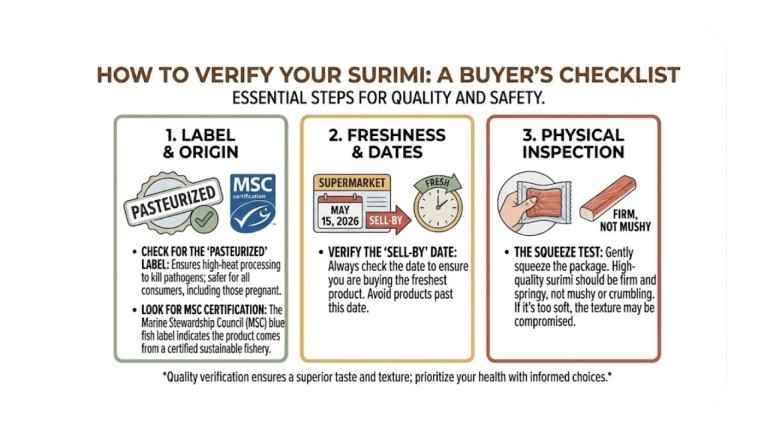
Since the fish paste is heated at a high temperature, it means the final product is pasteurized, which is the main reason why it is safe for pregnant women like me.

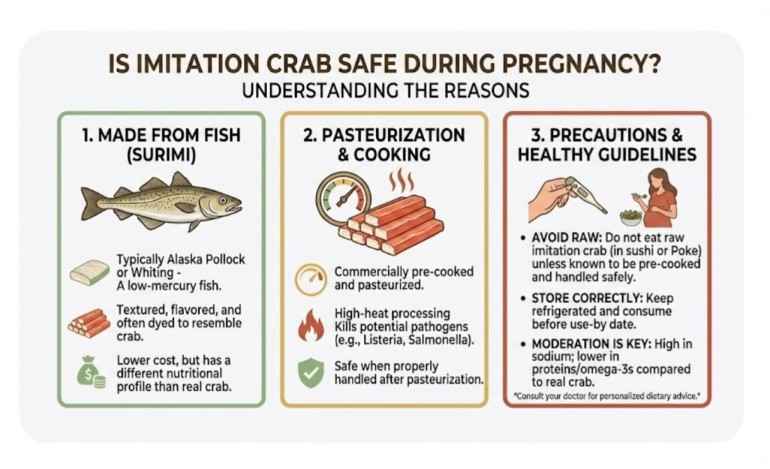
Is Imitation Crab Safe During Pregnancy? Understanding the reasons
When we talk about food safety, the first thing that comes to mind is to look at important factors such as bacterial contamination, such as Listeria, and mercury levels.
1. Pasteurization
Imitation crab is different from raw sushi and cold smoked fish because it is fully cooked. The main base of imitation crab is surimi, heated at a high temperature, which kills all the bacteria, like Listeria monocytogenes.
For a pregnant woman the main risk is always Listeria, as it is harmful for both mom and baby. Since surimi is a cooked food item, it removes the risk of listeria, which is commonly found in raw fish items like traditional sushi.
2. Low mercury level
Another reason why imitation crab is safe during pregnancy? It is made from Alaskan pollock, which is low in mercury. According to the FDA, it is considered the best food during pregnancy. Fish like king mackerel or swordfish need to be avoided during pregnancy, as they are high in mercury. The white fish used in surimi carries a very low toxic load.
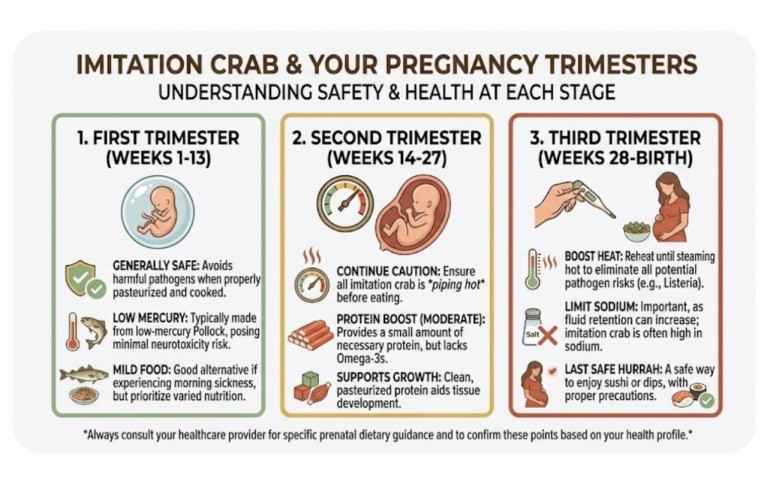
Eating Imitation Crab in Different Trimesters
When you eat imitation crab during pregnancy, the nutritional needs change based on your pregnancy stage. Here is how to approach surimi during each phase:
First Trimester
The first trimester, which usually lasts for 12 weeks, is very difficult and full of morning sickness. Many women like me get irritated or start vomiting when they smell fish or even chicken. Imitation crab can be the best choice in the first trimester because it is washed and processed into paste that is surimi, so there is no smell or odor. When you eat it during pregnancy, it provides protein to your body.
Second Trimester
In this trimester your energy returns; you may go outside to eat. This is the time to be most vigilant about buffet-style seafood or open-air parties. Before eating, make sure the imitation crab has been kept at a safe temperature that is above 140°F or below 40°F so there is no bacterial growth occurrence.
Third Trimester
In the final months of pregnancy, many women face extreme swelling in hands and feet. Since surimi is high in sodium, eating it in high amounts can lead to water retention. So if you are at the last stage of pregnancy, it is best to limit surimi, like eating it once a week, to avoid high sodium intake. Prioritize food items like avocados or bananas to help balance the salt intake.
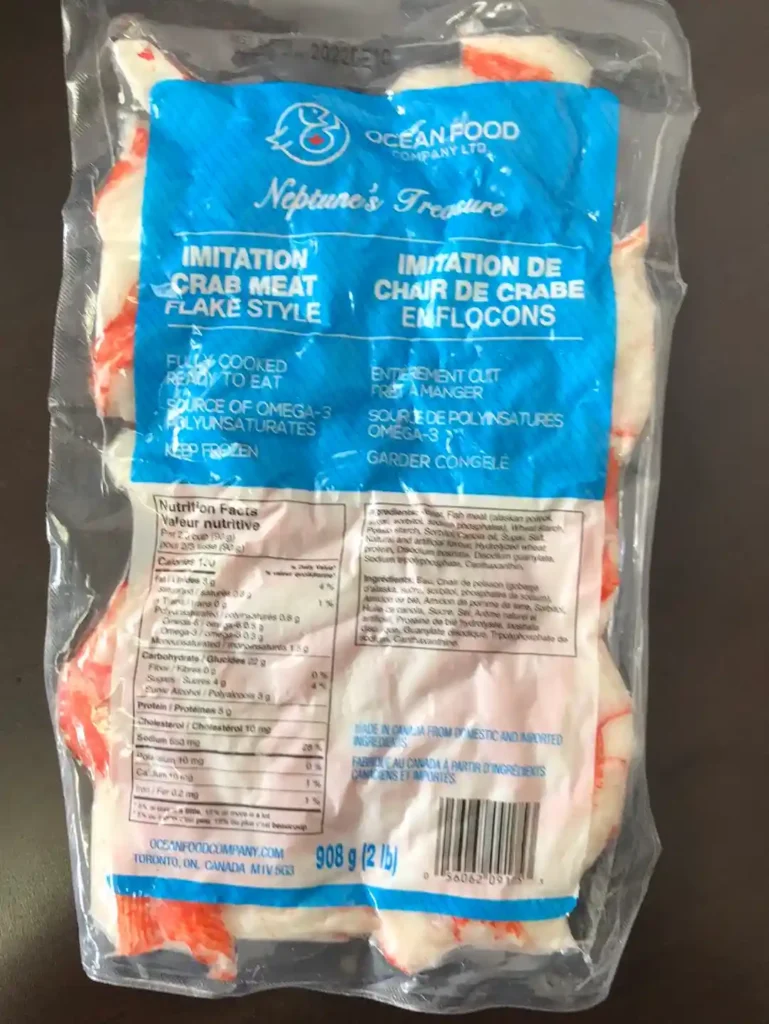
Breaking Down the Label: What Are Those Extra Ingredients?
To understand more about imitation crab, we need to look at what ingredients the label has on the back of the surimi packaging.
Pyrophosphates (Sodium Acid Pyrophosphate): One of the most common food additives used in surimi is pyrophosphates. This additive helps in maintaining the moisture and texture of fish protein. According to the FDA, this additive is completely safe to use; however, in pregnancy, the main focus of many women is whole food. So if you are also one, then you need to avoid surimi, which is highly processed.
Carmine or Cochineal Extract: While eating a crab stick, you may notice there is a bright red skin on the outside of it. This isn’t natural; they use natural dye derived from insects. While it is completely safe for many people, however, some individuals have rare allergic reactions to carmine. If you are also allergic to dyes, then avoid it; go for the brands that use paprika or beet juice for coloring.
Potassium Chloride: This additive is used as a replacement for salt. It provided the same salty flavor with low sodium content. For many pregnant women it is completely safe to consume; however, if you already have an existing kidney problem, then you need to avoid it.
Modified Food Starch: It is usually derived from ingredients like corn, potatoes, or wheat. This modified starch is used in surimi to provide its chewy flavor. If you are facing gestational diabetes, then it is better to avoid such items that contain starches.
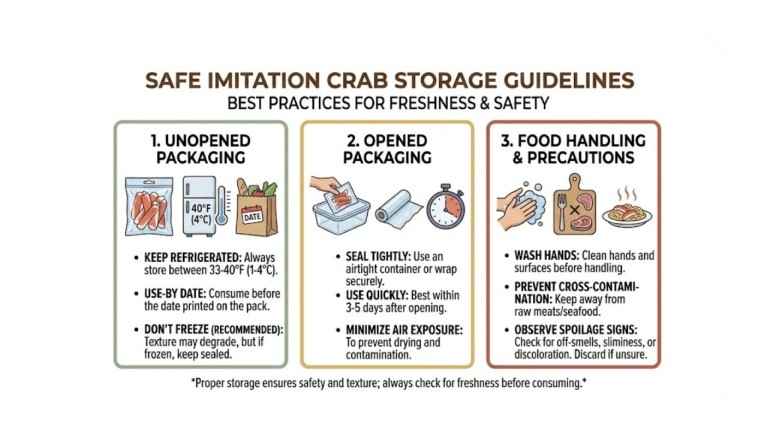
How to store imitation crab safely?
As I always say, the safety of any food item doesn’t only depend on its ingredients’ impact; it also depends on how you store it. Improper handling at home can lead to foodborne illness.
Strict temperature rule: In order to keep imitation crab safe, never place it out for more than 2 hours. If you live in an area where the weather is hot, then it is better to refrigerate limited crab within 1 hour.
The Sealed vs. Opened Package: An unopened vacuum-sealed surimi package can last in the refrigerator till the expiry date; however, once you open a package, the clock starts.
The 3-Day Rule: Once the package is open, you can eat it within 3 days. Dangerous bacteria like Listeria can grow in a refrigerator too once food is exposed to the air.
Freezing Surimi: Once you freeze surimi, it can last easily for two months. To keep its texture the same after freezing, make sure to thaw it in the refrigerator overnight rather than using a microwave.
What are the nutritional benefits of surimi during pregnancy?
Seafood like real crab is a nutritional food item. Imitation crabs also have benefits in pregnancy. Here is the breakdown of the essential nutrients found in high-quality surimi:
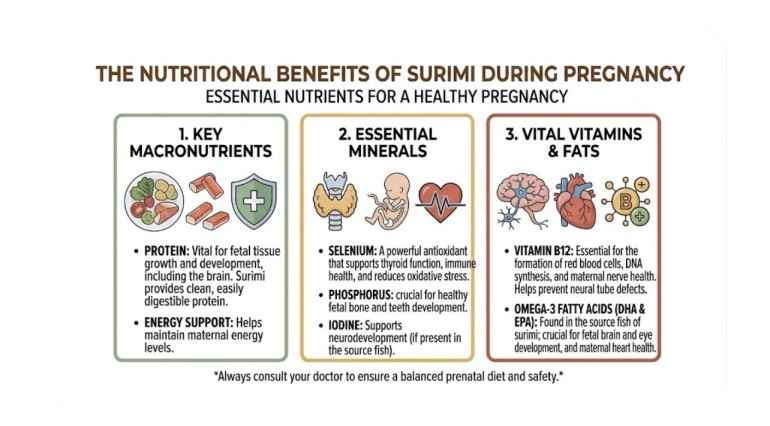
Protein: It is an essential nutrient for the growth of the placenta and the baby’s developing tissues. Surimi provides 6 to 10 g of protein in a single serving. It is made from white fish like Alaskan pollock, which is a complete source of protein, meaning it contains all required amino acids. Pregnant women eat it because it is easier to digest.
Selenium: Surimi is considered a good source of antioxidants like selenium. It plays an important role in supporting maternal thyroid function. It also protects babies from oxidative stress.
Phosphorus: After calcium, another nutrient that helps in the formation of the baby’s skeletal system is phosphorus. A single serving of imitation crab helps your body to meet the phosphorus requirements, especially in pregnancy.
Vitamin B12: Even if it is a processed food item, it is still fish-based, so it contains vitamin B12, which is important for the mother’s nervous system. It is also a key player in DNA synthesis. The real crab has more vitamins as compared to imitation crab.
Omega-3: Cold-water fish is famous for DHA and EPA, which are important for baby eyes and brain development. However, during the washing phase of fish, most of these fats are gone.
How to make imitation crab a complete pregnancy meal?
To get full benefits of eating surimi in pregnancy, you need to pair it up with the following items.
- Pair with Healthy Fats: Serve your California roll with avocado, as this combination will provide you omega-3s.
- Add Vitamin C: You can squeeze lemon on crab salad to get a quick boost of vitamin C.
- Fiber Balance: Surimi doesn’t have fiber, so adding a whole-grain pasta and plenty of sautéed vegetables with it can provide a fiber meal.
| What Surimi Lacks | The Perfect Pregnancy Pairing | Easy Meal Idea | Why Your Body Needs It |
|---|---|---|---|
| Healthy Fats | Avocado, Olive Oil, or Seeds | Roll into a homemade California roll with fresh avocado, or toss into a salad with a light olive oil dressing. |
Provides essential Omega-3 fatty acids and healthy fats that support your baby’s rapid brain and eye development.
|
| Key Micronutrients | Vitamin C-Rich Foods | Squeeze fresh lemon juice over a cold crab salad, or mix in diced bell peppers and tomatoes. |
Imitation crab lacks major vitamins; adding Vitamin C significantly boosts your iron absorption and supports your immune system.
|
| Dietary Fiber | Whole Grains & Sautéed Vegetables | Toss flaked surimi into a whole-grain pasta dish packed with plenty of sautéed broccoli, zucchini, and carrots. |
Surimi contains zero fiber. Pairing it with complex carbs and veggies prevents pregnancy constipation and keeps your blood sugar stable.
|
What are the side effects of eating real or imitation food in pregnancy?
Like any other food item, it also has some side effects and adverse reactions that expectant mothers should monitor as follows:
Digestive Distress and Bloating
As we know, imitation crab is an ultra-processed food because it contains stabilizers known as sorbitol and various starches. During pregnancy the digestive system becomes slow; this makes you more sensitive to additives like sugar alcohols, leading to gas, bloating, and mild cramping. After eating surimi, if you notice any effect like feeling heavy or gassy, this means the body is reacting to additives.
Sodium-Induced Edema (Swelling)
High intake of sodium can lead to water retention, which leads to swelling in hands and feet. Crabs do have a high amount of sodium, so if you notice your rings feeling tighter or ankles swelling significantly after a meal containing imitation crab, then it is very common, especially in the 3rd trimester. Always monitor your intake if you are at risk for preeclampsia.
Allergic Reactions (The Hidden Shellfish)
For many people, imitation crab is safe to consume; however, individuals with shellfish allergies may mistakenly believe it is safe because it is made from white fish. Many brands use crab extract or shell-derived flavorings. Reactions such as hives, itching, or swelling of the lips can occur due to shellfish allergies. Therefore, if you have an allergy, it is advisable to avoid imitation crab, as pregnancy is not the right time to test your limits.
Risk of Foodborne Illness (Listeriosis)
The most serious side effect doesn’t come from the crab, but it is based on how it was handled. You may notice symptoms like fever, muscle aches, and nausea that start a few days after eating. Improperly handled crab can contain listeria, which can cross the placenta. This is why it’s important to avoid open deli containers.
Pregnancy Imitation Crab Safety Analyzer
Verify serving styles, mercury limits, and processing additives instantly
Dietary & Ingredient Breakdown:
What to Do if You Feel Sick After Eating Crab?
First of all, don’t panic because in most cases eating imitation crab leads to an upset stomach. However, if you have a fever higher than 100.4°F (38°C), continuous vomiting that you are unable to control, or signs of an allergic reaction like shortness of breath and widespread hives, then consult your healthcare provider immediately.
Post-Meal Symptom Checklist: What to Do If You Feel Sick
| Symptom Severity | What You Are Experiencing | Immediate Action Step | Why This Matters |
|---|---|---|---|
| Mild / Manageable |
• Mild nausea • Minor stomach cramping • Occasional loose stools |
Rest & Hydrate: Don’t panic. In most cases, feeling slightly unwell after eating imitation crab is just a temporary, mild upset stomach. Keep sipping water or clear fluids. |
Simple digestive upsets usually resolve on their own with rest and hydration.
|
| Severe Digestive Signs |
• A fever higher than 100.4°F (38°C) • Continuous, uncontrollable vomiting • Inability to keep any fluids down |
Contact Your Doctor: Call your healthcare provider or OB-GYN immediately for guidance. |
High fevers and severe vomiting can quickly lead to dehydration, which requires professional medical management during pregnancy.
|
| Emergency Signs |
• Shortness of breath / wheezing • Widespread hives or sudden rash • Swelling of the face, lips, or tongue |
Seek Emergency Care: Go to the nearest emergency room or call for medical help right away. |
These are classic signs of an acute allergic reaction (anaphylaxis) and require immediate, life-saving medical intervention.
|
Imitation Crab during Pregnancy? What Experts say
When determining if you can eat imitation crab while pregnant, it is best to look at what food authorities say about it, bodies.
According to the US. The use of fish in surimi, such as Alaskan pollock, is recommended by the Food and Drug Administration (FDA) and the Environmental Protection Agency (EPA) as the best choice during pregnancy. A pregnant woman can eat it in 2–3 servings (8–12 ounces) per week.
- Official Resource: FDA Advice about Eating Fish
According to the National Health Service (NHS), most types of fish are completely safe to consume when they are properly cooked. Shellfish and products like imitation crab are safe because they are fully cooked and free from bacteria. They also state you don’t need to avoid sushi as long as the cooked fish, like the surimi in California rolls, is used.
- Official Resource: NHS: Foods to avoid in pregnancy
According to Food Standards Australia New Zealand (FSANZ), pregnant women can only eat ready-to-eat seafood. That is heated at a temperature of 140°F (60°C) or if it is a shelf-stable canned product.
Frequently Asked Questions by People on Can You Eat Imitation Crab While Pregnant?
1. Is imitation crab raw?
No, it is made from white fish paste that is cooked at a high temperature and steamed before it reaches the store.
2. Can I eat the seafood salad from the deli counter?
No, it’s not recommended during pregnancy because deli salads are out of the refrigerator for a long time, which leads to bacteria growth.
3. Does it have high mercury?
No, it is high in mercury because it is made from Alaskan pollock, which is low in mercury.
4. Are California Rolls safe for pregnant women?
Yes, they are safe to consume during pregnancy because these rolls contain cooked imitation crab, avocado, and cucumber.
5. What if I accidentally ate real raw crab?
First of all, don’t panic, as one-time eating won’t have major side effects on the body; however, you may notice an upset stomach or fever.
6. Does imitation crab have healthy omega-3 fats?
Imitation crabs contain a small amount of omega 3, as most of the healthy oils are washed away in the cleaning process. To get full of omega-3, you need to eat salmon or sardines.
7. Is hot crab rangoon okay to eat?
Yes. Because it is fried at a high temperature, all bacteria get killed easily.
8. Can I eat it if I have gestational diabetes?
If you want to eat it while having gestational diabetes, then eat in moderation, as imitation crab has added starches and sugars that can trigger diabetes.
9. Is it safe for people with shellfish allergies?
Usually not. Most brands add a small amount of real crab extract for flavor, so check the label carefully.
10. Can I freeze it to make it last?
Yes. You can freeze it for up to 2 months. Just be sure to thaw it properly to avoid a rubbery texture and bad flavor.
Conclusion
So, can you eat imitation crab while pregnant? The answer is a definitive yes. Since it is pasteurized and made from low-mercury fish like Alaskan pollock, surimi is considered one of the safest seafood items without the risks as compared to raw sushi. However, as we’ve explored, being “safe” from bacteria is only one part of the pregnancy nutrition puzzle. While eating surimi you don’t need to worry about harmful bacteria like Listeria. However, you need to monitor the sodium intake to avoid any issue. Use it as a mild protein source, especially in the first trimester. To get full benefits, always pair your surimi with healthy fats like avocado or fiber-rich vegetables to create a balanced meal.
Also Read: Can You Eat Subway While Pregnant? The Ultimate 2026 Safety & Nutrition Guide
Medical Disclaimer: This content is for informational purposes only and does not replace professional food safety or health advice. Always follow local food safety guidelines and consult a qualified expert if you have specific concerns about food handling or illness prevention.
