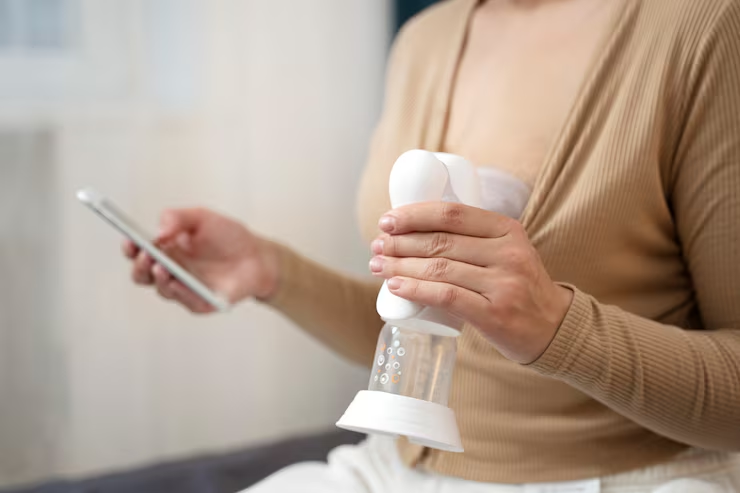
Starting Too Strong Is a Common First Mistake
For many new moms, pumping begins with a simple assumption: stronger suction must mean better results. In reality, turning the pump to the highest setting right away can make pumping feel tense, uncomfortable, or even discouraging. A helpful starting point is breast pump suction strength explained in plain terms: suction should help stimulate milk flow, not make the body tighten up. Beginners often do better by starting low, increasing gradually, and stopping before discomfort becomes part of the routine.
The highest setting is not automatically the most effective one. A comfortable level that creates a steady pulling sensation may work better than intense suction that causes pain. During the first few sessions, observe whether the nipple moves freely, the breast feels softer afterward, and the setting remains comfortable. Sensitivity can change throughout the day, so the same setting may not work for every session.
It also helps to understand stimulation and expression modes. Stimulation usually uses a quicker, lighter rhythm to encourage letdown, while expression mode uses a slower rhythm once milk is flowing. If flow slows, briefly returning to stimulation, using gentle breast compression, or pausing may help more than simply increasing suction. Persistent pain, broken skin, blanching, or swelling should not be treated as normal.
Flange Fit Matters More Than Many Moms Expect
Another common issue is using the wrong flange size. If the flange is too tight, it may rub or pinch; if it is too loose, the pump may not create a steady seal. A correct flange fit allows the nipple to move comfortably without excess pulling, which can make each session feel smoother. Before changing pumps or increasing suction, new moms should check fit first, because comfort and milk flow are often connected.
The flange included with a pump does not automatically fit everyone, and each breast may need a different size. During pumping, the nipple should move freely through the tunnel without repeatedly scraping the sides. Too much areola should not be pulled inward, and the nipple should not look swollen, compressed, or discolored afterward. Inserts or alternative flanges may be worth trying before deciding the pump itself is unsuitable. Fit can also change after early postpartum swelling decreases, so it is worth checking again if comfort or output changes.
A Simple Routine Can Make Pumping Feel Less Random
One of the most useful pumping tips for beginners is to build a gentle schedule instead of pumping only when things feel urgent. This does not have to be perfect. It may simply mean choosing regular windows during the day, watching how the body responds, and noticing when letdown tends to happen. For moms wondering how to use breast pump settings wisely, the answer is often patience: begin with stimulation, move into expression once milk starts flowing, and adjust based on comfort rather than pressure.
Output naturally varies with time of day, sleep, recent feeding, hormones, and the time since the last milk removal. One lower-output session does not necessarily mean supply has dropped. Many people also have one breast that produces more than the other. Looking at patterns over several days is usually more useful than judging one session.
Preparation matters too. Keeping clean parts, storage containers, water, and a charger together can make the routine easier. Correct assembly is especially important with wearable pumps because a twisted membrane, loose seal, or misaligned nipple can reduce suction. Some apparent supply problems are actually setup problems, so checking valves, seals, and worn parts should come before increasing intensity.
Comfort Can Support Letdown
Pumping is not only mechanical; it is also physical and emotional. Stress, cold flanges, poor posture, and rushing can all make it harder to relax into a session. That is why warmth, massage, and a calm setup can matter.
A more comfortable session may begin before the pump is switched on. Sitting with back support, lowering the shoulders, and taking several slow breaths can reduce tension. Some mothers find a warm compress, gentle breast massage, or looking at a photo of their baby helpful. These approaches do not guarantee a certain volume, but they may support a more relaxed letdown response.
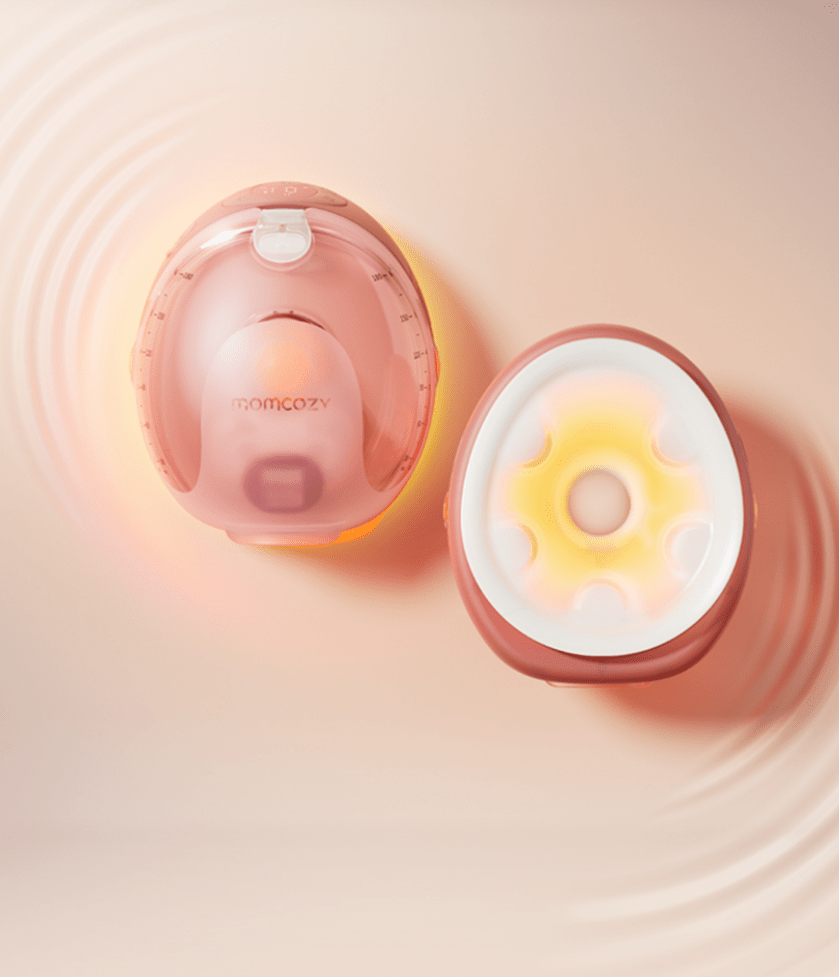
Warmth and massage can also be considered when comparing pump features, although they are better understood as comfort tools than as guarantees of higher output. The Momcozy Wellness 1 wearable breast pump (W1), for example, includes a 360° heated flange, described as a Heated DoubleFit™ flange, and a rhythmic massage function. These features may suit mothers who prefer a warmer pumping experience, but they do not replace correct sizing, comfortable suction, proper assembly, or individualized support. When comparing the best beginner breast pump options, it is more useful to consider fit, cleaning, portability, battery life, replacement parts, and personal comfort than to focus on the strongest motor or a single feature.
Do Not Judge Success Only by the Bottle
Another beginner mistake is treating the number of ounces collected as the only measure of whether a session worked. Pump output is not a direct measurement of total milk production, and a baby may remove milk differently from a pump. A session can still be useful when the container looks less full than expected, especially when the goal is stimulation, maintaining a routine, or learning how the body responds.
A Gentler Start Can Build Confidence
The early days of pumping can feel like a lot of trial and error, but small adjustments often make a meaningful difference: lower suction, better flange fit, a steady routine, and more attention to comfort.
The goal is not to build a perfect routine immediately. It is to create a process that can be repeated without dread, significant pain, or constant second-guessing. Some mothers may prefer a wearable pump for mobility, while others may respond better to a traditional double-electric model. Momcozy Wellness 1 can be considered as one option for mothers interested in warmth and massage, but it should be compared with other pumps based on flange compatibility, cleaning requirements, replacement parts, and whether it fits the intended routine.
Most importantly, beginners should feel permitted to adjust. A setting can be lowered, a session can be paused, a flange can be changed, and a schedule can be simplified. Professional help can be requested before frustration becomes overwhelming. Pumping often becomes more manageable not by pushing harder, but by learning the body’s signals, correcting small setup issues, and creating a routine that feels supportive enough to continue.
