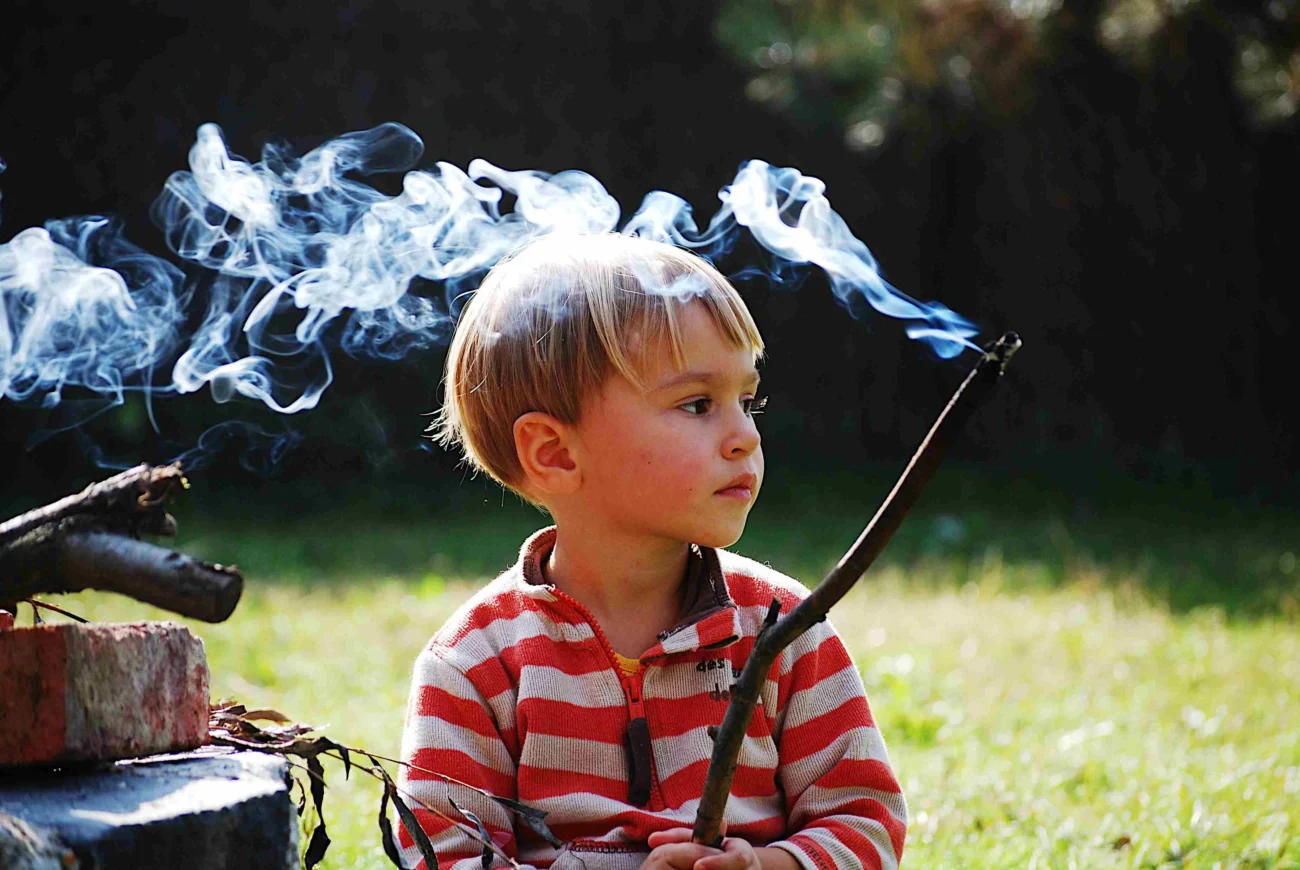
Quick summary: Smoking household paper releases many toxic chemicals such as dioxins, bleaching agents, carbon monoxide, and industrial inks. Unlike specialized rolling paper, burning notebook paper, printer sheets, or thermal receipts can cause irritation in the lungs, as you are directly introducing dangerous plasticizers and endocrine disruptors into them.
As a parent, seeing children doing unusual experiments in a room can make you feel worried. If you recently went in the child room just for cleaning purposes and the smell of smoke took place, however, you don’t find any smoking material yet but find a burning paper, or if you are a pregnant woman and accidentally breathe in an environment where papers are burning, then you are likely looking for immediate, accurate, and non-judgmental health answers.
While there are many sources on the internet that are full of casual advice for adult smokers, the reality of inhaling burning paper changes when applied to growing kids, adolescents, and especially pregnant women.
In this detailed guide we will get the answer to what happens if you smoke paper. Break down the physical, chemical, and medical implications of smoking or inhaling everyday consumer paper, specifically tailored for maternal and pediatric health.
The Immediate Physiological Shock: What Happens Internally?
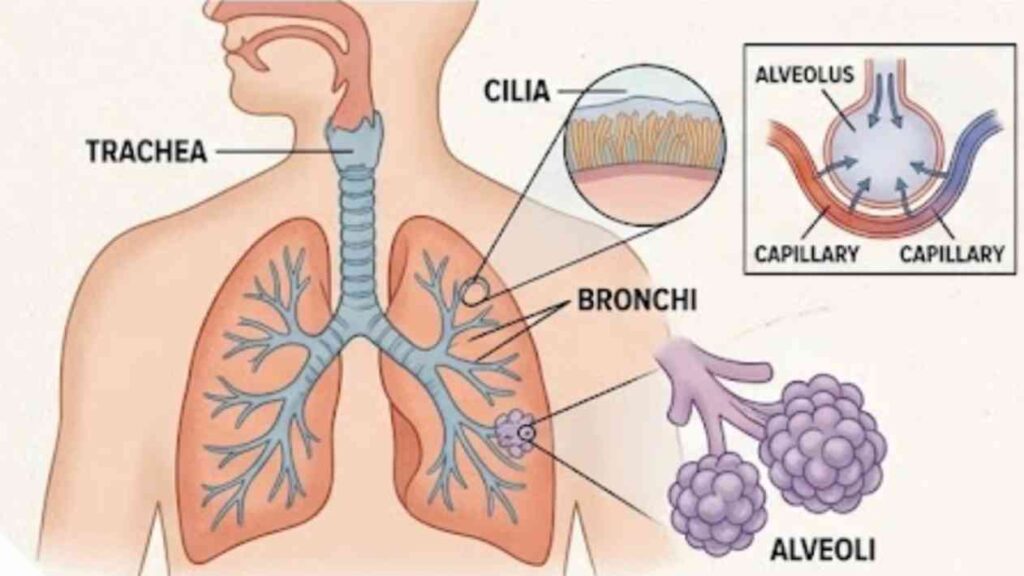
When a person inhales smoke from a paper used in households, like notebook paper, printer paper, or a page from a book, their lungs get immediate trauma because the paper used in cigarettes commercially is made from thin, unbleached flax, rice, or hemp fibers.
The everyday paper is dense and burns at a high temperature, providing extreme smoke quickly. The moment this smoke enters the lungs, it triggers many biological defense mechanisms.
Acute Bronchospasm & Coughing Fits: This smoke is full of heat and dryness, which leads to stripping the protective mucosal lining from the trachea and bronchi. The brain considers it an alarm and introduces a coughing fit meant to expel the irritant.
Rapid Carbon Monoxide Influx: The standard paper burns inefficiently; this is an incomplete combustion process. It makes a massive surge of carbon monoxide (CO) gas. When you inhale that smoke, the CO gas enters hemoglobin in your red blood cells, which is 200 times stronger than oxygen.
At this moment the CO takes the place of all the oxygen in the bloodstream, leading to oxygen deprivation. This results in dizziness, a pounding headache, nausea, and acute lightheadedness in some seconds.
Particulate Infiltration: If you ever burn a paper, you may notice it leaves a heavy, flaky, carbonized ash once it is completely done. Your nose and airways work to catch dust and dirt before they go to the lungs, so when you burn a normal paper, it creates a grey ash. These are too small and can easily bypass nose hairs and “throat brooms.” They travel directly to the lungs, the place where the body absorbs oxygen. These ashes then stick in delicate air sacs; your lungs instantly get irritated, red, and swollen, which is called ‘inflammation.’
The Chemistry of Everyday Paper: Toxins and Industrial Additives
To understand completely why the smoking of household paper is very dangerous, we need to look at modern industrial paper manufacturing. In modern times paper doesn’t just come from wood pulp; it goes through different processes where the manufacturers use a chemical matrix designed to be bright white, smooth, durable, and receptive to industrial inks.
When you burn a paper, these chemicals go into combustion and break into highly toxic, volatile molecular compounds.
Chlorine Bleaching and Dioxins
If you look at paper used in notebooks and school copies, you may notice it’s white. Well, to achieve this white look, the manufacturers bleached the underlying wood pulp aggressively. This process uses elemental chlorine, and chlorine dioxide, the chemical residue, remains. When these bleached papers get burnt, they release an amount of both dioxins and furans. According to the WHO, dioxins are known as human carcinogens. They are extremely toxic for the environment as they settle in fat tissues and take years to get out.
Mineral Fillers and Opacifiers
If you notice the printer paper, it feels so smooth. Well, this is the result of chemical fillers. The making process of these papers includes heavy loads of calcium carbonate, kaolin clay, and titanium dioxide. These minerals make paper settle in a way that ink doesn’t bleed on the other side of it. When you burn printer paper, the filler doesn’t disappear; in fact, it creates a harsh, alkaline, chalky smoke that irritates lung tissues.
Sizing Agents and Optical Brighteners
A paper needs to be moisture-resistant so the liquid ink doesn’t turn the paper into something soggy. However, to achieve this, manufacturers use sizing agents like liquid rosin, alkyl succinic anhydride (ASA), or synthetic polymers. Also, they spray a base of optical brightening agents (OBAs) to make it appear extra white. If you inhale such paper, these aerosolized plasticizers and chemical brighteners go directly into the respiratory system.
Medical Disclaimer: The information provided on this blog, including text, graphics, images, and other material, is for educational and informational purposes only. It is not intended to be a substitute for professional medical advice, diagnosis, or treatment. Always seek the advice of your physician or another qualified healthcare provider with any questions you may have regarding a medical condition or health concerns.
Pregnancy & Prenatal Health: The Hidden Risks of Paper Smoke
If you are a pregnant woman, then any kind of exposure to toxic smoke may lead to severe consequences, as it affects both mother and fetus. Whether you accidentally inhale when a household paper is burning or you do intentional experimentation, inhaling burning paper leads to distinct prenatal hazards.
The Vulnerability of Fetal Oxygenation
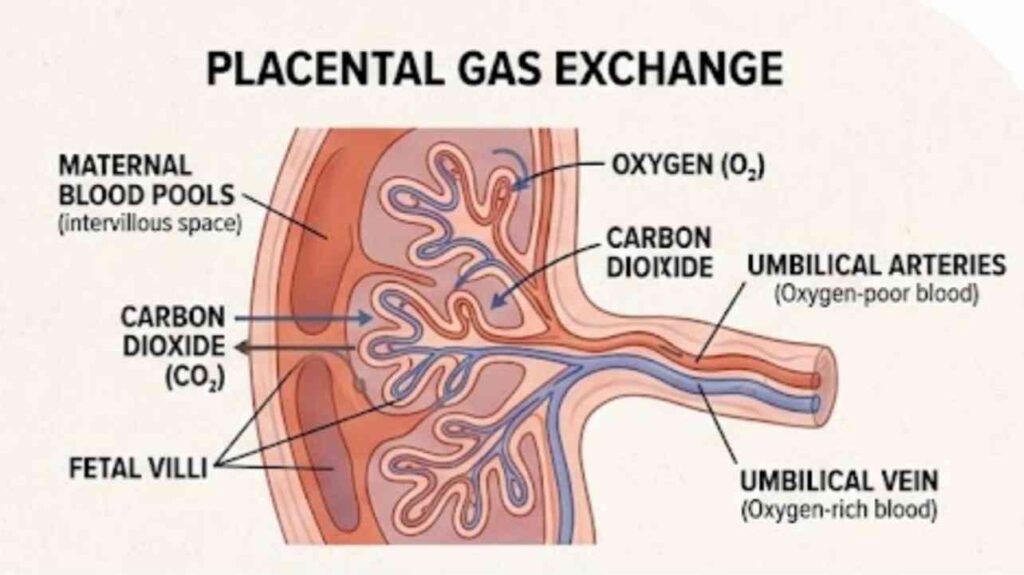
The main danger of paper smoke inhalation during pregnancy is based on carbon monoxide and its impact on the placenta. A fetus is dependent on the oxygen that transfers across the placental barrier. A fetus is more sensitive to carbon monoxide as compared to an adult, so when a mom inhales any CO, it quickly crosses the placenta and leads to the baby’s blood.
This results in fetal hypoxia, a condition where baby tissue is starved for critical oxygen. Even if a small amount of CO goes inside, it leads to fetal distress, alters the fetal heart rate, and temporarily restricts vital developmental processes.
Dioxins and Developmental Neurotoxicity
As we discussed earlier, the bleached paper releases trace dioxins. When you are in the first or second trimester, the fetal organs, nervous system, and brain are in the development stage. Dioxins are notorious endocrine disruptors. When the body of pregnant women is exposed to such a toxin, it easily crosses the protection that is the placental barrier and interferes with the hormones that are responsible for fetal growth; it also leads to the risk of birth weight or subtle developmental delays later in childhood.
Enhanced Maternal Susceptibility
When you are pregnant, the body goes through many changes, like cardiovascular and respiratory ones. The blood volume increases up to 50%, and lung capacity decreases. Because of this, a pregnant woman is more vulnerable to inhaling toxins as compared to a non-pregnant woman. Since the lungs are already working with stress, the smoke makes them more susceptible to the acute inflammation, bronchospasms, and chemical irritation that take place when burning paper fillers.
The Developmental Impact (Pregnancy vs. Childhood)
| Phase | Vulnerable System | The Specific Risk from Paper Smoke |
|---|---|---|
| Pregnancy (Fetus) | Placental Oxygenation | High Risk: Carbon monoxide displaces oxygen in the mother’s blood. Fetal hemoglobin absorbs it rapidly, potentially causing fetal tissue hypoxia and distress. |
| Pregnancy (Trimesters 1 & 2) | Cellular & Brain Development | High Risk: Dioxins released from burning bleached pulp act as endocrine disruptors, crossing the placenta and risking developmental delays. |
| Toddlers & Kids | Narrow Airway Pathways | Critical Risk: Small diameter airways are hyper-reactive; chemical fumes can trigger an immediate, severe asthma-like attack. |
| Adolescents / Teens | Hormonal Systems (Puberty) | Vulnerable to circulating airborne endocrine disruptors during critical endocrine-axis maturation phases. |
Paediatric & Adolescent Health: Impact on Growing Lungs
Remember a child’s lungs are not strong and mature like an adult’s. The lungs continue to grow and develop new alveoli throughout childhood and well into late adolescence. When a child or teenager inhales the smoke from paper like a notebook or printer page, they are taking harsh toxins to lung tissue that is in the forming stage already. The diameter of a young child’s airway is much smaller than an adult one. So when a child inhales these toxins, it leads to airway constriction, mimicking a severe asthma attack when they don’t even have any history of respiratory illness.
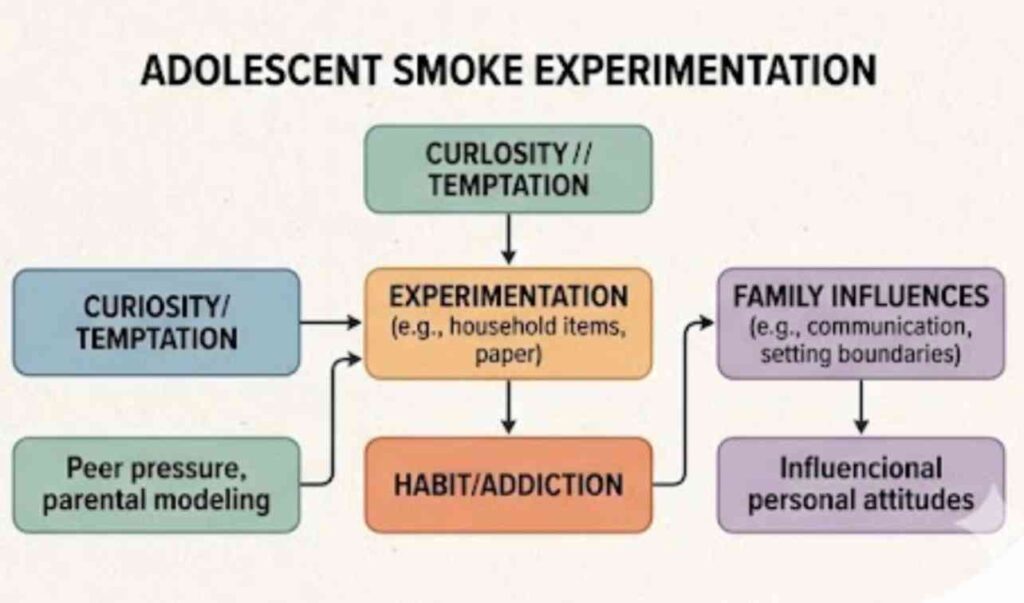
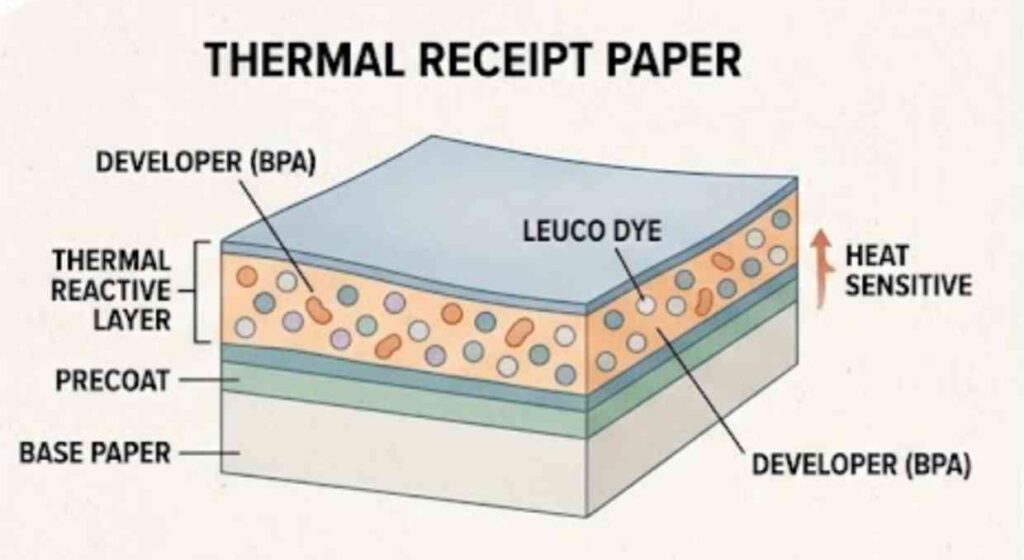
Additionally, there is a health-risky trend taking place among adolescents where they try to smoke with whatever paper is available, even store receipts. This triggers an emergency because all receipt papers are made thermal, which are highly coated in Bisphenol A (BPA) or Bisphenol S (BPS). These chemicals are used to create text via heat with zero ink used.
So when a child uses such paper as a smoking material, they are basically vaporizing and inhaling concentrated BPA. This chemical directly goes into the bloodstream, leads to hormonal shifts like puberty, impacts reproductive development, and deposits toxic heavy metals into the growing systems.
If your child smokes a paper that has printed text, homework lines, or colorful drawings, the danger becomes greater as the modern school papers use inks, printer toners, and colored dyes that contain petroleum distillates, synthetic solvents, and trace heavy metals like copper, cobalt, or titanium.
If that ink paper is burned, it releases a concentrated cloud of volatile organic compounds (VOCs) like benzene and toluene. Inhaling these in childhood can lead to dizziness, severe headaches, confusion, and lethargy.
Toxicological Profile by Household Paper Type
To understand more how a single household paper leads to severe danger for both child and family, here is a medically detailed breakdown of common papers used in houses.
| Paper Category | Materials & Coatings | Combustion Byproducts | Specific Health Threat Level |
|---|---|---|---|
| Lined Notebook Paper | Bleached wood pulp, blue/red ruling dyes, starch sizing agents. | Dioxins, carbon monoxide, vaporized chemical dyes. | HIGH:Aggressive lung irritation, risk of chemical dye inhalation. |
| Printer / Copy Paper | Dense pulp, heavy titanium dioxide, optical brighteners. | Chalky alkaline ash, formaldehyde, and plasticizer fumes. | VERY HIGH:High particulate matter settles deep in a child’s alveoli. |
| Store Receipts (Thermal) | Synthetic chemical layers, heavy concentration of BPA/BPS. | Vaporized bisphenol compounds and plastic polymers. | CRITICAL:Direct endocrine disruption; immediate toxic blood absorption. |
| Magazines / Flyers | Clay coatings, heavy plastic polymers, and intensely colored inks. | Heavy metal vapors, benzene, dense chemical resins. | CRITICAL:High neurological toxicity from burning industrial inks. |
| Brown Paper Bags | Unbleached kraft pulp, high lignin content, and industrial glues. | Thick tar, dense carbon monoxide, and sulfur compounds. | HIGH:Severe asphyxiation hazard due to massive smoke density. |
| Parchment / Wax Paper | Silicone coating (parchment) or paraffin wax coating. | Aerosolized silicone polymers, hot wax vapors. | EXTREME:Can cause chemical pneumonitis (fluid in child’s lungs). |
The Parent’s Action Plan: What to Do If Your Child Inhaled Paper Smoke
If you discover the child or teenager is using such papers to smoke and inhale, then you don’t have to be reactive; instead, do calm communication with them.
Step 1: Immediate First Aid & Physical Assessment
First take your child from that smoky environment into fresh air, then look at them closely for the signs, like if a child is coughing continuously for 15 minutes or has visible shortness of breath.
Flaring nostrils or the skin sucking in around their ribs when they breathe. They face severe dizziness or a sudden, splitting headache. Lastly, after smoking, the lips, tongue, or fingernails turn pale, gray, or blue-tinted.
If your child has any symptom from above, immediately take them to the pediatrician because there is a possibility the child did smoke thermal receipt paper or heavily inked colored paper.
Step 2: Hydration and Respiratory Recovery
If the child is breathing completely fine but you noticed they are having mild throat irritation, give them plenty of water, as it helps in soothing the irritated mucous membranes of the pharynx and clearing out any lingering ash particles from the back of the throat.
Step 3: Address the Situation with Calm Authoritativeness
Once you are done with the medical safety of a child, then address their behavior. Don’t talk with anger, as many teenagers got scared and became more careful next time. Try to teach them calmly that this habit is wrong.
De-escalate and Educate: Explain to them briefly why it’s dangerous and share the side effects the smoked paper has because teens often think paper comes from trees, so they are completely safe and natural; however, they don’t know paper goes through many chemical processes.
Uncover the Root Cause: Ask them why they did it, like, were they pressured by friends, or were they curious how it tasted as compared to tobacco or vape products? Or they are just doing it because they are bored and want to try something. Understanding the main issue will help you to guide them better.
| What You Observe (Symptoms) | What It Means | Immediate Action to Take |
|---|---|---|
| Mild, temporary coughing; clearing the throat; slight vocal hoarseness. | A normal defense mechanism expels surface ash and dryness from the throat. | Move to fresh air immediately. Give cool water to drink. Monitor for 2 hours. |
| Persistent, barking cough; audible wheezing; complaining of chest tightness or a heavy headache. | Significant airway irritation, mild bronchospasm, or early carbon monoxide exposure. | Keep upright, sit in a room with a cool-mist humidifier, and call your pediatrician. |
| Shortness of breath; skin pulling in around ribs (retractions); bluish or pale lips; lethargy. | Severe respiratory distress or acute oxygen deprivation (hypoxia). | Call 911 / emergency services immediately. Do not wait to see if it improves. |
Also Read: What Happens If You Eat Paper? Medical Risks & Side Effects
Summary for Parents
The definitive answer to what happens if you smoke paper is that it allows the industrial toxins, bleaching agents, and heavy particulates to enter easily into the respiratory system. It is a very dangerous mistake with adults, can hurt both mother and child if pregnant, and is very bad for developing lungs in minors. By understanding everything about household paper, you can protect yourself, your family, and your child with clear-headed confidence and keep your home a safe, informed environment.
Frequently Asked Questions (FAQs)
Is notebook paper safe to smoke if it doesn’t have ink on it?
No, even if it is uninked, it doesn’t mean it is safe to use because the paper goes through many processes that include chemicals during manufacturing. Burning such pages can let synthetic polymer vapors and carbon monoxide directly into lung tissues.
Can smoking household paper cause an asthma attack in children?
Yes, it can cause asthma attacks in children because a child’s lungs are much more sensitive as compared to an adult’s. Inhaling the thick, high-temperature smoke and alkaline ash of consumer paper triggers rapid, sudden airway constriction, which leads to asthma in children with no prior history of asthma.
What should I do immediately if I catch my child inhaling paper smoke?
Keep calm; don’t shout. Take them away from that into a clean and open-air environment. Let me drink a full glass of water and notice them closely for hours. If you observe a child is facing barking coughs, audible wheezing, rapid breathing, or a pale/blue tinting around their lips, call emergency services immediately.
If a child smokes paper with colored ink on it, what are the toxic risks?
A paper with ink can release a concentrated cloud of volatile organic compounds (VOCs) such as benzene, toluene, and trace heavy metals when burnt. When you inhale ink on paper, it causes dizziness, blinding headaches, nausea, and disorientation.
Does burning parchment or wax paper make it safer?
No, they are worse because parchment paper is coated with slick silicone polymers that prevent stickiness, whereas the wax paper is full of paraffin wax. Burning any of these can lead to chemical pneumonitis, a dangerous condition where fluid builds up inside the child’s lungs.
Can the human body naturally clear out household paper ash?
While our airways have microscopic sweeping cells called ‘cilia’ made to clear out small dust particles, the heavy, carbonized, flaky ash of thick paper can overwhelm them.
What are the long-term health risks if a teenager repeatedly smokes paper?
If a teenager is doing it continuously, it can cause permanent respiratory damage. Later in life, because of the chemicals and toxins like formaldehyde, dioxins, and benzene inhaled, it leads to throat, mouth, and lung cancers alongside chronic respiratory illnesses like bronchitis or early-onset COPD.
High-Authority Academic References
Culnan, D. M., Craft-Coffman, B., Bitz, G. H., Capek, K. D., Tu, Y., Lineaweaver, W. C., & Kuhlmann-Capek, M. J. (2018). Carbon Monoxide and Cyanide Poisoning in the Burned Pregnant Patient. Annals of Plastic Surgery, 80(2), S106-S112. https://doi.org/10.1097/sap.0000000000001351
Cited by: 53
Erkekoğlu, P., Yirün, A., & Balci Özyurt, A. (2022). Toxic Effects of Bisphenols: A Special Focus on Bisphenol A and Its Regulations. Bisphenols. https://doi.org/10.5772/intechopen.102714
Cited by: 7
Manzoor, M. F., Tariq, T., Fatima, B., Sahar, A., Tariq, F., Munir, S., Khan, S., Nawaz Ranjha, M. M. A., Sameen, A., Zeng, X.-A., & Ibrahim, S. A. (2022). An insight into bisphenol A, food exposure and its adverse effects on health: A review. Frontiers in Nutrition, 9. https://doi.org/10.3389/fnut.2022.1047827
Cited by: 284
Odegard, T. S., & Mullins, M. E. (2023). Perinatal carbon monoxide poisoning with fetal and maternal carboxyhemoglobin measurements. Clinical and Experimental Emergency Medicine, 10(4), 453-455. https://doi.org/10.15441/ceem.23.097
Cited by: 3
Souza, M. (n.d.). Dioxins and the One Health Paradigm: An Interdisciplinary Challenge in Environmental Toxicology. MDPI.
Cited by: 6
Tuoni, C., Nuzzi, G., Scaramuzzo, R. T., Fiori, S., & Filippi, L. (2023). Neonatal hypoxic-ischemic encephalopathy after acute carbon monoxide intoxication during pregnancy. A case report and brief review of the literature. Frontiers in Pediatrics, 11. https://doi.org/10.3389/fped.2023.1264855
Cited by: 7
Yake, B. (n.d.). Washington State Dioxin Source Assessment. Washington State Department of Ecology.
Cited by: 6
