
Quick answer: Yes, you can eat eggs Benedict while pregnant, only if the eggs are completely cooked, not runny; the main hollandaise sauce is made with pasteurized eggs; and the ham is steaming hot. However, the traditional eggs Benedict is unsafe in pregnancy because it is made from raw or undercooked ingredients that carry a high risk of Salmonella and Listeria food poisoning.
| Culinary Element | Primary Pathogen | Sterilization Threshold |
|---|---|---|
| Poached Egg Yolk | Salmonella enterica | 160°F (71°C) core temp |
| Scratch Hollandaise | Salmonella enterica | Requires liquid pasteurization |
| Canadian Bacon / Ham | Listeria monocytogenes | 165°F (74°C) flash-sear |
The Biological Profile of the Foodborne Hazards
In order to understand why Eggs Benedict is flagged by obstetricians, especially in pregnancy, we have to look at the basic dietary ingredients and how this dish is made. Traditionally, eggs Benedict is made at a low temperature to achieve its signature velvety textures; however, this low temperature falls into the category where bacteria do exist and double.
1. The Salmonella enterica Conundrum (The Yolk)
Unlike common foodborne pathogens that rely on external fecal contamination of eggshells, the Salmonella bacteria utilize a highly specialized vertical transmission pathway.
Ovarian Colonization: This bacteria targets and colonizes the tissues of the hen’s reproductive tract, especially the parts like ovaries and the upper oviduct.
Pre-Shell Encapsulation: Once the egg yolks develop and move from the oviduct, the salmonella goes directly in the yolk or around the shell surrounding it.
Asymptomatic Carriers: The infected hens can easily give eggs; however, you can’t visually identify infected eggs.
While the symptoms of salmonella food poisoning include severe dehydration, cramping, vomiting, and diarrhea, this bacteria can’t cross the protection barrier that is the placenta, so it is unable to affect the fetus directly. The only danger of this bacteria in pregnancy is that it leads to dehydration and systemic stress, which trigger premature labor in extreme cases.
| Pathogenic Sequence | Clinical Manifestation | Impact on Pregnancy |
|---|---|---|
| 1. Enterotoxin Release | Acute gastroenteritis, severe secretory diarrhea, and protracted vomiting. | Rapid depletion of maternal intravascular volume. |
| 2. Systemic Dehydration | Maternal hypovolemia (severely low blood volume) and subsequent hypotension. | Hypoperfusion of the placenta, choking off oxygen and nutrient delivery via the uterine artery. |
| 3. Proinflammatory Cascade | Systemic maternal stress response releases prostaglandins (PGE₂ and PGF₂α). | Triggers premature uterine smooth muscle contractions, increasing preterm labor or miscarriage risks. |
2. The Listeria monocytogenes Factor (The Cured Meat)
Listeria monocytogenes is a threat during pregnancy, as it has the ability to cross the protection barrier called the placenta. Salmonella needs warm temperatures to multiply and exist, while Listeria doesn’t; even Listeria can multiply in a refrigerator at 34°F to 40°F (1°C to 4°C).
It usually develops on stainless steel, plastic surfaces, and things that are managed in an unhygienic way.
Listeria is also found on cured meat such as Canadian bacon, prosciutto, or cured ham used in brunch dishes. All these items need to be heated at a high temperature; only that way can listeria get killed.
In crowded places like commercial kitchens, pre-cooked cured meats aren’t heated properly; they just grill them from both sides. This way, listeria won’t kill.
| Clinical Vector | Biological Mechanism | Pathological Outcome |
|---|---|---|
| Maternal Susceptibility | Pregnancy naturally suppresses cell-mediated immunity (specifically T-cell activity) to prevent the maternal body from immunologically rejecting the semi-allogeneic fetus. | The mother’s primary defense against intracellular pathogens is compromised, rendering her up to 20 times more susceptible to listeriosis than the general population. |
| Placental Invasion | Listeria utilizes specialized surface proteins (InlA and InlB) to bind to E-cadherin receptors on host cells, forcing its own endocytosis. | The pathogen successfully breaches the placental barrier, directly infecting the villous stroma and entering fetal circulation. |
Critical Risk: Once listeria goes into the fetal compartment, it causes localized amnionitis. Since the fetus is immune and not mature enough, the direct transplacental infection carries an exceptionally high mortality rate and leads to spontaneous abortion, stillbirth, or severe neonatal septicemia.
Layer-by-Layer Breakdown and Safety Modifications
Evaluating the safety of Eggs Benedict requires looking at each ingredient as an independent value. By modifying the ingredients, we can make this completely safe in pregnancy.
1. The Poached Egg
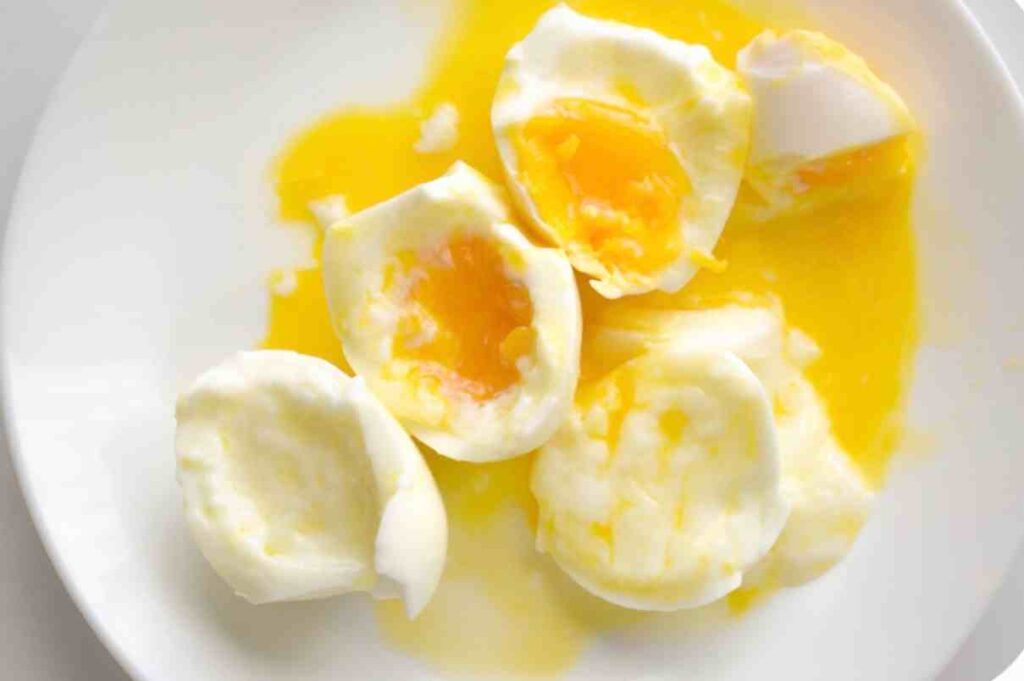
The traditional poaching method involves a raw egg dropping into simmering water until the white is completely cooked while the yolk remains liquid.
| Egg Sourcing / Preparation Type | Safety Status | Action Required / Biological Context |
|---|---|---|
| Standard Unpasteurized Eggs (Runny) | Unsafe | Liquid yolks fail to reach the internal temperature of 160°F (71°C) required to denature and kill Salmonella bacteria. |
| Standard Unpasteurized Eggs (Hard-Cooked) | Safe | The egg must be poached or cooked until both the white and the yolk are completely solid and chalky. |
| USDA Approved Pasteurized In-Shell Eggs | Safe | These eggs undergo a warm-water bath process that heats the egg precisely enough to destroy pathogens without cooking the egg. The yolk can legally be eaten runny. |
| UK British Lion Stamped Eggs | Safe | Under UK Food Standards Agency guidelines, hen eggs bearing the Red Lion stamp are safe to eat raw or runny during pregnancy due to strict flock vaccination protocols. |
2. The Hollandaise Sauce
Hollandaise is a combination of warm liquid butter and raw egg yolks stabilized by lemon juice or vinegar. Since it is very sensitive to heat, the traditional methods avoid cooking the egg yolks used in it.
The Restaurant Dilemma: Many restaurants make hollandaise fresh by using raw, unpasteurized egg yolks at temperatures that aren’t enough to kill any bacteria.
The Commercially Processed Exception: The hollandaise sauce jars found at grocery stores are made completely safe, as they are based on pasteurized liquid eggs and undergo heat processing to guarantee long-term stability.
3. The Meat Component (Ham or Canadian Bacon)
While the deli meats, cold cuts, and traditional back bacon are completely safe when they are cooked, due to improper handling during packaging, listeria contamination takes place easily. Some people believe that simply slicing the ham and grilling it on a flat surface for a few seconds will make it safe to eat; however, this method does not eliminate listeria, so it remains unsafe.
To ensure that ham or Canadian bacon is safe to consume during pregnancy, it is essential to cook it until it is steaming hot, reaching an internal temperature of 165°F (74°C). Once you see the meat is steaming, it means listeria is killed and the meat is safe to consume.
Also Read: Can You Eat Halloumi When you are pregnant? Safety & Benefits Explained
Navigating the Menu: Classic Benedict Alternatives
Brunch menus feature several geographic and ingredient-based spin-offs of the classic dish. Each variation alters the safety calculation.
Eggs Royale (Smoked Salmon)
This variation is a perfect swap of Canadian bacon for cold-smoked salmon. Since the cold-smoked salmon is cured and smoked at low temperatures, the meat is flavorful, but the risk of listeria won’t go away. This makes it highly risky during pregnancy; however, it can be safe when the salmon is heated at a high temperature. On the other hand, eggs royale need to be avoided completely during the entire pregnancy.
Eggs Florentine (Spinach)
Eggs Florentine replaces the meat layer with a full layer of sautéed spinach. If we look at it from a nutritional perspective, then it’s an exceptional upgrade in pregnancy; the spinach is naturally rich in non-heme iron and folate (Vitamin B9), which are important for blood volume and help in preventing neural tube defects, especially in the early development of the fetus. However, before adding spinach, make sure it’s completely washed so the pathogens, like Toxoplasma gondii, are removed.
Eggs Blackstone (Bacon and Tomato)
This version is fully based on crispy strip bacon with freshly sliced tomatoes. Bacon is generally safe as compared to ham because it is fried at high temperatures, which completely kills the bacteria like listeria. However, before slicing the tomato, it is important to wash it properly to stay safe from cross-contamination.
The Geography of Food Safety: US vs. UK Regulations
In the USA, the production of commercial eggs completely depends on a washing process that removes the protecting outer coating of eggs that is called the cuticle. Because of this, it’s recommended to place them in a refrigerator to keep them safe from external bacterial penetration. According to the FDA, all pregnant women should avoid consuming raw or undercooked eggs unless those eggs have been pasteurized.
On the other hand, the UK food system depends on the British Lion Quality scheme. Chickens in this scheme are purely vaccinated against Salmonella enteritidis; they don’t wash eggs, so the protection layer remains the same.
According to the Food Standards Agency’s (FSA) updated policy, a pregnant woman can safely eat raw and soft-boiled eggs only if they have the red Lion stamp.
Also Read: Can You Have Bearnaise Sauce When Pregnant? The 2026 Safety Guide
How to order at a restaurant easily and safely?
When dining out in a restaurant, especially for breakfast, you may be worried about what is happening in the kitchen and whether the meal is safe for you or not, but don’t worry; you can easily talk to the waiter by using just a simple script: “I want to order eggs Benedict, but also I’m pregnant, so I need something that is completely safe and follows food guidelines.”
Make sure to cook poached eggs; I’m fine with the hard texture. Please make sure the ham is completely grilled till it’s extremely hot. If the hollandaise sauce is made from raw eggs, then don’t add it to my dish; instead, give me slices of avocado with extra virgin olive oil & lemon squeeze or pasteurized sour cream or Greek yogurt as a replacement. The avocado provides the same creamy texture as sauce; virgin oil or lemon provides a bright, clean fat profile that mimics the acidity and richness of traditional hollandaise, and pasteurized Greek yogurt also works as the best alternative to sauce.
| Sauce / Topping | Core Ingredients | Pregnancy Status | Why? / Safe Alternative |
|---|---|---|---|
| Traditional Hollandaise | Raw egg yolks, warm butter | UNSAFE | Emulsified below food-safe pasteurization temperatures, allowing potential pathogen survival. |
| Bearnaise Sauce | Raw egg yolks, tarragon reduction | UNSAFE | Utilizes the same low-temperature raw egg emulsification method as classic hollandaise. |
| Mayonnaise (Commercial) | Pasteurized eggs, oil, acid | SAFE | Major shelf-stable brands (Hellmann’s, Duke’s, Kraft) utilize strictly heat-pasteurized eggs. |
| Homemade Mayonnaise | Raw egg yolks, oil | UNSAFE | Avoid scratch-made variations at boutique “farm-to-table” spots unless verified pasteurized. |
| Aioli (Restaurant-made) | Raw egg yolks, garlic, oil | UNSAFE | Frequently made from scratch using raw eggs. Request commercial garlic aioli alternatives instead. |
| Mornay / Cheese Sauce | Milk, flour, melted cheese | SAFE | Fully boiled and cooked through during preparation; safe if crafted with pasteurized dairy products. |
Recipe: The 100% Pregnancy-Safe Homemade Benedict
If you are still not ok with ordering or eating eggs Benedict at a restaurant and still want to satisfy your craving, then don’t worry; you can make one at home. The main advantage here is you have control over ingredient selection, sourcing, and cooking temperatures.
This recipe is based on culinary substitutions to provide you the same flavor profile of a classic Benedict without compromising on safety.
Ingredients
- 1 Whole-grain English Muffin (split and toasted)
- 2 slices of high-quality Canadian bacon or back bacon
- 2 Large Eggs (labeled pasteurized)
- 1 Tablespoon White Vinegar
The Modified Safe-Emulsion Hollandaise Base
- 3 tablespoons of commercial mayonnaise, as it is made from pasteurized eggs.
- 1 Tablespoon Unsalted Butter
- 1 Teaspoon fresh Lemon Juice
- 1 Pinch of Cayenne Pepper & Fine Sea Salt
Method
First make the Hollandaise alternative in just 5 minutes.
Take a small ceramic bowl, then whisk all ingredients, like commercial pasteurized mayonnaise, fresh lemon juice, cayenne pepper, and a pinch of salt. Add hot melted butter and whisk vigorously. The heat from butter will thin the mayonnaise, which makes flavors better and matches the traditional hollandaise without using raw egg yolks. Lastly, cover and set aside.
The second step is to sterilize and sear the meat; it just takes 4 minutes. Place a dry skillet at medium to high heat, then add slices of Canadian bacon and sear each side for 2 minutes until a crispy texture occurs. You can use a digital meat thermometer to check if the temperature is 165°F (74°C); make sure it’s extremely hot. Remove from heat and place directly onto your toasted English muffin halves.
The third step is to poach the eggs to coagulation, which takes just 5 minutes. Take a saucepan, fill it with water, and add a tablespoon of white vinegar to a temperature of 180°F to 190°F. Don’t let it boil. Now crack the eggs in a single ramekin, put the shimmering water gently to make a vortex, and slip the eggs in the center.
Now cook it for 5 minutes; this time helps you ensure the yolks are fully set and the white part is tender.
Now it’s the time for the fourth step, which includes assembling and serving immediately; this just takes 2 minutes. Take out the eggs from the water and place them on a paper towel to remove excess moisture. Now put one each on each ham, layered over half a muffin. Spoon the sauce you created over the top. Lastly, garnish with chopped fresh chives if you want and serve hot.
Also Read: Can You Eat Mayo While Pregnant? Brands, Restaurants & Risks
| Nutrient | Biological Function | Pregnancy Benefits |
|---|---|---|
| Choline | Neural Tube & Brain | Neurological Framework: Critical for neural tube development and structural brain architecture. |
| Vitamin B12 | Neurological & Blood | Hematopoiesis: Supports ongoing neurological development and healthy red blood cell (RBC) production. |
| Vitamin D & Iron | Bone & Blood Health | Skeletal & Vascular Support: Aids fetal bone development and mineral pathways while actively preventing maternal anemia. |
1. Choline (The Brain Builder)
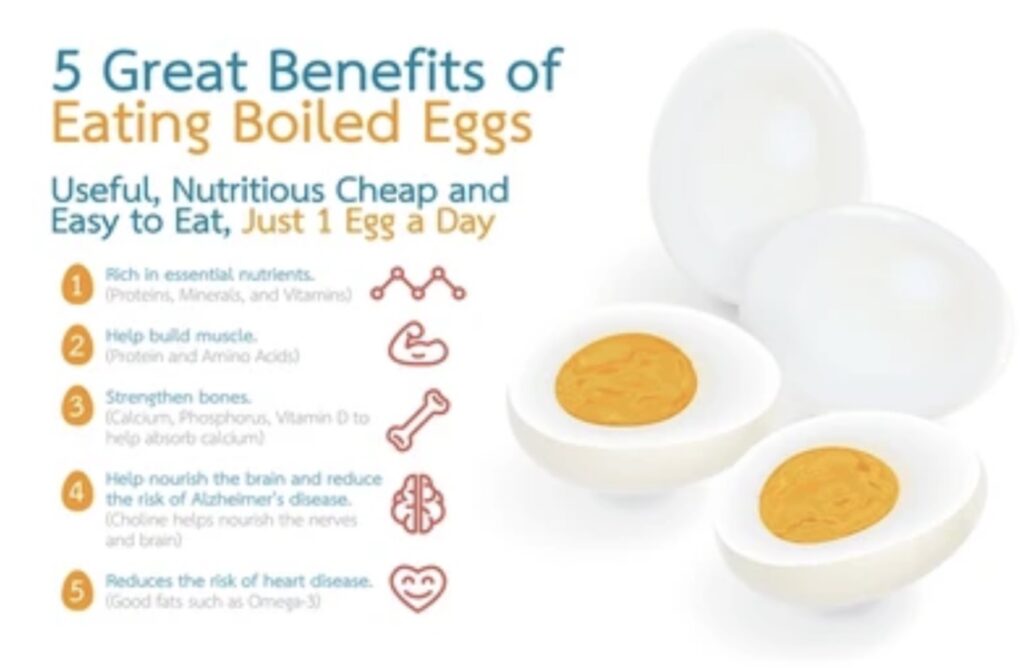
One of the main reasons you need to eat eggs in pregnancy is their choline content; the egg yolks contain 147 milligrams of choline. The need for choline in a pregnant body is 450 mg per day. Choline plays a very important role in fetal brain development and helps prevent neural tube defects. It also supports the structure and function of the brain and spinal cord.
2. High-Quality Protein (The Structural Block)
Eggs are a complete source of protein, as they have all nine amino acids that a body can’t make on its own. One large egg contains 6 grams of protein. In pregnancy a body needs more protein as compared to a normal one, as it has to support the rapid growth of fetal tissue, the uterus, and increased maternal blood volume.
3. Iron & Vitamin B12 (The Blood Builders)
Eggs also include iron and vitamin B12, usually found in the yolk. In pregnancy the maternal blood volume expands by nearly 50%, so the need for red blood cells increases. Consuming food items that contain iron and B12 helps in preventing maternal anemia, which can be a main cause of fatigue, low birth weight, and premature delivery in pregnancy.
4. Vitamin D & Calcium (The Bone Duo)
Eggs come in a few food sources that have vitamin D, which is found in the yolk. Vitamin D plays an important role in absorbing calcium. If these nutrients combine, they help in building the baby’s skeletal structure, teeth, and heart health while keeping the mother’s bones healthy.
5. Folate (Vitamin B9)
While prenatal vitamins are the primary source of folate, eggs provide a natural dietary boost. Folate plays an important role in the early stage of pregnancy, as it helps in spinal development. When choline and folate work together, it leads to reducing the risk of congenital abnormalities.
Crucial Pregnancy Safety Guidelines
To get the full benefits of eggs in pregnancy, you need to keep some safety practices in mind:
Cook Thoroughly: During pregnancy completely avoid raw or uncooked eggs, including runny yolks; homemade mayonnaise; raw cookie dough; or traditional Caesar dressings. Make sure the yolk and white are properly cooked so the risk of bacteria is over.
Safe Storage: Make sure to keep eggs in the refrigerator at or below 40°F (4°C). Always eat hard-boiled eggs within one week of cooking.
Eat the Whole Egg: Never skip the egg’s yolk because the white part includes the protein, but the yolk includes all essential vitamins, healthy fats, choline, and iron.
Interactive Pregnancy Eggs Benedict Safety Screening Tool
Evaluating choices…
Help! I Accidentally Ate Traditional Eggs Benedict While Pregnant. What Should I Do?
Many women search on the internet if they accidentally ate a runny egg or cold ham during pregnancy. I did the same when I was facing this situation; I was too panicked as it was my first pregnancy.
First of all, don’t panic. I know as a pregnant woman you may panic suddenly after eating an undercooked egg or unheated ham at brunch; not everyone gets Salmonella; it happens in 20,000, and commercial kitchens face strict health inspections. You take some steps as follows:
Watch the 48-Hour Window for Salmonella: The common symptoms of salmonella appear in 6 to 48 hours, like acute vomiting, diarrhea, and stomach cramps, so if you pass this time limit and don’t face any symptoms, it means you are clear.
Understand the Listeria Incubation Period: Unlike other bacteria, Listeria is unpredictable, meaning you can face its symptoms, like fever, muscle aches, and fatigue, even after 4 weeks, so if you experience such symptoms, it is best to go to the doctor.
They will run a simple blood and stool test and even prescribe pregnancy antibiotics if needed.
Medical Disclaimer: The information in this article is for educational purposes only and does not substitute for professional medical advice. Always consult your OB-GYN or midwife before making dietary changes during pregnancy.
Frequently Asked Questions (FAQ): Can you eat eggs benedict while pregnant?
Can I eat soft-boiled eggs while pregnant if they are organic or free-range?
No organic, soft-boiled, or free-range label can protect the egg against Salmonella because this bacteria infects the hen and leads to eggs. Even if you eat healthy hen eggs with runny yolks, this bacteria will still be there.
Is the hollandaise sauce safe if it’s served hot?
Not necessary; also, the hollandaise sauce is served warm, not hot. If you heat it above 145°F (63°C), the egg proteins will scramble, and the sauce will split. Therefore, making a sauce boil isn’t a good option.
Can I have eggs Benedict if I skip the meat entirely?
Yes, but the eggs and sauce need to be modified, meaning remove the Canadian bacon so the risk of bacteria like listeria is eliminated; however, you can still be exposed to Salmonella through the runny yolk and raw-egg hollandaise. To stay safe from the bacteria, go for hard-cooked eggs and skip hollandaise.
Can I eat at a restaurant? Eggs Benedict if I ask for it “hard-poached”?
Yes, only if you avoid the sauce. Ask the waiter to make the egg hard-poached, where the egg yolk is completely solid.
Are duck or quail eggs safer to eat runny during pregnancy?
Some people do think these eggs are safe; however, the reality is the opposite—they are even more dangerous. Duck and quail eggs aren’t vaccinated against salmonella, and they don’t go through commercial pasteurization like hen eggs. The duck eggshells are highly vulnerable to bacteria.
Can I eat the English muffin base if it was touching a runny egg?
In this situation it is best to avoid it because the poached egg is running and there is a chance it contains Salmonella; the bread and the soaked egg also contain bacteria. If your Benedict arrives runny by mistake, send the entire plate back to the kitchen for a fresh one.
Is hollandaise made from “powdered mixes” safe for pregnant women?
You may be shocked to hear it, but yes, it is completely safe; however, the restaurant uses this technique rarely. Some casual diners, hotels, and chains use a dry, shelf-stable powdered hollandaise mix instead of using raw fresh eggs. These mixes are completely safe, as they are made from pasteurized egg solids and are boiled with water, milk, or butter during prep.
Why does the UK allow runny eggs during pregnancy but the US forbids it?
Well, it completely depends on how each country manages the approach to managing chickens. The approach to managing chickens varies by country. In the UK, all hens are vaccinated against salmonella, making their eggs safe to consume even when runny or raw. In contrast, the US does not vaccinate hens; instead, they wash the eggshells after harvesting. While this technique may help reduce bacterial contamination on the shells, it does not protect the egg yolk. the egg yolk.
Can I safely eat a “Vegetarian Benedict” with avocado or tomato?
Yes, only if you change the way eggs and sauce are cooked. Replace Canadian bacon with spinach, avocado, or tomato. Make sure they are completely washed; this will remove the risk of bacteria. To make a vegetarian Benedict safe, you must still ask for solid yolks and a pasteurized sauce alternative.
How soon after giving birth can I eat a traditional egg Benedict?
Well, you can order it right after going home because the dish is harmful during pregnancy, not after. Once your baby is born, the risk of transplacental infection drops to zero, and your immune system gets back to normal.
References and Authority Source
Food Authority & Government Guidelines
- U.S. Food and Drug Administration (FDA)
- UK National Health Service (NHS)
- UK Food Standards Agency (FSA)
Peer-Reviewed Scientific Papers
- The BMJ (British Medical Journal)
Gulland, A. (2017). Sixty seconds on . . . runny eggs. BMJ, 359, j4783.- Link: The BMJ Article
- Cited by: 1
- World’s Poultry Science Journal
Threlfall, E. J., Wain, J., Peters, T., Lane, C., De Pinna, E., Little, C. L., Wales, A. D., & Davies, R. H. (2014). Egg-borne infections of humans with salmonella: not only an S. enteritidis problem. World’s Poultry Science Journal, 70(1), 15–26.- Link: World’s Poultry Science Journal Paper
- Cited by: 67
- Microorganisms (MDPI)
Kraus, V., Čižmárová, B., & Birková, A. (2024). Listeria in pregnancy—the forgotten culprit. Microorganisms, 12(10), 2102.- Link: PMC Academic Article
- Cited by: 27
- Frontiers in Microbiology
Pande, V. V., Devon, L. L., Sharma, P., McWhorter, A. R., & Chousalkar, K. K. (2016). Study of Salmonella Typhimurium infection in laying hens. Frontiers in Microbiology, 7, 203.- Link: Frontiers in Microbiology Paper
- Cited by: 87
