
Quick Summary: If you put too much Epsom salt in bath water, it reverses hydration via osmosis, leading to drawing moisture from your cells directly. This causes severe skin dryness, tightness, itching, and a blotchy red rash. Additionally, prolonged soaking also leads to dehydration, resulting in headaches and dizziness.
When you put too much Epsom salt in bath water, the highly concentrated mineral solution reverses the hydration process via osmosis, which leads to drawing moisture from the skin cells, resulting in severe skin dryness, uncomfortable tightness, intense itching, and a blotchy red rash (contact dermatitis).
In the worst case, when you sit in this water for hours, the mixture of intense heat and excessive magnesium sulfate can cause severe dehydration, leading to headaches, sudden lightheadedness, and orthostatic dizziness when you finally try to stand up. However, magnesium poisoning won’t happen by just taking a bath, but it is bad for the skin.
If you accidentally swallow that water, the unabsorbed magnesium will act as an intense oral laxative, causing sudden nausea, abdominal cramps, and severe diarrhea.
The Core Science: Why Concentration Matters
To understand more about what happens if you put too much Epsom salt in a bath, you must look at the chemistry of bathwater. Here I also want to clarify that the Epsom salt used in baths isn’t the same salt used in cooking. Epsom is a mineral compound that is based on three elements, like magnesium, sulfur, and oxygen, scientifically known as magnesium sulfate.
When Epsom salt (magnesium sulfate) dissolves in warm bath water, it divides into magnesium and sulfate. These elements interact gently with outer skin known as the stratum corneum. However, when you put too much Epsom salt into the bathtub, you change the physics of the water, which turns a good remedy into a highly reactive, hypertonic environment.
The Mechanism of Reverse Osmosis
Our skin cells are filled with a fluid that is made of water and can stay balanced at a low concentration of natural salts and minerals. When you add the recommended 1 to 2 cups of Epsom salt into a 40-gallon bathtub, the water becomes mildly hypertonic. The balanced minerals in the water create a comfortable equilibrium that helps in muscle relaxation through heat and sensory deprivation. It doesn’t damage the skin.
| Soaking Time | Intended Biological Effect | Risk of Prolonged Exposure (Over-Salting) |
|---|---|---|
| 0 – 15 Minutes | Initial vasodilation; mild muscle relaxation via warm temperature. | Zero risk at standard dose; safe boundary stage. |
| 15 – 20 Minutes | The Optimal Sweet Spot. Maximum therapeutic tension relief. | Minor epidermal moisture extraction begins if over 4 cups are used. |
| 20 – 30 Minutes | Diminishing returns; skin wrinkling (maceration) begins. | Reverse osmosis rapidly pulls water from cells; triggers severe skin tightening. |
| 30+ Minutes | No additional muscle benefits; cellular hydration depletion. | High risk of contact dermatitis, severe lightheadedness, and systemic dehydration. |
What Quantifies as Too Much Epsom Salt?
To maintain a safe and wellness routine, you need to understand the exact amount of salt you can put in a bathtub. People used to use 40 gallons of water in the bathtub, which makes the tub safe, as it is a lot of soaking depth.
1. The Therapeutic Zone (1 to 2 Cups)
This measurement is perfect and medically verified for an adult. It provides a normal amount of magnesium sulfate to alter water density that keeps the osmotic pressure low and keeps your skin completely safe and healthy.
2. The Sensitivity Zone (3 Cups)
This amount is quite a bit more as compared to the normal amount, so if you add it and you have thick skin, like a high tolerance, you may notice very small effects; however, if your skin is extremely dry and fair and you easily get allergies, then this amount of salt will trigger mild itching, tingling, and immediate post-bath ashiness.
3. The Danger Zone (4 Cups or More)
If you put four or more cups of Epsom salt into a standard tub, this can be very dangerous because at this level, water will be unable to maintain a healthy equilibrium with your body. The water became saturated, and the crystals won’t dissolve. This high salt and water combination can extremely damage human skin cells and tissue.
To understand more how much salt and water you need to make a perfect place for a bath, here is a chart below:
| Bathtub Type | Average Water Volume | Safe Therapeutic Dose | Over-Concentration Threshold |
|---|---|---|---|
| Standard Alcove Tub | 35 – 40 Gallons | 1 to 2 Cups | 3.5 Cups or More |
| Deep Soaking / Garden Tub | 50 – 60 Gallons | 2 to 3 Cups | 4.5 Cups or More |
| Freestanding Clawfoot Tub | 60 – 70 Gallons | 2.5 to 3.5 Cups | 5 Cups or More |
| Standard Foot Bath Basin | 2 – 3 Gallons | 1 to 2 Tablespoons | 4 Tablespoons or More |
Comprehensive Breakdown of Side Effects
If you sit in a bathtub that has a high amount of salt or it becomes oversaturated, then your body may face some reactions. Here is an in-depth analysis of exactly what happens to your body.
Disrupting the Acid Mantle and Skin pH
Healthy human skin has an acidic pH of 4.7 to 5.75. This pH works as a primary shield in skin against any kind of bacteria invasion, environmental pollutants, and moisture loss. It is composed of three elements that are sebum, sweat, and lactic acid.
The magnesium sulfate found in salt is chemically neutral to slightly alkaline, depending on the local water source. When you create an Epsom bath, the skin gets flooded with a high amount of alkaline earth metal ions. This leads to neutralizing the skin’s natural acidity.
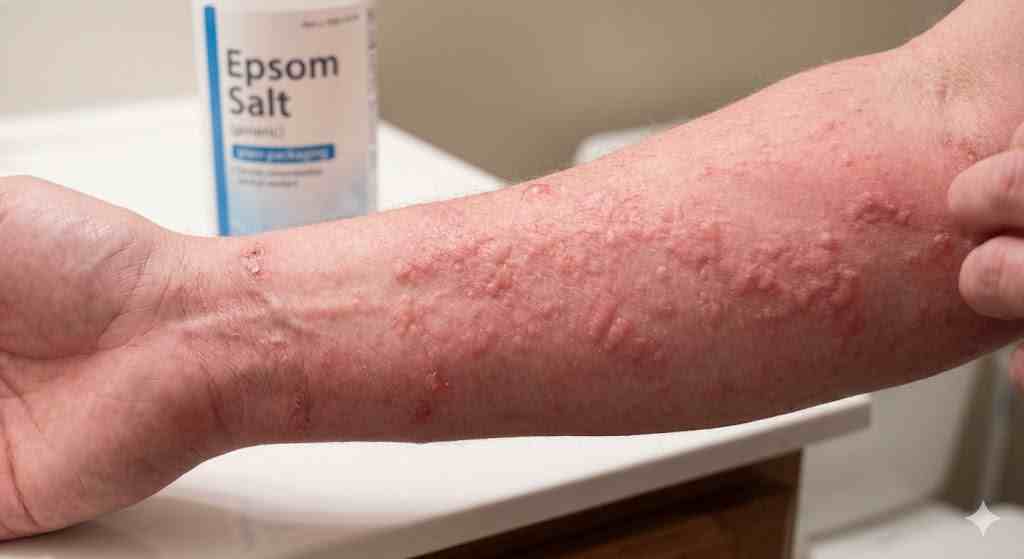
Once the acid mantle is disrupted, the skin cells start loosening. It also causes a problem called contact dermatitis, which includes patchy red welts, an intense burning sensation, and a raised heat rash; it heals in a very long time.
Extreme Transdermal Dehydration
As we discussed earlier, reverse osmosis takes place, so when you come out from the bathtub, you will feel tightness in your chest, back, and limbs because the water is quite salty.
The skin appears colored ash and leathery. If this issue is left untreated, it may lead to fissures, tiny, microscopic cracks in the skin surface. These cracks give you an itchiness when you wear tight clothes and do joint exercises.
Chemical Burning on Compromised Skin
Many people don’t know our bodies are covered in microscopic open wounds. These include when you shave your legs, face, and body; it causes microabrasions in 24 hours. Minor scratches appear from pets like dogs and cats or sometimes from wearing tight clothes. Freshly popped or open acne lesions, insect bites, or picked cuticles.
When you go with such conditions in a magnesium sulfate-based bath solution, the highly concentrated ions bypass the protective outer layer of skin and make direct contact with dermal tissue and nerve endings. This made the condition worse and took several days to heal the skin.
Cardiovascular Strain and Orthostatic Hypotension
When the body soaks in a hot bath, it goes into a state called “vasodilation.” The high temperature of water helps in relaxing muscles; this also drops the blood pressure while the heart beats faster to maintain adequate blood flow to your vital organs.
Additionally, when you put too much Epsom salt in hot water, this introduces systemic dehydration in the process.
When you sit in a tube, the fluid through both active sweating and reverse osmosis makes blood volume decrease. If you stay in a tub for 15 minutes constantly, the body struggles to regulate its blood pressure. When you stand up, gravity pulls blood away from the brain to the lower extremities.
The reason is blood volume is depleted and vessels are widely dilated; the body is unable to constrict the blood vessels fast enough to cover up. This creates orthostatic hypotension, which leads to dizziness, blurred vision, a throbbing headache, or complete fainting (syncope), and sometimes a person falls in the tub and sustains face injuries.
Gastrointestinal Distress via Accidental Ingestion
There is a misconception that the skin absorbs all the magnesium during a bath; however, our skin is designed to keep things out, so there is no life-risking danger, but if you accidentally ingest the water, then it can be harmful because magnesium sulfate is a highly potent osmotic laxative. Once it goes inside, the digestive system leads to gastrointestinal distress. In 30 to 60 minutes you may face severe abdominal cramping, loud stomach rumbling (borborygmi), acute nausea, and explosive, watery diarrhea that deeply disturbs overall health.
Epsom Salt Overuse Rash vs. Normal Detoxification Flushing
Some forums claim if you see the skin start reacting, like it turns red and starts burning, or even if you get itchy bumps after a heavy Epsom bath, then it is a sign that toxins are leaving the body; however, this is completely wrong and extremely dangerous according to medical science. There is a visible difference between normal circulation and acute tissue injury:
Normal Vasodilation (Healthy Flushing):
When you sit in a warm bath with a moderate quantity of salt, the heat coaxes your blood vessels to open up; this creates a pinkish glow on your entire skin, and it is completely pain-free, meaning you won’t experience itching, and it fades in just 20 to 30 minutes once you get out of the bath.
| Feature / Metric | Safe Therapeutic Bath | Over-Concentrated Excess Bath |
|---|---|---|
| Salt Volumetric Quantity | 1 to 2 level cups per standard tub. | 4 cups to an entire multi-pound bag. |
| Water Solution State | Mildly isotonic; completely dissolved. | Heavily hypertonic; gritty, undissolved crystals. |
| Primary Physical Sensations | Muscle warmth, weightlessness, relaxation. | Skin tingling, sharp stinging on cuts, skin tightness. |
| Skin Appearance Post-Bath | Soft, smooth, and relaxed. | Ashy, intensely red, dry, or covered in a heat rash. |
| Optimal Soaking Duration | 15 to 20 minutes maximum. | Over 30 minutes (compounds dehydration). |
| Systemic Hydration Impact | Minimal fluid loss (easily managed). | Accelerated dehydration, lightheadedness, headaches. |
| Target Audience Suitability | Safe for most healthy adults. | Highly dangerous for diabetics and kidney patients. |
The Emergency Post-Bath Rescue Protocol
If you are just standing in a tub and realize the skin is burning and breaking out like a rash, then you must take some actions to minimize salt exposure. Follow this immediate rescue framework to restore your body to health.
Step 1: Execute a Controlled, Slow Exit
First of all, don’t panic while standing up from the bathtub, as if you take stress, then there is a chance you may face a sudden drop in blood pressure, and you may feel dizzy. Instead, carefully stand up and pause for 30 seconds in the middle; this will allow the cardiovascular system to stabilize. Once you stand up fully, then take small steps on the ground so you won’t slip.
Step 2: The Freshwater Deionization Rinse
Now after stepping out, the next step you need to do is take a shower first. Adjust the water temperature to a lukewarm and cool point; avoid hot water at this stage, as the skin is already burned. Don’t use loofah, abrasive washcloths, scented body washes, or exfoliating scrubs. Just use your hands and fresh water to rinse your body for at least 3 to 5 minutes.
Make sure you wash away the body properly so there is no trace of magnesium sulfate remaining on the skin; focus on washing back properly as this part hits the tub.
Step 3: Targeted Barrier-Repair Application
Now that the body is fully washed, step out of the shower and pat the skin with a clean and plush towel. Don’t rub or drag the towel across the skin, as this will worsen the skin condition. Once you pat the skin, now leave the skin for 3 minutes, then apply a layer of barrier repair cream (a dermatologist-approved one), pure ceramide cream, petroleum jelly, or raw shea butter. This step will help the skin to recover from dehydration caused by the shower.
Step 4: Systemic Fluid Replacement
To cover up the fluid loss that takes place in a hypertonic environment, immediately drink a large glass of cold water. You can also use electrolyte packets, as they contain potassium and sodium, or coconut water. This will help to resolve headaches and dizziness caused by orthostatic changes.
High-Risk Groups: When Epsom Salt Becomes Dangerous
A salty bath reacts differently in individuals, especially those with a medical condition, so if you fall into any category from above, understanding what happens if you put too much Epsom salt in a bath is vital; an overdose can lead to complications.
| Health Condition | Why Over-Concentration is Dangerous | Safe Alternative Recommendation |
|---|---|---|
| Eczema / Psoriasis | Heavy magnesium sulfate ions neutralize the acid mantle, triggering severe flare-ups. | Plain warm water bath or colloidal oatmeal soak instead. |
| Type 2 Diabetes | Peripheral neuropathy masks burning sensations; skin splitting can cause foot ulcers. | Keep soak times under 10 minutes; inspect feet immediately after drying. |
| Chronic Kidney Disease | Compromised kidneys struggle to filter systemic mineral spikes or accidental ingestion. | Avoid mineral baths entirely unless explicitly cleared by your nephrologist. |
| Low Blood Pressure | Combined vasodilation and osmotic fluid loss cause rapid orthostatic dizziness. | Keep water temperature under 99°F; have a cold glass of electrolyte water handy. |
Patients with Chronic Kidney Disease (CKD)
As we already know, the kidney is a primary part of the body that is responsible for taking out excessive salt from the bloodstream. Healthy skin may tolerate high salt in a bath, but a person who already has existing kidney disease or renal failure doesn’t need to risk it on salt. If a kidney patient accidentally goes into a bathtub full of Epsom salt, then their kidneys won’t filter out the influx of magnesium ions.
It can trigger magnesium toxicity, and as we discussed earlier, you may face symptoms like severe muscle weakness, a dangerous drop in heart rate (bradycardia), confusion, and, in extreme cases, cardiac arrest.
Individuals with Diabetes and Peripheral Neuropathy
Diabetic individuals do face a nerve damage issue that leads to numbness, especially in the lower part of the body, like the feet. Because of this, a person won’t feel early signs of skin rash, etc., in overly salted bath water. This salty solution first dries the feet’s skin, which will later turn into cracking and splitting. In diabetes, the recovery of skin is a little slow as compared to a normal person, so these cracks later turn into infected foot ulcers that present a severe risk of amputation.
Individuals with Compromised Skin Barriers
If you are already suffering from prone eczema, active psoriasis, or open shingles blisters or have extensive sunburns across your body, then you need to avoid Epsom salt baths totally.
unless explicitly directed by your dermatologist. A salty bath will make the condition worse, like it will break the skin layer more, which leads to deep chemical irritation, and you have to go to the emergency room.
Debunking the Celebrity 20-Pound Weight Loss Trend
If you are searching for bath advice, then you may find articles showing how Hollywood actors, models, and professional fighters dump 10 to 20 pounds of Epsom salt into a single bath. Well, many celebrities are doing this trend, and they do shed several pounds of water in just an hour, providing a highly defined, vascular, and lean aesthetic; however, this is just work for a temporary cosmetic appearance, and it should be avoided when done at home. The process includes forcing the body into extreme dehydration through weaponized reverse osmosis.
The celebrities do this under the strict guidance of elite athletic trainers and medical personnel, so it shouldn’t be recreated at home, or you may face a sudden drop in blood pressure while submerged, leading to an accidental drowning. Additionally, the process will leave your skin completely ruined, raw, and highly susceptible to deep infections for weeks following the event.
Also Read: What Does Ammonia Smell Like? (Signs of Danger & Health Meaning)
Essential Oils, Bubble Baths, and Epsom Salt: A Dangerous Combination?
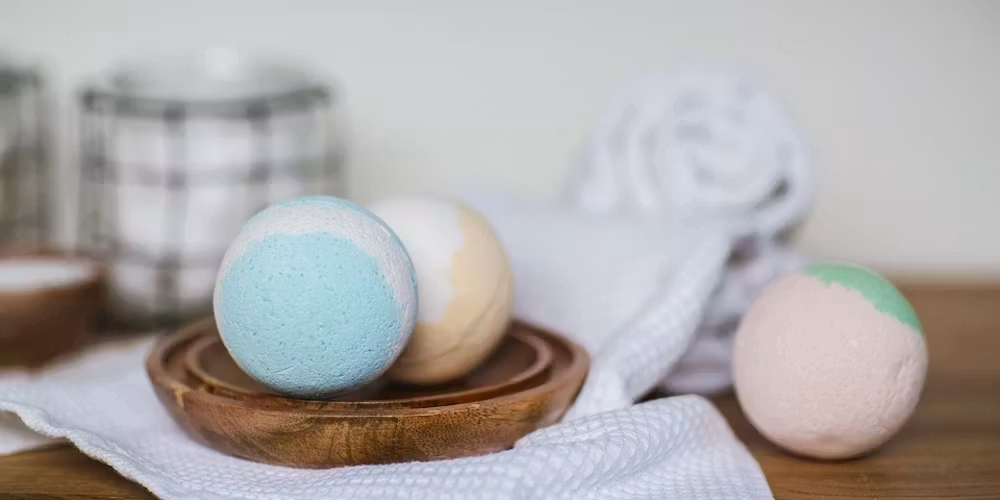
Many people think they can easily recreate a spa-style bath experience at home; however, it isn’t correct. The spa didn’t just use pure Epsom salt; they added essential oils (like lavender, eucalyptus, or peppermint), heavily fragranced bubble liquids, or bath bombs. All these ingredients are put in a mild bathtub that is completely safe for healthy skin, but if you recreate the same bath but add too much Epsom salt, it creates a perfect storm for a chemical burn.
Here is why this combination turns hazardous:
The Gateway Effect: As established, an over-salted, hypertonic bath takes away the stratum corneum and breaks down your skin’s protective lipid lipids. This leaves your skin completely defenseless.
Deep Allergen Penetration: Oils and fragrances contain many organic compounds and allergens. Adding all these in a normal environment, the skin barrier blocks these large molecules from penetrating deep into the tissue.
The Inflammatory Result: Once your skin barrier interacts with excessive salt, pills, and chemicals, it results in deep-tissue stinging, chemical burns, and an incredibly heightened risk of developing a lifetime allergy. If you are taking a salt bath at home, avoid adding other things like oil, bath balls, liquids, etc. for a bath day when you aren’t taking a salt one.
Medical Disclaimer: The information provided in this article is for educational and informational purposes only and is not intended as medical advice, diagnosis, or treatment.
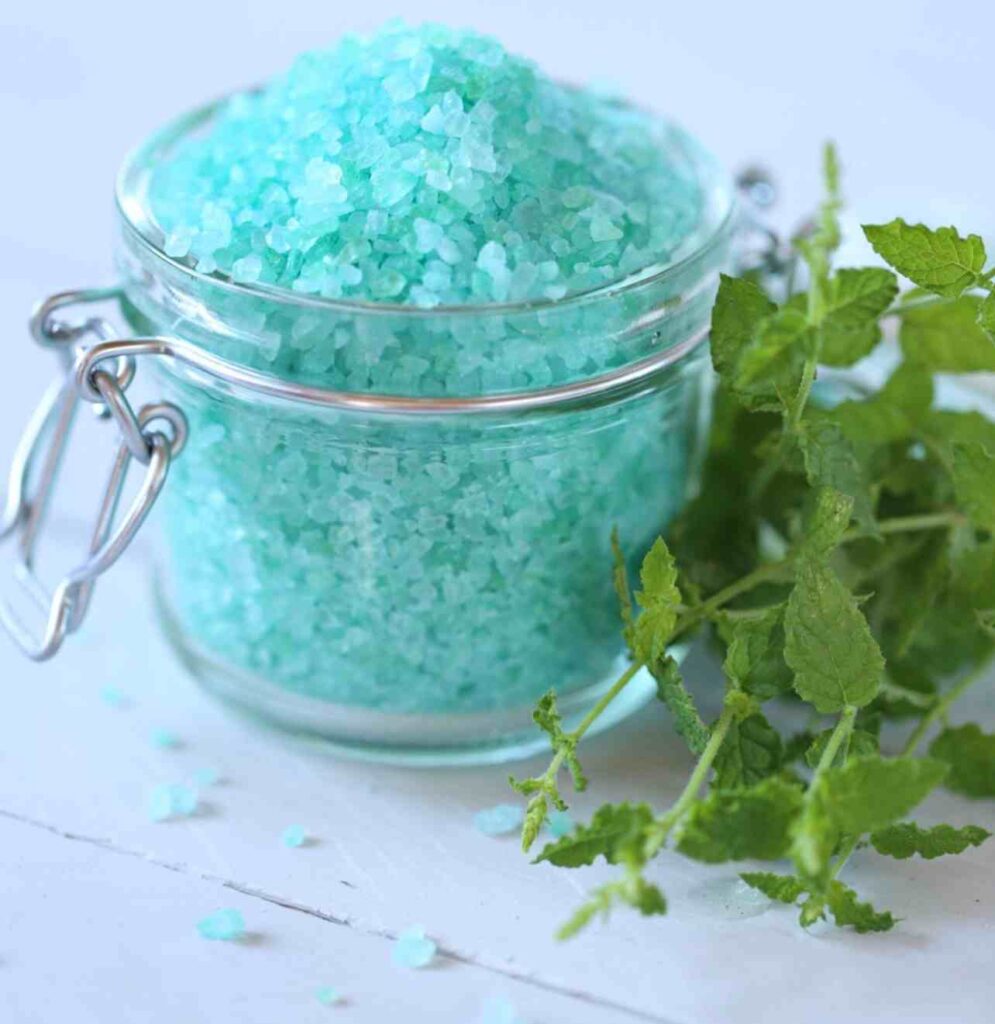
This is an ideal therapeutic concentration. Safe for muscle recovery. Rinse off with fresh water after 20 minutes.
Frequently Asked Questions
Can you get magnesium poisoning through your skin from a bath?
No, you won’t get magnesium poisoning by just interacting with it when you have healthy skin; however, magnesium poisoning does happen if you accidentally do oral consumption.
Is it safe to use Epsom salt baths during pregnancy?
Yes, it is completely safe for pregnant women to take an Epsom salt bath, as it soothes aching muscles, minimizes ligament pain, and relieves stretching skin. However, you have to follow some rules. Keep your bathtub time to just 12 minutes; never drink or swallow bath water, as it is full of magnesium.
Use only unscented magnesium sulfate to avoid unpredictable skin complications.
What is the absolute maximum time you should sit in an Epsom bath?
The safe time limit is 20 minutes, as if you stay in the bath for 30 to 40 minutes, it will start to break the skin protector, leading to sudden dizziness and other skin concerns.
How do you know if you’re absorbing magnesium from the bath?
You can’t track the time when magnesium is absorbed by the body; instead, you may track the physical benefits, such as reduction in muscle tightness, a soothing of localized joint inflammation, and an overall sense of physical relaxation.
Should you use hot or scalding water for an Epsom salt soak?
A big no, you should only use warm water that has a temperature of 98°F to 100°F (37°C–38°C). The hot water works in the opposite way; it will ruin the natural skin sebum, dry out the tissues, and trigger dizziness.
Does Epsom salt go bad?
No, pure Epsom salt does not expire or lose its chemical potency over time because it is a highly stable mineral compound. While manufacturers do add a label like ‘best before,’ it’s just to assure the quality, not that the product is completely gone.
What happens when you or a kid accidentally swallows Epsom salt bath water?
It can surely upset the digestive system; the unabsorbed magnesium rapidly pulls water from surrounding tissues directly into the bowel, resulting in sudden stomach cramps, loud rumbling, nausea, and explosive, watery diarrhea.
What should you do if you swallow Epsom salt bath water?
- The first thing you need to do is exit the bathtub immediately to avoid more swallowing.
- Flush your mouth properly with fresh water to remove the bitterness; don’t swallow it.
- Drink 16 ounces of pure, fresh water to take out the minerals from the stomach.
- If you accidentally swallow a high amount of bath water, it will lead to severe vomiting, breathing difficulties, or profound muscle lethargy, which especially happens with young children.
Can you use Epsom salt every day?
It’s not recommended to use Epsom salt in a bath every day. While it’s not toxic to your internal organs, daily interaction with heavy mineral concentrations can be harmful for skin. As the skin may start drying, flaking, and irritating, the best way to go for this Epsom bath is 2 to 3 times in a week.
Will Epsom salt baths help you lose weight?
No, Epsom salt baths do not burn body fat or support sustainability. The claim that Epsom salt baths can facilitate weight loss is misleading. Any weight loss experienced during a bath is due to the heavy mineral soak, resulting in temporary water weight loss through sweating and osmotic fluid extraction from the skin. This weight is typically regained once hydration is restored. when you drink water.
Names of celebrities that use Epsom salt for weight loss?
One of the recent yet notable examples is actress Jessica Biel, who got public attention and even a part of many public discussions as she revealed on TikTok that for the Met Gala, she took 20 pounds of Epsom salt in a bath to shed surface water weight and achieve a highly defined aesthetic before hitting the red carpet.
References & Further Reading
- PubMed Central (PMC) / National Institutes of Health: Myth or Reality? Transdermal Magnesium Intake and Skin Barrier Functions. https://www.ncbi.nlm.nih.gov/pmc/articles/PMC5579607/
- WebMD: Epsom Salt Baths: Uses, Benefits, and Safety Thresholds. https://www.webmd.com/a-to-z-guides/epsom-salt-bath-benefits-uses
- Mayo Clinic: Magnesium Sulfate (Topical Application Route, Oral Route) Description and Proper Dosing.https://www.mayoclinic.org/drugs-supplements/magnesium-sulfate-oral-route-topical-application-route-route-not-applicable/description/drg-20088513
- National Institutes of Health (NIH): Magnesium Fact Sheet for Health Professionals: Systemic Regulation and Toxicity. https://ods.od.nih.gov/factsheets/Magnesium-HealthProfessional/
- Linus Pauling Institute (Oregon State University): Magnesium’s Physiological Pathways and Biological Roles in Human Tissue. https://lpi.oregonstate.edu/mic/minerals/magnesium
