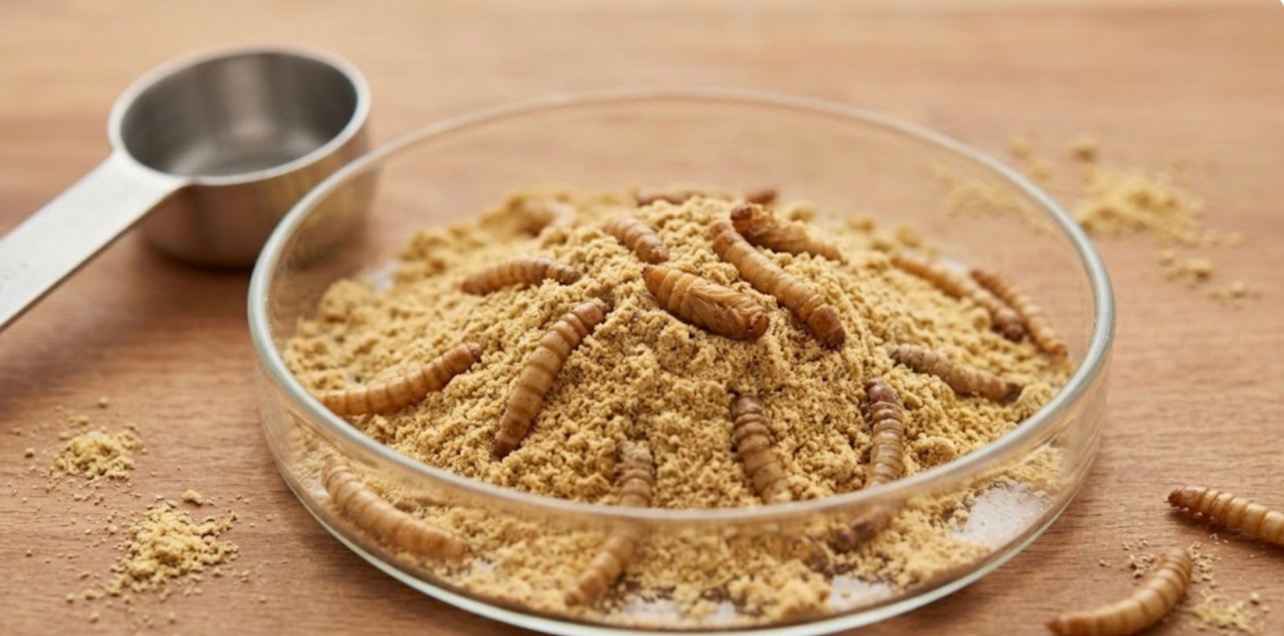
The Quick Answer: No, standard commercial protein powders (whey, casein, plant-based) are not made from worms. Insect-based protein (mealworm or cricket) is a distinct, regulated product that must be explicitly labeled. It is never used as an unlisted filler in traditional supplements.
In the world where everyone is after fitness supplements like protein powder, it is evolving based on the needs of climate change and new food technology. In 2016, protein powder was completely based on dairy (whey), but today many people are now asking a surprising question: Is protein powder actually made from worms? Well, it’s not a weird rumor anymore; it is a real thing.
In this article we will look at how modern protein powder is made. Clearing the myth about is protein powder is made from worms or not, and seeing how mealworm protein powder is actually a good choice for many people.
Where Do Claims About “Worms in Protein Powder” Come From?
There is a viral question revolving all over the internet: Is protein powder made of worms? However, it often comes from a lack of distinction between standard protein supplements (whey, soy, and pea) and novel insect-based protein products. While all these claims are frequently presented as hidden conspiracies, they are usually a result of three specific factors:
1. The Rise of Novel Foods Regulations
In recent years the regulating authorities like the European Food Safety Authority (EFSA) and similar organizations officially approved specific insect-derived products like Acheta domesticus, or house cricket, and Tenebrio molitor, the yellow mealworm, for our consumption.
When high-news sources report the insects are approved for food now, many social media creators often misinterpret or sensationalize this. They start saying it is a government secret plan to replace the traditional protein powder with insect powder, despite these being two entirely separate product categories in the marketplace.
2. The Hidden Ingredient Misconception
There is a common misunderstanding about how the food labeling works; insect protein is a premium ingredient, so there is a law about listing it as mandatory on the ingredient label in whatever product it is used in.
The fear stems from users assuming that:
- They are hiding it in the ‘natural flavors’ category: This is completely false because the regulations are extremely strict regarding allergen labeling (e.g., chitin in insects can trigger shellfish allergies).
- It is cheaper to use bugs. It is also a wrong statement in reality; producing, processing, and refining insect protein are currently more expensive as compared to the production of whey or pea protein.
- It is not a cost-cutting product; in fact, it’s a niche production process.
3. Fear-Based Social Media Algorithms
The bug-eating conspiracy takes place on platforms like TikTok and Instagram, as the storm engaged many users. Videos that use inflammatory language like “They are putting worms in your shakes” generate high emotional responses (fear and disgust). Algorithms prioritize this high-arousal content, causing the misinformation to spread faster than the factual corrections. This creates a feedback loop where consumers see the same claims repeatedly, leading them to perceive an online rumor as “common knowledge.
What Is Protein Powder Made Of?
To understand if there are worms in your protein powder, you first need to look at how the industry started. Originally, the protein powder was made from the leftover liquid coming from cheese. However, today there are many different ways of making protein powder.
The Milk Standard: Whey and Casein
The most common protein powders are made from whey and casein, so you may have a question. Is whey protein made from worms? Well, no. You might hear protein powder is made from worms online, but it’s a different type. Whey comes from milk; in 2026 the manufacturers will improve whey. They now use cold-process microfiltration, in which protein is filtered without using high heat. This keeps the healthiest parts of the milk active and strong.
The Plant-Based Growth
Plant-based protein powders aren’t incomplete anymore, as they are a mixture of peas, fava beans, and pumpkin seeds. Companies are actually making protein that is good for your muscles, the same as milk is. However, people are looking for more eco-friendly alternatives, so the market comes up with edible insects.
ALL TYPES OF PROTEIN POWDER & HOW THEY ARE MADE
| Protein Powder | Source | How They Are Made |
|---|---|---|
| Animal-Based Proteins | ||
| 1. Whey | Milk Source | Undergoes a comprehensive Filtration & Drying stage to arrive at final Whey Powder (optimized for digestibility and specific key benefits). |
| 2. Casein | Milk Source | Processes through a dedicated Slow Digestion Process sequence to yield final Casein Powder. |
| 3. Collagen | Skin Source | Extracted via the skin, transitioning structurally from a Triple Helix → Peptides to form standard Collagen Peptides. |
| 5. Mealworms | Live Mealworms (Larvae) | Processed via sequential Washing & Blanching, followed by Drying (Spray/Drum), ending with dedicated Milling & Powder Processing. |
| Plant-Based Proteins | ||
| 6. Soy | Soy Plant Source | Processed strictly through a rigorous Dehulling & Oil Removal phase to form high-purity Soy Powder. |
| 7. Pea | Yellow Split Pea | Subjected to isolated Pea Protein Isolation stages to render clean, refined Pea Powder. |
| 8. Rice | Brown Rice | Converts directly via an intensive Rice Protein Concentration liquid process to yield fine Rice Powder. |
| 9. Hemp | Hemp Seed | Created mechanically utilizing cold production settings through Cold Pressing & Milling into standard Hemp Seed Powder. |
The Science of the Larvae: Is Protein Powder Made From Mealworms?
When you hear from industrial professionals about protein powder made from worms, they aren’t talking about all of them; in fact, they are specifically referring to the larvae of the Tenebrio molitor (the yellow mealworm). The label of this protein doesn’t even hide the involvement of mealworms.
The Vertical Farming Lifecycle
The farming cycle of mealworms is not the same as traditional livestock like cows, goats, etc. Mealworms are raised in vertical bio-farms. In 2026, manufacturers will use AI-monitored environments to track humidity and nutrient intake. The larvae are feed-cleaned, meaning they build something that is high quality for muscle-building.
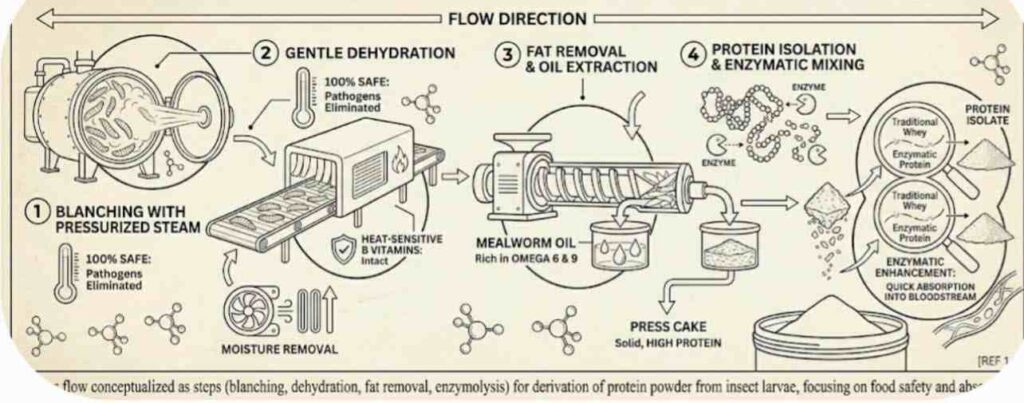
The Isolation Process: From Larvae to Powder
The conversion from a live organism to a neutral, mixable powder is an amazing part of modern food engineering. Let’s look at what steps they follow:
- First the larvae are blanched using pressurized steam to make sure they’re 100% safe.
- They remove moisture while keeping heat-sensitive B vitamins intact.
- Removing fats is very important. Mealworm oil is rich in omega-6 and 9, while the remaining press cake becomes a high-protein isolate.
- Some big brands even mix protein with enzymes to make sure the protein powder goes quickly into the bloodstream, unlike the traditional protein powder that is whey.
Nutritional Profile of Mealworm Protein
| Nutrient | Live / Raw Mealworms | Dried / Powdered Mealworms | Notes & Comparisons |
|---|---|---|---|
| Moisture | ~62% | ~5% |
Lower moisture yields concentrated nutrients.
|
| Crude Protein | ~20% | 50% – 60% |
Comparable to chicken and higher than beef on a dry weight basis.
|
| Total Fat | ~13% | ~28% |
Mostly healthy, unsaturated fats (Omega-6 and 9).
|
| Dietary Fiber | ~2% | ~6% |
Sourced primarily from chitin (found in their exoskeleton).
|
| Carbohydrates | Very Low | Minimal |
Naturally low-carb option.
|
Nutritional Bioavailability: PDCAAS and DIAAS Scores
We understand the processing part; now we need to look at how mealworm protein powder performs in our bodies. For this we need to look at the
Protein Digestibility Corrected Amino Acid Score (PDCAAS) and the Digestible Indispensable Amino Acid Score (DIAAS).
- Whey Isolate: PDCAAS 1.0 | DIAAS 1.09 (The gold standard for speed).
- Mealworm Isolate: PDCAAS 0.95 | DIAAS 0.91 (Classified as a “High Quality” protein).
- Soy Isolate: PDCAAS 0.91 | DIAAS 0.88.
- Pea Protein: PDCAAS 0.89 | DIAAS 0.82.
While whey protein is still considered a king, mealworms offer a more balanced micronutrient profile. The worms are naturally high in vitamin B12, iron, and zinc.
Why Is Whey Getting Expensive?
In 2026, whey protein powder prices do increase; in fact, they become triple as compared to 2023. The main reason behind this is many people are going for weight loss medications like Ozempic and Wegovy. The doctors advise them to consume high amounts of whey protein to prevent muscle loss. This creates massive sales, leading to high prices.
The new nitrogen taxes and levies on dairy farming made raw milk more expensive to make, which indirectly increased products’ prices made from it.
Where do “worms” fit in?
The reason many people are switching to mealworm-based protein is the significant price difference compared to whey protein.
In the past, when insect protein was introduced, it was very expensive; however, in 2026, because whey has become an expensive item, mealworm protein has finally become cost-competitive.
Brands are now considering farming insects because they are a cheaper, more stable alternative to bovine protein.
Nitrogen Emission Caps and Carbon Taxes
The governments of the EU and North America have made nitrogen emission caps, especially on dairy farms, which force the brands to increase prices as a global whey shortage occurs.
In today’s pricing, the 2 lb tub of high-end whey isolate has an average price of $75–$90, while protein powder made from mealworms remains stable at $40–$50. This lower pricing pushes people toward worm-based protein powder.
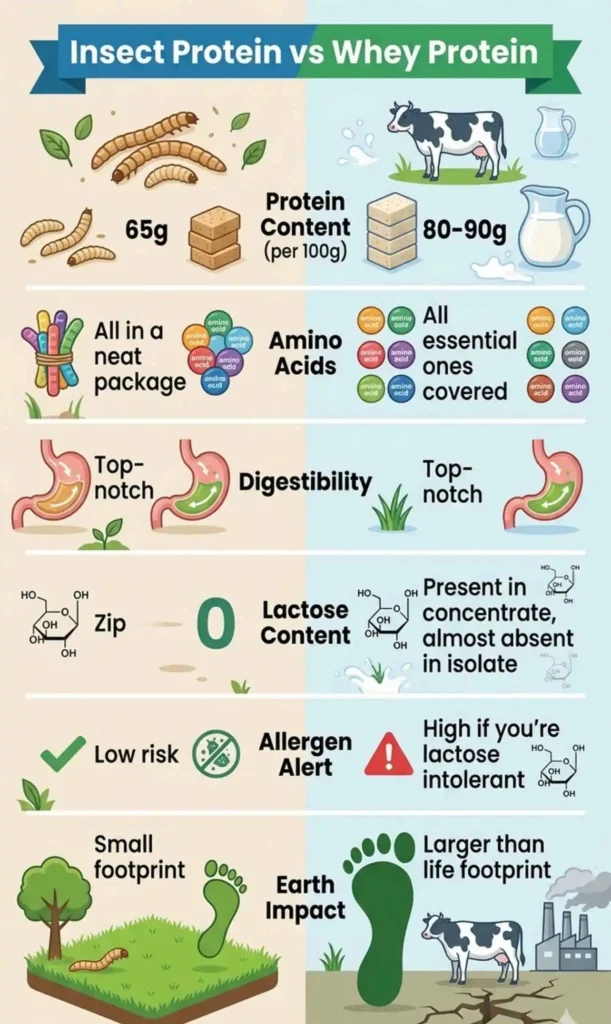
The Entovegan Ethical Debate: Is it Animal-Free?
A new dietary philosophy is getting popularity this year called “entoveganism.” This is a niche that is growing based on supplements that include a plant-based diet with edible insects. Good for people who want a plant-based lifestyle but with a protein powder made from edible insects.
The main argument among people revolves around whether animals feel pain and have emotions. Many agree that farm animals, such as cows, pigs, and chickens, possess complex nervous systems and experience suffering. However, if we talk about mealworms, they are different, as they don’t have the same brain, meaning they don’t feel any pain. This makes them an ethical choice for the environment, and many people agree.
Entovegans come with a point that even normal vegan farming, like producing wheat or corn, accidentally kills millions of small animals. This type of farming relies heavily on machines and pesticides, which can result in the unintentional deaths of many small animals, such as mice, rabbits, and birds.
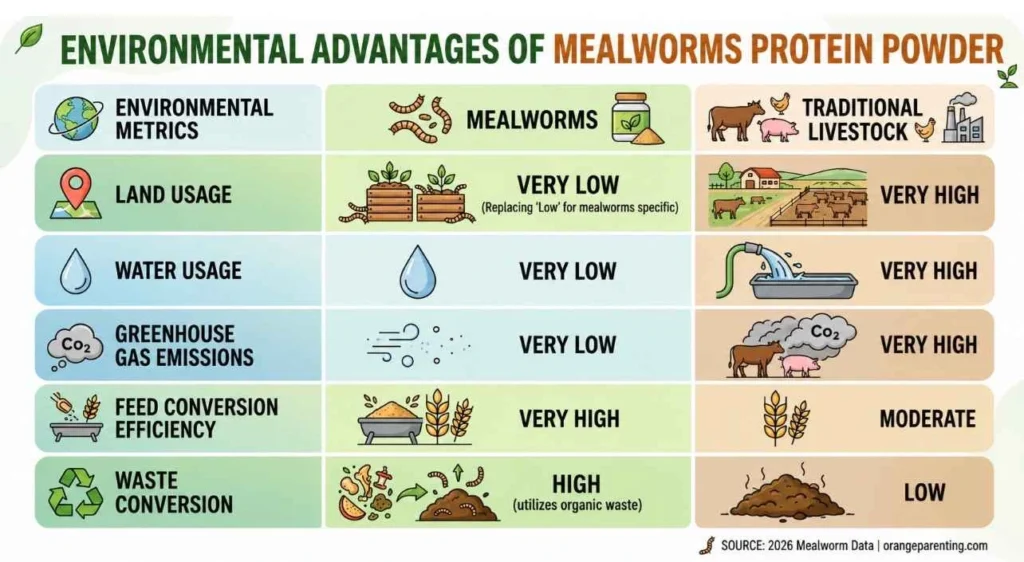
However, mealworms grow in indoor farms without any killing. You can produce a lot of protein (worms) in a small place. This means you don’t need huge machines or large lands. Best for ecosystem.
Precision Fermentation vs. Insect Farming
Safety Protocols: The Tropomyosin and Chitin Factors
While insects are nutritious, they can’t be suitable for everyone.
The Shellfish Allergy Warning
As we all know, insects are arthropods. They have tropomyosin, a similar protein muscle that is found in sea animals like shrimp, lobster, and crab.
So if you’re allergic to these, then consuming worm-based protein powder can cause anaphylactic shock, leading to side effects like hives, itchy skin, swelling of the face or throat, wheezing, abdominal pain, diarrhea, and vomiting.
Chitin and Gut Health
Mealworm exoskeletons contain a fibrous polysaccharide known as chitin. According to recent research, it feeds beneficial gut bacteria; however, its high dose can lead to mild bloating for those with sensitive GI tracts.
How to Identify What’s in Your Tub: 2026 Labeling Laws
Well, to find out what is in the protein powder, you should always read the labels. A law made by a food authority like the FDA is based on 4 key terms, as follows:
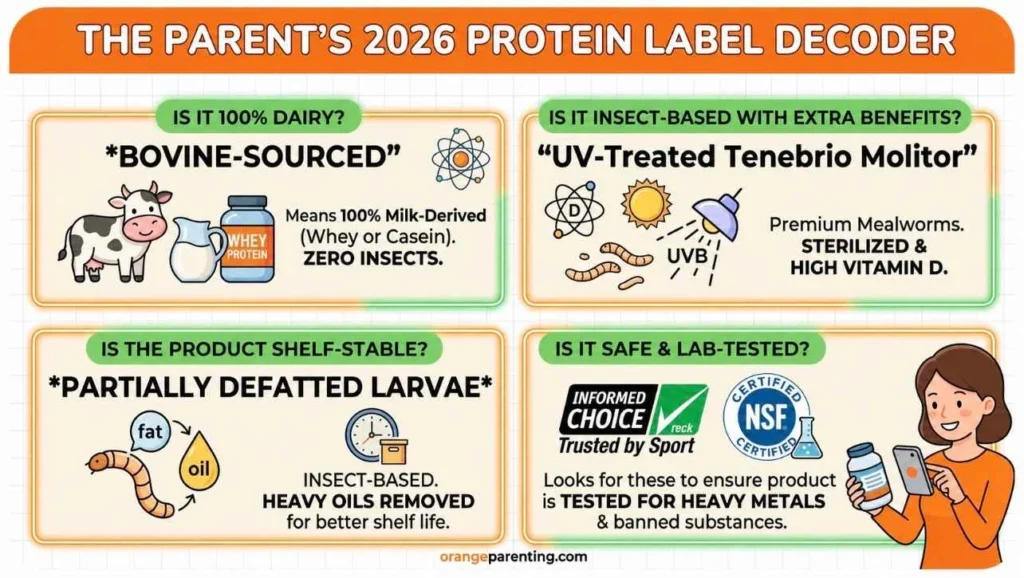
- Bovine-Sourced: If you find this on the label, it means the product is purely based on dairy milk and has no insects.
- Partially Defatted Larvae: If you find this on the label, it means the product is surely made from insects.
- UV-Treated Tenebrio Molitor: If you find this on the label, it means the product is made from mealworms that were treated with special light to increase their vitamin D levels.
- Novel Food Stamp: If you are in Europe, there is an official stamp that is mandatory on the product that contains insects.
Culinary Versatility: Beyond the Shake
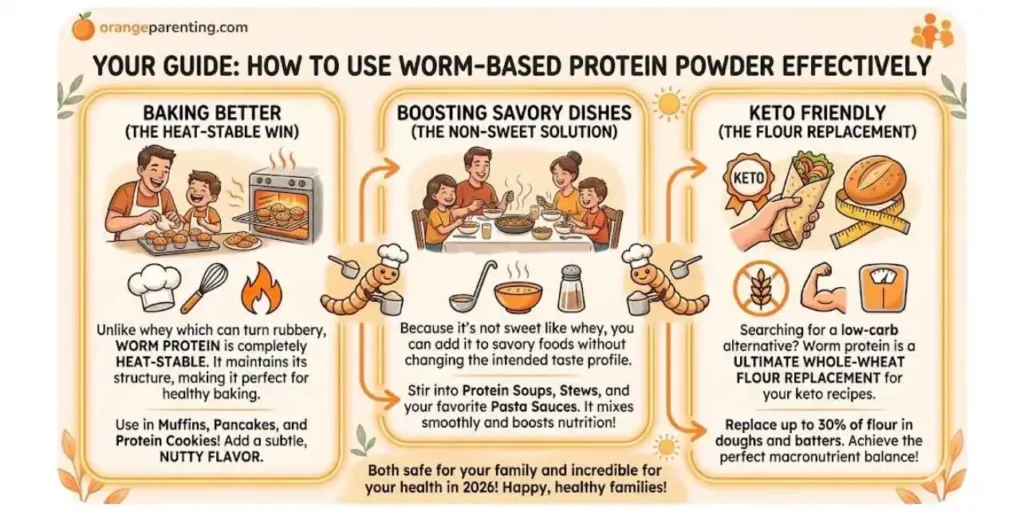
While whey protein powder can turn rubbery when it comes to baking, worm protein powder is heat stable. It provides a nutty flavor. Since it’s not sweet like whey, people use it in protein-based soups, stews, and pasta sauces. It is the best replacement for whole-wheat flour if you are following a keto diet.
Regulatory Standing: FDA, EFSA, and FAO Compliance
According to the U.S. Food and Drug Administration, treat edible insects as food instead of additives. All insect-based ingredients are generally safe. However, the products must use species like Tenebrio molitor to prevent consumer deception.
According to the European Food Safety Authority, they classify mealworms as a novel food. There is a strict rule to make sure insect powder doesn’t contain any heavy metals or pathogens.
Because regulatory agencies require absolute transparency on food labels, an insect ingredient can never legally be hidden under a vague term like ‘natural tracking.’ To see exactly how your current supplement matches up against these global safety guidelines, use our interactive Protein Source & Insect Checker below to audit your label for any of these regulated terms!
Protein Powder Source & Insect Checker
Analyze your supplement label to screen for hidden insect ingredients
What are the benefits of protein powder?
Protein powder is something more than just an element in muscle building. It offers a strong nutritional profile along with several additional benefits, including the following:
Taking protein powder can fulfill the protein gap in the body, especially for the parents who don’t have time to prepare three high-protein whole-food meals in a single day.
Most protein powders are designed to hit the leucine threshold of approx. 2.5g–3g per serving, which is required for muscles.
Protein has what is called the “Thermic Effect of Food,” meaning the body uses more energy to digest it as compared to fat, which leads to more calories burned.
Should I add protein powder to my diet?
You can surely add protein powder to your diet; however, don’t consider it a magic fix. It is right for you if you’re following a calorie-deficit diet in which it’s hard to get protein. Protein powder provides you with the required protein and has zero fat or carbs.
Older individuals often struggle with proper nutrition, which can lead to an increased need for protein. If you are aging, incorporating protein powder into your diet can help maintain your energy levels.
If you are vegetarian, then using protein powder can balance amino acid profiles without the need to consume high-starch items like beans and grains.
Can taking protein powder make me gain fat?
A single food item can never lead to fat gain; however, unmanaged calories do.
Some people drink a 500-calorie-based drink, thinking they are just taking protein, but they end up getting a high sugar intake.
Additionally, if you add a 150-calorie shake to your daily diet without adjusting other protein-based meal items, it can lead to an imbalance in your overall calorie intake. The mismatched combination of excessive protein can lead to weight gain.
Is protein powder from worms safe for pregnant women?
The short answer is yes, but only if your focus is on nutrition. For a pregnant woman, mealworm protein powder works best, as it contains all nine amino acids. Some women face bloating due to the use of pea proteins, but an insect one is easier for pregnant women’s digestive systems.
During pregnancy your body needs more iron and B12 to support the baby’s blood supply and brain development. Mealworms are naturally rich in these, so the protein powder works best in pregnancy.
Worm-based protein powder does have benefits in pregnancy; however, if you have certain allergies, like we discussed earlier, it’s better to avoid it.
Medical Disclaimer: This content is for informational purposes only and does not replace professional food safety or health advice. Always follow local food safety guidelines and consult a qualified expert if you have specific concerns about food handling or illness prevention.
Is protein powder from worms safe for children?
Yes, it is completely safe. In fact, many pediatric nutritionists view it as super-flour for growing toddlers and school-aged kids.
As we know, mealworm protein contains all 9 amino acids, which is good for children. Adding this protein powder to their diet helps in getting nutrients, which is important for growth.
If your child is a picky eater, then insect-based protein powder would work for them, as its taste is neutral, so you can add it to oatmeal, pancakes, or smoothies. This provides a massive boost of iron and zinc without the need to eat red meat or leafy greens.
Before buying a protein powder for your kids, don’t forget to check if the product is third-party tested for heavy metals, as children’s immune systems are more sensitive as compared to adults’.
Frequently asked questions by people: Is protein powder made from worms
Are these worms harvested from the wild?
No wild harvest of worms is strictly banned because of pesticide risk. All protein powder made from mealworms comes from food-grade factories.
Does it have a buggy taste?
Since the taste of mealworms is neutral, in the blind test they have a flavor of mild sunflower seed and toasted malt.
Can I get parasites from it?
No, you won’t because the protein powder goes through a blanching and drying process.
Is protein powder as good as whole food?
Well, the powder absorbs faster as compared to meat. It has all amino acids, vitamins, and minerals. It is good but not a replacement for real food. You can take protein powder to fulfill the need for protein in your body.
How do you choose a safe protein powder?
Only go for the brands whose labels have the Informed Choice or NSF safety stamps. Always check the ingredients. For sweeteners, choose stevia or monk fruit, as they are good for gut health.
Why do doctors say no to protein powder?
Many doctors don’t recommend protein powder because some people are allergic to it, whereas some doctors find it fragmented food that lacks the natural fiber and vitamins of whole meals.
Are all protein powders made from worms?
No, not all protein powder is made from worms; the traditional one, like whey/casein, is made from dairy. However, mealworm protein powder is made from worms; they are considered a premium alternative that is clearly labeled as insect-based on the package.
What is the difference between regular protein and whey protein?
The regular whey protein powder is a dairy-based one that helps in fast muscle repair and recovery. Worm protein is a sustainable “superfood” that is naturally higher in vitamin B12, iron, and prebiotic fiber.
Do any protein powders contain insects?
Yes, those are marketed as insect or sustainable protein. There are no hidden insects in whey protein. If any company wants to use EVER, they have to label “wormed” on the packaging.
Is insect protein safe?
Yes, it is completely safe and easy to digest, only if you’re not allergic to shellfish. If you have the allergy, then avoid it.
How can I know if my powder contains insects?
Always look at the ingredients on the label, like if it mentioned Tenebrio molitor, mealworm, or larvae. It is worm-based; however, if the label says “bovine-sourced,” it means it is 100% dairy and contains zero worms.
Regulatory References & Citations
To ensure transparency and authority, the following regulatory bodies and documents govern the production of insect protein in 2026:
- FDA (Food and Drug Administration): Human Foods Program – Guidance for Industry on the Labeling of Edible Insects
- EFSA (European Food Safety Authority): Scientific Opinion on the safety of UV-treated powder of whole Tenebrio molitor larvae as a Novel Food pursuant to Regulation (EU) 2015/2283
- FAO (Food and Agriculture Organization of the UN): Edible Insects: Future Prospects for Food and Feed Security – Strategic Update
- European Commission: Commission Implementing Regulation (EU) 2025/89: Authorising the placing on the market of yellow mealworm as a novel food
