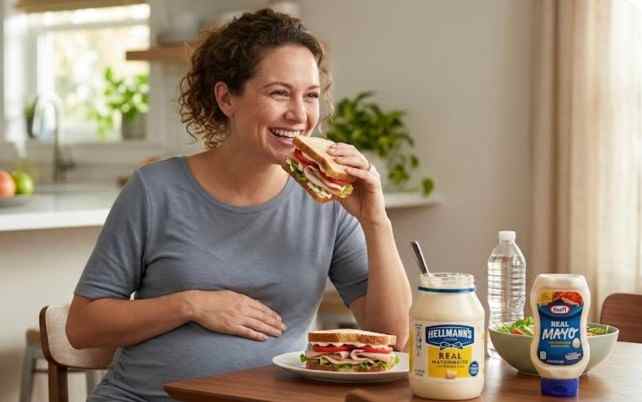
When you are expecting, the first priority is your diet. Everything you eat, from condiment to snack to meal, matters. If we talk about sandwiches, the most common topping that comes to mind is mayonnaise, yet the question also arises: can you eat mayo while pregnant?
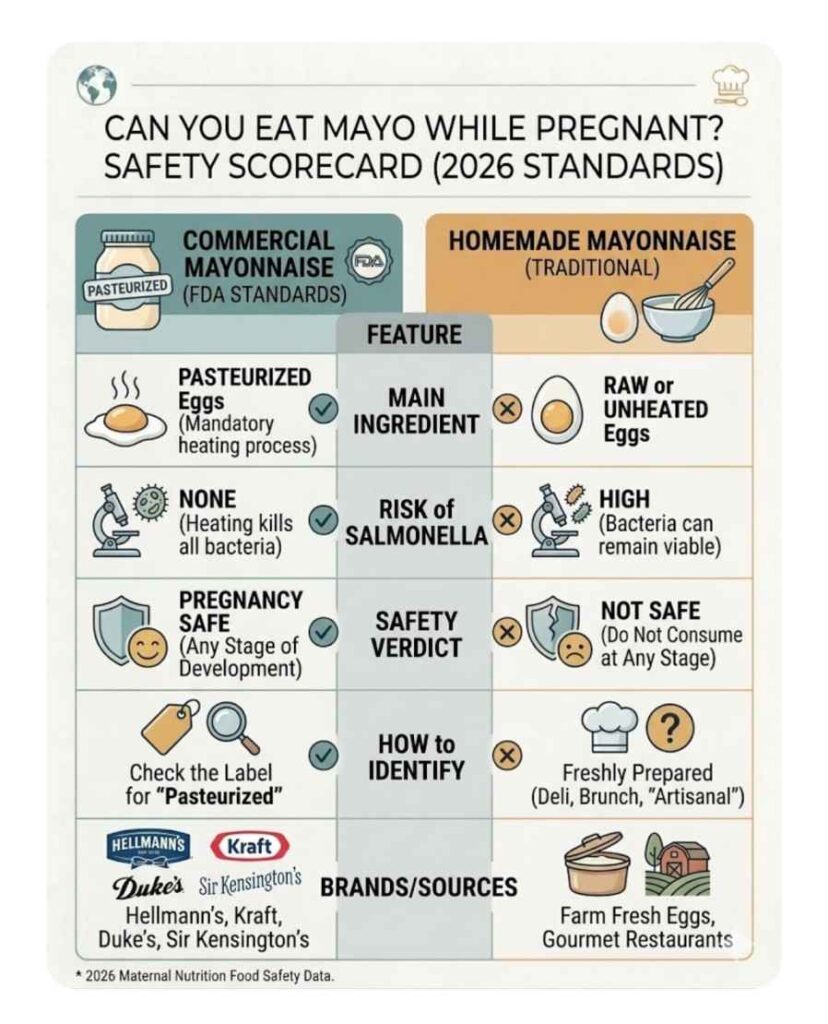
The short answer is yes! You can eat mayo while pregnant; just make sure it is made from pasteurized eggs. Because the main risk and safety depend on how mayonnaise was produced, stored, and served.
This guide will walk you through everything from grocery store brands to international dining safety, backed by the latest 2026 medical standards.
The Core Concern: Why the Debate Exists
The primary reason mayonnaise is often a topic of debate among pregnant women and frequently flagged is not due to its texture or preparation method but rather the risk of Salmonella.
According to the U.S. Food and Drug Administration (FDA) and the Centers for Disease Control and Prevention (CDC), Salmonella is mostly found in raw eggs. Normal people easily recover from Salmonella in some days, but pregnancy changes the math. During pregnancy the immune system is naturally suppressed to protect the developing fetus, making you more vulnerable to foodborne illnesses.
The Impact on Pregnancy
Unlike Listeria, Salmonella can’t cross the placenta and harm the baby; however, you may face some severe symptoms like dehydration, high fever, and abdominal cramping, which leads to pregnancy complications like preterm labor. This is why medical authorities like the American College of Obstetricians and Gynecologists (ACOG) highly recommend avoiding raw or uncooked eggs during pregnancy.
The Power of Pasteurization
Many people recommend that store-bought mayo be safe during pregnancy. To understand why most store-bought mayo is safe, we must understand pasteurization first. It is a process in which eggs are heated to a specific temperature where bacteria like Salmonella and Listeria get killed. At this temperature, egg yolk isn’t cooked. In 2026, the USDA will provide strict rules that all eggs used in commercial foods have to be pasteurized first. This means the mayo you find on the supermarket shelf is perfectly safe for pregnancy.
Also Read: Can You Eat Subway While Pregnant? The Ultimate 2026 Safety & Nutrition Guide
List of Commercial May Brands That Are Safe in Pregnancy
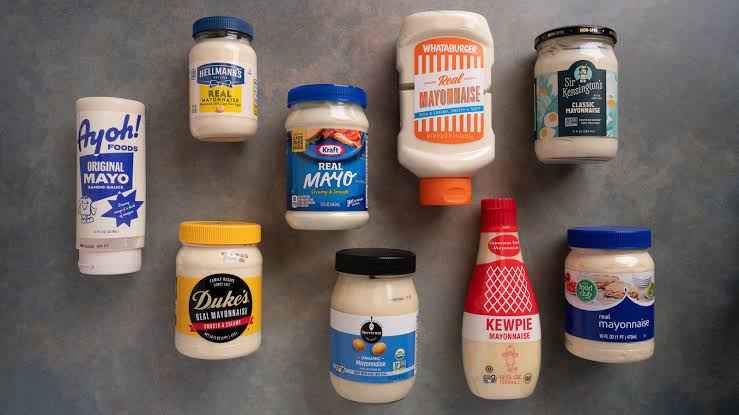
To save your time while grocery shopping, I provide a list of safe mayonnaise brands that strictly use pasteurized eggs as follows:
North American Favorites
- Hellmann’s / Best Foods: They use 100% pasteurized eggs. Their “Real Mayo” and “Light Mayo” variants are safe.
- Kraft Real Mayo: Fully pasteurized and shelf-stable.
- Duke’s Mayonnaise: A staple in the Southern US, Duke’s is made with pasteurized egg yolks and no added sugar, making it a safe option for pregnant women.
- Sir Kensington’s: This brand uses certified humane, pasteurized eggs and non-GMO ingredients.
International & Specialist Brands
- Kewpie (Japan): Kewpie is famous for using only egg yolks.
- Thomy (Europe): They utilize heat-treated yolks, ensuring their tubes and jars are pregnancy-safe.
- Lady’s Choice: They strictly follow international pasteurization standards and are a safe choice for global travelers.
The Mayo-Based Sauce Dictionary (What’s Safe?)
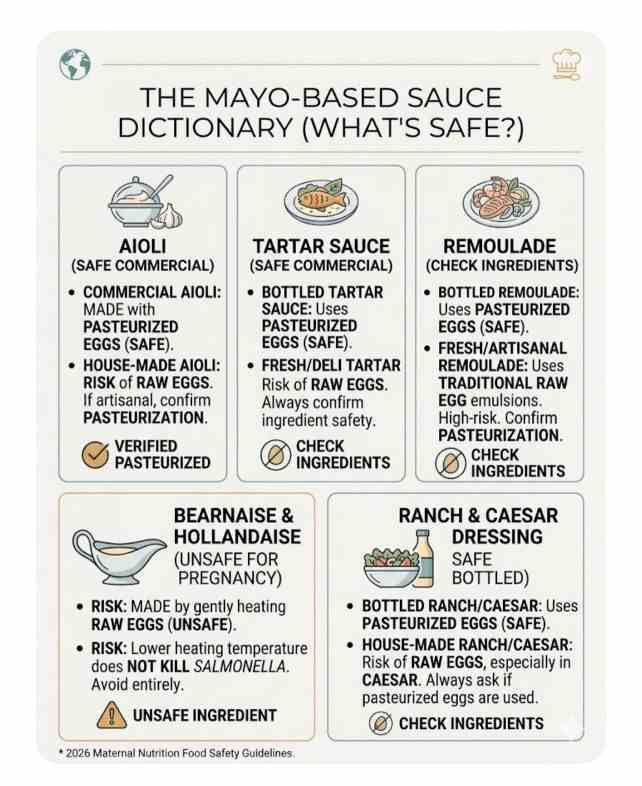
Aioli: It is traditionally made from raw eggs and garlic, but in 2026 many restaurants are using a shortcut; they mix commercial mayo with garlic. However, if it is homemade, consider that they are using raw eggs.
Tartar Sauce: This sauce is commonly used in fish fillets. Since the commercial tartar sauce is safe, however, the homemade one at a seafood shack is high-risk.
Remoulade: This one is used in much French or Cajun cuisine. Like aioli, it is also safe to find in commercial jars.
Bearnaise & Hollandaise: They are not mayo but made by heating raw eggs with butter. Still, they are unsafe because the temperature isn’t high enough to kill salmonella.
Ranch & Caesar Dressing: The bottled version is completely safe to use; however, the one made at home with raw eggs needs to be avoided in pregnancy.
Why Homemade Mayonnaise is Dangerous?
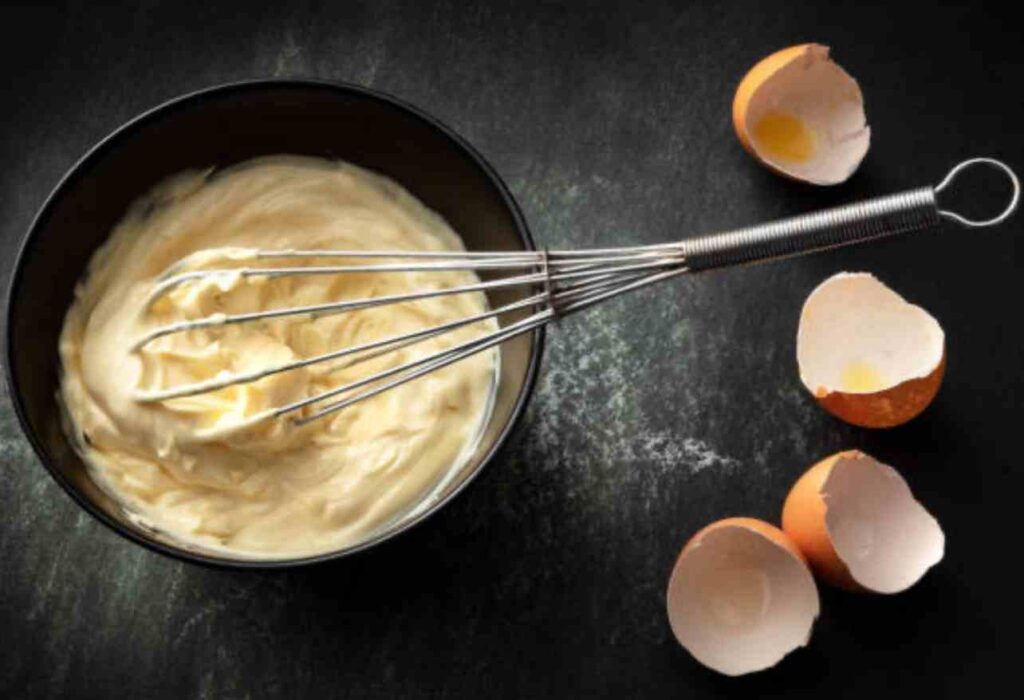
You may have a question of if commercial mayonnaise is safe to eat while pregnant, so why not a homemade one? Well, traditional homemade mayonnaise is made from raw egg yolks with oil and lemon juice. Since the eggs weren’t heated, the risk of salmonella remains the same. It doesn’t matter if you use farm-fresh or organic eggs to make mayonnaise at home; the bacteria remain inside the shell until the egg is heated.
How to Make Safe Homemade Mayo?
If you insist on making your own spread, then you must use pasteurized-in-shell eggs. Because these eggs were kept in warm water before getting packed. They are usually marked with the letter P on the shell. You can use a sous-vide circulator at home to heat your eggs to 57°C (135°F) for 75 minutes to ensure bacteria are killed completely and they are safe to use.
Things you need to know when eating Mayo on Restaurants
When you are eating outside, you can’t read the labels. Here is how to handle different dining scenarios:
Fast Food & Casual Dining
Chains like Subway, McDonald’s, Burger King, and Nando’s use commercially produced mayo that is completely safe to consume in pregnancy, so you don’t need to worry.
Fine Dining & “Farm-to-Table”
High-end restaurants usually use raw eggs while making house-made aioli or truffle mayo, so In order to stay safe, you need to be vocal; ask the waiter. Is your aioli made with pasteurized eggs? If they aren’t sure, skip the sauces and use vinegar instead.
Holiday Parties & Buffets
The risk in parties and buffets is not just based on raw eggs but also the temperature. Salads like potato, chicken, and coleslaw are commonly found at big gatherings, so if they are in the same place, like outside, for more than 2 hours, then bacteria can multiply to dangerous levels even if the salad is based on commercial or originally pasteurized mayo.
What are the Nutritional Benefits of Mayo in Pregnancy?
Mayonnaise is often labeled as unhealthy, but in reality, it has many benefits during pregnancy when you consume it in a moderate amount.
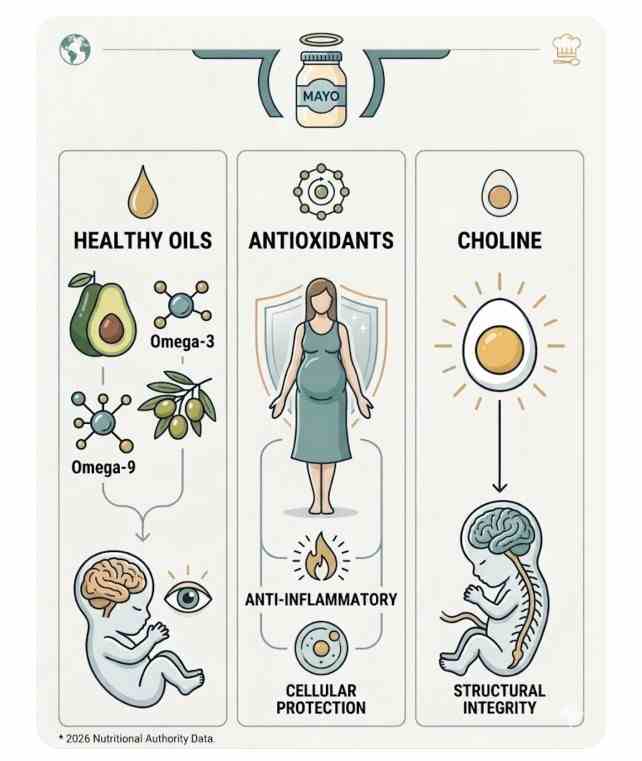
- Many modern mayonnaise brands use avocado and olive oil. Both these oils are a good source of omega-3 and omega-9 fatty acids, which are important for babies brain and eye development.
- Mayo is a significant source of vitamin E, an antioxidant that helps your skin from damage during pregnancy.
- Egg yolks are considered one of the best sources of choline, which plays an important role in baby neural tube development.
Vegan Mayonnaise: The Zero-Risk Alternative
If you find it stressful to read labels every time, then you can go for an alternative mayo option called Vegenaise.
- It is made from starches, pea protein, or soy instead of eggs, a safe choice in pregnancy.
- Since there are zero eggs involved, the chance of Salmonella becomes zero too.
- Brands that provide vegan mayo include Your Heart, Hellmann’s Vegan, and Primal Kitchen Vegan.
Advanced Food Science: pH and Bacterial Growth
Some people think the acidity in mayonnaise is not good; however, in reality, it creates a low pH environment where bacteria like Listeria and Salmonella can’t even survive. This acidic environment is utilized by commercial manufacturers of mayonnaise. This is why commercial mayo is recommended; it is safe and has a long shelf life as compared to other dairy products. During pregnancy, it is important to adhere to the “pasteurization rule.”
Storage and Hygiene: The “2-Hour Rule”
The safety of products like mayonnaise not only depends on pasteurized eggs but is also based on proper storage, as improper storage leads to food poisoning.
The fridge is mandatory: Once you open a mayo jar, put it in the refrigerator at a temperature at or below 4°C (40°F).
Avoid Cross-Contamination: To avoid bacterial growth, never use a spoon in mayo that you use on raw meat. Always use a clean utensil.
The Picnic Window: If you are attending a family gathering, be the safety police. If the potato salad isn’t on ice, don’t eat it.
Best Alternatives of Mayo during Pregnancy
If you want the creaminess without the egg anxiety, try these 2026 “mom hacks”:
The Greek Yogurt Swap: Mix Greek yogurt with a pinch of salt and lemon juice. It provides nutrition like protein and probiotics and also mimics mayo.
Avocado Spread: If you don’t want to eat yogurt, then go for mashed avocado; it provides more fiber as compared to mayo.
Safe Homemade Aioli: Take a small amount of commercial mayo, like 1/2 cup, then add one clove of minced garlic and a squeeze of fresh lemon. This gives you taste without worrying.
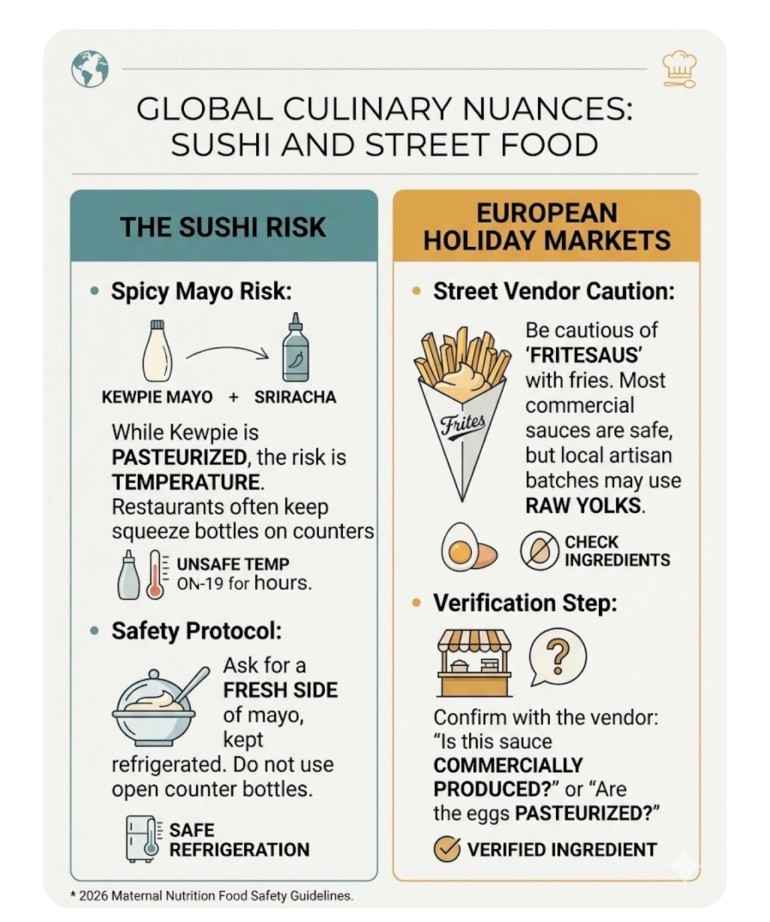
Global Culinary Nuances: Sushi and Street Food
Understanding Salmonella: The 2026 Medical View
According to the current research, Salmonella infection is rare, but the strain Salmonella Enteritidis has become more resilient. Healthcare providers advise against consuming food items that may contain Salmonella, emphasizing prevention over relying on a cure afterward. If a pregnant woman gets this infection, it can lead to bacteria in the blood, which results in a medical emergency. This is why you never take a chance with unpasteurized mayo.
What to Do If You Accidentally Ate Raw Mayo
First, don’t panic, as the chances of Salmonella in a single raw egg can be quite low. Monitor symptoms like nausea, vomiting, abdominal cramps, diarrhea, fever, and chills for the next 12 to 72 hours. If you notice any of the symptoms listed above, please reach out to your OB-GYN immediately. Inform the doctor you are pregnant and eat a raw egg.
Verify a Different Mayo Variety
Analyze alternative preparation types, ingredients, and storage parameters instantly
Essential Pregnancy Storage Rules:
Frequently Asked Questions (FAQ)
Can I eat mayonnaise in the first trimester?
Yes, mayonnaise is completely safe during the first trimester or any other stage as long as it is pasteurized.
Is Kewpie mayo safe?
Yes, the version found in stores is made with pasteurized egg yolks.
Is it safe to eat mayo-based dressings like Caesar?
Yes, it is safe to eat mayo-based dressings only if they are in a bottle. However, you should avoid freshly made Caesar dressing in restaurants.
Can I have mayo if I have gestational diabetes?
Yes, but it is important to always check labels for added sugar. Brands like Primal Kitchen work best for gestational diabetes patients.
Conclusion: Can you eat Mayo while Pregnant?
In conclusion, yes, you can eat mayo while pregnant only if it is from store-bought, shelf-stable jars. Common brands you can go for are Hellmann’s, Kraft, and Sir Kensington’s. You can also eat mayo at fast food restaurants like Subway, McDonald’s, and Nando’s, as they use commercial mayonnaise. However, you need to avoid traditional homemade mayo and handmade mayo at high-quality restaurants.
Mayonnaise is a safe and nutritional addition to your pregnancy if you take it in moderate amounts.
Medical Disclaimer: This information is for educational purposes and based on 2026 food safety data. Always consult your doctor or a registered dietitian for personalized medical advice.
Official Health Authority References
- FDA (U.S. Food and Drug Administration): Egg Safety: What You Need to Know
- NHS (National Health Service, UK): Foods to Avoid in Pregnancy – Eggs and Poultry Guidelines
- ACOG (American College of Obstetricians and Gynecologists): Nutrition During Pregnancy – FAQ001
- CDC (Centers for Disease Control): Salmonella and Eggs: Safety Tips for Consumers
- USDA (United States Department of Agriculture): Shell Eggs from Farm to Table Safety Guidelines
