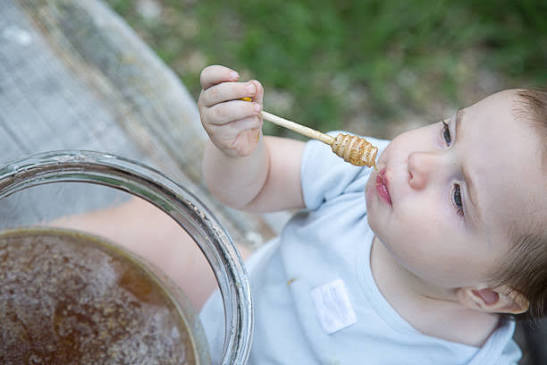
Quick answer: Many parents ask, “Can 1 year old have honey?” It’s a common question because honey is sweet and considered a healthy alternative to sugar. The answer is yes, you can give honey to a baby at 1 year old. Honey isn’t recommended for babies under 12 months old because it can lead to the risk of infant botulism. The best time to give honey to a baby is after the first birthday, but in a small amount.
| Age Group | Is Honey Safe? | Primary Risk / Reason | Recommended Action |
|---|---|---|---|
| Under 12 Months | ❌ NOT SAFE | Infant Botulism (clostridium botulinum spores) | Avoid completely in raw, cooked, or baked forms. |
| 12+ Months (1 Year) | ✅ SAFE | Mature digestive system neutralizes spores | Introduce in small amounts; monitor for sweet preference. |
Many parents introduce honey to their toddlers as a replacement for sugar or to cure coughs and sore throats, as it is naturally sweet and has antioxidants. As a parent, if your baby is under 1 year, then you should keep an eye on the ingredients of packaged food items like granola bars, sauces, or baked goods while giving them to babies because they contain hidden sources of honey. The best way to serve your baby honey is in small quantities and a natural one.
In this article we will discuss in detail everything you need to know about honey for toddlers, like when it is safe to give, how to introduce honey to toddlers, health benefits, alternatives for sweetening, and important safety tips, so by the end of this guide you have all the answers about including honey in your 1-year-old’s diet.
Why Babies Under 1 Year Should Avoid Honey
Honey isn’t recommended for a baby who is under 1 year old because it can cause infant botulism, a rare and serious illness that occurs when Clostridium botulinum spores grow in the baby’s digestive system and intestines and produce a toxin. The main reason is when babies are under 12 months, they have a very immature gut microbiome, which is unable to fight with spores effectively.
Infant Botulism Symptoms
| Symptom | Description |
|---|---|
| Constipation | Often the first sign |
| Weak Cry | Softer, less forceful |
| Poor Feeding | Weak suck, decreased formula/breast milk intake |
| Muscle Weakness | Floppy arms/legs, head lag |
| Difficulty Breathing | Shallow, labored breathing (severe) |
In many cases the disease takes place in infants who are 2 to 6 months old. Since the disease is serious, it is advisable for parents not to give honey to their babies before 12 months.
When is honey safe for toddlers, and how do you introduce it?
Honey is safe for babies, especially when they turn 1 year old. The main reason is that before 12 months, the baby’s digestive system is immature, so it can’t handle Clostridium botulinum spores, which can cause infant botulism.
At the age of 1, a toddler’s gut developed healthy bacteria that can reduce the risk of botulism by preventing botulinum spores from growing and toxin production.
If the child is healthy and has normal growth, has no immune disorders, and has no serious digestive conditions, then you can safely give honey after the first birthday.
Start introducing honey in a small amount with mixed foods instead of giving it directly, as this can help you to understand baby tolerance.
Make sure to always give baby pasteurized honey from a trusted source instead of raw or unprocessed honey, as they have a bacteria risk and are not recommended for children.
Even after 12 months, don’t give honey to toddlers daily; consider it as an occasional sweetener in a toddler’s diet.
Honey is sticky and very sweet in nature, which can’t be good for children’s teeth. Always offer water after meals, and maintaining regular brushing helps reduce the risk of cavities.
If you introduce honey to a child and notice allergic reactions like hives, vomiting, swelling, or breathing issues, then go to a healthcare professional at your earliest.
Avoid adding honey in any bottles, sippy cups, or warm liquids for toddlers, as it can lead to excessive intake of sugar and even cause cavities.
Honey & Babies Safety: What to Avoid and Why
| What to Avoid | The Rule | Why It Matters |
|---|---|---|
| Giving Honey Directly | Not Before 12 Months | Risk of Infant Botulism |
| Adding to Bottles / Sippy Cups | Never Recommended | Promotes Tooth Decay & Bad Habits |
| Using as Food Replacement | Offer Nutritious Foods | Lacks Essential Nutrients for Growth |
| Honey-Coated Snacks | Read Labels Carefully | Hidden Sugars, Not Nutrient-Dense |
How to introduce honey safely to babies?
- Avoid adding honey in hot drinks, as this will reduce nutrients.
Introduce honey to the baby in a small amount to monitor for allergies.
Avoid giving it to the baby on a regular basis. If you still want to give them 1 teaspoon a day, that is enough.
Use honey in small amounts as a topping or flavoring instead of giving it directly to a baby.
Always check labels on packaged food items, as some do contain honey.
Add a small amount of honey to healthy foods like yogurt, oatmeal, or fruit.
What are the health benefits of honey for toddlers?
There are some health benefits of honey for toddlers only when they turn 1 year old. Following are some advantages of honey:
Natural Source of Energy
Honey is considered a natural sweetener, as it contains sugars like glucose and fructose, which provide quick energy to toddlers. It can be used occasionally to get energy without relying on any highly processed sweeteners.
Small amounts of nutrients
Honey includes some traces of nutrients like vitamins, minerals, and antioxidants. Honey isn’t a replacement for other food items that are rich in nutrients, but adding it to get minor nutritional value in a daily diet can be a good option.
Supports healthy digestion
Honey helps in digestion because it includes natural compounds that can help in comforting digestion, especially for some toddlers. If you give them a small amount of honey in any food item, this can make digestion easier as compared to adding refined sugar in food.
Improve acceptance of food.
If you add a small amount of honey to food items like plain yogurt or oatmeal, this can help a baby to accept nutritious foods instead of forcing them.
Better replacement of refined sugar
When used in a moderate amount, honey can be a perfect replacement for white sugar in toddler foods. Honey is naturally sweet, so it doesn’t include any artificial sweetener, so there is no chance of processed ingredients in toddlers’ food.
Contains natural antioxidants
Honey also includes a small amount of antioxidants that can help in protecting cells from oxidative stress. Even in a small amount, antioxidants can contribute to a daily diet.
Cough & Sore Throat Relief
Many people use honey as a home remedy when it comes to relief from coughs or sore throats because it has a smooth texture, which helps calm the throat. You can give a small amount of honey to the baby who is over 1 year old when they face mild throat irritation or coughs.
Creative & Safe Ways to Introduce Honey After 12 Months
| Serving Idea | Ingredients & Pairing | Preparation & Safety Tip | Ideal Texture / Occasion |
|---|---|---|---|
| Warm Grain Swirl | Oatmeal, whole milk, cinnamon, 1/4 tsp honey | Stir a tiny drizzle into warm (not boiling) oatmeal or porridge after cooking to preserve flavor. | Smooth, comforting breakfast |
| Yogurt & Fruit Dip | Full-fat Greek yogurt, mashed berries, 1/4 tsp honey | Mix thoroughly into thick plain yogurt to eliminate sticky pockets and balance natural tartness. | Creamy, spoonable snack |
| Toast & Nut Butter Spread | Whole wheat toast, thin layer of peanut or almond butter, light honey drizzle | Spread nut butter first, then add a light drizzle so the honey absorbs into the toast rather than pooling. | Finger food / self-feeding |
| Roasted Root Veggie Glaze | Carrots or sweet potatoes, olive oil, tiny splash of honey | Toss veggies with oil and a small amount of honey before roasting to caramelize natural sugars safely. | Soft, bite-sized dinner side |
| Smoothie Sweetener | Spinach, banana, milk, 1/2 tsp honey | Blend completely into a smoothie so the sweetener is evenly distributed and easy to sip. | Refreshing drink / snack |
Are there any hidden sources of honey?
Yes, honey can be found in many food items, even when you don’t expect it, so it is important to always check the labels where ingredients are mentioned, like honey, honey powder, or organic honey. Here is a list of some food items that contain honey.
- Granola bars
- Cereals
- Cough syrups
- Sauces, condiments, or salad dressings
- Bakery items
Other Natural Alternatives of Honey
If you are completely avoiding honey in a baby’s diet who is above 12 months, then you can give them the following items, as they are sweet too.
| Alternative | Best For | Flavor Profile | Conversion Ratio | Key Benefit for Kids / Baking |
|---|---|---|---|---|
| Mashed Banana | Oatmeal, pancakes, muffins | Sweet, fruity, mild | 1:1 ratio (adjust liquids slightly) | Adds natural potassium, fiber, and moisture |
| Pure Maple Syrup | Drizzling, baking, dressings | Rich, caramel-like sweetness | 1:1 ratio | Completely safe for infants (botulism-free) |
| Unsweetened Applesauce | Baking, purées, yogurt | Mild, subtle fruity sweetness | 1:1 ratio | Low sugar, high fiber, keeps baked goods soft |
| Date Paste / Puree | Smoothies, energy bites, baking | Deep, rich butterscotch flavor | 1:1 ratio | Rich in iron, potassium, and whole-food fiber |
| Mashed Sweet Potato | Porridge, baked goods, pancakes | Earthy, natural sweetness | 1:1 ratio | High in Vitamin A and easy on delicate digestion |
| Agave Nectar | Cold drinks, yogurt drizzling | Very sweet, neutral flavor | Use 3/4 cup per 1 cup honey | Dissolves easily in cold liquids |
| Blackstrap Molasses | Gingerbread, savory glazes | Dark, robust, slightly bitter | 1:1 ratio | High in plant-based iron, calcium, and magnesium |
| Coconut Nectar | Warm cereals, sauces | Subtle caramel flavor | 1:1 ratio | Low glycemic index with minimal processing |
| Pureed Prunes | Heavy batters, baked treats | Deep, fruity, rich sweetness | 1:1 ratio | Excellent for supporting regular digestion |
| Steamed Pear Purée | Yogurt, oats, early mashes | Light, delicate, fruity | 1:1 ratio | Extremely low allergen risk and gentle on stomach |
| Barley Malt Syrup | Bread baking, cereal | Nutty, complex, less sweet | 1:1 ratio | Digestible complex carbohydrates |
| Brown Rice Syrup | Crispy treats, bars | Mild, subtle sweetness | Use 1.3 cups per 1 cup honey | Highly viscous binding agent for snack bars |
Expert Guidelines and Recommendations
- American Academy of Pediatrics (AAP): Do not feed honey to infants under 12 months.
- Centers for Disease Control and Prevention (CDC): Supports the same recommendation and provides data on infant botulism cases.
- World Health Organization (WHO): Advises against honey for infants due to safety risks.
When to Contact a Pediatrician?
Always consult your healthcare provider or pediatrician if you notice:
- When introducing honey to infants, you should observe any allergic responses, including rash, swelling, and vomiting.
- If the baby is facing a persistent cough, digestive issues, or unusual weakness.
- If you are worried about your children’s sugar intake, give them honey.
Medical Disclaimer: This article is for informational purposes and does not replace professional medical advice. Always speak with a qualified healthcare provider or pediatrician regarding your child’s nutrition and the safety of introducing honey.
Frequently ask Questions by Parents
When can toddlers safely eat honey?
Yes, toddlers older than 12 months can safely consume honey. Because the baby’s immune system is still developing, it can be dangerous before the age of one year due to the risk of infant botulism. A child’s digestive system is developed enough to manage it safely after 12 months.
Why is honey unsafe for babies under 1 year?
Because honey contains Clostridium botulinum spores and a baby’s digestive system is still developing, it is dangerous for infants under the age of one. These spores can cause botulism, an uncommon but dangerous illness.
Can a 1-year-old eat honey every day?
Honey does have health benefits, but it is still a sugar item, so offering it occasionally to toddlers is safe. Overuse of honey can lead to cavities and reduce appetite for healthier foods.
Is raw honey safe for toddlers?
Pasteurized honey is safe for toddlers as compared to raw honey because the raw one carries a high risk of contaminants.
How much honey can a toddler have?
Always start with a small amount, like a few drops, to check how the toddler reacts to it or if they have any allergic reaction.
Can honey help a 1-year-old toddler with coughs?
Yes, many people use honey to calm mild coughs or throat irritation. However, it is just a home remedy, not a replacement for medical treatment. Always consult your pediatrician if symptoms get mild.
Can toddlers be allergic to honey?
Honey allergy is very rare; however, if you notice any kind of reactions like hives, swelling, vomiting, or breathing issues after you give honey to the baby for the first time, then go for medical advice immediately.
Is honey better than sugar for toddlers?
Yes, honey is better as compared to sugar for toddlers because it is less processed and contains trace nutrients; however, it is still sugar, so moderation is the key.
Can honey cause cavities in toddlers?
Yes, extreme use of honey can cause cavities in toddlers, as honey is sticky and sugary in nature; however, if you do proper dental care, like brushing and offering water after meals, it can reduce the risk of cavities.
Can honey be added to milk or bottles?
A big no, honey should never be added to milk bottles, sippy cups, or other drinks, as this can increase sugar intake in a baby’s body and even increase the risk of tooth decay.
What are safe ways to serve honey to toddlers?
Honey should be mixed into food items like oatmeal, porridge, plain yogurt, mashed fruits, and whole-grain toast (thin spread).
Can toddlers eat foods baked with honey?
Yes, you can give baked food items that include honey to a baby after 12 months, but make sure they are soft, suitable for their age, and low in added sugar.
Does honey help with digestion in toddlers?
Yes, some parents find small amounts of honey easier to digest than refined sugar.
What should I do if my toddler accidentally eats honey before 1 year?
In many cases a one-time accidental exposure to honey before 1 year isn’t harmful; however, always notice if any symptoms occur, like constipation, weak crying, or poor feeding, and then contact a pediatrician immediately.
Is honey safe for toddlers with weak immunity?
No, if a toddler has any kind of immune concerns or health conditions, then always consult a pediatrician before giving honey to the baby.
How much honey is safe daily?
You can easily give 1 to 2 teaspoons of honey to a toddler mixed in food; however, avoid giving it regularly.
Can breastfed babies be exposed to honey?
No, honey eaten by a breastfeeding mother doesn’t cause any harm to the baby.
Can honey be applied to teething gums?
Avoid honey on gums for babies under 1 year. For toddlers over 1, it’s safe, but remember to brush teeth afterward.
Conclusion: Can 1 Year Old Have Honey?
In conclusion, can a 1-year-old have honey? The answer is yes, but in a moderate amount. Honey is a natural sweetener that includes antioxidants and has many health benefits. It is considered the best replacement for refined sugar. However, if you overuse it, it can lead to tooth decay and sugar-related issues.
Always look for any kind of allergic reactions or how a toddler reacts after you introduce honey for the first time. Many processed food items contain honey, so if your kids are allergic to honey, it is better to always read labels before buying any item, such as granola bars, cereals, cough syrups, sauces, condiments, salad dressings, and bakery items. You can also go for other natural food items that are sweet, like honey, bananas, fruits, or dates. By following all these tips, you can safely include honey in your toddler’s diet, and they can enjoy its natural flavor.
Also Read: The Ultimate Guide to Introducing Solids to Baby: Timing, Foods & More
