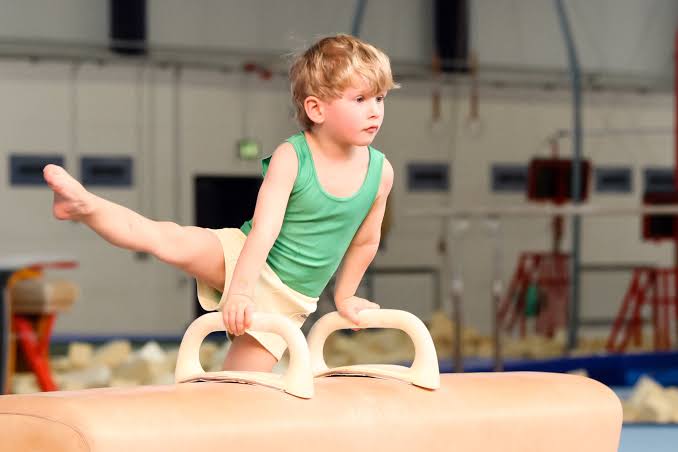
Most parents don’t plan to become gymnastics converts. They sign up half-expecting a disaster a crying child, an expensive leotard worn exactly once, a Saturday morning that would have been better spent at the park.
And then something happens on that mat. The kid who refused to participate in swimming lessons for six straight weeks suddenly can’t stop talking about the foam pit. The toddler who melts down over getting dressed sprints through the door of the gymnastics hall like she owns the place. Parents who showed up skeptical drive home quietly wondering why they didn’t start sooner.
If you’re weighing up whether gymnastics is right for your toddler, here’s an honest look at what it actually involves and why so many families end up staying far longer than they expected.
What Toddler Gymnastics Actually Looks Like
Let’s get the most common misconception out of the way first. Toddler gymnastics has nothing to do with competitive training, rigid technique, or tiny athletes performing flips on command. Classes for this age group – typically 18 months to 4 years – are structured play sessions, full stop.
A typical class moves through log rolls down a foam wedge, walking a low balance beam, swinging from a toddler-height bar, navigating an obstacle course at whatever pace the child chooses, and finishing with a jump into the foam pit that most kids spend the rest of the week thinking about. There’s music. There’s movement. There’s a coach who genuinely celebrates the sideways roll, because they the child rolled.
No pressure to perform. No grades. No child standing on the sidelines feeling like they got it wrong.
Most toddler gymnastics programs run around 45 minutes, with parent participation built in for the younger age groups. Parents aren’t watching from the waiting room; they’re on the mat, which turns the whole thing into less of a class and more of a shared adventure.
The Benefits Run Deeper Than Flexibility
Gymnastics has a reputation for being about making kids bendy. What it’s actually building, especially at the toddler stage, is something far more fundamental: body awareness.
When a two-year-old learns to roll forward without clunking their head on the mat, they’re developing proprioception, the brain’s ability to understand where the body is in space. When they walk across a four-inch beam, they’re training the vestibular system responsible for balance and coordination. When they hang from a low bar with everything they’ve got, they’re building the grip strength and core stability that will eventually help them hold a pencil, carry a school bag, and sit upright in a classroom without sliding off the chair.
None of it feels like work to them. It feels like the best morning they’ve had all week.
The social benefits arrive quietly but consistently. Toddlers in gymnastics classes learn to wait for the beam, cheer when another child lands their jump, and follow a two-step instruction from someone who isn’t their parent. For many children, it’s one of their first experiences of operating in a structured group setting. Parents regularly report that their child came home from an early class and started “coaching” their stuffed animals through an imaginary obstacle course. The concepts genuinely stick.
When Is the Right Time to Start?
Earlier than most parents assume.
Many programs welcome children from 18 months, with a parent participating alongside them on the mat. At that age, the goal isn’t instruction it’s exploration. Getting comfortable with the equipment. Experiencing different heights and textures. Moving in ways that feel new and interesting. Nobody expects a 20-month-old to follow directions. The bar is low and intentionally so.
Between two and three, most toddlers develop enough to start picking up basic cues from a coach, so classes gain a little more structure while remaining entirely play-based. Around three and a half to four, many children are ready for independent classes with no parent on the mat, just the child, the coach, and the foam pit.
There’s no single right age. The better signal is the child who is already climbing everything, jumping off things they shouldn’t be jumping off, and rolling across the living room floor without any instruction at all. That child is probably ready.
What to Look for When Choosing a Program
Quality varies considerably at the toddler level. These are the factors that actually matter:
Coach-to-child ratio. Small groups are non-negotiable for very young children. A ratio of around one coach to five or six toddlers allows for proper supervision and the kind of individual attention that makes a real difference. Much higher than that, and the safety margin starts to shrink.
Equipment built for small bodies. Low beams, soft landing mats, bars at the appropriate height, and a foam pit that isn’t intimidating. A facility designed with toddlers in mind looks noticeably different from one built for older recreational gymnasts, and the difference is immediately visible.
A play-first philosophy. If a program’s description reads more like a training curriculum than a play session for this age group, that’s worth paying attention to. Toddlers learn through play, not drill, and a good coach structures the entire class around that reality rather than working against it.
Patience for the cautious child. Some toddlers walk in and throw themselves into the foam pit on day one. Others observe quietly for two or three sessions before they feel ready to participate. A good program treats both as completely normal and never makes a child or a parent feel like they’re falling behind.
A Few Things Worth Knowing Before the First Class
Spare clothes are not optional. Foam pits are inexplicably sweaty, and gymnastics sessions generate a remarkable quantity of both effort and mess. Pack accordingly.
The child who watches the entire first class from a safe distance is not behind. They’re processing. Most of those children are the ones diving in headfirst by week three.
Between sessions, keep the momentum going at home. Forward rolls on the carpet, basic balancing games, and watching short gymnastics clips together—these small things keep the enthusiasm alive and make the next class feel like a reunion rather than a cold start.
And perhaps most importantly, release any expectations that snuck in through the door. Toddler gymnastics is not about producing athletes. It’s about giving small children a safe space to discover what their bodies can do, with trained coaches cheering every attempt and soft mats waiting at every landing.
The families who show up doubtful and stay for years aren’t outliers. They’re just the ones who got there and saw it for themselves.
