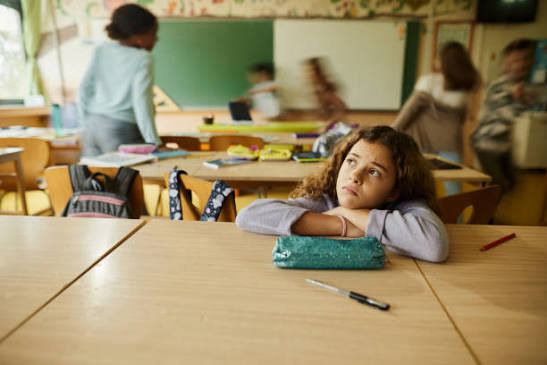
School friendships can strongly influence how children experience everyday life. Yet making friends doesn’t come naturally to every child. A recent UK News report noted that one in four children feels excluded because they struggle to make friends.
Feeling left out can affect confidence, participation, and a child’s willingness to engage with classmates. Parents may naturally want to ask what happened and quickly solve the problem. However, children often need time before they’re ready to discuss difficult experiences.
Here are some practical ways to help children manage exclusion and build healthier social connections.
Give Your Child Time and Space to Build Friendships
Avoid asking your child a long list of questions as soon as they get home. Too much questioning can feel overwhelming when they’re upset or tired. Instead, give them time to settle down and connect with them through everyday activities.
Talk about dinner, a favorite show, or a hobby before gently inviting them to discuss school. When they’re ready, use open questions and let them decide how much to share.
Parents can also create comfortable opportunities for friendship through playdates, clubs, sports, and shared hobbies.
The Child Mind Institute recommends supervised playdates, while Mary Rooney, PhD, suggests preparing children to be considerate hosts and notice whether their friends are enjoying themselves. Structured activities can make socializing easier, especially for shy children. Make sure to avoid forcing friendships and let connections develop naturally.
Practice Social Skills Through Everyday Situations
Some children want friends but aren’t sure how to approach other children. They may struggle to join a game, start a conversation, or handle disagreements. Parents can practice these situations through simple role-playing. For example, ask your child what they could say if two classmates were already playing a game.
Social scripts can help children rehearse everyday conversations before facing them at school. Parents can also model listening, sharing, taking turns, and responding politely.
This practice may be especially useful after disruptions to children’s social development. Gallup reported that 45% of parents of school-age children believed the pandemic had negatively impacted their child’s social-skill development. Among all parents surveyed, 42% also reported a negative impact on their child’s mental health.
These findings don’t mean every child needs formal intervention. They do show why regular opportunities to practice social interaction can matter.
Build Confidence and Know When to Seek Support
A child’s confidence shouldn’t rest on their place within a school friendship group. Encourage music, sports, art, or community activities where they can build skills and feel a sense of belonging.
But what if they continue struggling? Persistent withdrawal, anxiety, or school avoidance may signal a need for extra support. This is especially relevant when 52% of public schools struggled to effectively provide mental health services.
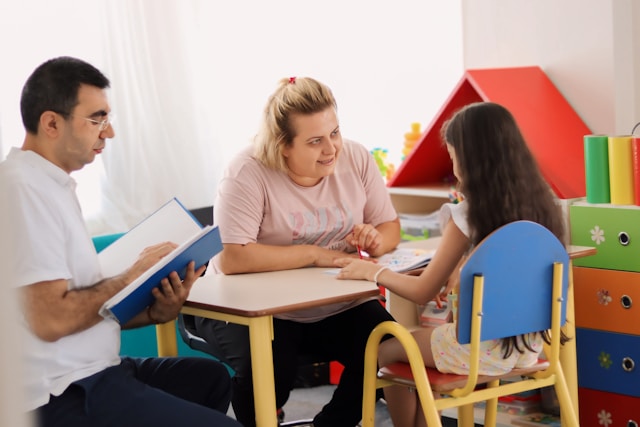
Psychologists can help, but social workers can offer another valuable perspective. The Conversation article explains that social workers can assess a child’s needs alongside the wider family’s circumstances. This can reveal household factors affecting a child’s well-being.
Many professionals in this field earn an online social work master’s degree, which provides advanced training in family support, child development, and community services.
According to Cleveland State University, the course explores human behavior theories and their role in social work practice. It prepares professionals to work with individuals, families, groups, communities, and organizations through a flexible online format.
Help Your Child Handle Rejection
Being left out once doesn’t mean your child will always struggle socially. Still, children can take rejection personally and assume something is wrong with them. Parents can help them separate one disappointing experience from their overall self-worth.
Talk about rejection as something that happens to everyone. A classmate may say no to a game because they already have plans or want to spend time with someone else. That doesn’t necessarily mean they dislike your child.
You can also help your child think about what they can do next. They might approach another classmate, suggest a different activity, or spend time doing something they enjoy independently.
Avoid telling children to ignore rejection simply. Instead, acknowledge that it hurts, and show them that one uncomfortable interaction doesn’t have to define their entire school experience.
FAQs
Why does my child struggle to make friends?
Children may struggle because of shyness, anxiety, limited social skills, or changing friendships. Some may also find it difficult to understand social cues or approach unfamiliar peers. These factors can make forming friendships more challenging.
Can being left out affect a child’s mental health?
Yes, repeated exclusion can affect a child’s confidence and emotional well-being. Children may experience anxiety, sadness, withdrawal, or reluctance to attend school. The effects can vary depending on the child’s circumstances and the duration of the exclusion.
When should I seek professional help for my child’s social problems?
Professional help may be appropriate when social difficulties persist or cause noticeable changes in behavior. Warning signs can include ongoing withdrawal, anxiety, school avoidance, sleep problems, or losing interest in activities they previously enjoyed.
Children’s Social Challenges
| 1 in 4 children | Children who feel excluded because they struggle to make friends |
| 45% of parents | Reported that the pandemic negatively affected their child’s social-skill development |
| 42% of parents | Reported a negative impact of the pandemic on their child’s mental health |
| 52% of public schools | Struggled to effectively provide mental health services to students |
Helping a child navigate social difficulties starts with patience and understanding. Give them space to talk without pressuring them to explain everything immediately. Create opportunities to meet others and practice social skills. Clubs, hobbies, and activities outside school can help children gain confidence.
Withdrawal, anxiety, or behavioral changes deserve attention. Teachers, psychologists, and social workers can offer guidance when extra support is needed.
Most importantly, remind children that being excluded doesn’t define their worth. With encouragement and safe opportunities to connect, they can rebuild confidence and form meaningful friendships.
