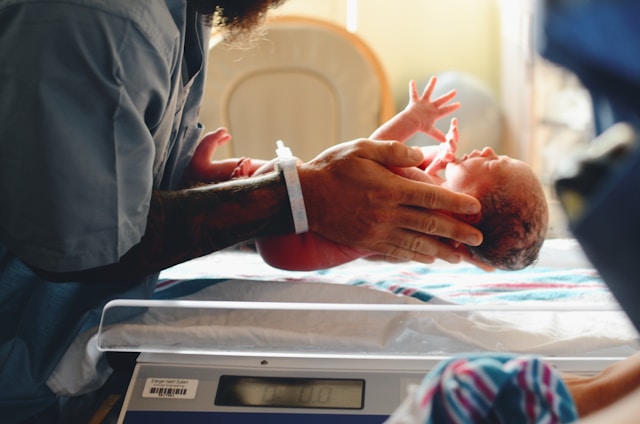
The number of babies in the U.S. admitted to a neonatal intensive care unit has been on the rise. According to the American Hospital Association, in 2023, almost 1 in 10 infants were found in a neonatal intensive care unit. It marked a 13% rise since 2016. The rates increased from 12.5% in 2016 to 13.6% in 2023. For parents, these numbers signify a mix of hope and fear.
Bringing your baby home after a NICU stay can feel exciting, emotional, and overwhelming all at once. After weeks of depending on medical staff, getting back into the swing of things at home can feel a bit strange.
With time, preparation, and patience, you can gradually build confidence in caring for your baby at home. This article explores ways to boost your confidence when bringing a baby home from the NICU.
Prepare Yourself for the Transition From NICU to Home
A ScienceDirect study highlights that parents who go through preterm birth often face a mix of internal and external stressors. It can result in challenging interactions with their infants, difficulties in bonding, and skewed perceptions of their child.
You may wonder whether you are ready to manage your baby’s needs without the constant support of hospital staff. Consider giving yourself time to adjust, and do not expect yourself to feel completely confident immediately. Each day at home can help you become more comfortable with your baby’s routine and needs.
Before discharge, ask the NICU team to review your baby’s complete care routine with you. Learn how to manage feeding schedules, medications, sleep routines, and any special equipment your baby may need. You can also practice important tasks while you are still at the hospital.

Know When to Seek Help
Knowing when to seek help can make you feel more confident while caring for your NICU baby at home. Know the warning signs that require prompt medical attention, as advised by your healthcare team. Keep track of feeding, sleep, diaper changes, temperature, and any other changes your baby’s provider recommends monitoring.
Do not hesitate to call your baby’s healthcare provider when something feels wrong, or you feel unsure. A nurse can often be a more accessible source for questions and guidance between appointments. Many registered nurses enhance their skills through advanced education, including programs like pediatric MSN programs.
According to Spring Arbor University, working professionals can pursue these programs online to further their careers. These programs prepare nurses for expanded clinical roles and patient care responsibilities. Parents can trust them for the right guidance because they have the expertise required for preemie care.
Give Yourself Time to Adjust to Life
Bringing your NICU baby home can fill your heart with joy while also bringing unexpected anxiety. A neonatal intensive care unit (NICU) baby is quite different from one who arrives at 24 or 36 weeks. “Premature babies may require complex medical care both in the NICU and at home,” explains NICU nurse Cheryl Bird, RN, BSN, in Parents.
Adjusting to life after the NICU takes time, so avoid putting pressure on yourself. Let trusted family members or close friends help with practical tasks when you need support. Permit yourself to experience both emotions without judging yourself.
Try to focus on your baby’s individual progress instead of comparing them with full-term babies. Celebrate small milestones, whether your baby feeds well, sleeps comfortably, or responds to you. Moreover, give yourself grace as you learn, adapt, and gradually build confidence.
Build Confidence by Practicing Your Baby’s Care
The HSE notes that transitioning from the hospital to home is a significant milestone for both you and your little one. It may take some time, but you’ll gradually pick up the skills and knowledge you need to care for them.
You can practice feeding, diapering, bathing, and administering medications for your baby. Familiarizing yourself with these routines before you leave the hospital can make everything feel easier when you’re back at home.
Keep written instructions, medication details, and important contact numbers nearby after bringing your baby home. Having these resources available can help you stay organized during stressful or tiring moments. Focus on learning each routine gradually and trust yourself as you gain more experience caring for your baby.
Frequently Asked Questions
Is it normal to feel anxious about bringing a NICU baby home?
Yes, it is completely normal to feel anxious about bringing your NICU baby home. You may feel excited and worried at the same time. Having a clear care plan and knowing when to contact your healthcare team can make the transition more manageable.
What should I ask the NICU team before bringing my baby home?
Before bringing your baby home, ask about feeding schedules, medications, sleep routines, warning signs, and any special equipment. Be sure to ask whom to connect with if you have questions or see anything unusual after you leave.
How long does it take to feel confident caring for a NICU baby at home?
There is no fixed timeline for feeling confident after bringing your NICU baby home. You may feel comfortable with some routines quickly, while others take longer. Give yourself time to learn your baby’s unique needs, practice daily care, and ask questions when needed.
Key Takeaways
| Key Data Point | Figure/Insight |
| Infants in NICUs, 2023 | 13.6% |
| Infants in NICUs, 2016 | 12.5% |
| Increase since 2016 | 13% |
| Key transition | NICU → home care |
| Important preparation | Feeding, medications, sleep, equipment, and warning signs |
| Confidence-building approach | Practice care routines and seek help when needed |
Bringing your NICU baby home can mark the beginning of a beautiful new chapter. It is natural for this transition to feel different from what you imagined. Try to be patient with yourself as you settle into this new rhythm. Focus on being present, responsive, and loving with your baby. Over time, the unfamiliar moments will become familiar, and you will discover your own confidence along the way.
