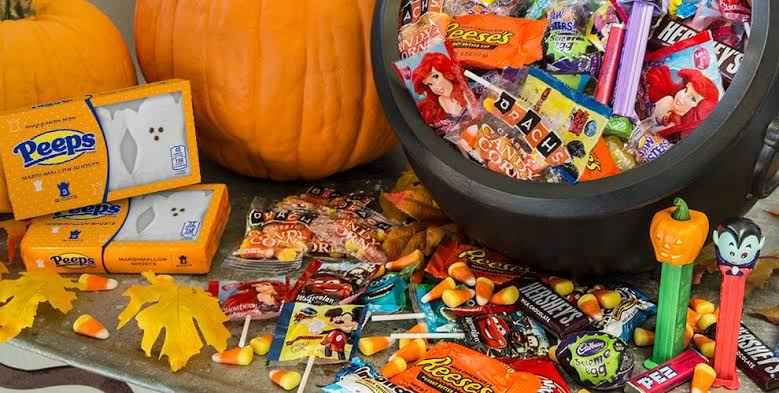
Quick Answer: The safest Halloween candy for toddlers (ages 1 to 3) includes soft, melt-away milk chocolates, peanut butter cups, and soft baked wafers that dissolve quickly without requiring molar grinding. Avoid hard candies, lollipops, gummies, taffy, popcorn, and whole nuts, as these are top choking hazards for young children with narrow airways. Always inspect wrappers, enforce a “sit while eating” rule, and opt for allergy-safe or non-food treats like glow sticks and stickers whenever possible.
Halloween brings celebration to the community; it comes with festive costumes and buckets that are full of chocolate. However, for parents of young children like toddlers, sorting the bucket of tricks and treats can feel overwhelming. Toddlers are still in the development stage, but they love to take part in Halloween festivities, as it includes lots of candies; however, their anatomical structure and chewing and digestive systems cannot be good for all types of candies that they get on Halloween.
This guide is completely based on candy for toddlers, which includes physical development risks, age-to-age safety, choking prevention, and a complete analysis of famous US and UK chocolate and candy brands according to age suitability.

Pediatric Anatomy & The Physical Risks of Halloween Candy
Understanding why some candies are unsafe for toddlers needs a brief look at early childhood physical development.
1. Oral Mechanics and Dentition
Toddlers don’t develop a complete set of all main molars until they turn 24 to 30 months of age. Molars are important when it comes to grinding the sticky and fibrous food. Front teeth are made for biting the pieces, not pulverising them. When toddlers bite too hard or chew candy with full force, they often attempt to swallow large and ungrounded fragments.
2. Airway Diameter and Reflexes
A toddler’s windpipe is approximately 8 to 10 millimeters wide, which is near to a standard drinking straw. The smooth, round, and pliable items can slide back on the mouth before a kid is done chewing, creating an airtight seal over the airway entrance. Additionally, toddlers have fewer coordinated swallowing reflexes, which make them vulnerable when distracted, laughing, or moving while eating.
3. Metabolic Sensitivity and Dental Enamel
When a toddler eats many sugary items like candies on an empty stomach, rapid blood sugar spikes take plplace. ese spikes come through crashes that result in irritation, tantrums and sleep disturbance. Many candies are bad for the oral health of toddlers because the primary tooth enamel is thinner than adult enamel. When kids eat sticky candies, it makes a perfect environment for bacteria, leading to enamel-eroding acids.
Comprehensive Age-by-Age Safety Matrix
To make the Halloween festival the best by sorting trick-or-treat, you can use this master chart to understand what is safe for your toddler according to the age.
| Age Group | Physical Capabilities | Safe Treat Categories | Critical High-Risk Hazards | Daily Added Sugar Cap | Primary Safety Strategy |
|---|---|---|---|---|---|
| 0–12 Months | Gums only or early incisors; no grinding molars. | Non-food items, soft purees, plain pumpkin bake. | ALL commercial candy, added sugars, small plastic toy parts. | 0 grams | Skip edible loot entirely; focus on costumes and sensory play. |
| 12–24 Months | Incisors present; molars emerging; basic chewing. | Soft melt-away chocolates, yogurt bites, soft biscuits. | Hard drops, gummies, lollipops, caramels, whole nuts, popcorn. | 0 grams (Avoid added sugar) | Trade trick-or-treat bucket at home for safe toddler snacks or toys. |
| 2–3 Years | First molars functional; improved biting precision. | Plain chocolate, soft wafer bars, thin fruit leather. | Taffy, round balls, hard candy, chewing gum, whole nuts, marshmallows. | < 25 grams (~6 tsp) | Enforce strict “sit and eat at the table” rule; zero walking while eating. |
| 4–5 Years | Full set of primary teeth; strong oral coordination. | Most chocolates, soft baked goods, soft chewables. | Jawbreakers, sour hard drops, large gummies, bubble gum, whole nuts. | < 25 grams (~6 tsp) | Inspect wrappers together; teach early self-regulation habits. |
| 6+ Years | Permanent teeth emerging; mature swallowing. | Standard candy selection under supervision. | Hard candies consumed during active running or physical play. | < 25 grams (~6 tsp) | Establish daily limits; enforce strict morning and nighttime brushing routines. |
Deep Dive into Early Developmental Stages
Stage 1: Infants (0 to 12 Months)
Infants have no dietary needs or cognitive desire when we talk about Halloween candy. According to the pediatric guidelines, when you give added sugars to children who are under two years of age, they face issues like choking, uninflated balloons, or coin-sized costume props. When a baby is under 1 year, they can still enjoy Halloween with safety by just wearing Halloween costumes, taking them to the neighborhood, taking photos, and giving them soft sensory items like a textured pumpkin toy or a festive board book.
Stage 2: Early Toddlers (12 to 24 Months)
When toddlers are in this specific age, they notice the older siblings and what treats they get in Halloween, so they also want their own bucket. However, their chewing ability is still limited as compared to old kids. Those candies that need a lot of chewing, like gummy bears, jelly beans, lollipops on sticks, and popcorn, can lead to choking hazards. For this, parents can try swapping. They can let toddlers collect candies, and while the toddlers are asleep at night, parents can exchange the chewy candies for safe, age-appropriate treats or a new toy.
Stage 3: Older Toddlers (2 to 3 Years)
Two- or three-year-olds are independent. They can easily chew soft chocolates, but still the sticky ones can pose risks. Taffy, licorice, hard-shelled coated chocolates, and round chocolate balls can cause choking risk. To avoid such an issue, you can keep the toddler restricted to sitting in a place while eating and never allow them to run, walk, or ride a wagon while eating.
Stage 4: Preschoolers (4 to 5 Years)
At this age kids have better oral coordination and can even follow basic safety rules, but they still need close adult supervision. Candies like Jawbreaker, large gummy, or sour drop can cause sudden gasping and chewing gum. As a parent, you can turn these treats into an educational activity. Sit with your kids and show them how to inspect the package while keeping the hard candy on the other side for adults.
Popular US & UK Brand Breakdown by Age Group
When you look at the Halloween candies, you need to understand which specific brand is safe for which age of kid. Here is a detailed breakdown handed out across the United States and the United Kingdom.
Suitable for Age 2 to 3 Years (Soft, Meltable Chocolates)
The following brands of chocolates and candies dissolve quickly in the mouth, so they don’t have choking risk; however, you need to go for candies that are nut-free if your toddler has allergies.
| Region | Brand | Safety & Texture Profile |
|---|---|---|
| United States | Hershey’s Milk Chocolate Bars & Kisses | Plain milk chocolate melts rapidly at body temperature, posing low choking risk. Avoid varieties with whole nuts. |
| Reese’s Peanut Butter Cups (Miniatures/Pumpkins) | Soft peanut butter interior paired with thin chocolate breaks down easily without heavy chewing. Check for nut allergies. | |
| Kit Kat Miniatures | Light wafer sheets crumble quickly under minimal force compared to dense or chewy bars. | |
| Milky Way Miniatures | Soft nougat and smooth caramel dissolve readily with standard chewing. | |
| 3 Musketeers Miniatures | Whipped nougat center offers very low resistance and breaks down fast in the mouth. | |
| United Kingdom | Cadbury Dairy Milk Buttons | Small, flat discs melt quickly on the tongue without requiring primary molars. |
| Milkybar (Nestlé) | Soft white chocolate buttons or mini bars dissolve rapidly in the mouth. | |
| Cadbury Fudge Bar | Pliable, soft fudge core that can be easily portioned into small, manageable pieces. | |
| Galaxy Milk Chocolate Minis | Smooth texture allows quick melting, minimizing physical friction during swallowing. | |
| Kinder Chocolate Strips / Kinder Surprise (Without toy) | Mild milk chocolate with a creamy filling, easy for toddlers with emerging teeth to manage. |
High-Risk Brands: Strictly 4 to 5+ Years (Choking & Sticky Hazards)
The following brands are very popular and available in every bucket at the time of Halloween. However, it should not be a part of a toddler bag because they come with choking risks, sticky textures, or hard shells.
| Region | Brand | Specific Hazard & Texture Profile |
|---|---|---|
| United States | M&M’s (Plain & Peanut) | Hard outer shell and small round shape can slip down unchewed; Peanut versions contain whole nuts. |
| Skittles | Small, firm, round, and highly chewy; easily blocks small airways. | |
| Starburst | Dense, sticky fruit chew that adheres to teeth and can obstruct the throat. | |
| Tootsie Rolls & Tootsie Pops | Sticky and hard; lollipops feature rigid sticks that pose physical trauma risks if a child stumbles. | |
| Dum Dums & Jolly Ranchers | Hard candies requiring long sucking; slippery when wet and easily aspirated into the lungs. | |
| Sour Patch Kids & Swedish Fish | Dense gummy textures that resist chewing and can conform tightly to airway walls. | |
| Nerds & Gobstoppers | Tiny, rock-hard pieces that are easily inhaled or swallowed whole. | |
| United Kingdom | Haribo Starmix & Goldbears | Very dense gummies that toddlers cannot break down effectively without primary molars. |
| Smarties (UK Chocolate Lentils) | Crisp outer shell and small round shape present significant swallowing hazards for under-3s. | |
| Chewits, Maoam & Fruit Sweets | Exceptionally sticky candies that mold to airway passages and cling heavily to teeth. | |
| Refreshers & Swizzels Double Lollies | Hard, chalky, or fizzy sweets that snap into sharp, rigid fragments. | |
| Skittles UK & Jelly Babies | Extremely chewy and gelatinous; Jelly Babies are too thick and large for toddlers to swallow safely. |
The Medical Emergency Protocol for Parents
Understanding how to handle a candy that is related to emergencies can provide parents confidence in festive seasons like Halloween.
Recognizing Silent Choking vs. Coughing
If a child is coughing, crying, or speaking, it means their airway isn’t blocked fully. Stay calm, let them cover from coughing, and don’t pat them on the back; it can dislodge more items in the trachea. If a child isn’t crying, coughing, or even speaking properly, and their lips are changing to blue or eyes are in panic, then it means their airway is completely blocked. Take your kid to the doctor.
Choking First Aid for Toddlers (Over 1 Year Old)
Immediately go to the doctor or call 911 if you are in the US and 999 if you are in the UK. Delivering 5 back blows means to stand or kneel behind the child, as it will support the child’s chest with one hand while bending them forward at the waist so the choking object can exit the mouth. Deliver 5 firm blows on the shoulder blades using the heel of your free hand.
Deliver 5 Abdominal Thrusts: if the item is still lodged, then you can place the arms around the child’s waist. Make a fist with one hand by placing it above the navel, grasp the first fist of yours with the other hand, and do 5 quick upward thrusts into their abdomen.
Repeat until there is a clear swap between both techniques until the object is dislodged or the child is unresponsive, which means they need CPR lower than to the floor.
Food Allergies, Labeling Laws, and Teal Pumpkins
Managing Halloween treats as a parent of toddlers requires more than just checking the candy for choking. Food allergies are also a main concern during trick-or-treating.
1. Miniatures and Cross-Contamination
The fun size or popular mini Halloween treats are made on different product lines or even in different facilities as compared to full-sized counterparts. Always read the labels to see whether the miniature bars are different from the full-sized ones. Never assume the mini version is completely safe because it is small in size. Discard any candy whose packet is already compromised or it doesn’t have any ingredient levels.
2. The Teal Pumpkin Project
The Teal Punjabi project is a worldwide campaign made to make trick-or-treating safe for kids who have food allergies or any medical conditions. You can place a teal-painted pumpkin at the front of your home so the household offers non-food treats like glow sticks, stickers, bubbles, or small toys. You can also participate in this campaign by adding a teal pumpkin to your door and also keep a separate bowl of non-food treats ready for young trick-or-treaters.
Dental Health & Sugar Management Strategies
An influx of candy doesn’t result in cavities or severe sugar crashes; you can use these dentist-approved strategies to protect a toddler’s teeth.
1. The Chemistry of Sugar and Tooth Decay
Sugar itself doesn’t cause cavities, but the acid produced by oral bacteria that feed on sugar does. Sticky Halloween treats like gummies, caramels, and dried fruit wedges go into toddler molars, where they stay for many hours. You can give them plain milk chocolate because they melt easily and wash away with saliva. If a toddler is eating five mini chocolates all at once during a meal, it exposes teeth to a single acid strike. Those 5 chocolates will give 5 separate acid attacks, which lead to cavities.
2. Actionable Dental Safety Protocol
You can offer a kid a small Halloween chocolate immediately after a dinner; this will increase the production of saliva during meals and also help the food particles to wash away easily. Let your toddler drink a full cup of plain water after this treat to clear the remaining particles of sugar from teeth. Before going to sleep, let them brush their teeth so that there is no sugar in any part of the teeth. Use a smear of fluoride toothpaste.
Creative Ways to Manage the Halloween Haul
You can smoothly manage the toddlers’ candy intake during the festive season without being forceful or letting them cry. Use the following techniques.
| Strategy | How It Works | Key Benefit |
|---|---|---|
| The “Switch Witch” Swap | Toddler trades their sorted candy bucket overnight for a desired toy, game, or book. | Turns giving up candy into a fun celebration instead of a loss. |
| Daily Ration Container | Place 5–7 safe treats in a special container; child picks one treat per day after dinner. | Builds early patience and self-regulation within clear limits. |
| Out of Sight, Out of Mind | Store leftover candy in a high, hidden cabinet right after Halloween night. | Prevents constant begging by removing visual cues. |
Non-Food Treat Alternatives for Toddlers
If you are so worried about cavities or certain food allergies, then it’s better to switch to non-food alternatives to make sure the infants, toddlers, and children can easily and comfortably enjoy the Halloween traditions.
- Sensory Play Items: You can give kids a mini tub of play dough, festive slimes, and small squishy toys.
- Creative Stationers: If your kids are into stationery, then give them Halloween stickers, stamps, mini coloring booklets, and pumpkin crayons.
- Wearable Toys: If they love wearing things, then give them glow-in-the-dark bracelets, slap bracelets, wash-off tattoos, and vampire fangs.
- Active Play Goods: If your kids are under 4 years old, then give them small bubble bottles, bouncy balls, and plastic finger puppets.
Parent Checklist for Halloween Night
Run through this quick safety checklist before stepping out to trick-or-treat:
| Timeframe | Action Item | Safety Purpose |
|---|---|---|
| Before Leaving | Serve a Nutritious Dinner | Prevents hunger-driven snacking on uninspected treats during trick-or-treating. |
| During Trick-or-Treating | Enforce “No Eating on the Go” | Eliminates choking hazards caused by eating while walking, running, or riding in wagons. |
| Upon Returning Home | Inspect Every Package | Ensures wrappers are intact with no tears, pinholes, or unsealed edges. |
| Sorting the Stash | Separate by Age & Texture | Discards hard, round, or sticky candies while keeping soft, meltable options for toddlers. |
| Before Bedtime | Thorough Tooth Brushing | Removes lingering sugars and acids to protect primary tooth enamel from decay. |
By taking the following approach, you can make Halloween a fully fun festival with lots of memories and amazing experiences for toddlers while keeping safety as first on the list.
Homemade Halloween treats for kids
If you prefer homemade Halloween treats for your kids like me, then I have 3 amazing recipes for your toddlers that are safe for the teeth as well as for emerging chewing skills.
1. Festive “Ghost” Banana Pops
These are soft and cool pops made from main ingredients like bananas and yogurt, very easy to chew and digest for small kids.
Ingredients
- 2 ripe, firm bananas
- ½ cup full-fat yogurt
- 8 mini dark chocolate chips
- 4 sturdy, child-safe silicone or wooden craft sticks
Instructions
- First peel the bananas, then cut them in half crosswise, and insert a stick into the cut end of each half.
- Dip all bananas half into the Greek yogurt.
- Then add the yogurt-coated bananas to a baking sheet.
- Add just two small chocolate chips as eyes of ghost on banana.
- Lastly, let the banana freeze for 2 hours before serving.
2. “Monster” Avocado & Pumpkin Hummus Dip
This one is a fully nutritious savory dip that works best for toddlers for dipping to keep the digestion smooth and energy stable.
Ingredients
- 1 cup canned plain pumpkin puree (zero sugar)
- 1 ripe avocado
- 1 can (15 oz) low-sodium chickpeas.
- 1 tbsp olive oil
- ½ tsp ground cumin
- For Dipping: Soft-baked pita pockets, which can be cut into triangles, or steamed carrot coins.
Instructions
- First add all items like pumpkin puree, avocado, rinsed chickpeas, olive oil, and cumin in a blender and blend properly till no lumps are left.
- Spoon the bright green-orange mixture into a shallow bowl.
- Use a spoon of plain yogurt to make a ghostly swirl or spiderweb pattern across the top as a Halloween theme.
- Give it to kids with some soft pita pieces.
3. Mini Pumpkin & Oat Spiced Muffins
This one is sweet with applesauce and pumpkin naturally; these soft muffins contain zero refined sugar and crumble easily in toddlers’ hands.
Ingredients
- 1 cup rolled oats
- ½ cup plain pumpkin puree
- ½ cup unsweetened applesauce
- 1 ripe banana, mashed
- 1 egg
- ½ tsp Ceylon cinnamon
½ tsp baking powder
Instructions
- First preheat the oven at 350°F (175°C) and line a mini muffin tin with a paper liner. Take a bowl, add mashed banana, and mix it with pumpkin puree, applesauce, and egg. Combine everything properly.
- Stir in the oat flour, cinnamon, and baking powder to make a thick cake-like batter.
- Take a spoonful of batter and add it evenly in all muffin cups, filling each to three-quarters full.
- Lastly, bake the mini muffins for 18 minutes or more until your toothpick goes and comes out smoothly from the center. Let the muffins cool before you give them to toddlers.
Government Refrences and Sources
- U.S. Food and Drug Administration (FDA) Candy Safety Tips — Official federal consumer guidance on inspecting collected treats, avoiding choking hazards, and discarding unwrapped or tampered items.
- Centers for Disease Control and Prevention (CDC) Healthy Halloween Guide — Public health recommendations highlighting choking hazard prevention for young children, sorting hard or sticky candies, and managing food allergies.
- U.S. Consumer Product Safety Commission (CPSC) Holiday Safety — Federal safety agency advice covering safe treat consumption practices and age-appropriate food choices for toddlers.
