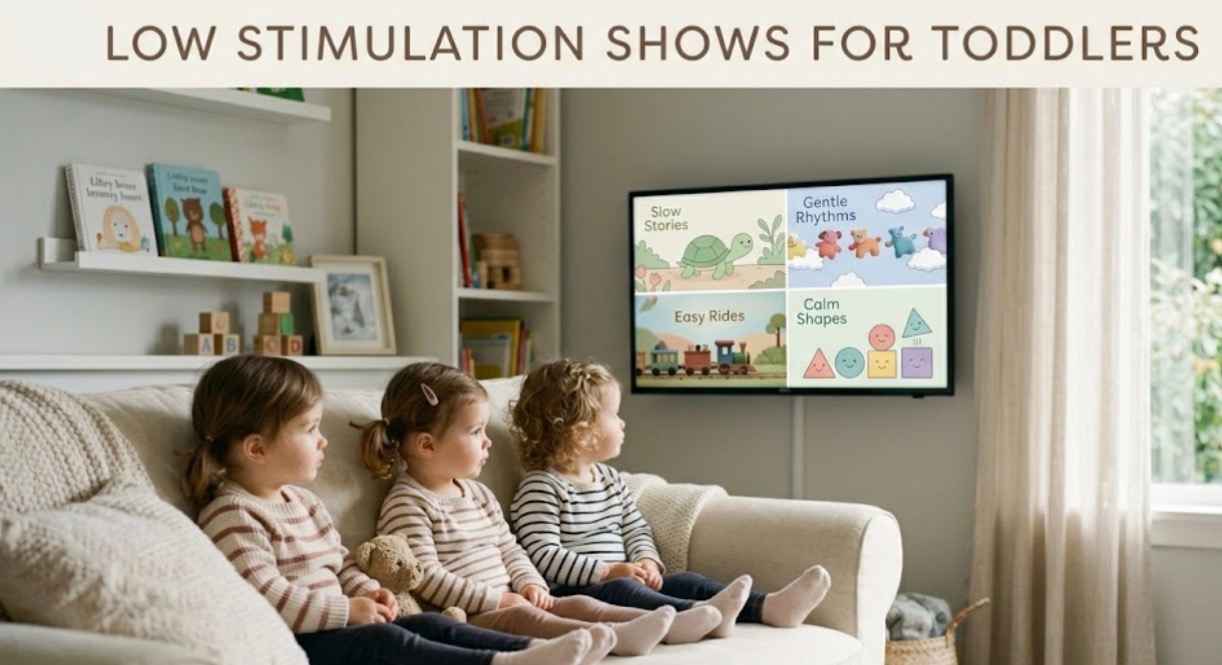
Quick answer: Low-stimulation shows for toddlers are specially designed to match the natural processing speed of a developing brain. In these shows the camera angles and scene cuts are held for 5 to 10+ seconds. The colors are organic, earthy tones or pastels. Shows feature natural speech cadences and acoustic music instead of high noises. All the storylines focus on simple, everyday activities instead of fast or high fantasy ones.
If you happen to switch off the children’s cartoon show while they are watching and the reaction is that they cry loudly, then you are not alone. Do not think of it as a behavior problem, as it is just the neurological response. For many years children’s cartoons have been changing and improving. Many cartoon shows are in a race to capture short attention spans; studios have accelerated the pace of toddler programming to an unprecedented velocity.
Nowadays cartoon shows are based on neon colors, high sounds, and hyper-frequent camera cuts. While these cartoon shows keep the child’s eyes engaged for long on screen, they force their fragile sensory systems into severe overdrive. When you turn off the cartoon show, a sudden drop of dopamine takes place, and that’s why a child reacts with crying as a physiological response.
However, this is not the solution; it will force your child to watch more. The only thing you can do is shift your family’s media consumption to low stimulation shows for toddlers; you can use the screen time for actual relaxation, learning, and quiet wind-down periods.
In this detailed guide we will look completely at the clinical science behind toddler overstimulation and list the best television alternatives available in the platforms that are used by every household nowadays and provide an actionable blueprint for a tantrum-free screen transition.
The Science of Toddler Overstimulation: Why Modern Cartoons Trigger Meltdowns
To understand why low stimulation shows work for early childhood development, as a parent, you need to look at how a toddler brain takes the sensory data. When a child is between 1 and 3 years of age, the brain starts forming millions of neural connections in a single second. This development phase makes toddlers extra sensitive to the surrounding environments.
Many mainstream children’s programs are built on hyper-stimulating formulas designed to get the attention of kids. These formulas are defined by three distinct triggers:
1. Rapid Camera Cuts (The Frame Rate Trap)
In an average adult movie the camera scene can change in 3 to 4 seconds. You may be shocked to hear the viral modern toddler shows have a visual cut every 1.5 to 2 seconds. When a scene changes that quickly, a small toddler brain can’t process the context of the images. They follow a survival mechanism, meaning they force the eyes to look at the quick visual changes, keeping their nervous system trapped in a low-grade, sympathetic “fight or flight” state.
2. Hyper-Saturated Chromatic Palettes
Many cartoon shows have bright, flashing neon tones and high primary colors, which can keep children’s eyes engaged for long; however, these color inputs overwork the visual cortex. The low-stimulation programming rejects the neon color palette and uses organic watercolors, earthy tones, muted pastels, and stop-motion textures that resemble the real world.
3. Auditory Density and Chaos
When you listen to a standard modern cartoon without looking at it, you may hear high-pitched voices, abrupt sound effects, and frantic background music.
This high-level sound doesn’t leave room for language processing. Low-stimulation shows have calm voices. gentle acoustic instrumentation, and purposeful moments of silence.
Direct Comparison: Low-Stimulation vs. High-Stimulation TV
Before picking a cartoon show, you need to understand the difference between both low and high stimulation side by side. Just have a quick look at the following comparison chart.
| Feature | Low-Stimulation Programming | High-Stimulation Programming |
|---|---|---|
| Scene Cuts / Frame Rate | Holds a single shot for 5 to 10+ seconds. | Changes camera angles every 1 to 2 seconds. |
| Visual Style | Muted pastels, watercolors, and real nature backgrounds. | High-contrast, flashing neon, intense digital saturation. |
| Audio Landscape | Acoustic instruments, soft narration, long pauses. | Artificial synths, constant sound effects, loud dialogue. |
| Narrative Flow | Simple, linear, real-world everyday tasks. | High-stakes fantasy, manic action, non-linear chaotic plots. |
| Post-Watch Behavior | Calm transition to independent, imaginative play. | Irritability, hyperactivity, and extreme emotional meltdowns. |
The 10 Best Low-Stimulation Shows for Toddlers (Categorized for Parents)
The main problem with general kids’ TV lists is they have shows for all ages, so a show that is specially designed for a 6-year-old kid can easily overwhelm a 15-month-old. Here are some good show selections, especially for toddlers from the age of 1 to 3, as follows:
Category A: Best for Evening Wind-Down and Bedtime Preparation
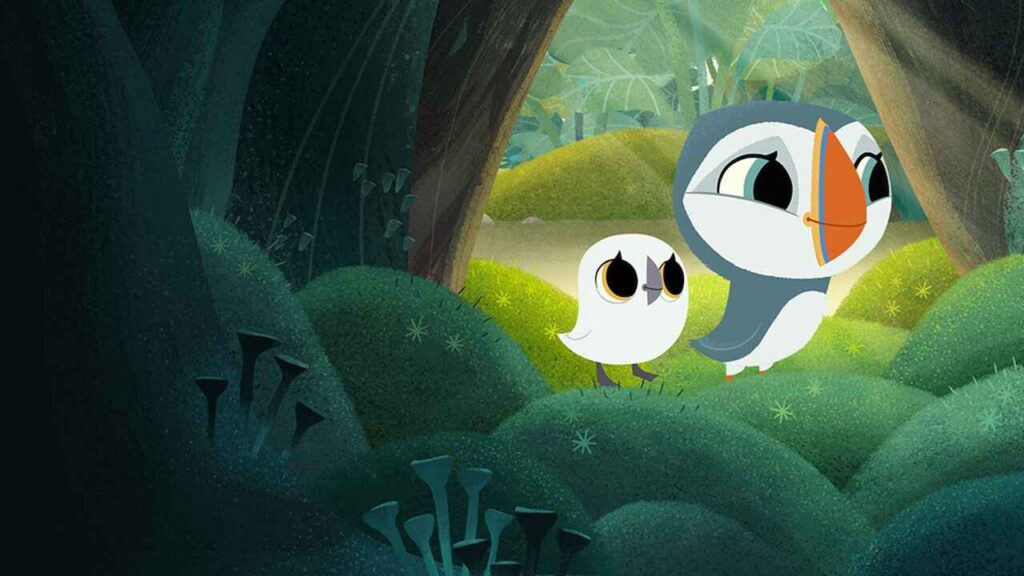
1. Puffin Rock
You can easily find this show on Netflix, perfect for the kids who are 18 months and up in age.
Why It Works: It is based on a breathtaking, windswept Irish island, Puffin Rock, where the characters are a young puffin named Oona and her clumsy baby brother, Baba. The show is animated beautifully with hand-painted watercolor backgrounds that are smooth to children’s eyes. The show is narrated by actor Chris O’Dowd. The dialogue is easy to understand because it is in a conversational tone. Every episode is based on simple ecological scenes like tracking the ocean tide or finding a lost shiny pebble, which make it a perfect choice to reduce stress and provide calmness before bedtime.
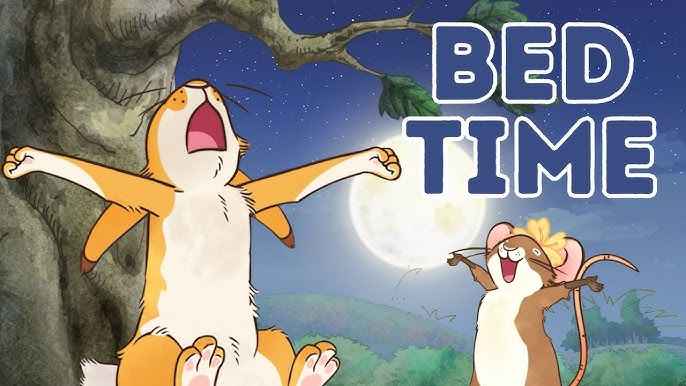
2. Guess How Much I Love You
You can easily find it on Peacock or free on YouTube. It is perfect for toddlers who are 12 months and up.
Why It Works: It is purely based on the iconic children’s picture book by Sam McBratney. The series focuses on the gentle escapades of Little Nutbrown Hare, where he explores pastures, streams, and valleys. They keep the visuals slow intentionally so the series gives the vibe of turning pages of a book. The background has soft acoustic guitars and gentle woodwind sounds, making a perfect scenario for a toddler to relax and sleep peacefully.
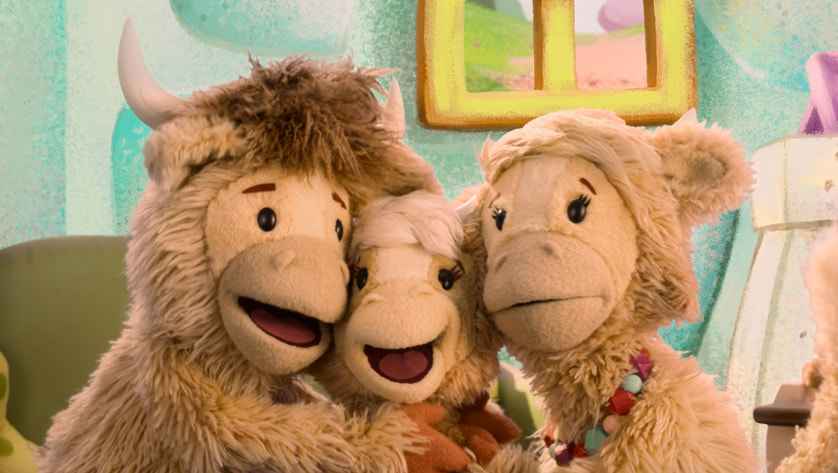
3. Slumberkins
You can easily find this show on Apple TV+, perfect for toddlers aged 2 years and up.
Why It Works: It is created in partnership with the Jim Henson Company. The main focus of the show is to bring emotional-regulation stories to life with the help of craft and physical puppetry. The series helps toddlers who are feeling anxiety, attachment issues, and situational frustration by showing gentle and therapeutic storytelling. The characters in the show move slowly, speak softly, and have a calm, soothing behavior that toddlers can mirror in their evening routine.
Category B: Best for Creative, Real-World Learning
4. Tumble Leaf
You can easily find this show on Amazon Prime Video. Perfect for the toddlers who are 2 years of age and older.
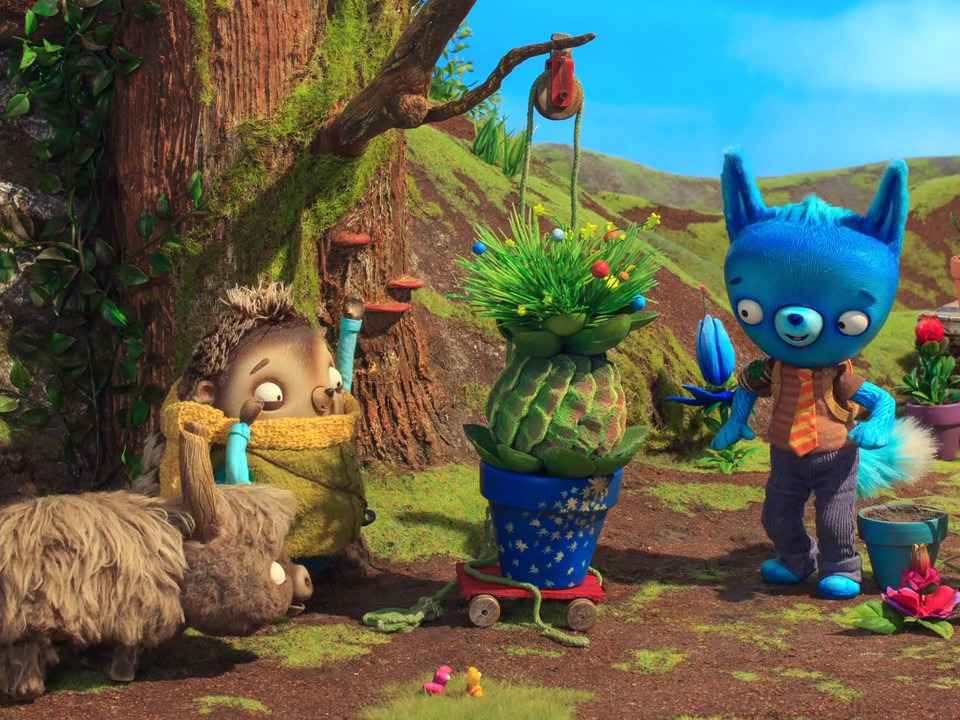
Why It Works: The show is considered a masterpiece of modern children’s television. The show focuses on Fig, a small blue fox who lives in a whimsical shipwrecked boat and discovers a new object every single day in his finding place. Every scene is shot in physical stop-motion animation. The story offers simple scientific mechanics (levers, reflections, wind resistance) through slow, calm, and interesting play that motivates children.
5. Trash Truck
You can easily find this show on Netflix. Perfect for the toddlers who are 18 months and older.
Why It Works: The show is based on a story of Hank, who is a 6-year-old sweet boy and has a friend that is a giant, gentle, non-verbal garbage truck. The show is quiet instead of noisy. Hank and his best friend Truck engaged in new milestones every day, like learning to ride a bicycle, visiting a drive-in movie, or having a backyard campout. The dialogues in the show have gaps of silence so the toddler brain can easily process the conversation, characters’ expressions, and vocabulary.

6. Sarah & Duck
You can easily find this show on Prime Video / Tubi. Perfect for the toddlers who are 2 years of age and older.
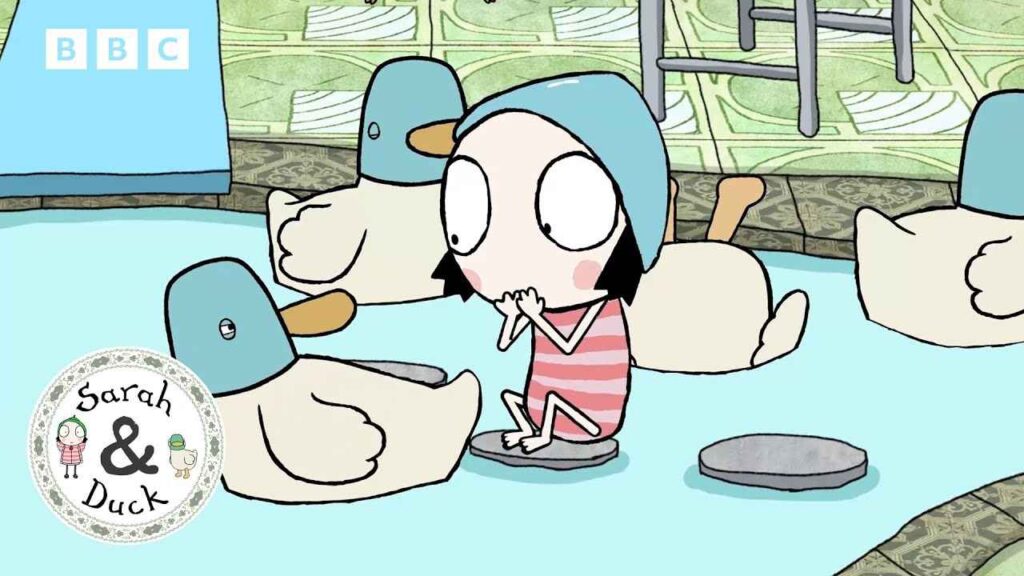
Why It Works: The show is based on a wide-eyed 7-year-old girl, Sarah, and her best friend, Duck. The animation style is based on minimalistic pastel art with whitespace, which completely reduces the neon effect on eyes. The story is based on the girl and duck who do simple tasks like planting seeds or fixing an umbrella. It is a perfect show to keep kids engaged.
Category C: The Gold-Standard Nostalgic Classics
7. Little Bear
You can easily find this show on Paramount+ or free on YouTube. Perfect for the toddlers aged 12 months and up.
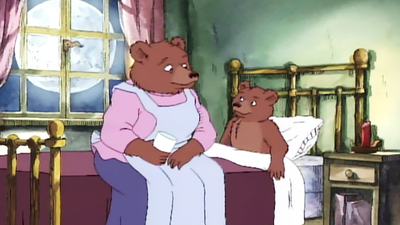
Why It Works: It was produced in the 1990s based on the books illustrated by Maurice Sendak. The show is considered a gold show of low-stimulation children’s television. There are no sudden cuts, flashes, or high sounds in the show. The show focuses on secure, loving relationships between Little Bear, his parents, and his woodland friends. The sound is soft and classic; all the characters talk calmly with patience, respect, and emotional maturity.
8. Mister Rogers’ Neighborhood
You can easily find this show on PBS Kids / Amazon Prime Video. Perfect for toddlers 2 years old and up.
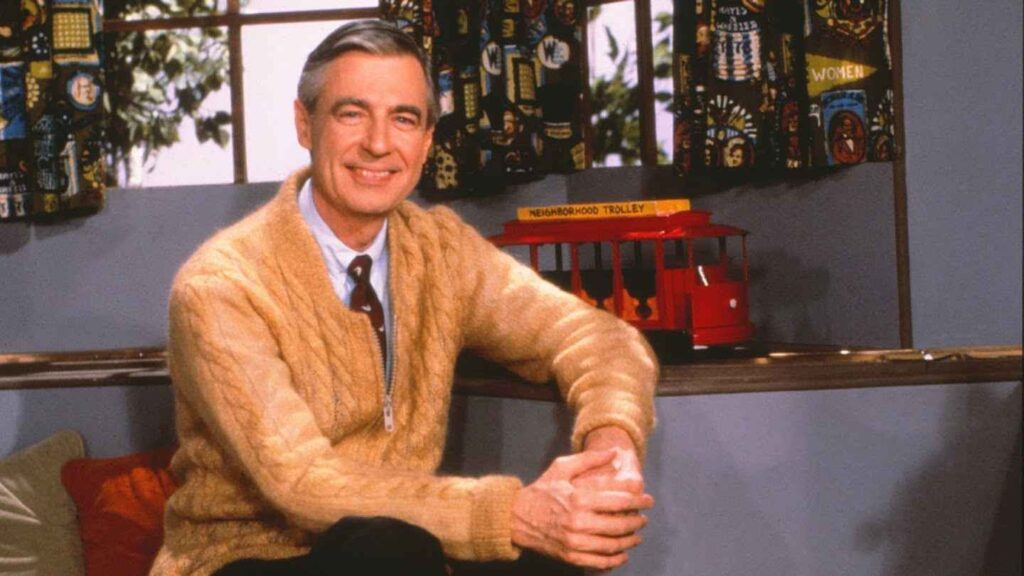
Why It Works: It’s about life realities such as emotions, community, and childhood fears, but in a comfortable format. Mr. Rogers talks so as to interact directly with young viewers, gently and slowly on camera. He gives some seconds of silence intentionally so the toddlers have time to make responses in their minds.
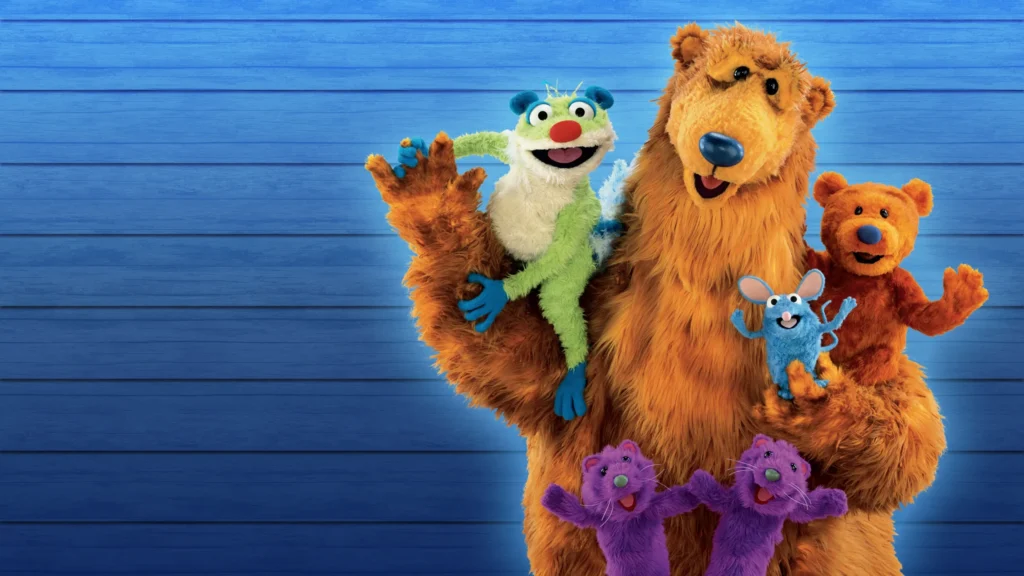
9. Bear in the Big Blue House
You can easily find this show on Disney+. Perfect for the toddlers aged 18 months and up.
Why It Works: The show is focused on a gentle puppet named Bear. All the episodes are based on guiding toddlers by showing a predictable, comforting daily routine inside a cozy house. The character bear has a comforting and deep voice. The show has steady camera movements, practical sets, and a highly structured format, like they show the visit to the moon at the end of every episode, which gives a young viewer safety and a predicted pattern.
Category: D: Safe Speech and Movement Support
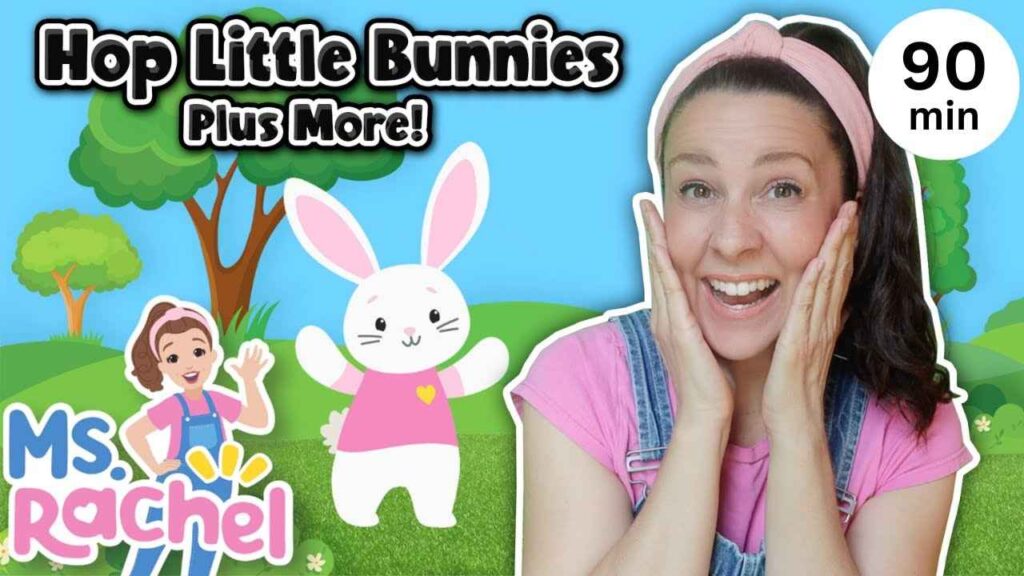
10. Ms. Rachel (Songs for Littles)
You can easily find this show on YouTube. Perfect for the toddlers who are aged 12 months to 3 years.
Why It Works: YouTube is full of hyper-stimulating content, but Ms. Rachel has early-learning videos. It is designed with speech-language pathologists; all the videos use a completely static camera background. There is no distraction or flashy animation in it. Rachel uses the parent speech pattern, close-up mouth placements, and long structural pauses that help toddlers to practice better communication.
What About Bluey? The Nuanced Reality for Toddler Parents
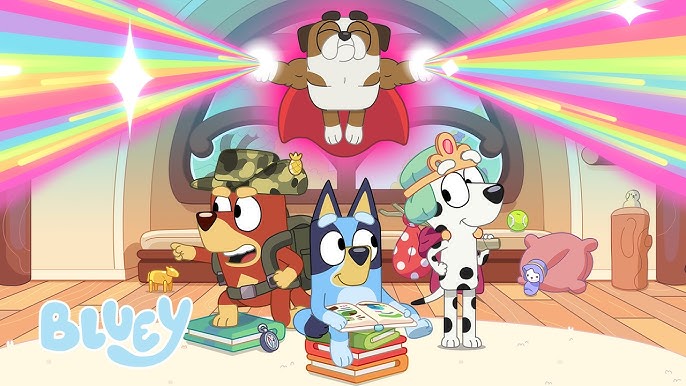
It’s impossible to write a guide on kids’ shows and avoid kids’ most famous one, which is Bluey. It’s very popular among kids and parents; they love its brilliant humor, stellar writing, and amazing lessons on modern parenting. However, if we talk about low-stimulation shows for toddlers who are under age 3, then Bluey isn’t the perfect show to watch because the pacing is very fast. The show is based on high-energy games, dramatic musical sweeps, and rapid-fire dialogue. It is a perfect choice for kids. who are preschoolers and school-aged. If you still want to choose Bluey for toddlers, then let them watch it in the morning instead of at night.
Screen-Time Transitions: The 3-Step “Tantrum Detox” Strategy
Choosing a low-stimulation show for kids is like solving half the problem because the other half is based on managing the transition when the television is turned off. Even when you turn off the television or take back a smartphone when a child is watching it with full focus, it causes a shift in brain state.
However, you can implement this exact procedural routine to stop post-screen meltdowns permanently:
1. Establish a Concrete Contextual Marker
Toddlers don’t have any time-structural concept, so if you say phrases like “You only have 5 minutes left to watch this,” they will ignore it. Give them a physical marker, say, when this episode ends, the TV will turn off and they are going to sleep. Repeat it 2 to 3 times so they understand it.
2. Lower the ambient environment lighting:
A major trigger takes place when the television is off: the sudden change of room environment from a glowing screen to a dark room. So before turning off the television suddenly, just dim the overhead lights in the room or draw the curtains. This will remove the room environment change trigger.
3. Launch an Immediate Bridge Activity:
Never turn off the television and let the toddler stand in the dark room; this will create a sudden vacuum that is quickly filled by a meltdown. Once you turn off the television, say to the toddler, “The TV is going to sleep now,” and give them something else to engage with, like a small cup of milk, a simple wooden puzzle, or opening a physical book. This way their mind will divert easily and they will sleep peacefully.
The High-Stimulation Shows to Avoid (Toddlers)
Many parents search on a daily basis for why the kids are throwing a post-television tantrum; they are looking for validation. Many websites recommend just reducing screen time; however, there are more things you can do, which I personally do as a mother.
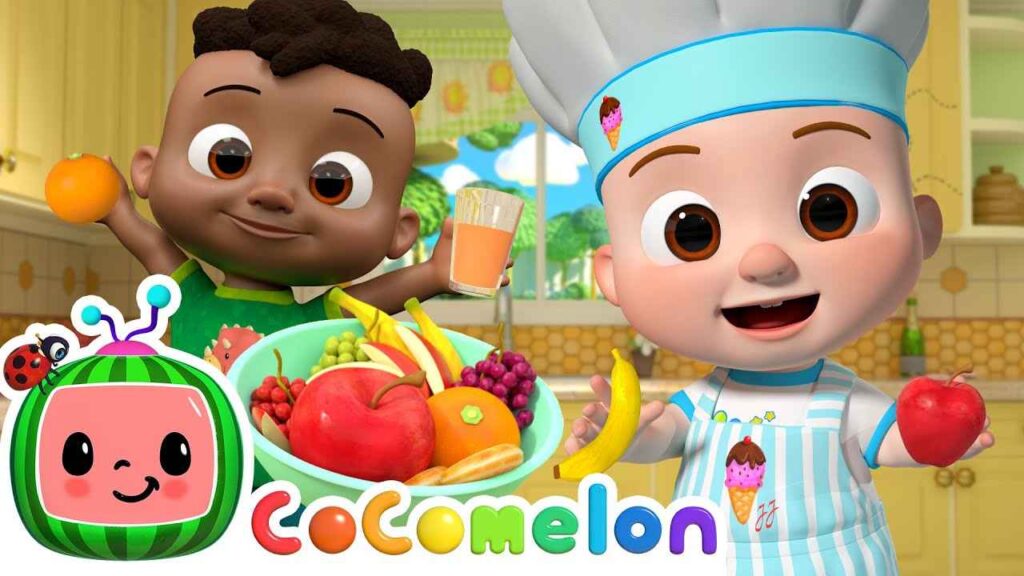
Cocomelon (The Sensory Overload Loop)
While the show has a harmless collection of nursery rhymes, it is still built on an aggressive attention-capture formula. The show has very quick angle changes for 1 to 1.5 seconds. This rapid change won’t allow the child to process what is going on, so they force their eyes to track sudden changes in the environment.
A toddler brain works at the capacity where they can visually track the images. When the scenes change quickly, the brain enters a state of hyper-arousal. They are already processing many scenes at a time, so when a parent turns off the television suddenly, kids get irritated and react.
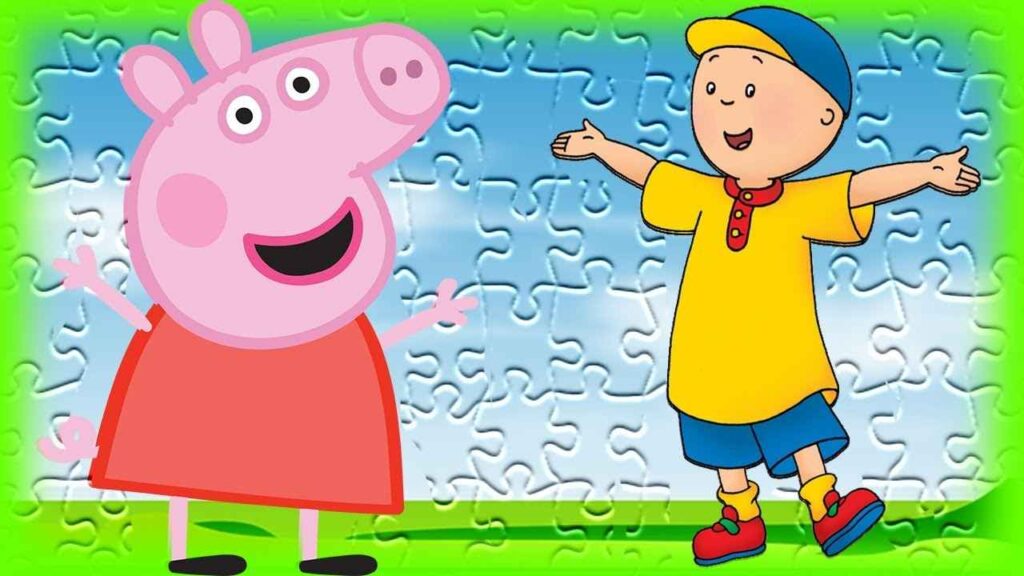
Caillou & Peppa Pig (Social Stress and Vocal Compression)
The issue with these shows is not about visual pacing but also about behavioral modeling and auditory design. These shows are based on high-pitched, whiny vocal frequencies and repetitive interpersonal conflict like mocking and bickering. Toddlers learn new things from the shows that are knowledgeable and minimalistic in nature; however, these shows have a
Rapid conversational pace with compressed, high-frequency audio editing gives toddlers a stressful environment. The result is toddlers just adopt frantic pacing and reactive behavioral patterns from such shows.
PJ Masks & Paw Patrol (The Adrenaline Spike Formula)
These shows are completely based on heroic action formulas similar to action movies. PJ Masks & Paw Patrol have electronic music that keeps a child’s heart rate elevated. These shows also have artificial flashing lights, rapid laser transformations, and heavy sound effects. All these elements may keep the toddlers engaged, but watching these shows will lead to a stream of cortisol and adrenaline release in children. These shows are for older kids, not for toddlers.
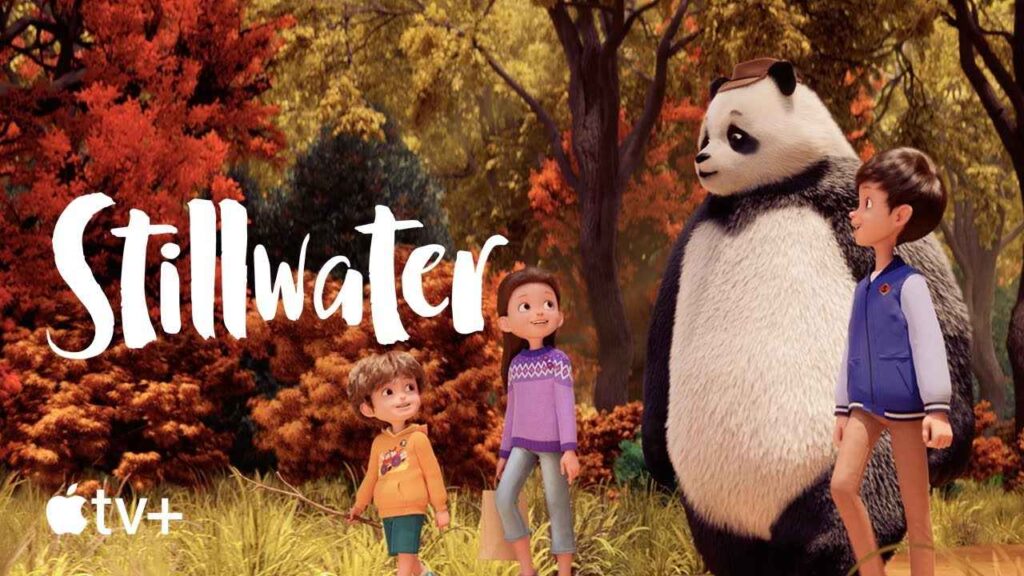
A Deep Dive Into Mindfulness: Stillwater Show
You can easily find this show on Apple TV+. The core concept of Stillwater is mindful perspective-shifting with the help of physical puppetry transitions.
Each scene has a length of 6 to 8 seconds per shot. The show focuses on three young siblings and their next-door neighbor, a big, wise panda named Stillwater. The show didn’t distract the child; it did provide learning on how to slow down their physical responses to stress.
When any character in the show is experiencing anger, jealousy, or intense impatience, they stay calm. Stillwater models deep, conscious breathing, and the camera lingers on his movements; that also helps the toddlers to sync their own respiration with the animation.
Additionally, the episodes have a visual shift, like the main story is presented in 3D smooth animation, whereas when Stillwater tells a story, the presentation changes to hand-drawn 2D watercolor animation. This is a very unique thing I personally like in this show.
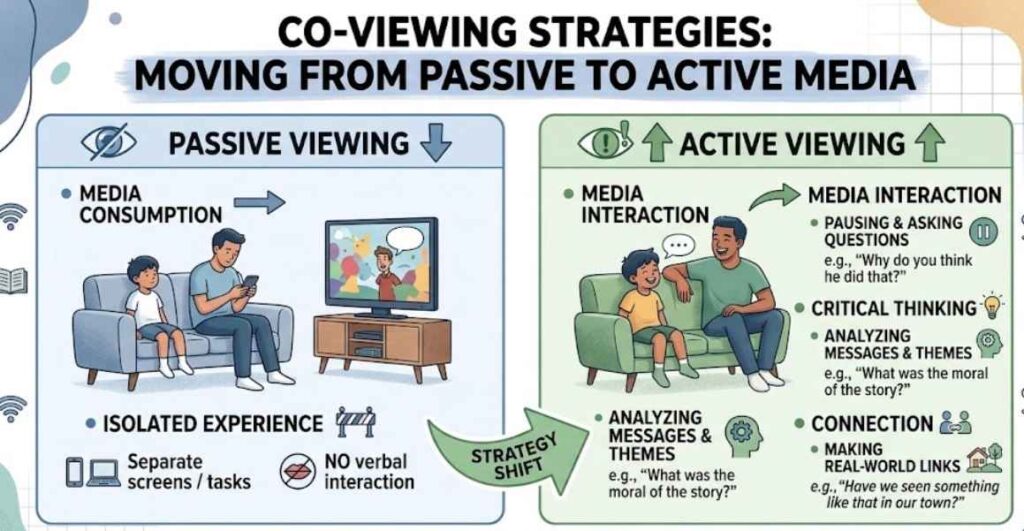
Co-Viewing Strategies: Moving from Passive to Active Media
According to the American Academy of Pediatrics (AAP), screen time for both toddlers and older kids should never be a passive, isolating experience. If you want to convert a television into a tool that works for cognitive growth, then as a parent you should practice active co-viewing using these three original strategies:
Narrate the Silence
When a kid is watching a low-stimulation show, there are some long pauses in both sound and action. Instead of letting kids stay in silence, involve them and get engaged by saying, “Look how slowly the snail is crawling?” This active communication teaches the kids how to label quiet environmental stimuli and build their vocabulary while reinforcing the calm pacing of the program.
The Strategic Pause Technique
Since low-stimulation shows don’t have a hyper-focused dopamine loop, you can easily pause once an episode has ended and the child won’t trigger. You can ask them questions related to the episode, like, “Where do you think the bear is walking now?” This question will force their brain to shift from passive visual consumption to active working memory and keep the child engaged.
The Tactile Transfer
Turn on a slow show that is based on a character exploring objects like Tumble Leaf. When your kid completes a show where the main character is exploring a reflection of the mirror, give your child a small mirror and let them do the same reflection experience as shown in the episode. This way, the kid will learn a new thing every time they implement it.
Specific Device Settings Hacks for Parents
You can make some small changes in a television, tablet, or streaming device to significantly lower the sensory impact of any program your child watches.
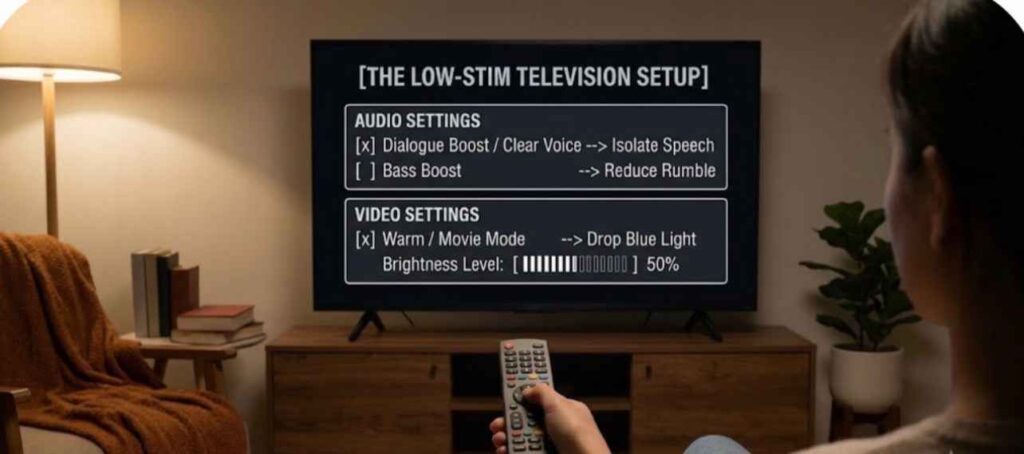
Turn on Eye Comfort or “Movie/Theater” mode.
Standard television settings are set on a vivid or dynamic profile, which gives off high-contrast, artificial blue light to make it attractive to the buyer. This blue light, however, suppresses natural melatonin production, which leads to sleep disturbance. You can simply go to display settings and enable warm, movie, or theater mode; it works more easily on toddlers’ eyes.
Manually Reduce Brightness to 50%
A brighter screen of television, tablets, or smartphones can affect the human eyes, especially a child’s pupils. There is also an option on all the devices to reduce brightness. You can set it to 45% or 50%. This simple step safes eyes from future optical damages.
Switch to Dialogue-Focused Audio Balance
In modern TV, the audio is mixed. Multi-speaker home theaters lead to loud background music and booming sound effects that overload the toddler’s auditory filter, which is still in the developing stage. You can change this in settings by using the following instructions.
- Turn off any “Bass Boost” or “Surround Sound” features, which create a low-frequency sensory rumble.
- Select options labeled “Clear Voice,” “Dialogue Boost,” or “Night Mode.”
The Post-Daycare Screen Time Trap (And How to Break It)
It is a late afternoon time when a toddler is tired and exhausted from a long day at daycare and faces an emotional crash when going home. Parents often turn on the screen so kids can calm the mind and rest while watching the show, and they can easily make the meal. However, since the child is already overstimulated and fatigued, ending the screen time can trigger a chaotic meltdown.
The Low-Stimulation Reset Routine
| Phase | Time | Action Items | Quick Tip |
|---|---|---|---|
| 1. Environmental Dim | 2 Min |
|
Eliminate competing sensory inputs first. |
| 2. Physical Grounding | 5 Min |
|
Deep pressure input helps signal safety to the brain. |
| 3. Sensory Deprivation | 10 Min |
|
Let the nervous system drop to baseline without processing new data. |
| 4. Somatic Release | 3 Min |
|
Physical cues that tell the body it is okay to relax. |
| 5. Slow Transition | 5 Min |
|
Avoid jumping straight back into a high-stimulus environment. |
Also Read: 70+ Best Things to Do in Perth with Kids (2026 Guide)
Frequently asked questions by parents
1. What exactly makes a toddler show “low stimulation”?
A low-stimulation show for toddlers has camera angles for at least 5 to 10 seconds per shot, uses organic pastel colors, gives minimalistic vibes, and is less noisy instead of flashing neon-tone colors and chaotic background electronic sound effects.
2. Why does my toddler scream and throw a tantrum when I turn off the TV?
This is a physiological reaction called a ‘dopamine crash.’ High-stimulation cartoons have quick cuts that trigger an involuntary tracking reflex; a child watches it more to get the conclusion. When you turn off the screen, their supply is cut instantly, which triggers an immediate reaction.
3. Is Miss Rachel considered low stimulation for babies and toddlers?
Yes, because she utilizes speech-therapy techniques that include close-up mouth positioning and deliberate processing pauses that allow toddlers time to decode and mirror language.
4. Can leaving the TV on in the background harm my toddler if they aren’t watching it?
Yes, leaving a television on that is running noise introduces what is known as ‘ambient media intrusion.’ Since toddlers already have an underdeveloped auditory filter, these noises don’t let them focus on the things they are doing.
5. At what age can a child handle faster-paced, higher-stimulation shows?
The prefrontal cortex undergoes a development shift at 4 to 5 years of age. By this stage the child’s memory is strong enough, meaning they can handle quick changes of scene without focusing so much on what is going on. However, you need to avoid high-stimulation shows in kids aged 3 or under.
6. How many hours of screen time should a 2-year-old have per day?
According to the health frameworks outlined by the American Academy of Pediatrics (AAP), children aged between 2 and 5 should watch a show for one hour a day. For children less than 18 months, the screen time should be very limited.
Is Your Child’s Favorite Show Too Stimulating? Check It Now
Excellent choice for winding down before bedtime or naptime. Minimal risk of screen-induced tantrums.
Further Reading and References
1. Official Health and Media Guidelines
- American Academy of Pediatrics (AAP) – HealthyChildren.org
- World Health Organization (WHO) Guidelines
- American Academy of Child and Adolescent Psychiatry (AACAP)
