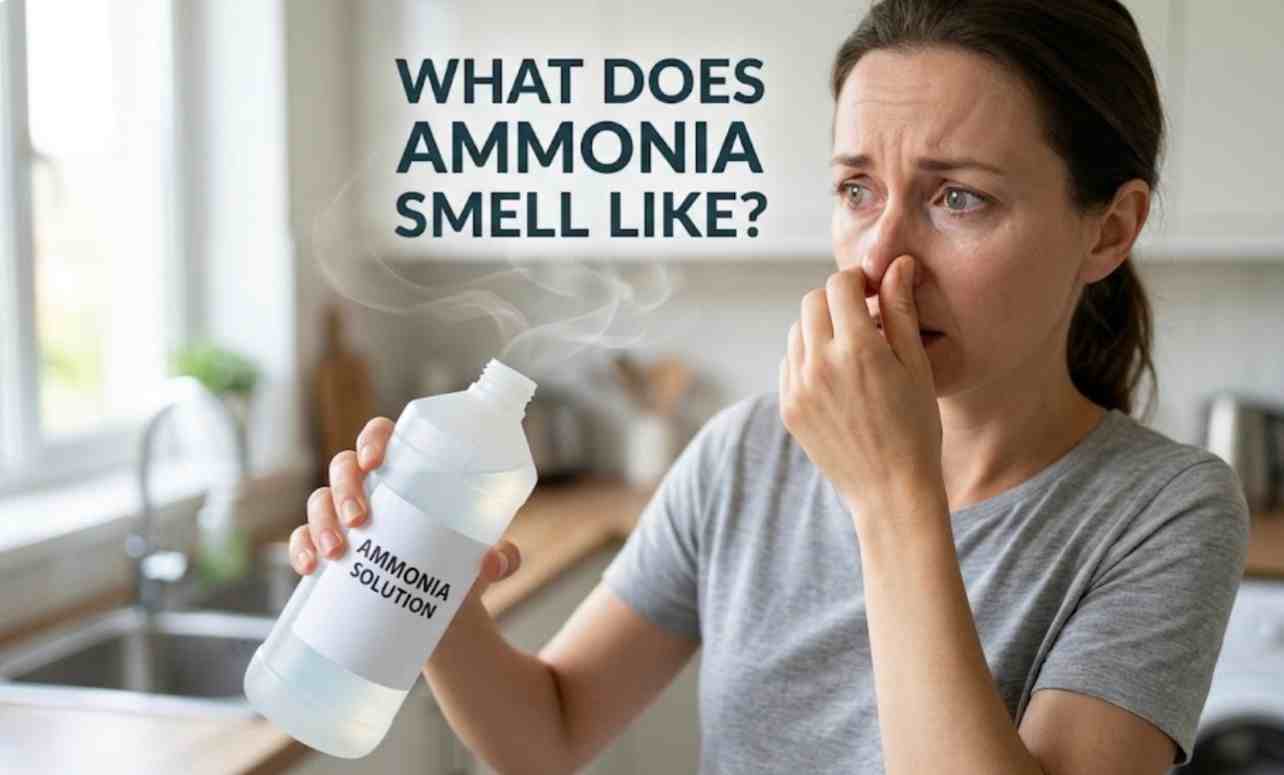
Quick answer: What Does Ammonia Smell Like? Well, it smells extremely sharp, pungent, and suffocating. It smells like highly concentrated urine, stale sweat, or public restrooms. Since it is a reactive gas, even a minor exposure to it leads to an immediate stinging or burning sensation in your nostrils, throat, and eyes.
Our nose has its own security system; it can easily detect when there are sharp, strange, and warning scents. Some people instantly recognize the smell of ammonia. Whether you smell something strange while cleaning your kitchen, notice a peculiar odor during a heavy workout, or worry about a potential chemical leak in your neighborhood, understanding what the smell means is important.
In this detailed guide, we will find the answer to “What does ammonia smell like?”, why your body or environment might be producing it, and how to safely respond when you encounter it.
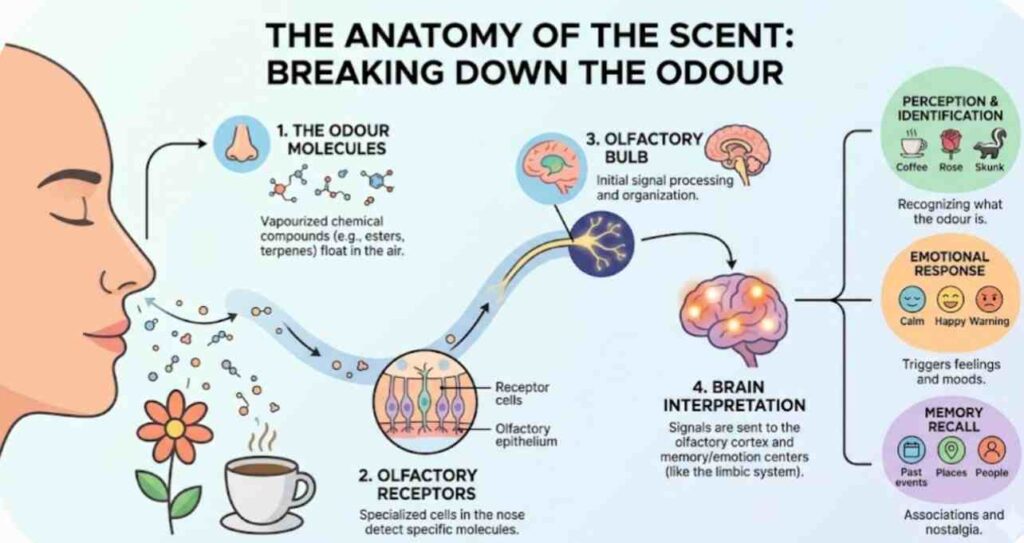
The Anatomy of the Scent: Breaking Down the Odour
To find the answer to the question, ‘What does ammonia smell like?’ we need to first look at how humans perceive chemicals. Ammonia is a colorless gas, and it is made from nitrogen and hydrogen. It is a highly alkaline gas and gives a quick reaction when it gets in contact with the human nose; basically, it not only triggers the sense of smell but also the pain receptors.
When people come into interaction with ammonia gas, they describe it by using a few distinct terms as follows:
1. Stale Urine and Animal Waste
This is not an unfounded association, as when an animal defecates or human urine remains in one spot without cleaning for an extended period, bacteria begin to break down a compound called urea. The primary product of this breakdown is ammonia gas. If you go to a public restroom and smell it or if you haven’t cleaned the litter box in a week, then when you interact with it, you will know exactly what ammonia smells like.
2. Pungent, Acrid Household Cleaners
If you use the window cleaners, floor strippers, or heavily chemical hair dyes, then you may experience an extremely watered-down version of this smell. The main reason behind it is that many industries and home cleaning companies use ammonium hydroxide (ammonia dissolved in water). This dissolved ammonia provides a sharp, clinical, chemically clean scent that goes directly into the nose.
3. Rotten Fish and Seafood
Ammonia does smell like urine or cleaning fluid at very low concentrations; however, at high concentrations, it becomes very dangerous. According to environmental health guidelines, concentrated ammonia gas feels sickeningly sweet, suffocating, and has a fishy odour. The main reason behind it is decaying organic matter, especially marine life, where the release of amines takes place; they can easily mimic pure ammonia gas.
4. A Physical Sting or Burn
You will never hear someone say that ammonia gas smells like coffee or vanilla because ammonia gas is a reactive one, and it causes an immediate reaction when it interacts with the nose. Many people face sudden headaches or coughs or suddenly close their eyes when they smell it. The gas feels like a sharp needle, which quickly pokes the nasal cavity and often leads to watering of the eyes.
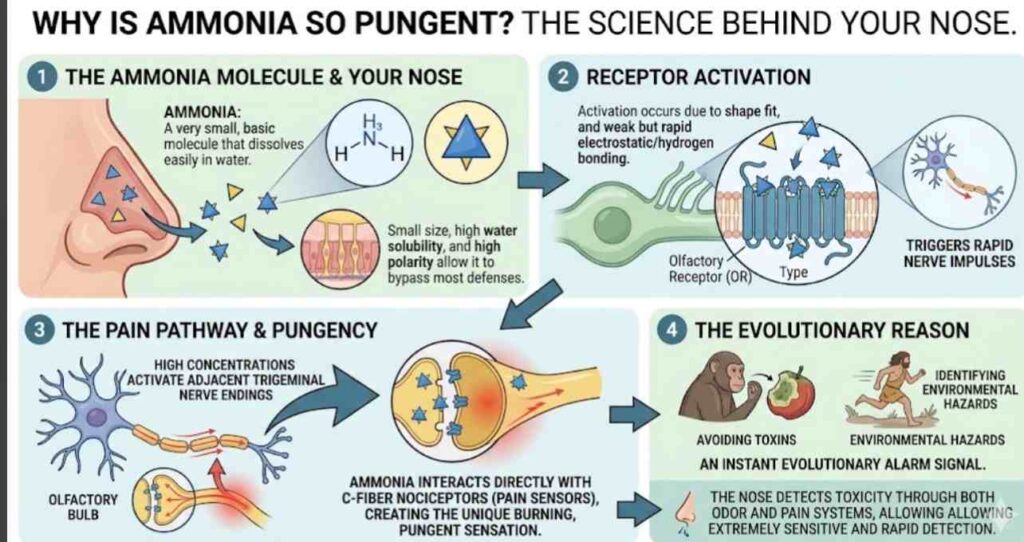
Why Is Ammonia So Pungent? The Science Behind Your Nose
To understand why different parts of our body, like the nose and eyes, strongly react to this smell, we have to look at our evolutionary biology first. We need to know when the food is rotten and when the environment is toxic.
Ammonia has a low boiling point as compared to others; it can easily evaporate into a gas at room temperature. The moment you open that container, the small ammonia molecules rush into the air.
However, it is also highly soluble in water. Our respiratory system, the nostrils, nasal cavity, throat, and eyes, is lined with moisture, so when a person inhales ammonia gas, it quickly dissolves in the moist area of the nose.
When ammonia gas goes inside the nose, it activates the trigeminal nerve, which is responsible for sensing pain, temperature, and irritation in different parts of the body, like the face, eyes, and nose.
When ammonia gas dissolves in water in the nose, it creates an alkaline solution known as ammonium hydroxide (NH₄OH). This sudden change makes the nerve endings irritated.
As a result, the brain doesn’t consider it just a smell but also a chemical threat. That’s why the body reacts: the eyes flush out the water, the airways stop you from inhaling more, and then you reflexively pull your head back.
The Evolutionary Perspective: A Survival Alarm
In nature, ammonia is a byproduct of organic decomposition, the protein breakdown in decaying meat, urine, and feces. Our ancestors consider ammonia gas like spoiled food; if you inhale it, you will get ill.
- Unsanitary Water: This source is contaminated and unsafe.
- Suffocation Hazard: High concentrations of ammonia displace oxygen.
Environmental Sources: Why Does My House Smell Like Ammonia?
If you suddenly smell ammonia in your house, room, kitchen, workplace, or even in the local environment, the important thing is to identify the source.
Here are the most common culprits behind an unexpected environmental odor:
1. Pet Waste Buildup
If you own pets like cats, dogs, or small rodents, then their waste can be the main reason that causes ammonia odors in your home. Since the cat urine is high in urea, it can easily break down into ammonia by bacteria, so if a cat is not using the washroom or the litter box and pees on a carpet, behind a couch, or into baseboards, the liquid may get dried, but urea is still active after some days; it changes into ammonia gas.
2. Commercial and Industrial Refrigeration Leaks
The house refrigerators use synthetic coolants, but the large commercial facilities like ice rinks, cold storage warehouses, food processing plants, and chemical labs use anhydrous ammonia as a refrigerant, which is very cheap. However, when a pipe leaks or cracks, a high amount of ammonia gas is released in the air. This scenario is very common in industrial areas, so if you are in that specific area and smell a sudden fishy urine odor, it can be because of a commercial leak.
3. Agricultural Fertilizers
Ammonia is considered a foundation block in global agriculture. Farmers inject liquid anhydrous ammonia into soil to give plants the proper oxygen, so if you live in or near a farming area, you may notice a sharp ammonia smell, especially during spring planting season.
4. Hidden Mold and Structural Decay
What if I don’t have a pet, live near a farm, or have never been in an industrial area but still smell ammonia gas in the surroundings? Well, a mysterious ammonia smell can sometimes point to structural issues. Ammonia gas can take place in household mold, wood rot, or behind drywall.
| Source Category | Where to Look / What to Check | Action Required |
|---|---|---|
| Pets | Litter boxes, hidden carpet spots, and pet bedding. | Clean thoroughly with an enzymatic cleaner. |
| Cleaning | Window/glass cleaners, specific floor strippers, certain hair dyes. | Ensure proper ventilation; never mix cleaners (such as bleach and ammonia). |
| Mold / Damp | Stagnant drains, damp crawlspaces, and leaky wall cavities. | Check for specific dark molds that release ammonia-like byproducts during decay. |
| Industrial | Large-scale HVAC systems, older commercial refrigeration units. | Evacuate immediately if you suspect a commercial coolant leak. |
Ammonia Smells in the Home: The Parenting & Nursery Angle
When you became a parent, the home changed constantly: new things, new routines, and a lot of organic waste in living spaces. If you are noticing ammonia gas, then there are some reasons behind it as follows:
1. The Dreaded Cloth Diaper: Ammonia Burn
If you use cloth diapers instead of commercial ones for babies, then you will likely experience ammonia buildup at some point. When a human urinates, the urine contains urea, so when a baby urinates, it’s the same. If you don’t wash the bedsheets every day, then it is possible the bacteria take place in the fibers of the cloth. Over time, this bacterium breaks urea into ammonia gas.
Babies do continuously urinate, and if they are in cloth diapers, then the urine will surely go in the area (e.g., bed sheets, etc.), leading to a sharp, stinging scent. If you didn’t clean it on time, it’s possible this will cause a chemical skin reaction on the baby’s sensitive skin, and you will mistake it for regular diaper rash.
2. Diaper Pails and Toddler Bed-Wetting Accidents
A standard plastic diaper lasts longer as compared to a cloth one; however, it also acts like a chemical greenhouse, which means if the disposable diapers stay in a warm pail for 4 days, then the urea breaks down rapidly. The moment you open it, you will smell ammonia.
Additionally, if a toddler urinates at night, the urine directly goes into the bed; this dried residue will slowly emit a faint urine-chemical smell every time the room gets humid.
Testing Toy and Furniture Safety: The “Sniff Test” for Parents
As a new parent, you always buy new nursery furniture, cheap plastic toys, or memory foam crib mattresses. All these things come into a plastic wrapping. When you open any item from above, you may notice a sudden sharp, chemical, ammonia-like sting.
This is known as VOC off-gassing. The manufacturers do use ammonium compounds in the production of these plastics to save the product from any kind of problem while they shift it from the shop to different places like home.
The 48-Hour Air-Out Rule: Unbox the mattress, particle-board crib, or plastic play gym in places like the garage, porch, or an open-air room where there is a window, and put them there for at least 48 to 72 hours until the smell completely vanishes. Never place these newly bought things close to the nursery before doing the time step.
| If the smell is found in… | The Most Likely Culprit | The Immediate Fix for Parents |
|---|---|---|
| The Cloth Diaper Pail | Detergent buildup trapping organic urea. | Strip diapers using a deep-cleaning hot water rinse cycle. |
| A Freshly Opened Box / Toy | VOC off-gassing from plastics or glues. | Air out items in a well-ventilated garage or patio for 48 to 72 hours before use. |
| The Bathroom / Under Sinks | Decaying organic hair or matter in damp drains. | Flush the drain with baking soda and white vinegar, then rinse thoroughly with hot water. |
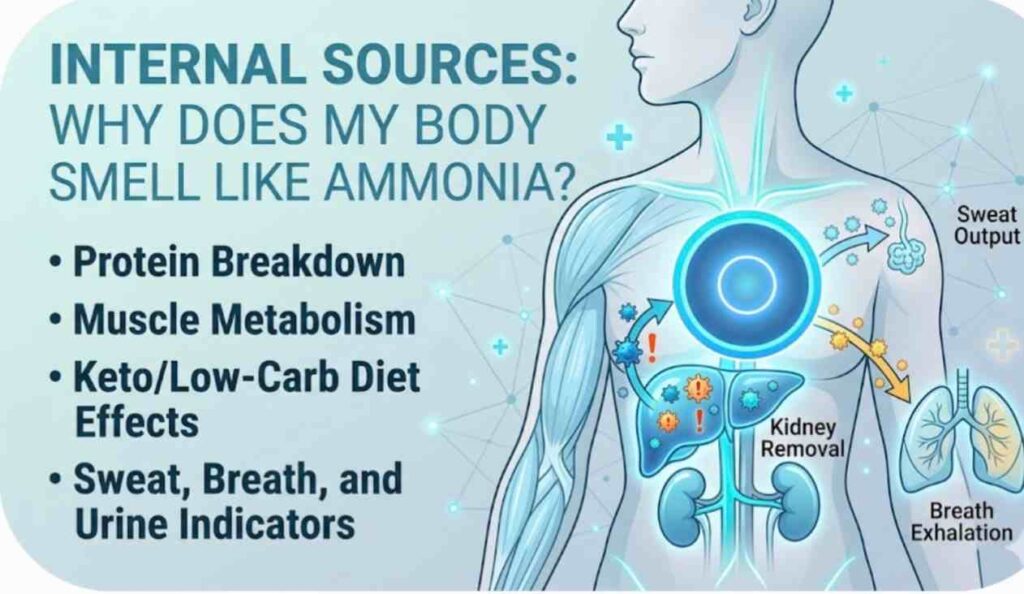
Internal Sources: Why Does My Body Smell Like Ammonia?
Sometimes the smell isn’t coming from the room, but it is actively radiating from your own body. This can be present in your sweat, urine, and even breath. When you feel the body smells just like ammonia, there is an issue in your metabolic health and diet.
1. The Post-Workout Ammonia Sweat
If you just did a high-intensity weightlifting session or a long-distance run and you notice the body is smelling like a cleaning chemical, it means you are experiencing protein metabolism.
Normally, after doing these types of physical activities, your body burns calories, and you feel energetic; however, if you are currently on a low-carbohydrate diet like keto, or if you push the body to the point of exhaustion, then it’s possible your muscles run out of glucose.
When you move the body, it breaks down amino acids (proteins) for fuel. This smell takes place when protein changes into glucose; the liver creates a byproduct called ammonia. The liver converts ammonia into urea, which is then excreted when you go to the bathroom. However, if any ammonia remains in the body, it may be eliminated through the sweat glands.
2. Deep Dehydration and Urine Odor
Healthy urine is typically pale and straw-like in color, with a normal odor. However, if you don’t drink enough water throughout the day, your kidneys may enter water-conservation mode. This means they reabsorb fluid back into the body, resulting in highly concentrated urine. Consequently, the usual amount of urea is compressed into a small volume of liquid, leading to a strong ammonia-like smell when you urinate.
3. Medical Concerns: Kidney and Liver Function
In serious cases, the ammonia smell present in your breath or skin can be a cause of a medical condition. Remember, the liver converts toxic ammonia into harmless urea, whereas the kidneys help to take out the urea from the body, so if any of these organs are struggling because of chronic disease, ammonia would start to take place in the bloodstream. This condition is called hyperammonemia, which leads to chemical odor on the breath and skin. It needs urgent medical investigation.
Chemical Safety: The Danger of Mixing Household Compounds
You cannot talk about the smell of ammonia without discussing one of the most critical safety rules in household cleaning.
Never mix ammonia with chlorine bleach. Many people think that this combination can make super cleaners; however, it is completely wrong. In reality, mixing ammonia found in glass cleaners and floor strippers with bleach (sodium hypochlorite) triggers a chemical reaction called “chloramine gas” (NH₂Cl).
Ammonia (NH₃) + Bleach (NaOCl) ──► Chloramine Gas (NH₂Cl) [HIGHLY TOXIC]
Now you may have a question in mind: What happens more than just a chemical reaction if you mix them? Well, chloramine gas is highly toxic and can easily spread in the room. When you breathe in that toxic air, it reacts with the moisture in your nose lining, where it forms hydrochloric acid.
You may experience sudden reactions like violent coughing fits and wheezing and severe burning in the eyes, nose, and throat. Shortness of breath and chest tightness. Fluid buildup in the lungs (pulmonary edema). Nausea and dizziness
If you are using these chemical mixtures while cleaning a bathroom and notice a sudden, choking, chemical smell that makes it impossible to breathe, then drop the cleaning tools and step into fresh air immediately.
Comparing Odors: Ammonia vs. Other Common Chemicals
Since many chemical gases smell the same in the sense of sharpness and unpleasantness, people do get confused then. To help you to identify what gas it is, here is a complete chart that shows a comparison between ammonia and other common household and industrial scents:
| Chemical Compound | What It Smells Like | Primary Source | Risk Level |
|---|---|---|---|
| Ammonia | Sharp, stinging, like concentrated cat urine or stale sweat. | Glass cleaners, animal waste, fertilizer, industrial cooling plants. | Moderate to High: Irritating at low levels, corrosive at high levels. |
| Chlorine Bleach | Harsh, clinical, reminiscent of a heavily chlorinated swimming pool. | Laundry bleach, sanitizing sprays, pool chemicals. | Moderate: Can cause respiratory irritation and headaches in closed spaces. |
| Sulfur (Hydrogen Sulfide) | Distinctly like rotten eggs, natural gas additives, or swamp gas. | Gas leaks, blocked plumbing drains, dying car batteries. | High: Natural gas leaks carry an immediate explosion and suffocation risk. |
| Acetone | Sweet, sharp, chemical, exactly like fingernail polish remover. | Cosmetic products, paint thinners, diabetic ketoacidosis (on the breath). | Low to Moderate: Flammable; prolonged inhalation causes headaches and dizziness. |
Exposure Levels: How Much Ammonia Is Dangerous?
As we discussed earlier, the nose picks up the ammonia smell quickly before it even physically harms the body. However, if you can’t leave the room or if the concentrations rise rapidly. Understanding the levels helps you to take further action.
Low Exposure (5 to 25 ppm)
This is the level you experience when you use household window cleaners in a ventilated room, so you will easily recognize the scent, which leads to a sudden tickle in your throat or mild watering of the eyes; however, this reaction takes place for some minutes and doesn’t have any long-term health issues.
Moderate Exposure (50 to 100 ppm)
At this level, the body’s natural defense mechanism gets activated. You will experience irritation in your throat that later leads to coughing, and your eyes will start burning and stinging continuously. Prolonged exposure at this level can lead to mild inflammation in the respiratory tract.
High Exposure (300 to 500 ppm)
This level is extremely dangerous to life and health. A single breath in this exposure can cause intense, painful burning in your nose, throat, and chest. Later you may feel severe shortness of breath, a feeling of suffocation, and chemical burns in your eyes.
Extreme Exposure (Above 1,000 ppm)
Extreme exposure usually takes place in massive industrial failures or agricultural transport accidents. If you are in such a situation, then the ammonia gas can be highly toxic. It can directly damage the respiratory system, lead to suffocation and severe skin blistering, and can be fatal within minutes.
Step-by-Step Protocol: What to Do If You Encounter a Strong Ammonia Odor
If you walk into a room, building, or outdoor space and experience ammonia gas interaction, then you should treat it as a safety priority. Follow this clear step-by-step protocol:
Evacuate the Immediate Area
The first thing you need to do is go out from that room immediately; at that time, your priority will be to save the lungs. Move outdoors to get fresh air.
The second step is, once you start breathing safely, to ask yourself, “What can be the reason behind that smell?”
Did you just spill a bottle of glass cleaner? Is it coming from a pet area? Or is it a mystery scent that came inside from an open window?
If you find the cause of this smell is a household cleaning product, then open all the windows and doors so the fresh air can come inside. Turn on exhaust fans and ceiling fans to push the heavy vapors out of your living area.
Once you have done this process, go to the bathroom and wash your eyes and skin with warm water for 15 minutes. Change clothes, as they may have the chemicals.
However, if the smell is coming into the house from an unknown source outside, suspect there is a commercial refrigeration leak, but if you start facing symptoms such as chest tightness, severe coughing, or dizziness, call emergency services immediately.
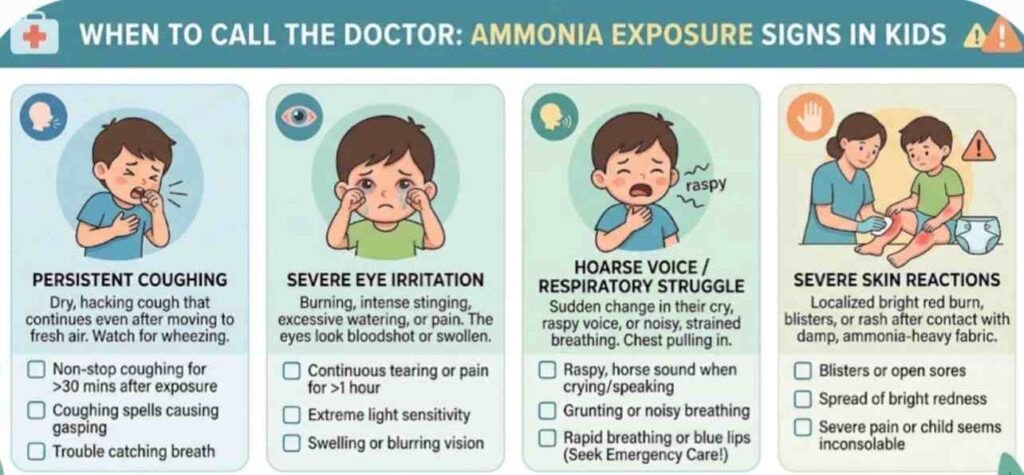
When to Call a Doctor if Kids Get Exposed to Ammonia?
Frequently asked questions by people
1. Why does my house smell like ammonia when I don’t have pets?
If you are experiencing an ammonia scent at home but you don’t have any pets, then it can be caused by household molds and wood-rotting fungi lurking behind drywall or in damp crawlspaces. Also check kitchen and bathroom drains because it is possible there is a buildup of trapped hair and organic sludge that produces this smell.
2. Can you get used to the smell of ammonia?
Yes, this is a dangerous biological phenomenon called olfactory fatigue or “odor adaptation.” If you are working in a place where you smell the same gas daily, then your nasal receptors get used to it, and they stop giving warning signs to the brain. This means you can inhale the gas without even facing any reactions.
3. Why do my baby’s cloth diapers smell like ammonia?
It is very common because baby diapers contain urea, which is broken down by bacteria, so when you don’t do laundry for days, this urea changes into ammonia gas, which can cause severe skin irritation (ammonia burn).
4. What happens if you mix bleach and ammonia?
If you mix ammonia gas and bleach, it leads to a chemical reaction that produces chloramine gas, which is extremely toxic and directly goes into the moisture lining of your nose, leading to severe eye burning, chest tightness, and potential lung damage.
5. Does a natural gas leak smell like ammonia?
No, pure natural gas doesn’t have any kind of smell; however, utility companies artificially inject a harmless chemical additive called “mercaptan” into gas so humans can detect if the gas is leaking from a pipe. That’s why it smells like sulfur, rotten eggs, or decaying cabbage, whereas ammonia gas is sharp and suffocating, closer to the smell of concentrated urine or heavy glass cleaners.
6. Is the smell of ammonia safe for babies?
No, it is not safe, as a child’s respiratory system is much more sensitive compared to an adult’s because it is still developing. Babies breathe faster, and when they inhale airborne chemicals, it can irritate their delicate airways.
7. Is the smell of ammonia safe for an expecting mom?
The short answer is yes, but it comes from household exposure. Ammonia is a harmful gas; over-inhaling can lead to some severe reactions in the eyes, nose, and throat. Because it stays heavily localized in the respiratory tract, only a little of it ever enters your bloodstream. According to the health organizations, it is highly unlikely for environmental ammonia to pass through the placenta or harm a developing fetus. However, as a person, you may face severe nausea in the early days of pregnancy.
8. Why does my urine smell intensely like ammonia?
The smell of ammonia gas in urine can be a sign of deep dehydration or a urinary tract infection (UTI). You need to stay hydrated; however, if the smell remains the same, then consult a doctor.
9. How do I safely get rid of an ammonia smell in my carpet?
Because ammonia is highly alkaline (a base), you must neutralize it with a safe acid. Mix a 1:1 solution of warm water and white distilled vinegar, spray it heavily onto the affected area, let it sit for 10 minutes, and blot it dry. For deep pet urine spots, skip steam cleaners (which permanently bake the proteins into the fibers with heat) and use an enzymatic cleaner to eat the nitrogen compounds at the source.
Summary
At the end of the day, understanding what ammonia smells like is important for environmental awareness, so if you notice a sharp, unmistakable, urine-like smell in your home, it serves as a clear indication that you need to clean…
If the smell is coming from the body, then stay hydrated and eat food items that are rich in carbohydrates. Keep windows open while cleaning the bathroom floor. By just following these simple steps you can easily protect your health and keep your home smelling clean, fresh, and completely safe.
Medical Disclaimer: The information provided in this article is for educational, informational, and environmental safety purposes only and does not constitute medical advice.
References & Further Reading
- Centers for Disease Control and Prevention (CDC) / ATSDR:
- Occupational Safety and Health Administration (OSHA):
- The American College of Obstetricians and Gynecologists (ACOG):
- Source URL: [https://www.acog.org](https://www.acog.org)
- National Institutes of Health (NIH) / PubMed:
- Source URL: [https://pubmed.ncbi.nlm.nih.gov](https://pubmed.ncbi.nlm.nih.gov)
- U.S. Environmental Protection Agency (EPA):
- Source URL: [https://www.epa.gov](https://www.epa.gov)
