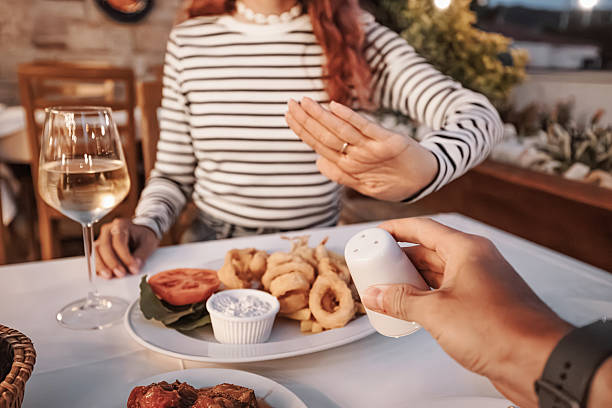
Quick Answer: A low-sodium diet limits your daily intake of salt (sodium), typically to under 2,300 mg per day (or 1,500 mg for adults with high blood pressure), to lower fluid retention, reduce blood pressure, and protect heart and kidney health. Foods to eat in low sodium diet includes fresh, whole foods that are naturally low in salt, avoiding processed or packaged foods loaded with sodium.
When medical experts or dieticians recommend a low-sodium diet, they aren’t suggesting you put the salt shaker away or cut off some salty snacks. Patients frequently describe a low-sodium diet as a medically therapeutic, highly structured nutritional plan that limits the daily intake of sodium chloride and sodium-based chemical preservatives to approximately 1,500 milligrams (mg) and 2,000 mg per day.
It means 2000 mg of sodium is equal to one single teaspoon of table salt in just 24 hours. The average intake of sodium in adults a day is around 3,400 mg and 5,000 mg. We eat more salt than a body needs, which is the main reason why many people face issues like hypertension, cardiovascular stress, and fluid overload.
If you want to understand what a low-sodium diet actually is, then you need to look at past buzzwords, recognize the sources where sodium hides in everyday commerce, master food labels, and learn how to retain the palate to enjoy food without depending on salt.
Defining the Low Sodium Diet and Physiological Mechanics
To understand why therapeutic low-sodium diets are recommended by doctors, you need to know what sodium does in the human body exactly. Sodium is an essential mineral and extracellular electrolyte. However, it cannot be synthesized, so you need to consume it in a diet. Once you digest it, sodium can perform many physiological roles:
Fluid Regulation: Sodium works with potassium to keep the osmotic pressure maintained and control the distribution of water in and out of the cellular membranes.
Blood Volume Maintenance: Sodium attracts and holds the water, so the total amount of sodium circulating in the bloodstream determines the total blood volume directly.
Neuromuscular Signaling: The sodium ions create electrical action, which allows the nerve cell to communicate and the muscle fibers, like the heart muscle, to contract properly.
The Problem of Fluid Overload and Pressure
If a person is completely healthy and normal, then the body just needs only a fraction of a teaspoon of sodium daily to keep all functions working properly. The kidney works as a primary filtration system that excretes the extra sodium from urine. However, when a person takes high amounts of sodium on a daily basis, then the kidney becomes overwhelmed. To avoid blood plasma becoming dangerously concentrated, the body starts to retain the extra water. This leads to an increase in the volume of fluid that circulates in the cardiovascular system.
It is similar to pumping more water in a fixed garden hose, which raises the internal pressure. The high volume of blood will force the heart to pump more and strain arterial walls. Over time this situation is diagnosed as hypertension (high blood pressure). For people who have weak hearts or compromised kidneys, this excess fluid can go into tissues and lungs, leading to severe swelling (edema) and respiratory distress.
Who Should Avoid a Low Sodium Diet?
You can review the chart below to understand who should avoid strict salt restriction and the health risks involved.
| Category / Group | Why Low-Sodium Diet Should Be Avoided |
|---|---|
| People with Hyponatremia | Dangerously drops blood sodium levels further, risking confusion, brain swelling, and seizures. |
| Salt-Wasting Kidney Disease | Damaged kidneys excrete excessive salt in urine, leading to severe sodium depletion. |
| Endurance Athletes & Heavy Laborers | Large amounts of sodium are lost through sweat; restricting salt can cause exercise-induced hyponatremia. |
| Medication Users (Diuretics / Lithium) | Diuretics flush out sodium, while low sodium levels raise lithium to toxic levels in the blood. |
| People with Addison’s Disease | Low aldosterone levels make it impossible for the body to retain salt, risking severe low blood pressure. |
| Frail Elderly Adults | Increases the risk of sudden drops in blood pressure (orthostatic hypotension), dizziness, and falls. |
| Severe Vomiting / Diarrhea Recovery | Rapid loss of electrolytes through fluid loss requires sodium replenishment to restore balance. |
Who Needs a Low Sodium Diet?
While taking sodium in a moderate quantity has health benefits, a strictly monitored clinical low-sodium regimen is an important factor of therapy for specific patient populations. Here are the following people who need this sodium diet.
Patients with Hypertension: Reducing dietary sodium can help in minimizing systolic or diastolic blood pressure; it also reduces the risk of stroke, myocardial infarction (heart attack), and aneurysm.
Individuals with Congestive Heart Failure (CHF): When the heart muscle loses pumping like it normally does, then it cannot clear the fluids either. A low-sodium diet restricts 1500 mg of sodium daily, which helps in preventing dangerous fluid retention and pulmonary congestion.
Chronic Kidney Disease (CKD): If the kidney has a disease, it cannot filter the extra sodium effectively, which means it won’t be able to balance sodium and water. The low sodium diet prevents the overloading of acute fluid and protects remaining renal function.
Patients with Liver Cirrhosis: A liver disease can disrupt the production of albumin and regulation of fluid, which leads to painful abdominal fluid accumulation (ascites) and leg swelling. Here a low-sodium diet is the best treatment.
Older Adults: Blood vessels lose elasticity and stiffen with age, which also makes the body more sensitive to the blood-pressure-raising effects of dietary sodium.
Comprehensive Food Master Charts (Eat vs. Avoid)
The hardest thing is to keep a low-sodium, salt-free diet because we are so addicted to it on a daily basis. Sodium is also an invisible component in commercial food items. In fact, many food items do not taste salty, but they are packed with hidden sodium.
1. Meats, Poultry, Fish, and Dairy
| Food Group | Foods to Avoid (High Sodium / ≥400 mg per serving) | Low-Sodium Alternatives (≤140 mg per serving) |
|---|---|---|
| Meats & Poultry | Smoked, cured, salted, or canned meats including bacon, ham, hot dogs, sausage, cold cuts, pepperoni, Spam, and beef jerky. | Fresh or frozen beef, pork, lamb, and skinless poultry without added marinades, broths, or injections. |
| Fish & Seafood | Canned tuna or salmon packed in brine, salted or smoked fish (anchovies, sardines, caviar, lox, and salted cod). | Fresh or frozen fish, low-sodium canned fish, or water-packed fish that has been thoroughly drained and rinsed. |
| Eggs & Breakfast | Commercial frozen breakfast sandwiches, pre-seasoned sausage patties, and instant omelet mixes. | Fresh whole eggs, egg whites, and certified low-sodium liquid egg substitutes. |
| Dairy Products | Regular processed cheese slices, cheese spreads, cottage cheese, buttermilk, and commercial cheese sauces. | Regular milk, plain yogurt, unsalted butter, and naturally low-sodium cheeses (Swiss, fresh mozzarella, ricotta). |
2. Breads, Grains, Cereals, and Snacks
| Food Group | Foods to Avoid (High Sodium / ≥400 mg per serving) | Low-Sodium Alternatives (≤140 mg per serving) |
|---|---|---|
| Breads & Cereals | Commercial breads with salted tops, quick breads, self-rising flour, pancake/waffle mixes, and instant flavored hot cereals. | Breads and bagels without salted tops, plain rolled oats, shredded wheat, and cream of wheat. |
| Grains & Sides | Prepackaged, processed seasoning mixes for rice, pasta, potatoes, boxed macaroni and cheese, and instant ramen. | Plain white or brown rice, quinoa, barley, couscous, and unseasoned pasta cooked strictly without salt. |
| Snack Foods | Salted pretzels, potato chips, cheese crackers, salted mixed nuts, and commercial buttered popcorn. | Unsalted popcorn, unsalted rice cakes, plain raw nuts, and low-sodium crackers or breadsticks. |
3. Vegetables, Fruits, Soups, and Condiments
| Food Group | Foods to Avoid (High Sodium / ≥400 mg per serving) | Low-Sodium Alternatives (≤140 mg per serving) |
|---|---|---|
| Vegetables | Regular canned vegetables, vegetable juices, pickled vegetables (olives, pickles, sauerkraut), and frozen hash browns. | Fresh and frozen vegetables without sauces, low-sodium canned vegetables (rinsed), and fresh potatoes. |
| Soups & Broths | Regular canned soups, dehydrated soup mixes, bouillon cubes, and commercial liquid broths. | Low-sodium canned or dehydrated soups, and homemade broths prepared entirely without added salt. |
| Condiments | Soy sauce, barbecue sauce, seasoning salt, garlic salt, bottled salad dressings, ketchup, mustard, and relish. | Vinegar, fresh lemon/lime juice, vegetable oils, low-sodium tamari, and salt-free herbal spice blends. |
Mastering Food Labels and Identifying Hidden Traps
When you go to the supermarket to buy food items, you need to look at the labels. The food manufacturers use many regulatory terms, which might confuse the consumers if they are not careful. A common question among shoppers is what is considered low sodium when evaluating these labels.
Key Regulatory Label Definitions
Look at the label; is it sodium-free or salt-free? Like the product should contain less than 5 mg of sodium in each serving.
Very Low Sodium: A product should have 35 mg or less of sodium per serving.
Low Sodium: A product should have 140 mg or less of sodium per serving. This answers what is considered low sodium on packaged food nutrition panels.
Reduced Sodium: A food item should contain at least 25% less sodium than the standard version.
Unsalted or No Added Salt: Even if you don’t add salt that you add normally, the food may still contain natural baseline sodium.
The 400 mg Red Flag and Serving Size Traps
When evaluating packaged goods, look at the Nutrition Facts panel and check the serving size first, as some manufacturing companies list nutritional values for unrealistically small portions, like listing sodium per 5 crackers instead of a sleeve. Make sure to multiply the sodium content by the amount you actually think to eat. If any single serving has 400 mg or more of sodium, which is like 20% to 26% of your entire daily intake recommendation. Consider these items as red flags.
Always look at the label for chemical additives that contain sodium, like monosodium glutamate (MSG), baking soda (sodium bicarbonate), disodium phosphate, sodium benzoate, and sodium alginate.
Retraining Your Tastebuds and Crafting Low Sodium Meals
One of the most common reasons why patients don’t want to continue a low-sodium diet is the taste fatigue. At first the food tastes flat, cardboard-like, and unsatisfying. However, this is just a temporary neurological hurdle.
Human taste receptors take time to regenerate, which is 10 to 14 days. When you eat a high-sodium-based diet, your receptors get desensitized and need heavy salt concentrations to register flavor. When you cut off sodium from daily food items, your brain won’t accept the taste for the first week or two.
Once the receptors get reset, you start understanding the natural flavors you never knew existed, like the earthiness of root vegetables, the richness of grains, and the vibrant tang of fresh tomatoes.
7-Meal Low Sodium Plan
| Day / Meal | Breakfast | Lunch | Dinner | Flavor Enhancers Used |
|---|---|---|---|---|
| Meal 1 | Steel-cut oats topped with fresh berries, sliced almonds, and a dash of cinnamon | Grilled chicken salad over mixed greens, cherry tomatoes, cucumbers, and olive oil & lemon dressing | Herb-roasted salmon with wild rice and steamed asparagus | Fresh lemon juice, dill, garlic powder |
| Meal 2 | Scrambled eggs cooked with fresh spinach, tomatoes, and black pepper on whole-grain toast | Salt-free turkey breast wrap with avocado, shredded lettuce, and sliced red onion | Lemon-herb baked chicken breast with roasted sweet potato wedges and steamed broccoli | Cracked black pepper, rosemary, avocado richness |
| Meal 3 | Plain Greek yogurt layered with chopped walnuts, chia seeds, and fresh mango slices | Quinoa bowl with rinsed black beans, fresh corn, diced bell peppers, and cilantro-lime vinaigrette | Garlic-rubbed sirloin steak with baked potato (plain yogurt topping) and sautéed green beans | Garlic, fresh cilantro, lime juice, smoked paprika |
| Meal 4 | Smoothie made with banana, unsweetened almond milk, spinach, and plain almond butter | Homemade unsalted tomato soup paired with a fresh garden salad and balsamic reduction | Pan-seared cod with lemon-caper sauce (rinsed capers), brown rice, and roasted zucchini | Cumin, balsamic vinegar, fresh parsley |
| Meal 5 | Avocado toast on sprouted grain bread topped with a poached egg and red pepper flakes | Tuscan white bean salad with diced cucumbers, tomatoes, red onion, and olive oil | Stir-fried tofu or chicken with garlic, ginger, snap peas, and carrots over jasmine rice | Ginger, sesame oil, garlic, red pepper flakes |
| Meal 6 | Chia seed pudding prepared with coconut milk, vanilla extract, and fresh raspberries | Whole-grain pita pocket stuffed with unsalted hummus, sliced cucumbers, and arugula | Sheet-pan roasted turkey meatballs with garlic, basil, spaghetti squash, and no-salt marinara | Fresh basil, oregano, onion powder, garlic |
| Meal 7 | Berry-nut bowl with sliced bananas, raw pumpkin seeds, flaxseeds, and a drizzle of honey | Mediterranean lentil salad with chopped bell peppers, parsley, olive oil, and apple cider vinegar | Grilled shrimp skewers brushed with garlic-herb oil, roasted cauliflower, and quinoa | Apple cider vinegar, thyme, roasted garlic |
Four Pillars of Salt-Free Flavor Building for Low Sodium Meals
When you need to make a low-sodium meal, you can manage a flavor profile that is incredible by just mastering the following culinary techniques.
Acid (Brightness): If the dish is flat, the main reason behind it is lack of acid, not sodium alone. Add fresh lemon juice or a splash of balsamic or apple cider vinegar in soups, roasted vegetables, and grains to balance the taste.
Aromatics (Depth): For aromatic flavor, always sauté onions, garlic, shallots, and ginger in olive oil.
Herbs and Spices (Complexity): Fill your pantry with dried and fresh options like rosemary, thyme, basil, dill, cumin, coriander, smoked paprika, and black pepper to add rich dimensions to proteins.
Umami (Savoury Satisfaction): To replicate the savory texture and weight of salt with the help of natural umami sources like mushrooms, nutritional yeast, roasted garlic, and a small amount of salt-free tomato paste.
Critical Safety Warnings Regarding Salt Substitutes
Many people who want to bypass food blandness go and buy commercial salt substitutes off the grocery shelf; however, this is quite dangerous. Most commercial salt substitutes replace the sodium chloride with potassium chloride.
While this replacement is good for healthy individuals, people with kidney disease (CKD) or those taking specific medications (such as ACE inhibitors, ARBs, or potassium-sparing diuretics) need to consult the doctor before going for these alternatives because elevated blood potassium levels (hyperkalemia) lead to lethal cardiac arrhythmias.
Additionally, you need to skip drinking softened water from home filtration systems because these softeners also use sodium chloride brine to filter out hard minerals, providing hidden sodium into your drinking water supply.
| Warning Category | Cause / Hidden Source | Risk & Health Impact | Who Must Exercise Caution |
|---|---|---|---|
| Potassium-Based Salt Substitutes | Commercial salt substitutes replacing sodium chloride with potassium chloride | Elevated blood potassium (hyperkalemia), which can trigger lethal cardiac arrhythmias |
• Individuals with Chronic Kidney Disease (CKD) • Patients on ACE inhibitors, ARBs, or potassium-sparing diuretics |
| Home Softened Water | Water softeners using sodium chloride brine to strip hard minerals from tap water | Adds hidden sodium into daily drinking and cooking water supplies |
• Anyone following a strict low-sodium diet • Individuals managing high blood pressure or fluid retention |
Conclusion
Adoption of a low-sodium diet is not considered a culinary punishment; in fact, it is a powerful and life-prolonging medical intervention. By reading the food labels in the right way, you can overcome the processed traps, utilizing fresh herbs and acids. Your taste buds will take time to adapt to the taste of low-sodium meal items. The low sodium protects your cardiovascular system and reduces the risk of dangerous fluid retention.
Medical Disclaimer: The information provided here is for educational and informational purposes only and is not intended as medical advice. Always consult a qualified healthcare provider or registered dietitian before making significant changes to your diet.
People frequently ask questions about low sodium diet
1. What is considered a low-sodium diet?
Low-sodium diet A low-sodium diet is a diet that reduces sodium intake from the recommended daily sodium intake for a normal person, which is 2,000 mg a day, often less, like 1,500 mg, for people with health problems such as high blood pressure, heart failure, or kidney disease. A product is officially labeled “low sodium” on nutrition labels when it has 140 mg or less of sodium in a single serving.
2. How many milligrams of sodium are allowed per day?
The standard dietary guidelines recommend a healthy adult should have 2,300 mg per day (about 1 teaspoon of table salt). However, according to the medical guidelines, a therapeutic low-sodium diet has a restriction of 1,500 mg per day, which helps to activate lower blood pressure and minimize fluid retention.
3. What are the main foods to avoid on a low-sodium diet?
The highest-sodium foods include cured and processed meats like bacon, deli meats, sausage, hot dogs, canned soups and broths, frozen meals, boxed rice, pasta mixes, soy sauce (prepared) and commercial condiments, and salted snack foods like chips, pretzels, and crackers.
4. Does sea salt have less sodium than regular table salt?
No. The forms of salt like sea salt, Himalayan pink salt, kosher salt, and table salt all have 40% sodium by weight. They still raise the blood pressure, so going from table salt to sea salt doesn’t help in the reduction of salt intake.
5. How long does it take for your tastebuds to adjust to low salt?
Human taste receptors regenerate 10 to 14 days. Food will first taste flat or bland, but once your taste buds reset, you will enjoy the subtler flavors of food.
6. Are canned vegetables and beans safe to eat?
No, the canned goods are heavily based on salt for preservation. However, you make them safe by reading the label; it should have “no salt added. ” Drain the food properly in a colander under water so 40% of the surface sodium is removed.
7. What can I use instead of salt to flavor my food?
You can create a robust flavor with no salt. You can add acids such as fresh lemon juice, lime juice, and vinegars; aromatics (sautéed garlic, onions, shallots, and ginger); fresh or dried herbs and spices (rosemary, thyme, smoked paprika, and cumin); and umami boosters like mushrooms or tomato paste.
8. Are commercial salt substitutes safe for everyone?
No, because many manufacturers replace salt with potassium chloride, which is safe for healthy individuals but can be harmful for people who have chronic kidney disease (CKD) or those taking medications that retain potassium like ACE inhibitors.
9. Why does high sodium cause high blood pressure?
Sodium attracts and holds onto water. When excessive salt goes into the bloodstream, the body retains extra fluid to keep everything balanced. This increases the total blood volume, which forces the heart to pump harder and raises the pressure inside the arterial walls.
10. How can I eat out at restaurants on a low-sodium diet?
When you go to the restaurant for dinner or lunch, ask the staff to make your meal without added salt or MSG. Ask for dressings, sauces, and gravies on the side so you can do portion sizing and fully lean on food items like grilled plain fish, skinless chicken, and steamed vegetables rather than deep-fried or cured dishes.
Daily Sodium Limits by Government & Health Authorities
- U.S. FDA Guidance: FDA Sodium in Your Diet
- CDC Health Resources: CDC Salt and Sodium Guidelines
- USDA & HHS Official Policy: Dietary Guidelines for Americans 2020–2025
- American Heart Association Advice: AHA Daily Sodium Limits & Recommendations
- World Health Organization Standards: WHO Sodium Intake Guidelines for Adults and Children
