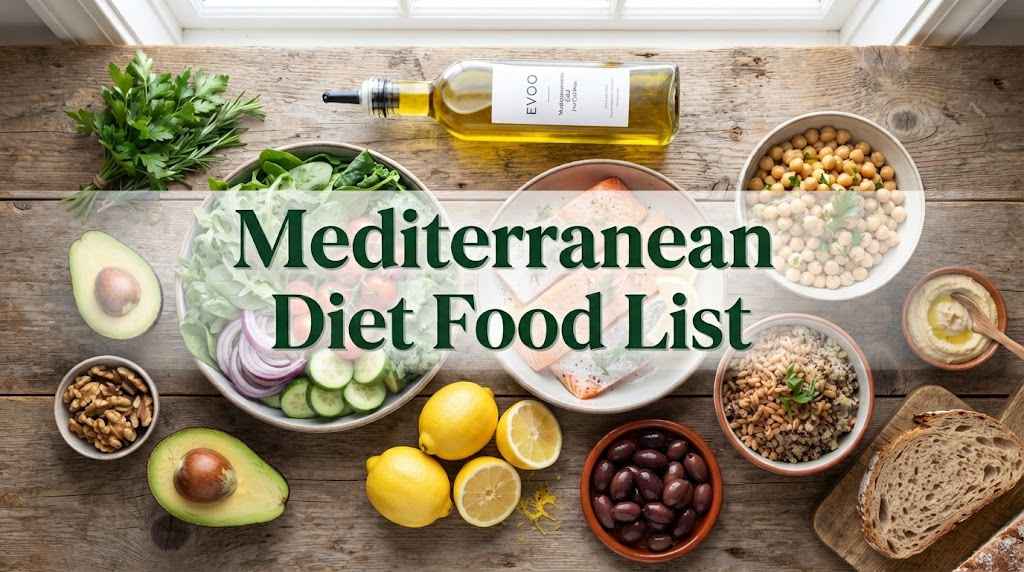
Quick Summary: A complete Mediterranean diet food list features fresh vegetables, wild-caught fatty fish, whole grains, extra virgin olive oil, and legumes. Designed for sustainable weight loss and heart health, this guide includes a 7-day meal plan, macro breakdowns, and a custom recipe builder.
When discussing weight loss or a healthy balanced diet, many diets are available on the internet, with the Mediterranean diet currently being the most popular; however, many people fail to successfully adopt a Mediterranean lifestyle because the advice they receive is often too superficial. They are told to eat many vegetables and use olive oil while not even giving any recommendations on portion sizes, grocery store execution, and how to make a calorie deficit structure. If you are following a Mediterranean diet for weight loss without any metabolic crash or loss of sanity, then you need to follow a systemic and data-driven approach.
In this comprehensive guide we will look deeply into the Mediterranean diet from a physiological perspective, what foods you need for the diet, and who should avoid this diet, so let’s start.
What is the Mediterranean Diet?
To truly understand what the Mediterranean diet is, we need to look at it away from a romantic image of a coastal village to physiological mechanics. This diet is fully based on the whole-food, plant-eating pattern model after the traditional food ways of regions bordering the Mediterranean basin.
This diet is completely different from modern restrictive diets that are based on demonising low-fat or ultra-low-carb protocols. The Mediterranean diet is based on healthy fats, unrefined carbohydrates, and high-quality proteins.
Here is a chart below on the classic macronutrient distribution of this diet.
| Macronutrient | Percentage Range | Primary Sources & Quality Focus |
|---|---|---|
| Carbohydrates | 45% – 55% | Sourced exclusively from high-fiber, low-glycemic, unrefined sources (legumes, whole grains, and fibrous vegetables). |
| Fats | 30% – 35% | Monounsaturated fats from extra virgin olive oil and polyunsaturated omega-3s from marine life. |
| Protein | 15% – 20% | Distributed across marine proteins, legumes, and fermented dairy cultures. |
Is the Mediterranean diet good for weight loss?
When people ask if this diet is good for weight loss or not, the main answer lies in its impact on insulin stability because carbohydrates that are consumed bound to viscous dietary fiber like lentils, whole barley, and leafy greens, which go into the bloodstream, lead to a slow or steady stream of glucose instead of sharp spikes. This causes insulin suppression, which allows the cells to access stored adipose tissue for energy.
Additionally, the micronutrients, bioflavonoids, and polyphenols work as cellular shields. Systemic inflammation is the main reason for metabolic dysfunction, insulin resistance, and weight retention. When the body is full of anti-inflammatory agents native to this regional diet, the mechanisms that cause lipid oxidation start to function properly again.
By following a Mediterranean diet, you can lose 1 to 2 pounds in a week and 9 to 22 pounds in a year. To understand more, you check the timeline of weight loss by following the Mediterranean diet as follows:
| Phase / Timeline | Expected Weight Loss | Metabolic & Behavioral Focus |
|---|---|---|
| Weeks 1 – 2 | 2 to 5 lbs (Initial Drop) | Shedding excess water weight and stabilizing blood glucose as processed sugars, industrial seed oils, and refined flours are eliminated. |
| Weeks 3 – 8 | 1 to 2 lbs per week (Steady Fat Loss) | Activating sustained fat oxidation. Insulin levels remain stable, and high dietary fiber keeps hunger hormones (like PYY) regulated. |
| Months 3 – 6+ | 0.5 to 1 lb per week (Body Recomposition) | Reaching a stable metabolic equilibrium. Preserving lean muscle mass while optimizing long-term weight maintenance without restriction burnout. |
The Master Mediterranean Diet Food List
If you are determined to eat a specific and customized diet plan, the first step is to collect items that are needed in a diet plan. Here is a list of Mediterranean diet food items that are important to start the diet.
1. Vegetables (The Core Foundation)
Spinach, arugula, Swiss chard, lacinato kale, broccoli, Brussels sprouts, bok choy, and purple cabbage. All these vegetables give important nutrients like folate, iron, calcium, and glucosinolates. In fruit and nightshades you can buy vine-ripened tomatoes, Japanese eggplants, zucchini, summer squash, and multi-colored bell peppers. These items are rich in vitamin C.
Lastly, for alliums and roots, go for red and yellow onions, garlic, shallots, leeks, and carrots; they are rich in flavors and powerful prebiotics.
2. Fruits (The Natural Dessert)
You can add berries to the grocery list, like wild blueberries, blackberries, raspberries, and strawberries, as they are rich in anthocyanins. Citrus fruits like Granny Smith apples, Bartlett pears, fresh figs, pomegranates, blood oranges, lemons, and limes. Lastly, botanical fruits like Hass avocados and cured olives (Kalamata, Castelvetrano, and Niçoise).
3. Whole Grains & Complex Starches
You can add grain in the grocery list like semi-pearled, cracked bulgur wheat, green freekeh, hulless pearl barley, red sorghum, and organic black or tricolor quinoa. For bread and pasta, go for ground sourdough bread and bronze-die extruded whole-wheat or legume pastas.
4. Healthy Fats (The Liquid Gold & Structural Lipids)
For oil, buy cold-pressed extra virgin olive oil (EVOO). Add nuts and seeds in the grocery list, like raw or dry-roasted walnuts, unpasteurised almonds, Sicilian pistachios, pine nuts, golden flaxseeds, and black chia seeds.
5. Proteins (Marine & Plant-Centric)
In fish you can buy wild-caught Alaskan salmon, Atlantic mackerel, sardines packed with virgin olive oil, wild anchovies, and fresh rainbow trout. In legumes and pulses, go for chickpeas, black Beluga lentils, French green Puy lentils, creamy cannellini beans, and Greek gigantes beans. You can use poultry items like eggs, chicken, and turkey in moderation.
6. Fermented Dairy & Flavor Enhancers
In dairy items go for sheep or goat milk yoghurt (full-fat or 2%), feta cheese, and pecorino-romano. Lastly, in herbs go for fresh Greek oregano, flat-leaf Italian parsley, dill, rosemary, smoked Spanish paprika, ground sumac, and raw crushed garlic.
Medical Disclaimer: The content provided in this guide is for informational and educational purposes only and does not constitute medical advice, diagnosis, or treatment. Always consult with a qualified physician or healthcare provider.
The Mediterranean Diet Avoided Food List
| Category / Food Item | Why It Must Be Avoided | What to Use Instead |
|---|---|---|
| Refined & Industrial Seed Oils | Canola, soybean, corn, cottonseed, and safflower oils are heavily processed, chemically extracted, and rich in pro-inflammatory omega-6 fatty acids that disrupt metabolic balance. | Cold-pressed extra virgin olive oil (EVOO) or avocado oil. |
| Processed Meats & Cured Delis | Salami, pepperoni, hot dogs, bacon, and packaged deli slices contain high amounts of sodium nitrates, chemical preservatives, and saturated fats linked to cardiovascular stress. | Freshly baked skinless poultry, wild-caught fatty fish, or organic grass-fed cuts in moderation. |
| Refined Flours & Commercial White Breads | Stripped of fiber and nutrients, white sandwich bread, refined hamburger buns, and commercial pastries cause rapid post-meal blood glucose spikes and insulin surges. | 100% stone-ground whole-wheat sourdough, cracked bulgur, farro, or whole-grain seed crackers. |
| Added Sugars & Artificial Sweeteners | Packaged cookies, candies, table sugar, high-fructose corn syrup, and chemical artificial sweeteners feed dysbiosis in the gut and drive systemic low-grade inflammation. | Fresh wild berries, whole fruits, raw honey in moderation, or pure Ceylon cinnamon for natural sweetness. |
| Commercial Packaged & Convenience Snacks | Potato chips, pretzels, boxed crackers, and frozen microwave dinners are engineered with hidden sugars, trans fats, and sodium enhancers. | Raw or dry-roasted walnuts, almonds, pumpkin seeds, or home-sliced vegetable crudités with hummus. |
| Industrial Margarine & Hydrogenated Spreads | Artificial butter substitutes and hydrogenated shortenings contain dangerous trans fats that actively degrade arterial health and raise LDL cholesterol. | Authentic European butter in true moderation or extra virgin olive oil. |
| Sugary Beverages & Commercial Fruit Juices | Bottled sodas, sweetened teas, energy drinks, and pasteurized commercial fruit juices deliver an unbuffered flood of fructose that overloads the liver. | Filtered water infused with fresh lemon, lime, cucumber, or unsweetened herbal teas. |
Using the Mediterranean Diet for Weight Loss
As we discussed earlier, a Mediterranean diet helps in weight loss; however, you also need to balance the diet because food items like olive oil, nuts, and avocados are extra nutrient-dense and also energy dense.
If you don’t do any monitoring, the free olive oil can lead to erasing your calorie deficit. To optimize the Mediterranean diet for fat loss, you need to follow this 3-step modification strategy:
Step 1: Shift the Macro Ratio Slightly
The traditional macros are around 45% carbs and 35% fat; however, when you are trying to lose weight, you need to focus on protein up to 25%, drop carbohydrates to 40%, and keep healthy fats at 35% to save satiety.
Step 2: Measure Your Liquid Fats
Extra virgin olive oil is used in many diet plans; however, one tablespoon of it has 119 calories, so instead of pouring it directly into a pan from the bottle, you can use a measured tablespoon for a meal. This trick will make sure you get the anti-inflammatory benefits without adding extra calories by pouring unmeasured oil.
Step 3: Weaponize Dietary Fiber for Satiety
The secret behind the Mediterranean diet for weight loss success is the volume of fiber because it delays the gastric emptying, stretches the wall of the stomach, and signals the brain with the help of peptide YY (PYY) and cholecystokinin (CCK) that you are full. Every meal in a Mediterranean diet contains leafy greens or a cup of legume-based soup.
Who Should Approach the Mediterranean Diet with Caution
| Category / Condition | Why Caution Is Needed | Recommended Adjustment or Medical Guidance |
|---|---|---|
| Severe Diverticulitis or Inflammatory Bowel Disease (IBD) | The heavy emphasis on raw seeds, coarse whole grains, and high-fiber legumes can mechanically irritate inflamed intestinal tissue during an active flare-up. | Transition away from raw, high-residue foods temporarily; focus on well-cooked, peeled, and blended vegetables, and consult a gastroenterologist for customized fiber thresholds. |
| Nut & Seed Allergies | Tree nuts (walnuts, almonds, pine nuts) and seeds (chia, flax) form a primary pillar of the diet’s healthy fat and polyphenol intake. | Completely eliminate trigger allergens from your personal grocery list and substitute them with olive oil, avocados, or seed-free alternatives. |
| Histamine Intolerance or Mast Cell Activation | Cured olives, aged feta and pecorino cheeses, fermented yogurt, and canned pelagic fish (sardines, mackerel) are naturally high in biogenic amines and histamines. | Opt for fresh, non-aged proteins and fresh white fish instead of fermented cheeses or cured items to prevent adverse histamine reactions. |
| Oxalate-Prone Kidney Stones | Dark leafy greens like spinach, Swiss chard, and beet greens are dense in dietary oxalates, which can contribute to calcium oxalate kidney stone formation in susceptible individuals. | Swap high-oxalate greens for low-oxalate alternatives (such as kale, bok choy, or arugula) and maintain adequate hydration. |
| Severe Seafood or Shellfish Allergies | The diet relies heavily on marine proteins (salmon, sardines, cod, and shellfish) to supply essential anti-inflammatory omega-3 fatty acids. | Exclude marine sources and replace them with high-quality plant-based omega-3 sources (like ground flaxseed, chia seeds, and walnuts) or algal oil supplements. |
Systemic Health Benefits Beyond Weight Loss
The Mediterranean diet not only helps you to lose weight, but it also helps to upgrade the cellular that helps you to shine. There are other benefits to this diet as well.
Cardiovascular Resilience: According to clinical trials like the landmark PREDIMED study, since the Mediterranean diet is rich in extra virgin olive oil and mixed nuts, it helps in cutting the risk of cardiovascular issues such as stroke and heart attack by 30%, because the diet improves endothelial function and lowers the oxidized LDL particles.
Gut Microbiome Modulation: The use of items in this diet like olive oil, berries, and prebiotic fibers (such as garlic, onions, and beans) helps in feeding beneficial strains of gut bacteria, which reduce overall low-grade inflammation tied to metabolic syndrome and premature aging.
Glycemic Control: In a Mediterranean diet we swap the refined grain for whole wheat, barley, and lentils, which flattens the post-meal blood glucose curve, improves the sensitivity of insulin with time, and reduces the risk of type 2 diabetes.
Practical 7-Day Execution Blueprint
Now we look at how the Mediterranean diet works and what ingredients you need for it. It’s time to explore a practical 7-day sample meal plan, detailed below.
| Day | Morning (Breakfast) | Midday (Lunch) | Evening (Dinner) |
|---|---|---|---|
| Day 1 | Full-fat Greek yogurt with wild blueberries, chia seeds, and Ceylon cinnamon. | Massaged lacinato kale salad with cucumbers, Kalamata olives, grilled chicken breast, and lemon-EVOO emulsion. | Baked wild salmon fillet over warm farro and roasted asparagus spears. |
| Day 2 | Stone-ground sourdough toast with smashed avocado, hemp hearts, and a soft-poached egg. | Lentil and vegetable soup with carrots, celery, onion, and spinach, plus mixed olives. | Turkey meatballs with oregano and garlic over spiralized zucchini noodles in fresh tomato sauce. |
| Day 3 | Shakshuka (eggs poached in spiced tomato, bell pepper, and onion sauce) with a whole-grain pita wedge. | Quinoa power bowl with roasted chickpeas, bell peppers, cucumbers, sheep’s milk feta, and tahini-lemon drizzle. | Pan-seared Mediterranean cod with caper, parsley, and olive relish over steamed green beans. |
| Day 4 | Steel-cut oats with fresh figs, chopped walnuts, and a touch of raw honey. | Whole-wheat wrap stuffed with homemade hummus, roasted red bell peppers, baby spinach, and sliced turkey breast. | Grass-fed lamb or lean beef skewer with bulgur wheat pilaf and cucumber-mint yogurt tzatziki. |
| Day 5 | Mediterranean vegetable omelet with diced plum tomatoes, baby spinach, and crumbled goat cheese. | White bean and kale salad tossed with minced garlic, fresh lemon juice, and extra virgin olive oil. | Baked halibut over braised fennel, leeks, and blistered cherry tomatoes. |
| Day 6 | Smoothie blending frozen red raspberries, fresh spinach, unsweetened Greek yogurt, and collagen peptides. | Roasted eggplant and chickpea bowl finished with tahini and pomegranate molasses. | Lemon-herb roasted chicken thighs with roasted sweet potato wedges and steamed broccoli florets. |
| Day 7 | Whole-grain pocket stuffed with hard-boiled eggs, fresh cucumbers, and tangy labneh. | Chilled gazpacho soup paired with garlic-grilled shrimp and whole-grain seed crackers. | Whole sardines baked en papillote with herbs, cherry tomatoes, and lemons, paired with black rice. |
Overcoming Common Pitfalls on the Mediterranean Journey
When you transition from a normal diet to a new dietary pattern, you need to understand some predictable hurdles. By understanding those obstacles, you will know how to follow the new dietary pattern on a long-term basis.
1. Avoiding Restaurant Traps
Don’t go for dining out every day, as the industry-based seed oil, heavy creams, and excessive sodium can be a hurdle in your journey. If it is important to go to a restaurant, then request for fish or chicken to be grilled under extra virgin olive oil instead of butter, and always ask for the dressing and sauces as a side so you can do portion control.
2. Managing Grocery Costs
Eating fresh seafood is expensive on a daily basis if you didn’t plan it strategically. You can rely heavily on frozen wild blueberries, frozen spinach, and dried bulk legumes (lentils and chickpeas), as they have the same benefits as canned or fresh fish. You can go for canned wild sardines and mackerel, as they are not as expensive as salmon and have the same nutrients, like omega-3 fatty acids.
3. Dispelling the Carb Myth
Many people that come from a keto or low-carb diet into a Mediterranean diet face fear of the inclusion of whole grains and legumes. Always remember the carbohydrates in the Mediterranean diet are bound structurally to viscous fiber matrices, which helps in preventing rapid spikes in blood glucose. This means you can easily enjoy farro, barley, and quinoa without facing energy crashes.
Side Effects of the Mediterranean Diet
While the diet itself is completely safe and has many benefits for most of the people, not everything suits everyone. The Mediterranean diet is rich in fiber, so it sometimes causes temporary or mild physiological adjustments. Potential side effects and how to deal with them are outlined below:
| Potential Side Effect | Why It Happens | How to Mitigate or Prevent It |
|---|---|---|
| Gastrointestinal Distress & Bloating | A sudden, massive influx of dietary fiber from legumes, whole grains, and raw cruciferous vegetables can overwhelm your gut microbiome before it adapts. | Increase your fiber intake gradually over 2 to 3 weeks, ensure your legumes are thoroughly soaked and cooked, and increase your daily water intake. |
| Initial Caloric Surplus & Weight Gain | Healthy fats like extra virgin olive oil, nuts, and avocados are extraordinarily nutrient-dense and high in calories; free-pouring them can erase a deficit. | Measure your cooking fats using a spoon or mister rather than pouring directly from the bottle to keep your energy balance in check. |
| Temporary Fatigue or “Keto Flu” Symptoms | Eliminating highly processed foods, industrial sugars, and refined carbohydrates can trigger a mild withdrawal phase as your metabolic pathways shift. | Stay adequately hydrated, maintain a healthy balance of complex unrefined carbohydrates from whole grains, and ensure you consume sufficient electrolytes. |
| Mild Purging or Skin Breakouts (Detox Effect) | Shifting away from inflammatory seed oils and high-glycemic sugars can temporarily alter systemic inflammation pathways as the body clears internal waste. | Maintain a consistent skincare routine, drink plenty of filtered water, and give your metabolic system 14 to 21 days to stabilize. |
| Elevated Histamine Reactions | The diet frequently incorporates aged cheeses, fermented dairy, cured olives, and canned sardines, which are naturally high in biogenic amines. | If you are sensitive to histamines, swap aged items and canned fish for fresh white fish and non-fermented, fresh protein alternatives. |
Also Read: The Valencia Diet Guide: Benefits, Meal Plans & Weight Loss
Frequently Asked Questions (FAQs) on the Mediterranean Diet
1. Can you eat dairy on the Mediterranean diet?
Yes, you can, but focus on fermented options such as Greek yogurt and aged cheeses (feta and pecorino) in moderation.
2. Is fruit allowed if you are trying to lose weight?
Yes, fruits such as berries, apples, and citrus are allowed in the Mediterranean diet because they are rich in fiber and antioxidants. If you are following the diet for weight loss, then stick to wild berries instead of high-sugar tropical fruits.
3. How does it compare to keto for fat loss?
The Mediterranean diet is different from keto because it includes healthy complex carbs and unrefined grains, which helps in protecting cardiovascular health, and people can easily follow it on a long-term basis.
4. Do I need expensive extra virgin olive oil?
No, you don’t need it for daily cooking; you can use a reliable mid-tier EVOO and save money. Use single estate oils for raw finishing, salad dressings, and drizzling.
5. Can I follow it if I am vegetarian or vegan?
Well, yes, you can by simply replacing fish and poultry with extra servings of lentils, chickpeas, beans, nuts, and whole grains to manage protein intake.
6. Is bread completely banned?
No, we can’t say it is totally banned; you can go for slow-fermented 100% whole-grain sourdough and stone-ground rustic breads.
Authoritative Medical & Government References
- USDA Dietary Guidelines for Americans – Official government recognition of the Healthy Mediterranean-Style Dietary Pattern for chronic disease prevention and nutrient balance.
- NIH / PubMed Central (PREDIMED Study) – The landmark clinical trial demonstrating how the Mediterranean diet reduces major cardiovascular events by up to 30%.
- Centers for Disease Control and Prevention (CDC) – Federal health guidelines recommending Mediterranean eating patterns for managing blood pressure, cholesterol, and diabetes risk.
- World Health Organization (WHO) – Global public health recognition of the Mediterranean diet as a sustainable framework to combat obesity and non-communicable diseases.
- American Heart Association (AHA) – Clinical endorsements supporting the diet’s ratio of monounsaturated fats to safeguard long-term cardiovascular health.
