
The Short Answer: Rest your stomach until vomiting stops, then sip small amounts of fluids (water, electrolyte solutions, or clear broths) to prevent dehydration. Gradually reintroduce easy-to-digest foods like bananas, plain white rice, applesauce, and dry toast. Steer clear of greasy meals, dairy, spices, and caffeine for at least 3 to 5 days to prevent further irritation.
Food poisoning can hit fast, like in just some hours after you eat something that triggers your digestive system. It includes nausea, vomiting, stomach cramps, and diarrhea, which are just a few of the miserable symptoms. Once the period of food poisoning is over and the body recovers, people search for a question: what to eat when recovering from food poisoning? Knowing what to eat after food poisoning can help in recovery, smoothing down the digestive system, boosting energy, and preventing further irritation. In this article we will talk about the best foods to eat during each recovery phase, foods to avoid, meal ideas, and helpful tips to restore gut health faster.
What Is Food Poisoning?
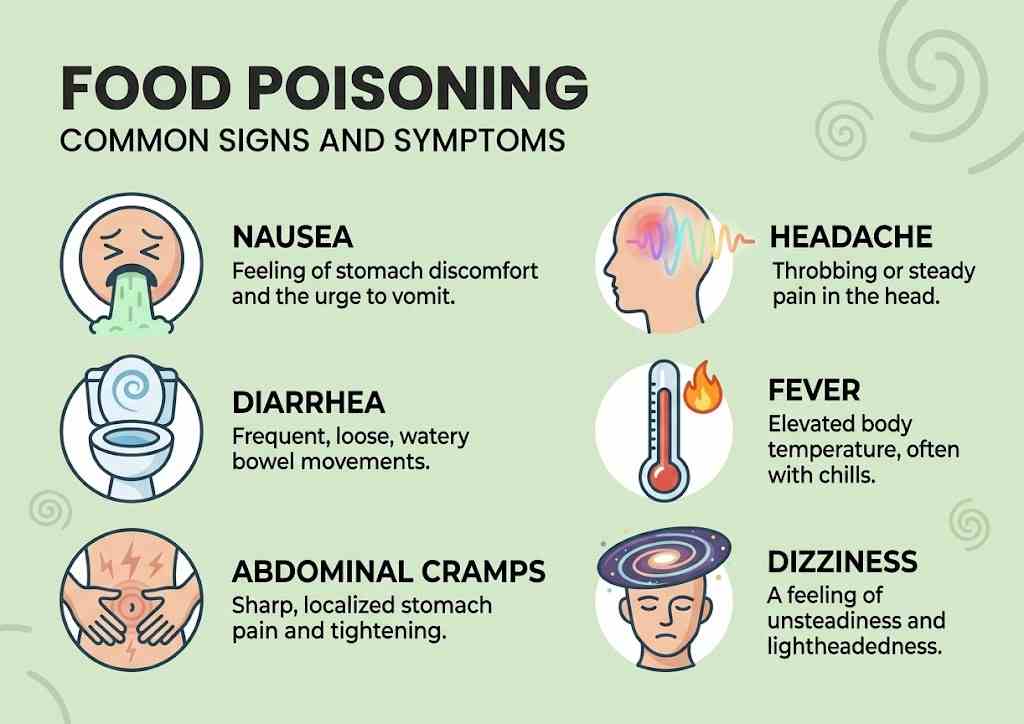
Food poisoning is when you eat food or drink water that has harmful bacteria, viruses, or parasites in it, such as Salmonella, E. coli, or Norovirus. Just after eating something like raw and undercooked animal products, unwashed produce, and improperly stored items, You will start getting symptoms like nausea, diarrhea, stomach cramps, fever, or chills.
What to Eat When Recovering from Food Poisoning
Since your digestive system gets very sensitive after food poisoning, doctors advise you to eat food in light and a moderate quantity.
In the first 24 to 48 hours after food poisoning stops, take low-fiber food items like bananas, rice (white, plain), applesauce, and toast (plain, white bread). These foods are smooth and easy to digest, which helps in firming up stool and also provides energy to the body in the recovery phase.
You can also eat plain crackers, simple boiled potatoes, steamed veggies like carrots or zucchini, or clear vegetables and chicken broths.
Rehydrate: Fluids Are Essential
Food poisoning reduces body fluids, which leads to dehydration. Doctors always advise drinking plenty of water and other drinks to fulfill fluid needs in the body. You can drink water in small amounts, but many times in a day, you can drink Pedialyte or any oral rehydration solutions, drink coconut water, or drink clear broths or herbal teas, which are fewer in ingredients, like cinnamon. Make sure you avoid sugary drinks, alcohol, and caffeine in the recovery phase.
Reintroduce Soft, Nutrient-Rich Foods
Once you tolerate bland foods for a day or two, slowly get back to your normal routine.
- Eat light protein sources like eggs and chicken.
- Eat small portions of plain oatmeal, as soft-cooked oats are gentle on the digestive system.
- Eat boiled turkey.
- Eat plain yogurt, as it helps in providing energy to your body.
- Eat boiled vegetables and mashed potatoes.
- Make sure you don’t consume anything in high amounts; start with a moderate or low quantity
Support Gut Recovery with Probiotics
Your gut microbiome hits after food poisoning, which means your digestive system gets very sensitive. Adding foods that are rich in probiotics can help to rebalance the gut and improve the digestive system. You can eat plain yogurt, kefir, or mild miso soup once your acute symptoms subside. (Avoid spicy fermented foods like kimchi until your stomach has fully healed.)” You can also go for probiotic supplements, especially if you’ve taken antibiotics.
What Not to Eat After Food Poisoning?
Certain foods can irritate your stomach or prolong recovery. Avoid these for at least 3–5 days:
- Food items that are cooked in extreme heat and oil, like fried chicken, burgers, or other fast food.
- Avoid food that is spicy, like chilies, hot sauce, and curry.
- Avoid dairy products that are greasy in nature, like cheese and butter.
- Avoid raw fruits and vegetables, as they are hard to digest.
- Avoid strong beverages like coffee, black tea, and soda.
- Avoid food items that include sauces.
Kids’ Hydration Guide by Age Group
Parents often don’t know how much fluid or Oral Rehydration Solution (ORS, like Pedialyte) to give a sick child per hour during recovery.
| Child Age / Group | Recommended Fluid Type | Dosage Strategy During Recovery |
|---|---|---|
| Infants (0–6 Months) | Breast milk or formula (or pediatrician-approved ORS) | Small, frequent feedings (1–2 teaspoons every 5–10 minutes if vomiting). |
| Older Infants (6–12 Months) | Breast milk, formula, plus small sips of Pedialyte / ORS | 1 tablespoon (15 ml) of ORS every 15–20 minutes. Avoid plain water in large amounts. |
| Toddlers (1–3 Years) | Pediatric electrolyte solution, diluted coconut water, clear broths | 1 to 2 tablespoons every 10–15 minutes, gradually increasing as tolerated. |
| Young Children (4+ Years) | Electrolyte drinks, diluted fruit juice, clear broths, ice pops | Sip 1/4 to 1/2 cup of fluid every 30 minutes. |
Sample Meal Plan for Food Poisoning Recovery
Here’s a simple 3-day meal plan to help ease back into normal eating:
Day 1: Bland & Hydrating
- Start your day with plain toast and bananas.
- Eat white rice with some boiled vegetables in lunch.
- For midday cravings, you can eat Saltine crackers or peppermint tea.
- At dinner you can eat mashed potatoes without any cheese or extra seasonings with clear chicken broth.
Day 2: Gentle Nutrition
- Start your day with oatmeal and mashed banana. You can also take plain yogurt.
- Eat soft white rice with boiled egg and zucchini in lunch.
- For midday snacking, you can drink coconut water.
- At dinner you can go for skinless chicken with boiled potatoes.
Day 3: Gut-Friendly Transition
- Start your day with scrambled eggs and a slice of white bread.
- You can eat white rice with turkey soup for lunch; make sure it’s not spicy.
- For midday snacking, eat plain yogurt with boiled apple slices.
- You can eat baked fish with mashed sweet potato and green beans for dinner.
- Remember to listen to your body and stop eating if symptoms return.
Medical Disclaimer: The information provided in this article is for educational purposes only and is not intended as a substitute for professional medical advice, diagnosis, or treatment. Always seek the advice of your physician or a qualified healthcare provider with any questions you may have regarding a medical condition or recovery plan.
Natural Remedies to Support Recovery
Besides food choices, people also go for natural remedies to recover from food poisoning. A few natural remedies are as follows:
- To reduce nausea and inflammation, drink ginger tea.
- To reduce stomach cramps and bloating, drink warm peppermint tea.
- To calm the digestive tract, use chamomile tea.
How to Avoid Food Poisoning in Kids and Adults?
Here is a comprehensive reference chart comparing key food safety prevention strategies for adults versus special precautions needed for young children:
| Prevention Step | General Adult Guidelines | Specific Precautions for Kids (Under 5) |
|---|---|---|
| 1. Hand Hygiene | Wash hands with soap and warm water for 20 seconds before eating, cooking, and after using the bathroom. | Supervise washing hands after playing outdoors, handling pets, or using the potty; wash toddlers’ hands frequently. |
| 2. Unpasteurized Foods | Exercise caution with raw milk cheeses and unpasteurized juices or ciders. | Strictly Avoid: Never give raw/unpasteurized milk, unpasteurized juices, or raw honey (honey is an infant botulism risk under 1 year). |
| 3. Eggs & Meats | Cook poultry to 165°F (74°C), ground meats to 160°F (71°C), and avoid raw dish preparations if at high risk. | Fully Cook: Ensure egg yolks/whites are completely firm (no runny eggs). Never serve undercooked meat or hot dogs without reheating to steaming hot. |
| 4. Raw Seafood & Sprouts | Avoid raw shellfish/sushi and raw sprouts if susceptible to foodborne bacteria. | Strictly Avoid: Avoid raw sushi, raw oysters, and raw clover or alfalfa sprouts completely due to high bacterial risks. |
| 5. Kitchen Cross-Contamination | Use separate cutting boards for raw meat and ready-to-eat produce; wash utensils thoroughly after contact with raw meat. | Keep high-chair trays, teething toys, and pacifiers away from surfaces where raw meat or poultry was prepared. |
| 6. Leftovers & Temperature | Refrigerate perishable foods within 2 hours (1 hour if outdoor temperature exceeds 90°F / 32°C). | Reheat stored meals or formula/milk to safe temperatures, test heat levels carefully to prevent burns, and discard unconsumed leftover milk/formula after feedings. |
When to Seek Medical Attention?
Most of the time food poisoning goes on its own, but sometimes it can be a serious bacterial infection, so seek medical help urgently if you get the following symptoms:
- High fever (over 101.5°F / 38.5°C)
- Blood in stool or vomit
- Prolonged diarrhea (more than 3 days)
- Stomach pain or irritation when you eat food items.
- For these symptoms, the doctor may recommend you antibiotics and urgent treatment, which includes injections, etc.
Final Thoughts: What to Eat When Recovering from Food Poisoning
Recovering from food poisoning requires patience and gentle care. Focus on rest and consistent hydration first, then gradually reintroduce simple, low-fiber foods like white rice, plain toast, and bananas. Avoid high-fat, spicy, or heavy dairy items until your stomach fully settles, and always monitor young children closely for signs of dehydration. Listening to your body and taking a slow, phased approach is the safest way to rebuild your strength and restore healthy digestion.
Official References & Recommended Reading
- U.S. Food and Drug Administration (FDA): Safe Food Handling: Clean, Separate, Cook, and Chill Guidelines
- Centers for Disease Control and Prevention (CDC): Food Poisoning Symptoms, High-Risk Groups, and Prevention
- National Institutes of Health (NIH / NIDDK): Treatment & Fluid Replacement for Food Poisoning
- Mayo Clinic: First Aid for Foodborne Illness: When to Seek Medical Attention
