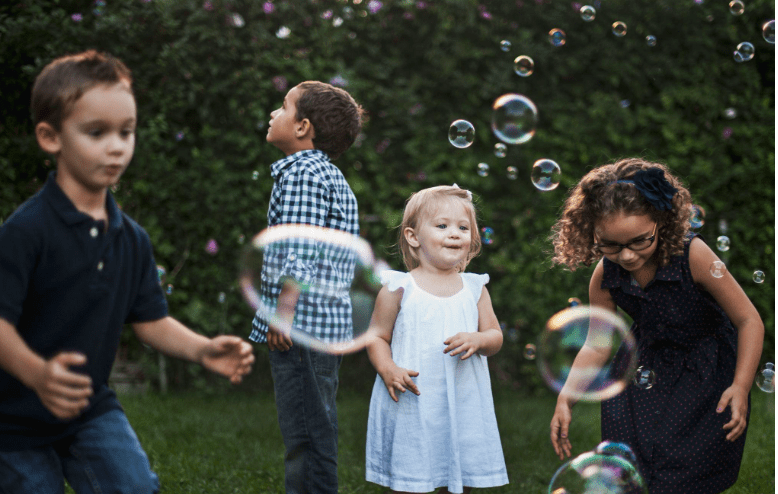
Getting children outside can become surprisingly difficult when screens, homework, indoor entertainment, and busy schedules compete for their attention. Simply telling them to go outdoors rarely solves the problem for long. Children are much more likely to embrace outdoor time when it becomes something the whole family regularly does together.
The goal does not have to be ambitious. You do not need weekend hikes or elaborate adventures every time. Small, repeatable activities can gradually make being outdoors feel like a normal and enjoyable part of family life rather than another task children are expected to complete.
Make Going Outside Comfortable in Every Season
One of the easiest ways for outdoor plans to disappear is to wait for perfect weather. Families who regularly spend time outside generally learn how to work with the season instead. Cooler temperatures, light wind, or cloudy skies become much less important when everyone has suitable clothing.
Layering is particularly useful because activity levels can change quickly. Someone who feels cold while standing around may become considerably warmer after walking, playing, or exploring. A substantial wool layer such as a mens knit turtleneck sweater can provide useful warmth for parents during cooler family outings without requiring the bulk of a heavy winter coat.
Children need the same practical approach. Comfortable shoes, waterproof outer layers, warm socks, gloves, and spare clothing can prevent small inconveniences from ending an outing early. Keeping a few outdoor essentials near the door also makes spontaneous trips easier.
Give Your Family Its Own Outdoor Identity
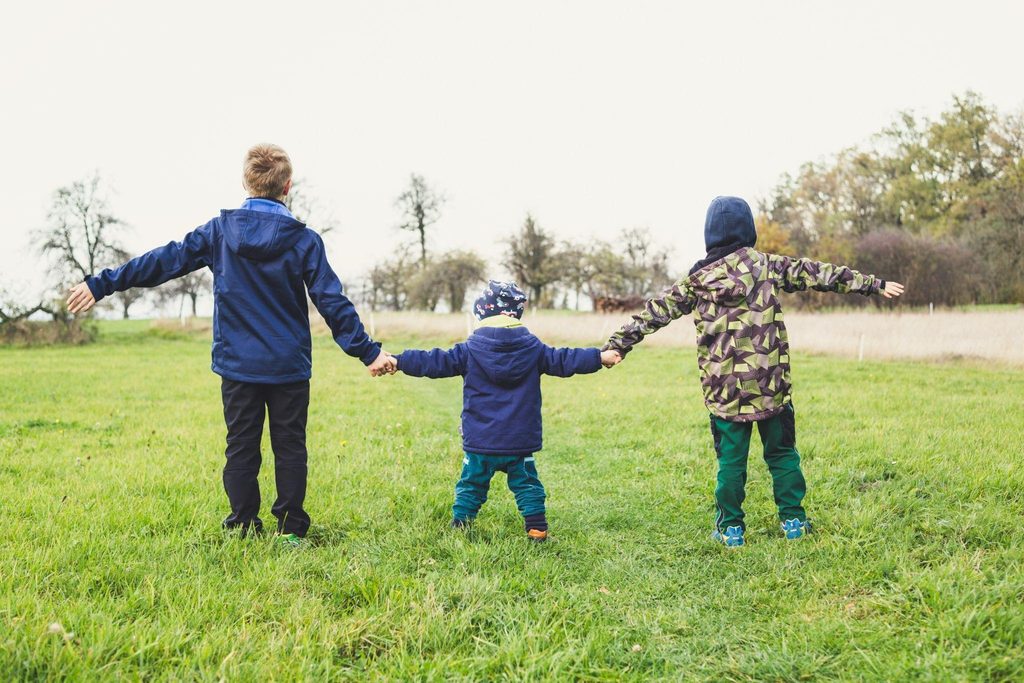
Children often become more enthusiastic about activities when they feel they are genuinely participating rather than simply following their parents. Giving family outings a little personality can strengthen that sense of involvement.
That might mean choosing a regular walking route, inventing a name for weekend adventures, taking photographs from the same viewpoint each season, or letting everyone have particular outdoor clothing they enjoy wearing. Even something simple such as choosing to customize your richardson hat can turn a practical piece of outdoor clothing into something more personal and recognizable during family trips, games, and days spent in the sun.
Children can participate in these choices too. Let them select a backpack, water bottle, cap, picnic blanket, or other small item that becomes associated with family adventures. These details may seem insignificant, but they can help turn outdoor time into part of the family’s shared culture.
Start With Activities That Require Almost No Planning
Parents sometimes make outdoor time more complicated than necessary. If every excursion requires packing the car, travelling somewhere special, and organizing several hours of activities, it becomes difficult to maintain regularly.
Instead, begin with options that can happen almost immediately.
A short walk after dinner, twenty minutes kicking a ball around, a trip to a nearby playground, gardening together, or taking bikes around the neighborhood can all count. The important thing is frequency rather than scale.
Children also tend to find entertainment in places adults overlook. A local park visited repeatedly can change throughout the year. Different insects appear, leaves change, puddles form, flowers emerge, and familiar paths look completely different after rain or snow.
When outdoor activity requires very little preparation, parents are less likely to cancel it because the day has become busy.
Let Children Influence What You Do
Family outdoor time becomes much more appealing when children have some control over it. Adults may naturally choose activities based on what they believe children should enjoy, but their preferences can be quite different.
Offer a few realistic choices. One child might prefer riding a bike while another would rather explore woodland, play football, visit a playground, or have lunch outside.
Children can also take responsibility for parts of the outing. They might choose the walking route, pack snacks, carry a small backpack, decide which game everyone plays, or pick the destination from several options.
This transforms them from passengers into participants.
It is also worth accepting that children often experience outdoor spaces differently from adults. A parent may imagine completing a three-mile walk, while a child becomes fascinated by a stream ten minutes from the starting point. Allowing time for those discoveries can make the experience far more memorable.
Make Outdoor Time Social Rather Than Mandatory
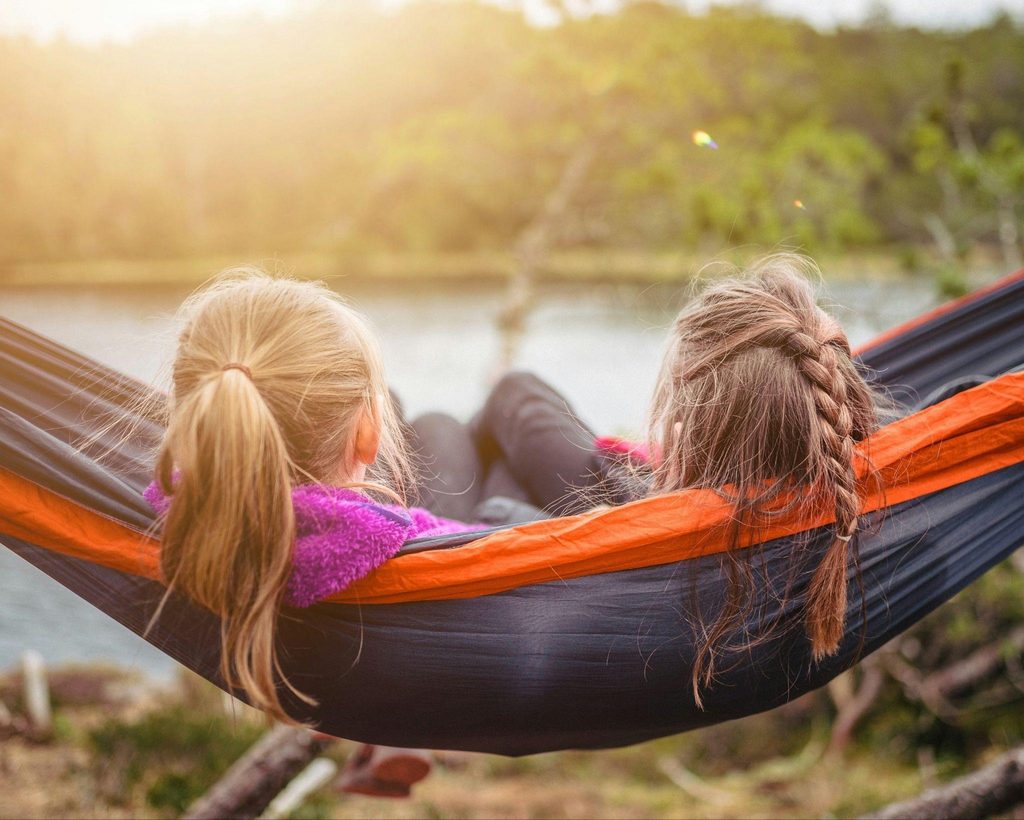
Few things make an activity less attractive than turning it into an obligation. Repeatedly telling children that they “need fresh air” or have spent too long indoors can make outdoor time sound like a punishment for using technology.
A more effective approach is to create something enjoyable that happens to take place outside.
Have dinner on the patio. Invite relatives for a garden afternoon. Walk somewhere to get a snack. Take a football to the park. Organize a scavenger hunt. Bring hot chocolate on a cold-weather walk.
Parents should participate whenever possible rather than supervising from the sidelines. If children see adults enjoying being outdoors, they receive a very different message from simply being instructed to leave their devices inside.
Outdoor time can also become an easy opportunity for conversation. Walking side by side often feels less formal than sitting down specifically to talk, which can make children more willing to share what is happening at school or with friends.
