Quick Answer: No, babies under 2 years old should not have maple syrup. While pure maple syrup does not carry the infant botulism risk of honey, pediatric experts (AAP and CDC) advise avoiding all added sugars before age 2 to support healthy palate development and prevent tooth decay. Use whole fruit purees like mashed bananas or applesauce instead.
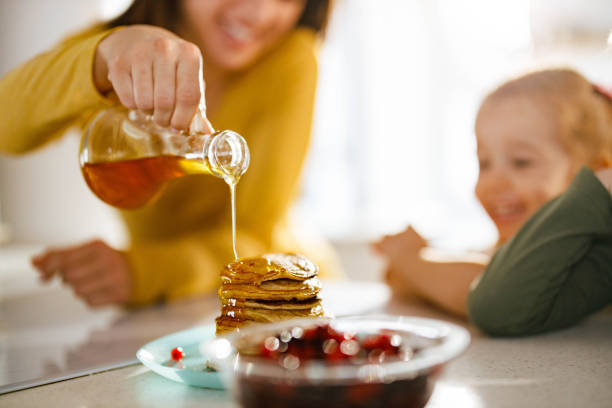
Parenting is a beautiful journey, yet it comes with many challenges, especially related to children’s diets. When you sit at a family breakfast and see your little one is trying to get a pancake, the moment is so beautiful to watch; however, when a baby transitions from milk to solid foods, even you need to pay attention to the ingredients, which are common and have zero harm for adults.
When a baby starts eating solids, you have to manage the nutrition, look to see if they are allergic to something or not, and follow the latest pediatric guidelines; it is completely common to double-check everything you give to the baby.
If you need to give a sweet meal in the morning to a baby, you feel so confused when you think of using ingredients like honey and maple syrup. For this you need to understand how different sweeteners can impact a baby’s digestive system, which is still growing. palate development, and nutritional needs so you can make a meal confidently. In this guide we will look in detail like can babies have maple syrup. So let’s start.
PARENT SAFETY ALERT: Sweetener Guidelines by Age
| Age Range | Maple Syrup | Honey | Primary Health Reason |
|---|---|---|---|
| 0–12 Months | Avoid | STRICT NO | Honey: Infant Botulism Spores / Maple: Added Sugar |
| 12–24 Months | Avoid | Limit | Maple: Palate Development & Empty Calories |
| 24+ Months | Safe | Safe | Serve small portions (1/2 to 1 tsp) alongside protein/fiber |
Infant Botulism vs. Added Sugars: The Science Behind the Age Gap
Many people make this mistake; they consider both honey and maple syrup as a part of one category because they both are natural and amber-colored sweeteners. However, the medical reason indicates they are completely different.
The Botulism Threat in Honey
Honey is considered a harmful sweetener, especially for newborn babies, as it contains dormant spores of Clostridium botulinum, a bacteria that is found in soil and the environment.
When a baby is under 12 months and ingests this bacteria, their digestive system doesn’t stop the bacteria from multiplying and making dangerous neurotoxins. This leads to infant botulism, which is quite rare but needs medical help, resulting in muscle weakness, breathing difficulty, and lethargy.
Why Is Pure Maple Syrup Safe from Botulism?
Pure maple syrup is made by harvesting sap from a maple tree and then boiling it for hours so the water gets evaporated. To reach the thickness, maple sap needs to be heated at a high temperature so there is no chance of bacteria.
Maple syrup cannot be considered toxic to babies like honey, but it still contains a high amount of sugar naturally that affects the infant’s digestive system.
The 3 Hidden Risks of Early Sweetener Exposure (6–24 Months)
Many people have this question in mind: if the maple syrup doesn’t lead to botulism, then why do health experts ask to give it to babies before they turn 2 years old? Well, this recommendation is according to the pediatric metabolic health, palate development, and dental hygiene.
1. Palate Conditioning & Sensory Baseline
During the 2 years of life a child builds a relationship with both food texture and flavor. Infants are naturally born with an innate preference for sweet tastes; that’s why they find breastmilk appealing. If you give them liquid sugar like maple syrup in the first 6 to 12 months, then it will hyper-stimulate sweet taste receptors. This will make other natural items like steamed broccoli, lentils, or plain whole-milk yogurt unappealing.
2. Nutrient Displacement in Small Bellies
When a baby is small, their stomach size is also small, so every bite they take should be rich in nutrients to help in building blocks for rapid brain growth and physical development.
- Iron (for cognitive growth)
- Zinc (for immune function)
- Healthy Fats (for neurological wiring)
- Protein (for tissue development)
It has empty calories and not enough nutrients. It will just take up space in the stomach, and the baby will turn away from other items. There will be micronutrient deficiencies.
3. Oral Microbiome & Milk Teeth Enamel
When a baby has teeth in 6 to 10 months, they are also vulnerable to early cavities, which obviously happen because of sugary items like maple syrup that are viscous and can stick to the surfaces of primary enamel. Cavities take place in kids’ teeth more as compared to adults.
The “Baked-In” Trap: Does Cooking Maple Syrup Make It Safe?
A common question among parents preparing baby-led weaning (BLW) recipes is, “Can I use a little amount of maple syrup in oat bars or mini pancakes when baking?” The answer is no because baking can kill the bacteria, but it won’t destroy the sugar, so even if you want to try a trick by adding syrup to baking items, it is still not suitable for babies under 2 years old.
When you prepare homemade baked goods for babies under 24 months old, avoid liquid sweeteners completely and depend on whole fruit purees.
Age-Based Feeding Matrix (0 to 24+ Months)
To help you decide what belongs on your child’s plate, use this quick reference matrix:
| Age Group | Maple Syrup Status | Serving Guidance | Recommended Whole-Food Alternatives |
|---|---|---|---|
| 0–6 Months | Strictly Off-Limits | Zero intake. | Exclusive breastmilk or infant formula. |
| 6–12 Months | Avoid | No added sugars in purees, solids, or baked goods. | Steamed pear puree, mashed sweet potato, banana mash. |
| 12–24 Months | Avoid / Limit | Continue avoiding added sugars to support dietary variety. | Unsweetened applesauce, fresh berries, pumpkin puree. |
| 24+ Months | Occasional Treat | Light drizzle (1/2 to 1 tsp) served alongside protein or fiber. | 100% pure Grade A maple syrup, ripe fruit mash. |
Whole-Food Sweetness: Swapping Maple Syrup in Baby Recipes
You don’t need to add sugars to make the baby meals tasty and appealing. Whole fruit and naturally sweet vegetables are rich in flavor profiles along with nutrients like dietary fiber, essential vitamins, and minerals.
1. Ripe Banana Mash
You can add mashed bananas when you are making oatmeal, grain porridge, or baby-led weaning pancakes. Bananas are rich in potassium, vitamin B6, and dietary fiber that helps in slowing down the sugar absorption.
2. Unsweetened Applesauce
You can add it in baking goods for a little sweetness, like muffins, infant waffle batters, or yogurt. Unsweetened applesauce delivers pectin, which is a soluble fiber that supports gut health, and vitamin C.
3. Steamed Pear Puree
You can stir it into the plain Greek yogurt, chia pudding, or roasted root vegetable mashes. Steamed pear puree is smooth on digestive tracts and also rich in hydration plus fiber.
4. Mashed Sweet Potato or Pumpkin Puree
These two items help in enhancing savory dishes like infant pancakes or warm breakfast bowls. Mashed sweet potato or pumpkin puree is rich in beta-carotene (vitamin A), which supports both eye health and immune function.
Also Read: Can 1 Year Old Have Honey? Safety Guide & Age Limits
Introducing Pure Maple Syrup at Age 2
Once a baby hits their second birthday, their digestive system, dietary habits, and metabolic pathways get established. At this stage a small amount of pure maple syrup won’t cause any issues and can fit in a balanced diet. Only serve 1/2 teaspoon because even a tiny drizzle will be enough for your toddler.
Never give syrup to babies directly; always pair it with items that are rich in protein, healthy fats, or complex carbohydrates like plain full-fat Greek yogurt, steel-cut oats, or whole-grain nut-butter toast. Protein- and fiber-rich food items help in slowing down the gastric emptiness and also help in preventing blood sugar spikes.
Always read ingredient labels and make sure the package label includes only a single ingredient that is pure maple syrup. Avoid commercial pancake syrups and breakfast syrups, which are high in fructose corn syrup, artificial colorings, and synthetic flavorings.
Real Maple Syrup vs. Commercial Pancake Syrup
Understanding what is inside the bottle helps you make the best choices for your family’s table:
| Feature | 100% Pure Maple Syrup | Commercial Pancake Syrup |
|---|---|---|
| Source Material | 100% sap collected from sugar maple trees. | Refined corn syrup, high-fructose corn syrup, water. |
| Additives | None. No preservatives, dyes, or added flavors. | Artificial maple flavors, caramel colorings, preservatives. |
| Micronutrients | Trace amounts of manganese, zinc, and antioxidants. | Empty calories with negligible micronutrient value. |
| Botulism Risk | None (boiled extensively during harvesting). | None (factory processed), unless blended with honey. |
| Age Recommendation | 2+ Years (occasional use). | Avoid for young children due to heavy refining. |
Real-World Parent Scenarios & FAQs
What if my 9-month-old accidentally licked maple syrup off a pancake?
First of all, don’t panic, as maple syrup is strictly not allowed because of less nutrition instead of any bacterial risk. Your main concern should be monitoring a baby, offering them breast milk/formula, and then water so they get back to a normal, no-sugar routine.
Are store-bought “maple-flavored” baby cereals safe under 12 months?
You need to skip them completely because the commercial baby food labeled includes maple flavor, which is just based on sugars, cane sugar, or concentrated fruit juices to get the flavor. Always check the packaging; if there is a line that shows added sugars more than zero, then avoid buying it.
Is raw, unpasteurized maple sap safe for infants?
No raw one that comes from a maple tree doesn’t include a heating or boiling process, which makes the maple syrup pure. Raw maple sap comes with environmental bacteria naturally and should not be offered to children of any age.
What is the difference between Grade A light amber and dark maple syrup for kids?
Grade A colors show the harvesting time; lighter syrup gets harvested earlier in the season and comes in a mild flavor, whereas darker syrup is harvested later with a stronger taste. For toddlers over 2, both options can be given in less quantity.
Summary Checklist for Parents
| Category | Recommended Action | Best Practice / Pro-Tip |
|---|---|---|
| Babies Under 2 | Skip Maple Syrup | Avoid all added sugars to protect milk teeth and prevent sweet palate conditioning. |
| Natural Swaps | Use Whole Fruits | Sweeten oatmeal or pancakes with mashed ripe banana, applesauce, or pear puree instead. |
| Toddlers (2+ Years) | Serve in Moderation | Stick to a 1/2 to 1 tsp drizzle of 100% pure Grade A maple syrup as an occasional treat. |
| Label Checking | Read Ingredients | Always buy 100% pure maple syrup; avoid artificial “pancake syrups” made with high fructose corn syrup. |
| Accidental Licks | Don’t Panic | Maple syrup does not carry a botulism risk. A single accidental lick under age 2 is not a medical emergency. |
Where to Read More: Official Public Health Resources
- CDC Infant and Toddler Nutrition Guidelines
- USDA Dietary Guidelines for Americans (0–24 Months)
- FDA Food Safety Guide for Infants and Young Children
- NIH MedlinePlus Infant Botulism and Feeding Safety
