
The toddler years (roughly 12–36 months) are a pivotal window for tracking growth, development, nutrition, and overall health. Moreover, they are more susceptible to illnesses compared to older children. According to CDC estimates, flu-related hospitalizations among children younger than 5 have ranged from 6,000 to 25,000 per year in the US. Some children even die from the flu annually.
Between the 2004-2005 season and the 2024-2025 season, flu-related deaths in children have ranged from 37 to 297. Among the reported cases of flu-related deaths in children in the 2024-2025 season, nearly 90% occurred in those who were not fully vaccinated. These numbers highlight the significance of preventive care, particularly for toddlers.
Parents should understand that preventive care isn’t just about treating illnesses. Rather, it is about catching potential concerns early, supporting healthy habits, and building a strong foundation for the future.
Keep Up with the Recommended Well-Child Visits
If you think that you can skip the regular well-child visits if your toddler is healthy, you are mistaken. Pediatrician Wadie Shabab, MD, notes that these visits play a key role in protecting children’s health. Cleveland Clinic highlights the AAP Bright Futures periodicity schedule that outlines well-child visits at 12, 15, 18, 24, and 30 months, with annual visits thereafter.
Routine toddler checkups are designed to monitor their height, weight, growth patterns, behavior, and general health. During these visits, providers review immunizations, assess development, discuss nutrition and sleep, and address parental questions.
Besides pediatricians and family physicians, Family Nurse Practitioners (FNPs) can provide comprehensive guidance related to preventive care for toddlers. FNPs are, in fact, more accessible in primary care settings. According to Texas Woman’s University, they are trained to provide holistic care to patients across all age groups.
Many RNs now pursue online BSN to FNP programs to upskill without leaving their jobs. They can also pursue specializations such as cardiology, dermatology, endocrinology, nephrology, and palliative care. For families seeking preventive care, these practitioners can provide the support they need.
Stay Current on Immunizations and Screenings
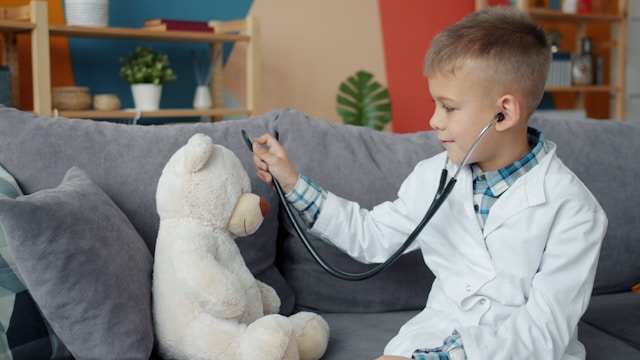
An up-to-date vaccination record protects toddlers from serious, preventable diseases. During well-child visits, providers review which immunizations are due. These include MMR, varicella, DTaP, Hib, and hepatitis A boosters. Providers also administer them according to CDC and AAP schedules.
Developmental Surveillance enables clinicians to identify children at risk for developmental delay. AAP notes that it should be a part of every health supervision visit for your toddler. During these visits, clinicians should do a thorough assessment of developmental progress, concerns, and promotion.
Age-appropriate screenings can be recommended depending on the child’s age and risk factors. These include anemia tests, lead level checks, vision screening, and autism assessments.
Adopt Everyday Health Habits
For parents raising toddlers, keeping them safe from illnesses is not just about periodic doctor visits, screenings, and immunizations. Prevention continues between doctor’s appointments through daily habits. In fact, you should weave a few everyday health habits into your child’s daily routine.
Start with nutritious meals with a variety of fruits, vegetables, whole grains, and proteins, and establish healthy mealtime routines. Ensure adequate sleep, with 11–14 hours per day being ideal for toddlers. Encourage active play and limit screen time to no more than one hour per day for children ages 2–5.
Oral hygiene matters too for toddlers. Brush twice daily with fluoride toothpaste and avoid juice and sugary drinks. Basic safety practices, such as using rear-facing car seats until age 2, securing furniture, and supervising water play, further support toddler wellness at home and outside.
Know When to Raise Concerns
As a parent, you must know when to see a pediatrician because you need not get into panic mode every time your little one seems not like themselves. However, changes in behavior, development, appetite, sleep, or physical health shouldn’t automatically be dismissed as “just a phase.”
According to SickKids, fever usually means that the body is fighting an infection. However, a temperature of 38°C (100.4°F) or higher could be a warning bell. You must see a doctor if the fever lasts for more than 5 days. Be extra cautious for babies less than three months old. Keep notes about recurring symptoms, developmental concerns, or anything that feels off.
A family healthcare provider can help assess these concerns and determine whether additional evaluation or referral is appropriate. Early conversations can help families access support, resources, and intervention services when needed, improving long-term outcomes.
Frequently Asked Questions by Parents
How can parents track developmental milestones effectively?
Use CDC or AAP milestone checklists to monitor language, motor, social, and cognitive skills at each age. Keep notes on new abilities or concerns, and share them during well visits or sooner if you notice delays or regression.
What if I miss a vaccination in my toddler immunization schedule?
Don’t restart the series, but resume as soon as possible. Check your child’s vaccine record, then contact your pediatrician or clinic to create a catch-up plan. Most vaccines remain effective even if delayed.
When should I worry if my toddler has diarrhea?
Call your pediatrician if diarrhea lasts more than 24–48 hours, or if your toddler shows dehydration signs like fewer wet diapers, dry mouth, or no tears. Seek care sooner for high fever, blood or black stools, severe belly pain, or repeated vomiting.
Key Takeaways
| Area | Key Data |
| Flu hospitalizations | 6,000–25,000 children under 5 annually |
| Flu deaths | 37–297 pediatric deaths per season |
| Vaccination | Nearly 90% of 2024–25 flu deaths involved children not fully vaccinated |
| Well-child visits | 12, 15, 18, 24 & 30 months, then annually |
| Sleep | 11–14 hours daily |
| Screen time | Up to 1 hour/day for ages 2–5 |
