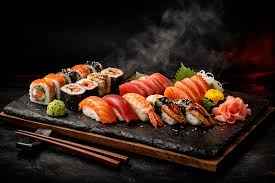
Quick Answer: Yes, you can eat sushi when pregnant, provided the seafood is fully cooked to an internal temperature of 145°F (63°C) or made with 100% plant-based ingredients. Pregnant women must avoid raw or undercooked fish, raw fish roe (tobiko/masago), and high-mercury species (like Bigeye Tuna and Swordfish) to prevent severe risks from Listeria, parasites, and heavy metal exposure. Popular safe choices include California rolls, shrimp tempura, and avocado rolls.
In pregnancy, many women who already love seafood crave it more; some want tuna, while others want sushi. However, every woman is worried about safety; they search, “Can you eat sushi when pregnant?” Yes, you can, but only if it is fully cooked because raw fish poses serious risks of bacteria like listeria and parasites.
From crispy shrimp tempura to California rolls, there are many delicious and nutrient-dense options that are completely safe in pregnancy for both mother and baby.
In this comprehensive guide we will break down every famous roll in the menu, red flags when you need to skip, hidden risks in sauces like spicy egg mayo, and give you a safety checklist so you can order confidently.
10-Second Executive Summary: Safe, Caution & Avoid List
You can eat California rolls, shrimp tempura rolls, dragon rolls, spider rolls, tamago, vegetable rolls, and teriyaki chicken.
Canned Light Tuna Rolls, Spicy Rolls with House Mayo, Hot-Smoked Salmon Rolls, Imitation Crab with Specialty Sauces and Supermarket or Takeaway Pre-packaged sushi. Eat all these items with caution.
Avoid spicy tuna rolls, salmon or tuna, yellowtail (hamachi), bigeye tuna, raw oysters, clams, ceviche, swordfish, king mackerel, shark, tobiko, and masago.
Quick Memory Rule for Expecting Moms
- Is it fully cooked? (Tempura, grilled, or steamed)
- Is it low in mercury? (Avoid bigeye tuna, swordfish, and king mackerel.)
- Are fish eggs or raw sauces removed? (Skip Tobiko, Masago, and raw-egg dressings)
25+ Popular Sushi Rolls Rated (Safe vs. Unsafe Directory)
You can safely use these charts while ordering at restaurants. The first one on the list is the items that are rich in protein or plant-based and free from bacteria like Listeria and Anisakis parasites.
| Roll Name | Core Ingredients | Safety Status & Rationale |
|---|---|---|
| 1. California Roll | Imitation crab (Surimi), avocado, cucumber | Safe Imitation crab is made from cooked whitefish paste (Alaska Pollock). |
| 2. Shrimp Tempura Roll | Deep-fried shrimp, cucumber, eel sauce | Safe Frying shrimp thoroughly heats it past the safe 145°F threshold. |
| 3. Dragon Roll | Grilled eel (Unagi), cucumber, topped with avocado | Safe Japanese eel is always served fully cooked/grilled. |
| 4. Spider Roll | Deep-fried soft-shell crab, cucumber, avocado | Safe Soft-shell crab is battered and deep-fried until fully cooked. |
| 5. Boston Roll | Poached/cooked shrimp, avocado, cucumber | Safe Shrimp is boiled/poached before rolling. |
| 6. Caterpillar Roll | Grilled eel (Unagi), cucumber, avocado slice overlay | Safe Completely cooked eel base; healthy plant fats from avocado. |
| 7. Avocado Roll | Fresh avocado, sushi rice, nori | Safe 100% plant-based; rich in pregnancy-essential folate. |
| 8. Cucumber Roll (Kappa Maki) | Fresh cucumber, sushi rice, nori | Safe Hydrating and 100% plant-based. |
| 9. Sweet Potato Tempura Roll | Fried sweet potato, eel sauce | Safe Fully cooked plant-based tempura. |
| 10. Tamago Nigiri / Roll | Sweet Japanese cooked egg omelette | Safe Fully cooked egg layer over rice (ensure egg is firm, not runny). |
| 11. Salmon Skin Roll | Crispy grilled/baked salmon skin, cucumber | Safe Salmon skin is cooked until crispy; high in healthy omega-3s. |
| 12. Vegetable / Garden Roll | Pickled radish, avocado, cucumber, carrot | Safe Zero animal products; ask for clean cutting boards. |
| 13. Teriyaki Chicken / Beef Roll | Grilled chicken/beef, teriyaki glaze | Safe Fully cooked meat protein option. |
| 14. Futomaki | Cooked egg, sweet gourd, spinach, mushroom | Safe Traditional thick roll made entirely with cooked vegetarian ingredients. |
Caution Rolls: Mercury & Sauce Rules
You can eat the following items but with caution because they are made from different sauces, smoked fish, and mercury consumption limits.
| Roll Name | Core Ingredients | Caution Factor & How to Order Safely |
|---|---|---|
| 15. Spicy Tempura Roll | Cooked shrimp/fish tempura + spicy mayo | Caution The fish is safe, but verify the spicy mayo uses commercial pasteurized mayo (not raw egg yolk). |
| 16. Philadelphia Roll | Salmon, cream cheese, cucumber | Caution Standard rolls use raw salmon. Only order if made with fully cooked grilled salmon or hot-smoked salmon. |
| 17. Alaska Roll | Salmon, avocado, crab mix | Caution Typically contains raw salmon. Request a variation made with cooked salmon or cooked crab only. |
| 18. Canned / Light Tuna Roll | Cooked canned light tuna, mayo | Caution Safe from bacteria, but limit to 2–3 servings (8–12 oz) per week due to moderate mercury. |
| 19. Volcano Roll | Baked seafood mix (crab/scallop), spicy sauce | Caution Usually baked, but confirm with the chef that all internal seafood is baked thoroughly to 145°F throughout. |
Raw Rolls & Toppings to Avoid
Avoid all items from the list because they contain uncooked fish, raw shellfish, fish eggs, or high-mercury species.
| Roll / Item Name | Primary Risk Ingredient | Specific Risk During Pregnancy |
|---|---|---|
| 20. Spicy Tuna Roll | Raw minced yellowfin/bigeye tuna | High Risk Uncooked fish + risk of raw-egg mayo dressings. |
| 21. Salmon Nigiri / Sashimi (Sake) | Raw salmon slice | High Risk Uncooked; potential carrier of Listeria and parasites. |
| 22. Tuna Nigiri (Maguro) | Raw tuna slice | High Risk Uncooked fish + elevated mercury content. |
| 23. Rainbow Roll | California roll topped with raw fish assortment | High Risk Topped with raw salmon, tuna, and yellowtail. Cannot be made safe by removing toppings due to cross-contamination. |
| 24. Yellowtail Roll (Hamachi) | Raw young yellowtail | High Risk Uncooked seafood with higher mercury levels. |
| 25. Spicy Salmon Roll | Raw chopped salmon, chili sauce | High Risk Uncooked fish; bacterial contamination risk. |
| 26. Tobiko / Masago / Ikura | Flying fish roe, capelin roe, salmon eggs | High Risk Raw fish eggs are typically unpasteurized and carry Listeria risks. |
| 27. Uni Nigiri | Raw sea urchin gonads | High Risk Uncooked marine tissue; high risk for foodborne bacteria. |
| 28. Bigeye Tuna / Swordfish Roll | Raw or cooked Bigeye / Swordfish | High Risk Extremely high mercury content; can impair fetal neural development even if cooked. |
The Hidden Safety Factor: Sauces, Toppings & Fish Roe
When finding an answer to whether sushi is safe in pregnancy or not, most mothers pay attention to only the fish. However, the main rise lies in sauces, garnishes, and fish roe because of unpasteurized raw eggs and high sodium levels in raw and unpasteurized seafood tissues. It’s just as important to know what goes on top of the roll as what’s inside.
Spicy Mayo & Cream Sauces: Pasteurized vs. House-Made
The main staples in sushi nowadays are mayonnaise, yum-yum sauce, dynamic sauce, and house-made aioli. The primary concern about them isn’t spice, but it’s the raw egg yolks, which have a risk of Salmonella enteritidis.
The commercial ones are completely safe because they contain pasteurized eggs; however, the homemade ones that are found at traditional restaurants are made from unpasteurized egg yolks blended with chili oil, so they are unsafe in pregnancy.
Always ask the server: Is your spicy mayo made in-house using raw egg yolks, or do you use pasteurized commercial mayonnaise? “If the kitchen makes it from scratch, ask to replace spicy mayo with sriracha or unagi sauce.
Fish Eggs (Tobiko & Masago) Safety Rules
You may see there are crunchy, colorful spheres sprinkled over California rolls or maki rolls; these are fish roe. Flying fish eggs, capelin fish eggs, and salmon roe are also included in these. They are risky because they are unpasteurized raw fish eggs, so they have the risk of Listeria monocytogenes. This bacteria can be harmful in pregnancy by crossing the placenta and leads to complications like miscarriage or premature labor.
Always ask at order: Please hold all fish eggs, masago, tobiko, and roe garnishes from my entire order.
Soy Sauce & Eel Sauce Sodium Guidelines
The soy and eel sauces are completely cooked or fermented and have zero risk of foodborne bacteria; however, they are high in sodium and sugar, which need consideration in pregnancy. Soy sauce has 900–1,000 mg of sodium, nearly 45% to 50% of the recommended daily intake (2,300 mg) for pregnant women. Ask for low-sodium sauce only. Eel sauce is safe in pregnancy because the sauce is boiled, but in moderation.
High-Mercury vs. Low-Mercury Fish Breakdown
While bacteria can be a risk, another one is the fish’s mercury. Doctors strictly ask to avoid high-mercury fish in pregnancy. Big fish have more mercury, whereas small fish have less. I’m not saying you need to avoid fish for 9 months straight; fish are good in pregnancy in moderation as they are rich in omega-3 fatty acids (DHA and EPA). Always go for low-mercury ones.
Safe Low-Mercury Options (2–3 Servings/Week)
All the species in this chart have 0.1 ppm mercury and are categorized as the FDA’s “Best Choices.” You can safely eat 8 to 12 ounces (2 to 3 adult servings of 4 oz each) per week.
| Seafood Species & Menu Name | Mercury Level | Primary Health Benefit |
|---|---|---|
| Salmon Sake (Cooked) | 0.022 ppm | Highest natural source of fetal brain-building DHA. |
| Shrimp Ebi | 0.009 ppm | Extremely low mercury; rich in protein and lean selenium. |
| Imitation Crab / Pollock Surimi / Suketo-dara | 0.031 ppm | Very low mercury; primary base for California rolls. |
| Eel Unagi (Grilled) | 0.050 ppm | Rich in Vitamin A, Vitamin D, and essential fatty acids. |
| Crab Kani | 0.065 ppm | Excellent source of folate, zinc, and copper. |
| Canned Light Tuna Skipjack Tuna | 0.126 ppm | Low-mercury tuna choice (distinct from Albacore or Bigeye). |
Moderate-Mercury Options (Limit to 1 Serving/Week)
All these species contain 0.15 ppm to 0.35 ppm. You can safely enjoy 1 serving (4 ounces) per week. Make sure not to consume any other fish beyond this limit.
| Seafood Species & Menu Name | Mercury Level | Consumption Guideline |
|---|---|---|
| Yellowfin Tuna Ahi | 0.354 ppm | Limit strictly to 1 serving (4 oz) cooked per week. |
| Albacore / White Tuna Bincho-maguro | 0.350 ppm | Max 6 oz per week total (canned white or cooked steak). |
| Mahi Mahi Shiira | 0.152 ppm | Cook thoroughly; do not exceed 1 serving per week. |
| Halibut Hirame (Cooked) | 0.241 ppm | Moderate level; ensure absolute internal cooking. |
High-Mercury Fish to Avoid Entirely
These big fish have toxic mercury concentrations between 0.50 ppm and 1.00+ ppm. The FDA and EPA ask to avoid them completely in pregnancy and breastfeeding, whether the fish is fully cooked or raw.
Bigeye Tuna (Mebachi): Bigeye is a massive, long-lived predator that has 3x the mercury of yellowfin. Avoid it in pregnancy.
Swordfish (Mekajiki): A top-chain ocean predator with high mercury levels of 1.0 ppm.
King Mackerel (Sawar): High accumulation rates; don’t consider it as safe as the low-mercury Chub or Pacific Mackerel.
Tilefish & Shark (Fukahire): They have the highest mercury.
Biological Risks Explained: Bacteria, Parasites & Mercury
In pregnancy, you notice everything you eat, specifically the seafood; understanding why such food comes with warnings is essential. Raw or undercooked seafood items have 3 risk factors, like pathogenic bacteria, marine parasites, and heavy metal neurotoxins.
While a healthy adult immune system can fight these, when you are pregnant, the immune system is weak and vulnerable to bacteria.
Listeria monocytogenes: Why Freezing Isn’t Enough
It is a foodborne bacterium that has many negative effects if it enters the body during pregnancy. Unlike most bacteria, which can’t survive in cold temperatures, listeria can easily double when you refrigerate an item at 32°F to 40°F / 0°C to 4°C. Some people think freezing a raw fish can destroy Listeria bacteria, but that is not correct. The freezing can stop the growth but doesn’t kill the bacteria. When the frozen raw fish gets thawed, the bacteria start reactivating and can double too.
Impact on Pregnancy & Fetal Health
Pregnant women are more vulnerable to bacteria as compared to a nonpregnant person. If the listeria goes into the body, you may notice symptoms like low-grade fever, muscle aches, fatigue, and minor stomach upset.
However, if listeria passes the placenta barrier, it causes severe infections in the first or second trimester, which leads to inflammation and fetal loss.
Anisakis Parasites & Commercial Flash-Freezing
Anisakis simplex, or herring worm, is a parasite that lives in the digestive tract or muscle tissue of fish, especially in raw salmon, cod, squid and tuna. Ingestion of raw or undercooked fish with live Anisakis larvae results in the larvae entering the mucosal lining of the stomach or small intestine, causing “anisakiasis.” It can cause symptoms such as severe abdominal pain, nausea, vomiting, diarrhea, and severe allergic reactions hours after you eat it.
According to the FDA and European authorities, all fish that are served raw or undercooked need to go into strict commercial flash-freezing protocols so the worms can be destroyed.
Freeze the raw fish at a temperature of -4°F (-20°C) or colder for 7 days or flash-freeze at -31°F (-35°C) for 15 hours.
These methods can help in killing the parasites. There are two major risks if you are a pregnant woman. If you are going to a restaurant for eating, then not all of them verify their supplier uses any method of freezing. Treatment of anisakiasis in pregnancy is rather difficult. The medicines can be tough, or the surgery would be a health risk for pregnant women.
Fetal Mercury Exposure Risks
Listeria and parasites are common in fish or other protein sources; they can be destroyed, but if we talk about methyl mercury, which is found in big sea predators, it cannot be finished. When a pregnant woman eats a high-mercury fish like bigeye tuna, swordfish, or king mackerel, the mercury is absorbed by the digestive tract into the bloodstream quickly, where it can easily cross the placenta via amino acid transporters. The baby is still developing. So this mercury ends up in brain tissue. Concentrations can exceed those in maternal blood by 30% or more.
Methylmercury acts as a potent neurotoxin that creates problems in fetal neural cell division, cell migration, and the central nervous system. High mercury exposure can lead to severe neurological conditions known as Minamata disease; it is linked to cognitive delays, deficits in motor control, and attention deficits.
Since the mercury goes into tissue directly, it takes months to clear the human body, so avoiding high-mercury fish completely in pregnancy is the best thing you can do.
Dining Out Protocol: Avoiding Cross-Contamination
Even when you go to a restaurant and order a fully cooked roll like a California Roll or Shrimp Tempura Roll, cross-contamination is a real food safety hazard. They also make sushi there, so they might be using the same cutting boards and knives and wiping cloths and bamboo rolling mats for everything, so bacteria can pass from the raw to the cooked.
What to Say to Your Server (Exact Script)
When you order something outside your home, always do transparent and clear communication with the waiter and ask for extra precautions. You can use the following script:
Hi! I am pregnant, so I need to make sure all my food is fully cooked. Can you please confirm with the chef that my rolls are made on clean cutting boards with fresh gloves and clean knives so there is no cross-contamination with raw fish? Also, please ensure there is no raw fish eggs or masago on top. Thanks so much!
You can also ask for a quick kitchen tour before ordering food. Check that the sushi bar station is separate from cooked items. Check if the chef using a bamboo rolling mat in fresh plastic wrap changes between rolls. Check if the fishes that are available are under a melted ice pool or not.
Safe Homemade Sushi Guide & Internal Cooking Temperatures
Making sushi at home is the best and safe way to satisfy your craving in pregnancy. When you prepare your rolls, you have full control over the ingredients, cleaning, and cooking temperature.
Safe Ingredients for Homemade Rolls
When you assemble the homemade maki or nigiri, stick to cooked proteins and pasteurized items and wash plant-based ingredients.
For protein, use boiled or grilled shrimp, steamed crab meat, fried soft-shell crab, or fully cooked paste of commercially pasteurized white fish. Grilled eel from the store, canned seafood, pasteurized eggs, fully cooked teriyaki chicken strips, thin-sliced cooked beef, or crispy baked bacon.
For plant-based ingredients, use fresh avocado slices, cucumber spears, sweet potato tempura, pickled radish (takuan), steamed asparagus, or bell pepper strips. Make sure to wash them properly and fully before cutting.
For pantry staples, go for short-grain sushi rice seasoned with vinegar, sugar, and salt, wrapped in toasted nori seaweed sheets. Buy a bottle and store-bought mayonnaise, which has pasteurized eggs. Also buy other sauces like eel sauce, sriracha, and low-sodium soy sauce.
Internal Cooking Temperature Requirements (145°F Rule)
The most effective way to get rid of harmful bacteria is to cook food at high temperatures.
Cook all fresh fish, shrimp, crabs, or scallops until they reach an internal temperature of 145°F (63°C). Use a digital thermometer to check the thickest part. Chicken teriyaki rolls can be cooked to an internal temperature of 165°F (74°C). For pre-cooked items such as eel (unagi) or smoked salmon, cook the protein to a temperature of 165°F.
Follow hygiene rules such as washing your hands for 20 seconds before and after handling raw meat items. Properly clean cutting boards, rolling mats, and chef knives. Eat sushi immediately or refrigerate it at 40°F (4°C) or below for no longer than 24 hours.
Nutritional Benefits of Pregnancy-Safe Japanese Cuisine
Many women think that skipping raw fish means missing out on the advantages of it; however, it’s not the case. In fact, pregnancy-safe Japanese cuisine is full of essential macro- and micronutrients, which support both mom’s health and fetal development.
Omega-3 DHA for Fetal Brain Development
Docosahexaenoic acid (DHA) is the most important fatty acid needed to build fetal brains, neural pathways, and retina tissue. The human body cannot produce it, so you can only get it by eating food items that have it. Fish is the best source when it comes to DHA; you can have it in the second and third trimesters when fetal brain growth peaks. Eat cooked wild salmon, cooked trout, and grilled eel (unagi), as they are safe in pregnancy.
Iodine, Folate & Protein Sources
Beyond fatty acids, other nutrients can also be found in pregnancy-safe sushi rolls, soups, and side dishes, like iodine, folate, protein, and probiotics.
Iodine (Nori Seaweed): Seaweed sheets are used in sushi wrapping; they are rich in iodine that is needed in pregnancy for maternal thyroid function and healthy fetal brain development.
Folate (Avocado & Edamame): Fresh avocado and steamed edamame (soybeans) Both are rich in vitamin B9, which is important for neural tube formation and reduces the risk of spina bifida.
High-Quality Protein: Cooked shrimp, crab, tofu, edamame, and grilled chicken deliver lean meat that is rich in protein needed for tissue synthesis, blood volume expansion, and fetal growth.
Probiotics (Miso Soup): Fermented soybean paste used in miso soup is rich in probiotics that help in better digestion.
Medical Disclaimer: This content is for informational purposes only and is not a substitute for professional medical advice, diagnosis, or treatment. Always seek the advice of your obstetrician or qualified healthcare provider with any questions regarding your health or dietary needs during pregnancy. Never disregard professional medical advice or delay in seeking it because of something you have read here.
What to Do If You Accidentally Ate Raw Fish
If you unintentionally eat a raw fish or roll topped with unpasteurized fish eggs like tobiko or masago, then first of all, don’t panic, as one-time consumption won’t lead to infection in every case. All you need to do is look for symptoms like severe stomach cramping, nausea, violent vomiting, watery diarrhea, or chills in the first 24 to 72 hours.
Listeria symptoms won’t be visible quickly, so watch for it in weeks 1 to 4. If you face symptoms like persistent low-grade fever, muscle aches, headache, fatigue, or a stiff neck, then go to the doctor.
The Ultimate Pregnancy-Safe Alternatives Chart (Non-Sushi Edition)
| Category & Dish | Main Ingredients | Why It Is 100% Safe | Key Pregnancy Benefit |
|---|---|---|---|
| 1. Chicken or Pork Katsu Curry Hot Entrees & Cutlets | Panko-breaded fried cutlet, rich Japanese curry sauce, rice | 100% Safe Deep-fried meat reached well past 165°F (74°C) internal temp; served steaming hot. | High in lean protein and iron; skips the sushi prep counter entirely. |
| 2. Chicken Teriyaki Donburi Hot Entrees & Cutlets | Grilled chicken breast, sweet teriyaki glaze, steamed rice, cooked veggies | 100% Safe Chicken is grilled thoroughly; zero raw seafood contact. | Excellent source of niacin, B-vitamins, and clean protein. |
| 3. Salmon Teriyaki / Shioyaki Hot Entrees & Cutlets | Grilled or pan-seared salmon fillet (cooked well-done) | 100% Safe Fully cooked salmon eliminates Listeria and parasites completely. | Highest natural source of Omega-3 DHA for fetal brain development. |
| 4. Vegetable or Pork Ramen Hot Noodles & Soups | Hot broth, wheat noodles, cooked pork slice (Chashu), hard-boiled egg | 100% Safe Boiling soup base sterilizes ingredients. (Ensure egg is hard-boiled, not soft/runny). | Comforting hydration, carbohydrates for energy, and collagen/protein. |
| 5. Tempura Udon / Soba Hot Noodles & Soups | Thick wheat noodles in hot broth topped with crispy shrimp/veggie tempura | 100% Safe High frying heat cooks shrimp/vegetables past 145°F (63°C). | Gentle on the stomach; provides sodium for electrolyte balance. |
| 6. Gyoza (Pan-Fried or Steamed) Dumplings & Buns | Pork, chicken, or vegetable filling wrapped in thin dough | 100% Safe Fillings are steamed or pan-fried until fully cooked inside. | Easily digestible protein source; great for satisfying savory cravings. |
| 7. Kakuni / Pork Belly Buns Dumplings & Buns | Slow-braised pork belly, steamed bao buns, sweet soy glaze | 100% Safe Braised at high heat for hours until meltingly tender. | Rich in iron, zinc, and calorie-dense energy for second/third trimesters. |
| 8. Yakitori (Chicken Skewers) Crispy Appetizers & Skewers | Grilled chicken thighs, green onions, sweet tare glaze | 100% Safe Cooked directly over high charcoal/grill flames until well-done. | High-protein, low-carb snack option. |
| 9. Vegetable & Shrimp Tempura Crispy Appetizers & Skewers | Battered sweet potato, pumpkin, eggplant, and shrimp | 100% Safe Deep-frying guarantees all internal ingredients reach high heat. | Rich in Beta-Carotene (Vitamin A) and plant fiber. |
| 10. Steamed Edamame Side Dishes & Starters | Steamed green soybeans sprinkled with sea salt | 100% Safe Boiled/steamed in the pod; zero cross-contamination risk. | Powerhouse of natural folate (B9), plant protein, and fiber. |
| 11. Miso Soup Side Dishes & Starters | Fermented soybean paste, dashi broth, tofu, wakame seaweed | 100% Safe Served piping hot; broth is simmered thoroughly. | Probiotics for maternal gut health + iodine from seaweed for fetal thyroid function. |
| 12. Agedashi Tofu Side Dishes & Starters | Deep-fried tofu blocks in warm dashi broth with green onions | 100% Safe Tofu is fried at high temperatures and served in hot broth. | Rich in plant-based calcium and protein. |
References & Public Health Sources
- U.S. Food & Drug Administration (FDA)Provides the official US categorization of safe low-mercury fish, weekly serving limits, and high-mercury species to avoid during pregnancy.
- U.S. Department of Health & Human Services (FoodSafety.gov)Establishes federal food safety guidelines for expecting mothers, including the mandatory 145°F (63°C) internal cooking temperature for seafood to prevent Listeria.
- UK National Health Service (NHS)Outlines official UK guidance on raw fish safety, flash-freezing requirements, and cold-smoked fish restrictions during pregnancy.
- Food Standards Australia New Zealand (FSANZ)Details official Australian government limits on mercury exposure from predatory fish species and provides safe weekly intake thresholds for pregnant women.
