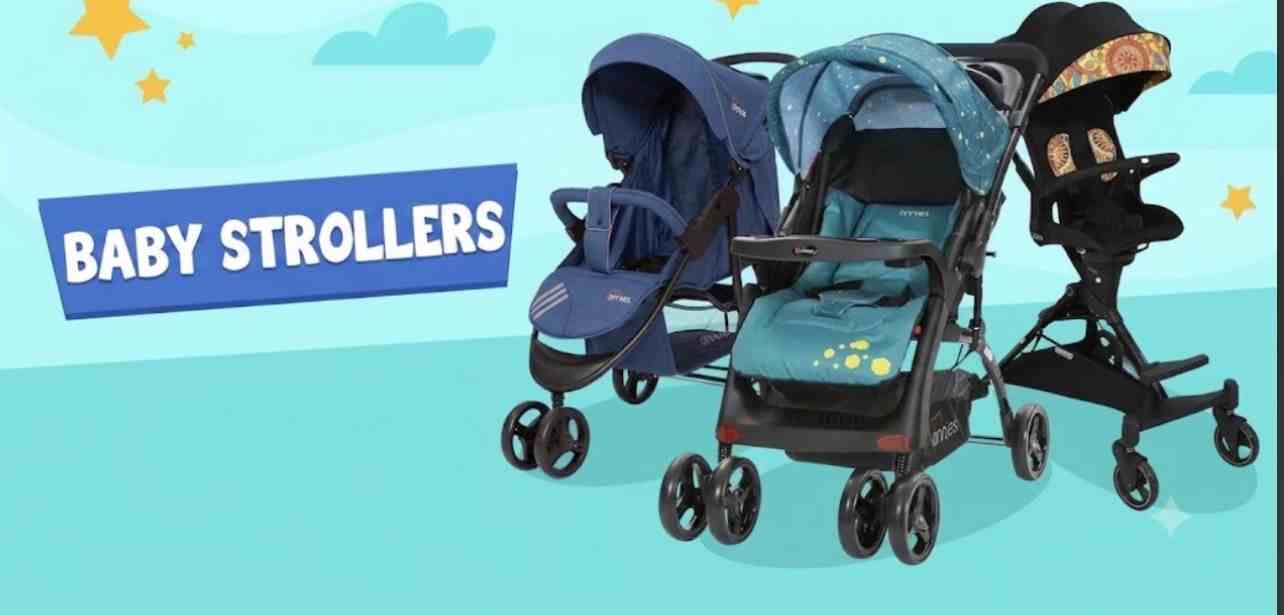
Quick Answer: To choose the right baby stroller, match the wheel design to your terrain, selecting lightweight wheels for flat city sidewalks or large, rubber tires with all-wheel suspension for rough paths. Ensure newborns can lie completely flat, and verify the stroller has a 5-point harness and mandatory CPSC safety compliance. Finally, test the frame weight and fold mechanism to guarantee it fits smoothly in your car trunk.
When you become a parent for the first time, you don’t have any experience buying important and essential baby products like shampoo, baby strollers, etc. You easily get confused and can’t take any action because there are many variations available.
Because of this reason, some parents take suggestions from experienced parents like me, and some search on the internet: how to choose a baby stroller and which one works best?
Well, to be honest with you, there is no single best stroller. You need a stroller that fits your daily routine. If you want to know how to choose a correct baby stroller, then you need to understand one fundamental concept: The Stroller Trilemma.
Understanding The Stroller Trilemma: The 3 Trade-Offs Every Parent Faces
When parents are finding out what the best baby stroller out there is, they go into an inescapable engineering reality known as the “Stroller Trilemma.” The design of the stroller is based on three core competing priorities: ultra-light and compact, all-terrain and heavy features, and lastly, a budget-friendly option.
Many sales reps and marketing ads say they have the best stroller; however, in reality, no stroller has all these three priorities. To make a correct decision, you have to pick a stroller that has at least two priorities.
Priority 1: Low Weight & Portability (The City & Travel Choice)
If your daily routine includes usage of stairs, narrow doorframes, trunk lifts, or public transport, then less frame weight is your first priority.
- What You Gain: The weight of the frame is between 11 and 16 pounds. They come with one-hand quick-fold mechanisms, standing folds, or overhead-bin dimensions, which are usually 22 x 14 x 9 inches. You can carry the stroller easily with one arm while holding the baby on the other.
- The Engineering Compromise: To have low weight, many companies use a small frame tube, easy-seating pedals, and smaller wheels that are 5 to 7 inches.
- The Trilemma Trade-Off: If you want an extremely lightweight and all-terrain baby stroller, then the budget will be high, like $600–$900+, as they include modern lightweight materials such as carbon fiber or aerospace-grade aluminum. If you seek a budget-friendly option, then keep in mind the stroller will struggle on grass.
Priority 2: All-Terrain Features & Comfort (The Suburban & Outdoor Choice)
If your daily routine includes walks or park paths or you want the child to nap completely for hours when you go out with them, then you need a stroller that has good wheel mechanics.
- What You Gain: Modular seating that flips or faces outward, multi-position recline, massive under-seat storage baskets of 25–30 lbs, adjustable telescoping handlebars, and large rubber air-filled tires with full-wheel suspension.
- The Engineering Compromise: The heavy axles, thick fabric, and large wheel can make the stroller heavy, weighing around 24 to 32 pounds.
- The Trilemma Trade-Off: If you want an all-terrain, budget-friendly baby stroller, then it will be heavy, bulky to fold, and uncomfortable to put in an SUV, big van or car trunk. If you want an all-terrain and ultra-light stroller, then the price will be more.
Priority 3: Budget-Friendly Price Tag (The Cost-Conscious Choice)
Strollers usually start from $80 umbrella strollers to $1,500+ modular luxury ones. If your budget is under $250, then you need to understand where budget manufacturers cut costs.
- What You Gain: Essential safety compliance (CPSC/JPMA certified) and basic functional features can reduce your financial stress and leave more budget for you.
- The Engineering Compromise: Budget-friendly strollers are based on tough plastic wheels instead of sealed rubber. You won’t get a one-hand mechanism or less weight.
- The Trilemma Trade-off. A budget-friendly and lightweight stroller works best for a short period of time, but it will give a difficult ride over rough terrain and wear out faster in 2 years of heavy use.
Summary: Which two are you choosing?
| Your Daily Priority & Combination | What You Give Up (Trade-off) |
|---|---|
| 3rd-Floor Walk-Up / City Commuter Ultra-Light + Budget-Friendly | All-terrain smoothness & large storage basket |
| Suburban Walk-Heavy Lifestyle All-Terrain + Comfort | Lightweight portability & quick trunk loading |
| Frequent Traveler / Flying Family Ultra-Light + Compact | Deep suspension & off-road durability |
| The “Do-It-All” Modular Choice All-Terrain + Ultra-Light Materials | Budget-friendly pricing (High Investment) |
Why Starting with Your Lifestyle Prevents Buyer’s Remorse
The common mistakes new parents usually make are buying a baby stroller for a hypothetical lifestyle instead of a daily routine. A heavy plush or full-size stroller may look good in a shop, but when you live in a 3-floor apartment, lifting a heavy baby stroller daily can be a difficult task for you.
In this situation, if you buy a cheap umbrella stroller, it can easily fit into your daily routine, which includes walking on cracked sidewalks, gravel park paths, or unpaved trails.
Before you compare the canopy patterns, answer these three questions.
- Where will the stroller live?
- How many stairs will you physically lift it up every day?
- What surface will the wheels roll across 80% of the time?
Understand the 5 Main Types of Baby Strollers
Before looking at a stroller’s physical appearance, you need to understand the five stroller categories. Match the category with your daily routine so you can make the right decision.
| Category & Weight | Primary Use Case | Price & Lifespan |
|---|---|---|
| Full-Size (Everyday) 22–30 lbs | Neighborhood walks, all-day outings, primary driver | Price: $250 – $1,200+ Lifespan: Birth to 4–5 Yrs (Up to 50 lbs) |
| Lightweight / Umbrella 9–16 lbs | Travel, quick errands, public transit, airport navigation | Price: $60 – $450 Lifespan: 6 Mos to 3–4 Yrs (Up to 40–50 lbs) |
| Infant Travel System 20–32 lbs (Total) | Driving families, newborn phase car-to-stroller transfers | Price: $180 – $800 Lifespan: Newborn to 3–4 Yrs (Car seat outgrown ~1 Yr) |
| Jogging / All-Terrain 25–35 lbs | Running, trail walks, rough cobblestones, snow/sand | Price: $200 – $900 Lifespan: 6 Mos to 4–5 Yrs (Up to 50–75 lbs) |
| Convertible / Double 28–42 lbs | Twins, close-in-age siblings, growing families | Price: $300 – $1,400+ Lifespan: Birth to 4–5 Yrs (Per seat) |
1. Full Size Everyday Stroller
If you want a stroller that has everything and can handle daily life routines, then a full-size model is the standard baseline.
These strollers work best for short walks, zoo or mall trips, daily use, or even for a long-day outing when a baby can sleep comfortably.
Key Specs & Features: These types of strollers are based on a heavy-duty frame with all-wheel suspension, a deep seat recline, an expandable UPF 50+ canopy, and high-capacity storage baskets that have a weight of 20–30 lbs of gear.
The only drawback is its bulkiness and taking up large space in the car trunk; additionally, you won’t lift it on stairs or a public bus because it’s heavy.
2. Lightweight & Umbrella Strollers
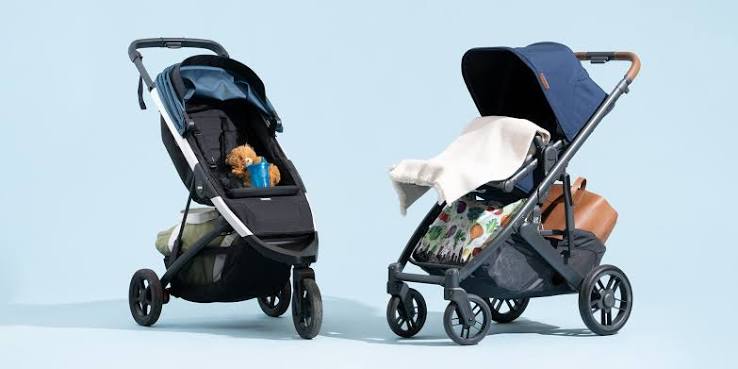
When your baby turns into a toddler, then you spend a lot of time traveling, so a heavy stroller can become more problematic than a problem-solving one. At this stage you need a lightweight stroller. Lightweight & umbrella strollers work best for air travel, groceries, public transit, urban commuters, and older toddlers who can walk easily but need a break to rest.
Key Specs & Features: The weight of the ultra-light frame is around 9 and 16 lbs with umbrella-style or tri-fold folds, which can easily fit in overhead bins. You can also carry it easily on public transport.
The only drawback is this type of stroller has smaller plastic or hard rubber wheels, which can make you struggle in grass, gravel, or cracked city sidewalks. You can’t use them for newborns without adapters (separated).
3. Infant Travel Systems
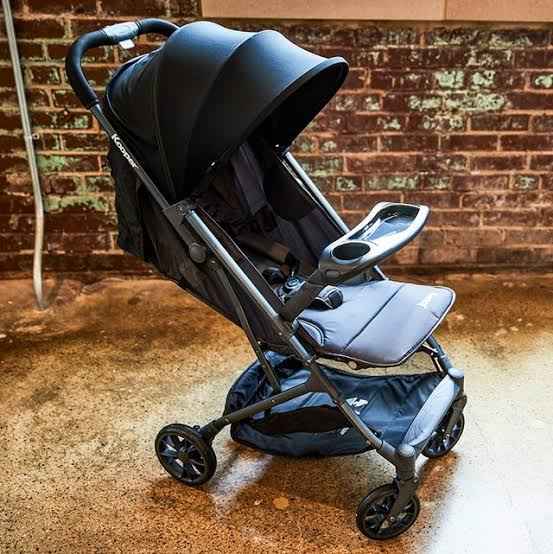
An infant travel system doesn’t need a frame style but a bundle package that includes a full-size or lightweight stroller with an infant car seat and a stay-in-car base that matches it. It is best for newborns and parents who drive more and need transfers in a car and stroller.
Key Specs & Features: It has a check and go adapter, which is integrated with an infant car seat, allowing you to move a sleeping baby from the back seat to the stroller frame without disturbing them.
The only drawback is the baby will outgrow the infant car seat in months. Once they grow enough, you don’t need a stroller frame.
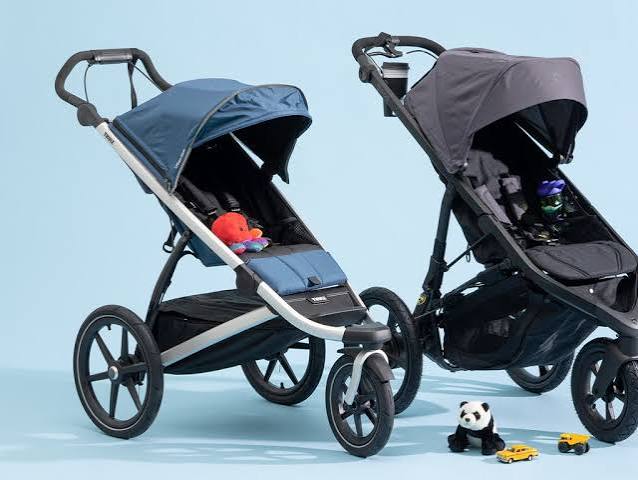
4. Jogging & All-Terrain Strollers
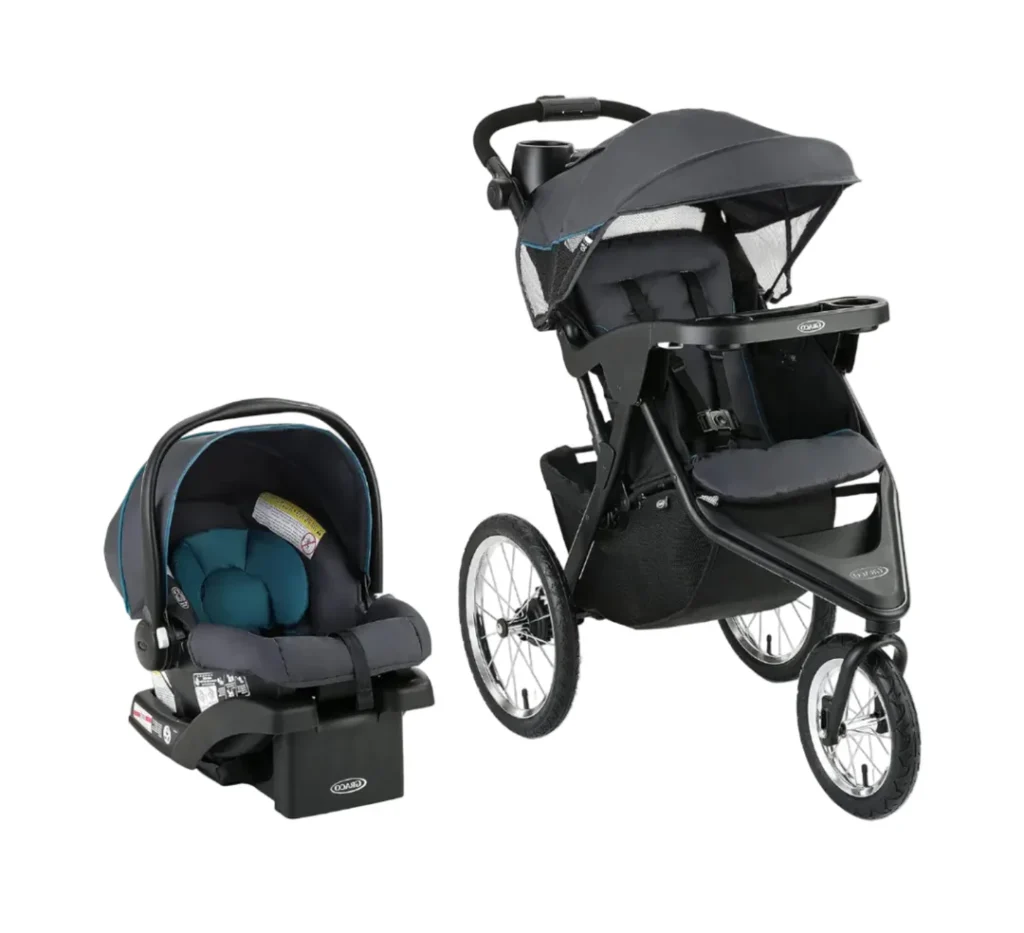
These strollers are designed for high performance, stability, shock absorption, and movement over compact storage. Best for parents who stay outdoors, runners, and those who live in cobblestone streets.
Key Specs & Features: They have a three-wheel geometric layout where the tires are air-filled, a lockable front swivel wheel, hand-operated deceleration brakes, and safety wrist tethers.
The only drawback of these strollers is that they are heavy; they weigh 28+ lbs.
5. Convertible & Double Strollers
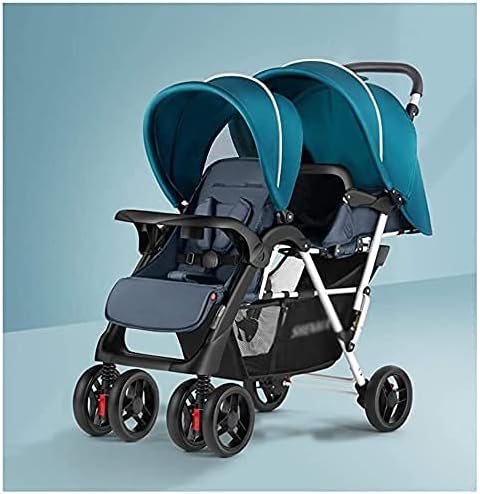
If you have twin babies or you are planning for a second baby in the coming 2 years, then you need to think beyond frame expansion. Convertible & double strollers are perfect for families who have twins, close-age-gap kids, and are planning for a second baby.
Key Specs & Features: It has single-to-double convertible frames where you can add another seat; there is equal visibility and recline.
The only drawback is these double strollers are extremely heavy to lift when they have 2 toddlers in them.
Top 10 Baby Strollers Comparison Matrix (2026)
| Model & Category | Ideal Environment | Key Features | Price Range |
|---|---|---|---|
| UPPAbaby Vista V3 / Cruz V3 Best Convertible / Mid-Size | Suburbs, sidewalks, farmers markets, growing families | Single-to-double expansion, massive basket, rubber tires | $799 – $999 |
| Mockingbird 3.0 Best Value / Convertible | Daily suburban errands, parks, neighborhood strolls | Modular seating, magnetic harness, budget luxury feel | $450 – $550 |
| Bugaboo Butterfly 2 Best Ultra-Compact / City | Airports, public transit, narrow urban aisles, small cars | True 1-second fold, overhead bin compliant, great suspension | $550 – $600 |
| Nuna TRVL lx / TRIV lx Best Lightweight Travel System | City apartments, rideshares, quick coffee/grocery runs | One-touch auto-fold, magnetic buckle, premium leatherette | $500 – $700 |
| Graco Modes Pramette Best Budget Travel System | Tight budgets, everyday suburban car travel | Includes infant car seat, true lie-flat bassinet mode | $300 – $360 |
| BOB Revolution Flex 3.0 Best Jogger / All-Terrain | Dirt trails, beach sand, snow, running paths | High-impact air-filled tires, mountain bike suspension | $550 – $600 |
| Thule Shine Best Urban / City Stroller | Tight city sidewalks, elevators, crowded venues | Lightweight frame, deep recline, compact footprint | $600 – $650 |
| Joolz Aer 2 Best Overhead-Bin Flying Stroller | Frequent flying, hotel stays, compact car trunks | Ultra-light (14 lbs), seamless fold, carrying strap | $550 – $580 |
| Bugaboo Fox 5 Best Luxury All-Terrain | All terrains, luxury city walking, uneven park paths | One-hand adjustment, central joint suspension, eco-fabrics | $1,200 – $1,350 |
| Veer Cruiser / Switch & Roll Best All-Terrain Hybrid / Wagon | Zoo days, park outings, outdoor sports fields, multi-kid trips | Hose-cleanable, rugged tires, push/pull functionality | $600 – $800 |
What to look for in strollers for car trunks & storage footprints?
Many parents make this mistake; they think any stroller can fit just because they have an SUV. However, it is not true. You need to measure the narrowest distance between your car’s wheel wells and seatback depth. Compare both of these with the stroller’s length x width x height; make sure to leave 6–8 inches for groceries or bags.
What stroller features are needed for public transit & subway commuters?
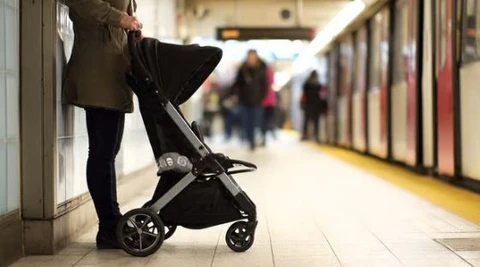
Subway platforms and bus stops are busy places, so they need quick transitions. Always go for a stroller that has features like automatic gravity fold or a single button near the handlebar so you can quickly take the stroller in one hand and the baby in the other.
When you live in apartments and the elevator isn’t working, then you need a stroller that has integrated shoulder carry straps so you can carry it on your shoulder easily.
Standard subway turnstiles and bus aisles narrow down to 20–22 inches. You need a frame that is under 21.5 inches with a tight turning radius.
What type of stroller do I need for the airline?
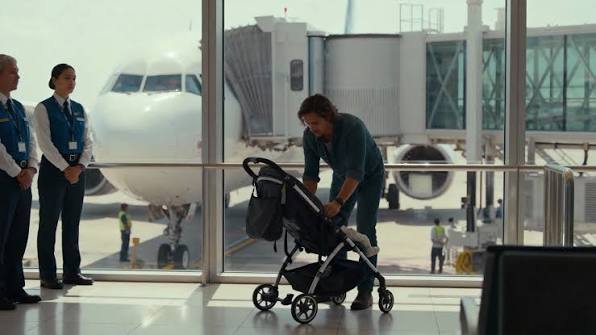
The standard size of domestic and international carry-on luggage is 22 x 14 x 9 inches (56 x 36 x 23 cm). You can easily take the ultra-lightweight travel strollers into aircraft.
If your stroller looks extremely large, then it will go for a weight check. Many airlines enforce a 20 lb (9 kg) weight limit at gate checking; if the stroller exceeds the limit, you need to go to get it checked at the main ticket counter.
Evaluate Wheel Mechanics & Suspension (The Smooth Ride Factor)
How a stroller handles cracks, curbs, and uneven pavement is fully based on the material of the tire and suspension design. When you look in the frame, you will understand how smoothly or roughly a stroller behaves in a daily walking routine.
Plastic vs. Foam-Filled Rubber vs. Pneumatic (Air-Filled) Tires
The plastic tires are more comfortable than flat tires but can’t take natural shock, so they are best for indoor malls, airport terminals, and flat pavement. The foam-filled rubber tires can handle city cracks and grip slippery surfaces easily.
Pneumatic (air-filled) tires have an inner air tube. They can take sudden shocks that come from heavy obstacles, gravel, sand, and rough trails, which makes a heavy stroller easy to move; however, these tires need heavy maintenance.
Stroller Off-Road Performance & Handling Comparison
| Feature Category | City vs. All-Terrain Setup | Real-World Parent Impact |
|---|---|---|
| Suspension System |
Basic / City: Front-Wheel Only
|
Prevents head-jostling and keeps a sleeping infant asleep when popping up curbs or rolling over broken sidewalks. |
| Swivel Lock Mechanism |
Basic / City: Unlocked (360° Free Swivel)
|
Prevents front wheels from twisting sideways and acting like a “plow” in gravel, deep snow, mulch, or beach sand. |
| Wheel Diameter |
Basic / City: Small Wheels (5″ – 7″)
|
Larger rear wheels act like bike tires—significantly reducing the physical force needed to push over roots, cobblestones, and curbs. |
| Tread Depth & Material |
Basic / City: Smooth Plastic / EVA Foam
|
Deep rubber grooves bite into loose dirt and snow while offering shock absorption, whereas smooth plastic slips. |
Key Feature Matchups: Making the Final Trade-Offs
When you are deciding how to choose a baby stroller, you will face design compromises on two popular features that are in competition. By understanding these key features, you will make practical trade-offs that completely rely on the baby’s age, safety, and your everyday routines.
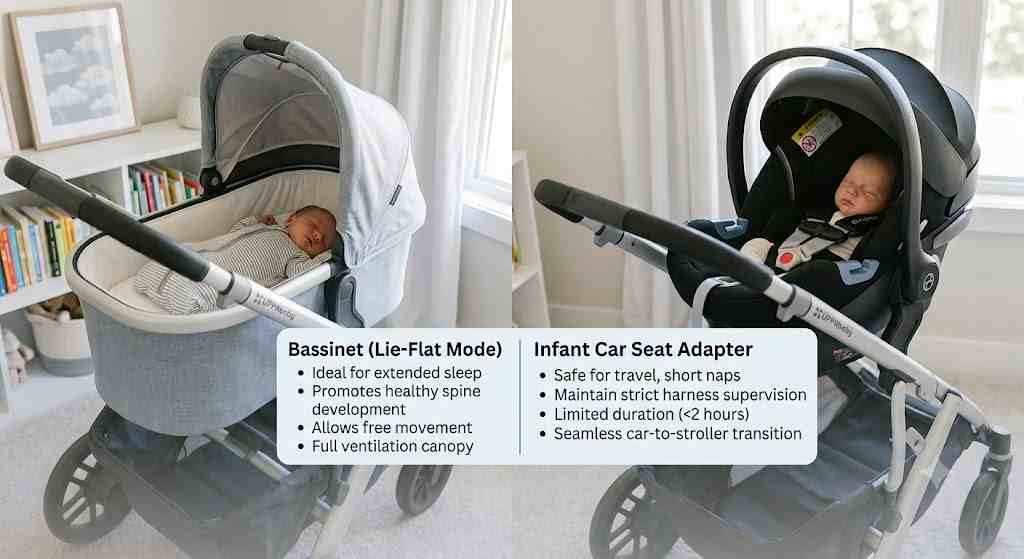
Bassinet vs. Infant Car Seat Adapter: Which is Better for Newborn Sleep?
In the early months a newborn baby can’t sit correctly and doesn’t have head control, so they need a completely flat sleeping surface.
A bassinet attachment provides a flat sleeping space attached directly to the stroller frame. The pediatricians’ safe-sleep guidelines strongly recommend flat sleeping surfaces. These lie-flat bassinets keep the baby’s airway open and allow full spinal development, making it the perfect choice for an infant.
The Infant Car Seat Adapter (Convenience): These are metal or plastic clips that allow the infant car seat to click into the stroller frame directly. The infant car seat adapter is best used when you transfer the baby from the back seat to the stroller frame while they are sleeping.
3-Wheel vs. 4-Wheel Strollers: Stability vs. Manoeuvrability
3-wheel strollers have two large back wheels and a front wheel. A very small turning radius and a 3-wheel base allow you to maneuver easily with one hand in crowded places. The only drawback is it can tip sideways if the baby leans heavily over the edge or if you push it on a steep side slope.
4-Wheel Strollers (Four-Corner Tipping Stability)
It includes a traditional rectangular wheel stance with four contact points where wheels are. 4-wheel strollers can handle unbalanced weight distribution, like staying balanced when you carry a heavy bag and the child continues moving in the seat. The only drawback is it needs more physical effort to turn and can feel stiffer on uneven surfaces.
Key Ergonomic & Practical Features for Parents
The main focus of many strollers is to give the child comfort; however, the daily operational design plays an important role in your daily routine when you go out with the stroller every single time. Small designs have flaws such as a handlebar, which can cause lower back strain, or a storage basket that cannot fit in the diaper bag leads to frustration for parents. When you are buying a stroller, look at these parent-facing features to make sure they fit with your body and routine.
Handlebars: Fixed vs. Telescoping Adjustments
If parents are sharing equal pushing duties, then handlebar design is best for you instead of a luxury stroller. A fixed-handlebar stroller built as a single and static bar extends from the frame at a fixed height of 39 to 40 inches from the ground. The only limitation it has is if there is a plus-inch height difference in partners.
A fixed handlebar will force a tall parent to hunch forward, whereas a parent with short height will push shoulders.
Telescoping Handlebars: These can slide upward or outward easily with the frame. A telescoping bar increases the distance between the parent’s feet and the stroller wheel; it works easily for both tall and short parents.
Storage Basket Access & Weight Capacities
Under-seat storage spaces are different in all strollers completely based on different companies.
Basket Weight Limits (10 lbs vs. 30 lbs): The lightweight or travel baskets carry 10 to 15 pounds. You can put a light jacket, a purse, or a few small items in it. Overloading it can cause weight on the front wheels.
If the stroller is full-size and has a utility basket, it can hold 25 to 30 pounds’ weight; you can put heavy diaper bags, groceries, park blankets, and winter coats in it.
Basket Access Points (Rear, Front, and Side Zippers): Many strollers allow the main toddler seat to completely recline, which can block the main rear opening of the storage basket.
Look for strollers that have basket features, spring-loaded drop-down edges, front-seat access flaps, or side zipper openings. These allow you to add and remove a diaper bag from the sides when the baby is sleeping.
Sun Canopies, Fabrics, and Easy Cleaning: The cleanability and sun protection show how a stroller can hold up in different climate conditions or toddler messes.
UPF 50+ Sun Canopies & Extensions: The basic canopy only provides a shield for the baby’s head, so look for multiple canopies with zip-out fabric so the baby gets full shade on both morning and late afternoon walks.
Peek-a-Boo Windows (Magnetic vs. Loud Velcro): Velcro closures are less expensive and common, but they have a loud Velcro flap near the baby’s head, which can wake them up. Magnetic closure doesn’t have this loud issue, so the baby can sleep peacefully.
Machine-Washable Covers vs. Spot-Clean Fabrics: Many low-budget strollers have a fixed fabric shell that cannot be removed from the frame, so when kids spill milk or leak, you have to clean it with your hands by just cloth and soap. Machine-washable fabrics can easily be taken out, and the stroller lasts for over 3 to 4 years of heavy use.
Essential Safety Checklist & Standards
We look at the stroller that is easy to clean and carry. And now, it’s time to look at what is needed in the stroller so that it can secure the kid. Mechanical failures, tip-overs, and accidental rollaways are the main risks if the frame is not properly engineered. Before making a final purchase you must look at these safety systems.
Stroller Harness Systems Comparison: 3-Point vs. 5-Point
| Feature | 3-Point Harness System | 5-Point Harness System |
|---|---|---|
| Strap Configuration |
3 Anchor Points (“Y” Shape)
|
5 Anchor Points
|
| Upper-Body Restraint |
None Torso and shoulders remain completely unrestrained. |
Complete Secures shoulders, chest, and hips firmly against the backrest. |
| Best Suited For |
Older, Sedentary Toddlers Lightweight umbrella strollers, travel buggies, or fixed high-backed seats. |
Newborns, Infants & Active Toddlers Mandatory for all full-size, modular, and jogging strollers. |
| Primary Safety Risks |
|
|
| Impact Force Distribution | Concentrated around the waist and lower hips. | Distributed evenly across strong skeletal points (shoulders, chest, and hips). |
| Submarining Prevention | Limited: Child can slide down under the waist strap if reclined. | High: Shoulder and crotch straps combine to lock the child in place. |
Brake Systems: Flip-Flop Friendly Foot Brakes vs. Hand Brakes
The brake system plays an important role as it saves the stroller from dangerous rollaways, and you can lock the frame when loading it into the cargo.
Dual-Wheel Brakes (Two-Pedal Systems): Low-budget and lightweight basic strollers let you step down on two individual foot pedals, one at the left wheel and one at the right.
The Drawback: You can forget to engage both pedals, as we parents are quite busy; it will lead to a half-locked stroller.
Single-Pedal Linked Foot Brakes (Flip-Flop Friendly): A single center-mounted or side-mounted pedal that brakes both wheels with just a tap.
The Flip-Flop Friendly Factor: These brakes use a push mechanism, meaning you press down one time only to lock and press again when you want to unlock.
Hand-Operated Deceleration Brakes: These brakes are found on high-end strollers; they allow you to control or slow down the speed of a heavy stroller when you are on a slow walk or running down a hill.
Stroller Safety Standards & Certifications Comparison
| Certification & Standard | Core Focus & Specific Tests | What It Guarantees for Parents |
|---|---|---|
| CPSC Compliance (ASTM F833 Standard) Mandatory (US Federal Law) |
|
Basic baseline safety: ensures the stroller won’t collapse unexpectedly or pinch small fingers during normal operation. |
| JPMA Certified (Juvenile Products Mfrs. Assoc.) Voluntary (Third-Party Tested) |
|
Enhanced structural reliability: verifies the frame handles real-world abuse, heavy loads, and uneven surfaces without tipping or breaking. |
| OEKO-TEX® Standard 100 Voluntary (Chemical & Textile) |
|
Chemical safety for direct contact: guarantees fabrics touching your baby’s skin are completely free from toxic dyes and harmful residues. |
| GREENGUARD Gold Voluntary (Air & Chemical) |
|
Clean indoor air & non-toxic materials: ensures foam pads and frame coatings won’t off-gas harmful chemicals, especially safe if chewing on bumper bars. |
When Can a Baby Sit in a Regular Stroller? (Age & Stage Timeline)
One of the most common questions parents ask when they are looking for a baby stroller is, ‘When the child grows from infant into toddler, does the stroller still work?’ Or when can a baby sit in a regular stroller? Understanding these development stages can help you to safely transition your child through each stage of growth.
Stage 1: Newborns (0 to 6 Months)
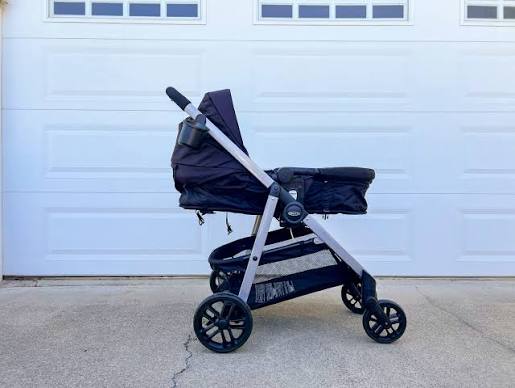
During the early stage the baby’s neck lacks the control needed to support the head, and since their airways are small, they become more vulnerable to positional asphyxiation if you place them in an upright seat. Newborn babies need a flat-lying surface, so make sure the stroller has a bassinet attachment or a certified infant car seat adapter.
This complete flat surface will allow the baby’s head to rest without tipping on the chest. It also helps in spinal development, and a baby can stretch freely.
If you find a stroller that doesn’t have a bassinet attachment and the company claims compatibility, then make sure the main seat has a feature of a true deep lie-flat recline paired with an enclosed footrest barrier.
Stage 2: Supported Sitters (6 to 12 Months)
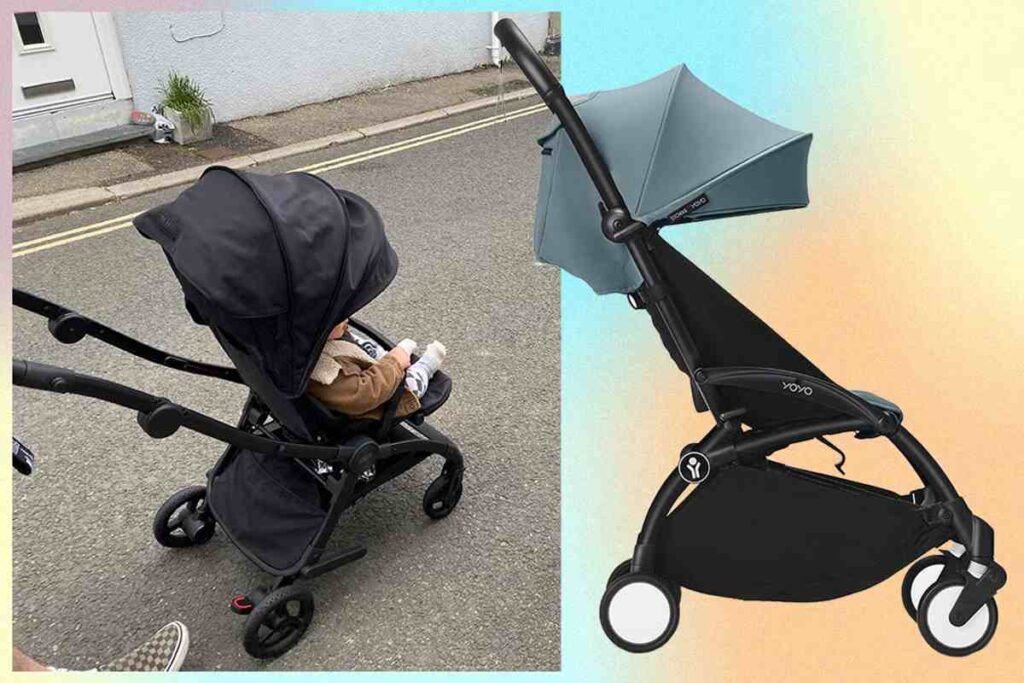
When babies turn 6 to 8 months, they have properly achieved head control and can sit with less assistance. At this stage you can go for a standard stroller. Only move a child to an upright seat when they hold their head up without support while seated.
Go for a small incline angle, as it enhances the core strength, and you can easily adjust the backrest to a fully upright position so that the baby can see the surroundings.
Always use a 5-point harness that can snugly fit over shoulders and a waist. A secure harness safe from slumping to the side when you turn the stroller at corners.
Stage 3: Toddlers (12+ Months to 4+ Years)
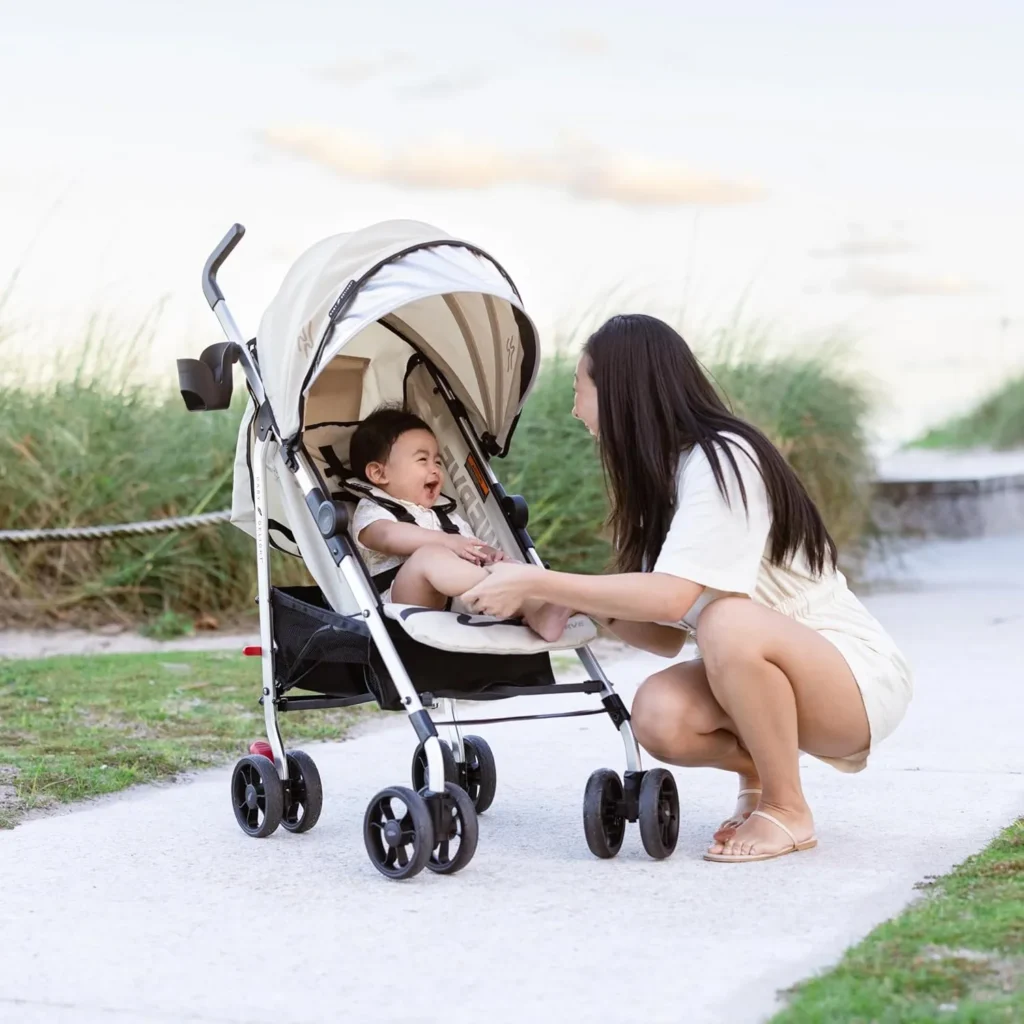
When a child turns 12 months old, they become active and independent and can sit without parent help for a long time.
At this stage a stroller should feature long-term durability, ergonomics, and accessibility. You need to check the kids’ legs aren’t dangling comfortably in the stroller when you go for a walk. The standard full-size and jogging strollers work best at this age stage.
Older toddlers want to see the world. A stroller seat with side frames, swing-away bumper bars, or integrated footsteps works best for this age group of toddlers.
Essential vs. Optional Stroller Accessories
Once you’ve selected the ideal stroller for a baby that is also suitable for your daily routine, it’s time to include the right add-ons that can make daily outings more convenient. However, these stroller accessories can also add cost to your budget.
By understanding a difference between non-negotiable functional upgrades and optional comfort add-ons, you can customize the stroller according to climate and a growing family.
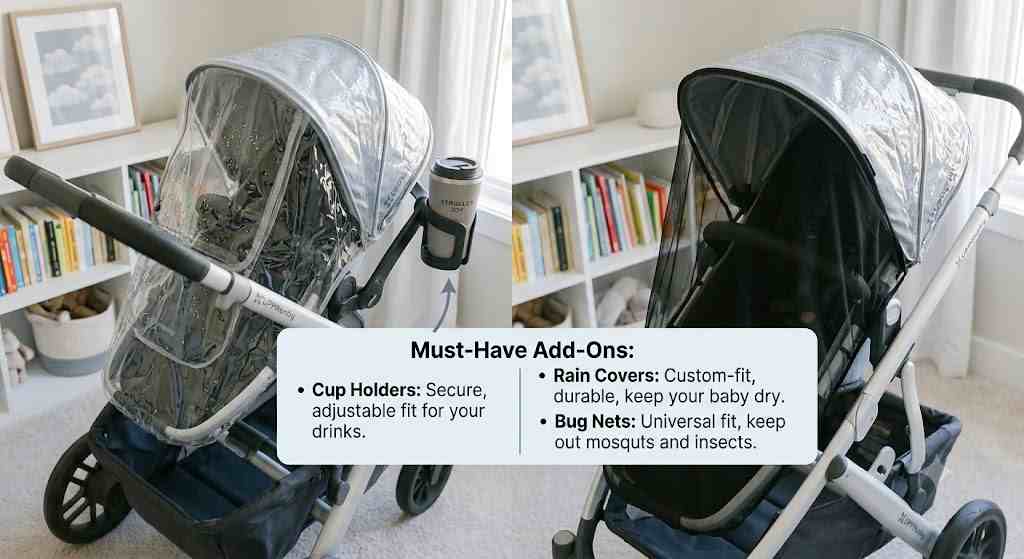
Must-Have Add-Ons: Cup Holders, Rain Covers, and Bug Nets
Cup Holders: The first add-on in our list is the parent cup holder and console organisers. Most strollers don’t have a place for a parent to put anything. You can add these holders to the handlebar. Do not place any liquid item like coffee on it when hot.
Weather Shields & Rain Covers: While the standard stroller has canopies, as we discussed earlier, they can protect kids from the sun; however, they are not fully defensive when it comes to rain or snow. A custom-fit clear PVC-free rain cover can work in every environment when a child is sleeping in a stroller.
Insect & Bug Nets: You can add a breathable fine-mesh net, as it can stretch completely and cover the seat or bassinet opening, providing a shield to the child’s skin from mosquitoes, bees, flies, and gnats when you travel or go to parks for a walk.
Cold Weather Gear: Footmuffs, Hand Warmers, and Bunting Bags
If you live in a cold climate or take kids out in winter for a walk, then you need specialized cold-weather attachments that keep kids warm without compromising harness safety.
Stroller Footmuffs & Bunting Bags: When you take a baby out in cold weather with just a loose blanket, it can slip easily in dirty slush or even get tangled in the front wheels.
Parent Handlebar Stroller Mittens (Muffs): In winter you put gloves on; however, moving a stroller needs you to take gloves off constantly. Handlebar stroller mittens snap directly onto the handlebar frame. You can easily put your hand inside to push.
Toddler Extensions: Glider Boards & Standing Kickboards
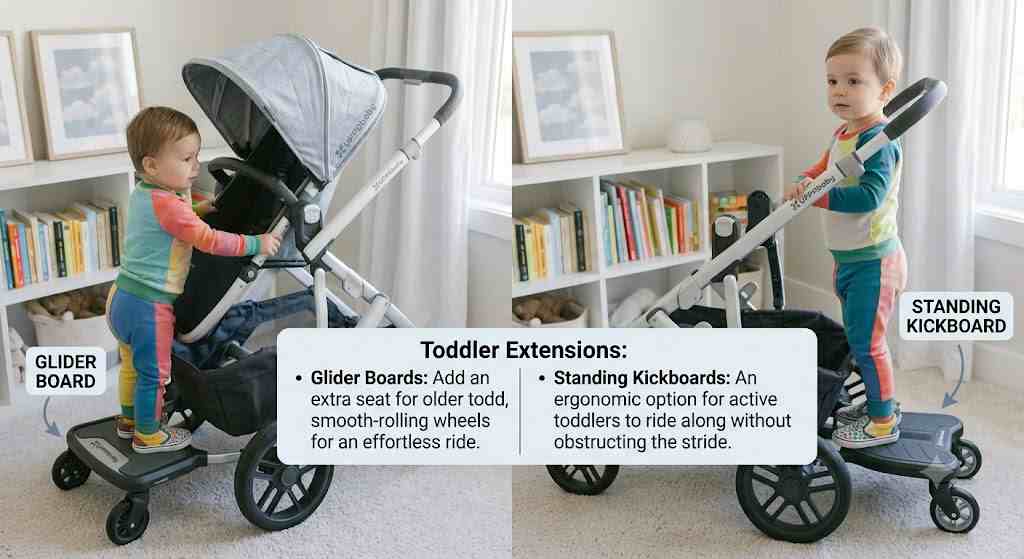
If you have a toddler who can walk easily but needs little rest on long trips, then a riding board extension works best instead of upgrading to a heavy double stroller.
Glider Boards & Standing Kickboards: A wheeled platform attachment that clips perfectly on the rear axle of a single stroller frame. An older kid can stand on this platform between your arms. The only drawback is these boards reduce your standing stride space slightly; you need to extend your arms while walking.
Budgeting for Your Stroller: Where to Invest vs. Save
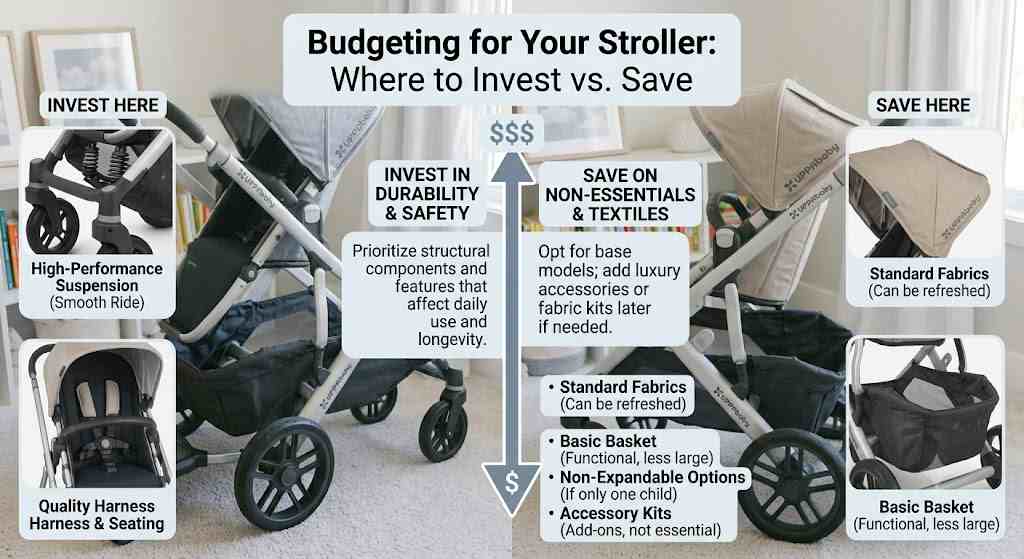
Understanding what features each price point has helps in making a decision where to invest for long-time comfort or where you can safely save.
Budget Tier ($100–$250): Best Functional Picks
Budget strollers have every safety requirement you need and deliver lightweight, straightforward functionality without any extra features. You will get built-in parent trays, a one-hand fold system, and compatibility that matches the car seats. However, they lack plastic EVA wheels, basic suspension, and fabric durability.
Mid-Range Tier ($300–$600): The Sweet Spot
At this price range most parents want a balance of ride quality, durability, and ergonomic convenience without luxury markups. These mid-range tiers have foam-filled rubber tires and a complete suspension system, which makes the stroller smoother to move on cracked sidewalks and park trails.
The best parent features in these strollers include height-adjustable telescoping handlebars, multi-panel extended sun canopies, magnetic peek-a-boo windows, and storage baskets.
The stroller also has good-quality woven fabric, which can last for years even when a toddler spills on it.
Luxury Tier ($700+): Premium Modular Systems
Luxury strollers work as a long-term investment that is designed for maximum versatility, superior materials, and modular growth. Many luxury models have convertible frames, bassinets, or riding boards so you don’t need to buy a double stroller later.
These luxury strollers have other features like an aircraft-grade aluminum chassis, leather handlebar covers, and OEKO-TEX®-certified fabrics with zip-off machine-washable liners.
They can be resold easily after 2 to 3 years of use, and you will get 40% to 60% of their initial purchase cost.
Buying Used vs. New: Safety Risks & Smart Shopping Tips
If you plan to buy a second-hand stroller, then you can easily save hundreds of dollars, but you need a careful evaluation. Understanding how to look at it carefully, like what brand it is from or verifying the safety records, will help you to buy the best one and keep the child safe.
What Parts to Inspect on a Second-Hand Stroller
Never buy a stroller online; go and check it physically. Make sure you look for four critical functional zones before giving the payment.
Chassis: Use your hand on the aluminum chassis to check for hairline cracks, severe denting, or bent frame tubes. Also look carefully at the plastic hinge joints and folding pivot.
When to avoid? If you notice there are fractures in the plastic housing or the frame wobbles when pushed or the chassis is pulling on one side only, then don’t buy it.
Brakes and wheel: Check the brake system by pulling the stroller forcefully. The rear wheel needs to lock ASAP without slipping or grinding. Check each wheel by spinning them individually. If you feel the brake pedal feels spongy or fails to catch either wheel, then avoid it.
Folding and latch: If you are buying a stroller that is a folding one, then check it by folding and unfolding it at least 3 times. The frame needs to lock into a fully expanded position. Also check the safety latch engages properly.
Avoid buying the stroller if you see it’s not folding properly or you need extreme force to fold it.
Harness Integrity & Seat Fabric: Look carefully at the harness edges, shoulder pads, or cracked plastic buckles. Make sure the center button works and releases smoothly. Check seat fabric; look for hidden mold, deep rips, or broken zipper teeth.
Stroller Resale Value: Which Brands Hold Value Best?
If you are planning to sell the stroller when the child doesn’t need it or if you are looking for a pre-owned model, then go for the following brands. They have premium engineering, replaceable modular parts, and timeless designs, which is why these strollers can sell for 50% to 70% of their original retail price on second-hand marketplaces.
| Brand & Category | Models & Core Resale Drivers | Expected Resale Return |
|---|---|---|
| UPPAbaby (Highest Value Retention) Premium Modular |
Top Models: Vista V2, Cruz V2, Minu V2
|
60% – 75% of original retail price |
| Bugaboo (Luxury Longevity) Ultra-Luxury & Modular |
Top Models: Fox, Donkey, Butterfly
|
55% – 70% of original retail price |
| Baby Jogger (Durable Mid-Range) Everyday & All-Terrain |
Top Models: City Mini GT2, Summit X3
|
50% – 60% of original retail price |
| Thule & BOB Gear (All-Terrain Champions) Performance Jogging |
Top Models: Thule Urban Glide, BOB Revolution Flex
|
50% – 65% of original retail price |
Resale Maximizer Pro-Tips
- Keep the original accessories because a stroller that sells with rain covers, car seat adapters, or bumper bars can sell 10%–15% more on resale platforms.
- Keep it in climate-controlled spaces to avoid the risk of sun-faded canopies, rusted brake springs, and degraded rubber tires.
- Make sure the model label is not faded as the buyers look at it first to confirm what model it is and which year it is made.
How to Check for Official Stroller Recalls
Before going to the seller or bringing a used one home, always verify the exact model is not found in records of brake failures, hinge fingertip amputations, or harness detachment. To verify it more easily, look at the following chart.
| Step & Focus Area | Action Items & Where to Look | What to Verify |
|---|---|---|
| 1. Find the Tracking Label Locate White Chassis Sticker |
|
Ensure the label is intact and lists the Model Name, Model Number, Manufacture Date, and Serial Number. |
| 2. Search Safety Databases Check Official Recall Portals |
|
Search using the Brand Name + Exact Model Number. Avoid generic names (e.g., search “Vista V2 0320-VIS-US”, not just “UPPAbaby”). |
| 3. Evaluate Recall Hazards Identify Specific Risk | Common recall hazards: Hinge finger amputation, brake failure, harness detachment, or frame collapse locks. | Determine if the issue is a minor component fix or a critical structural defect requiring full disposal. |
| 4. Verify Repair Kits Check Manufacturer Fixes |
|
Manufacturers frequently issue free “recall repair kits” (e.g., upgraded hinge covers or replacement brake clips) rather than replacing the whole stroller. |
The In-Store Test Drive: 6 Real-World Tests Before Buying
A stroller may look beautiful on display, but to check its performance, you need to do some tests. The showroom floors are flat and smooth, so you won’t find how the frame handle works with actual obstacles. You can use the following test to check the stroller in the store before buying it.
The One-Hand Steering & Curb-Pop Test: Pushing a stroller in real places looks the same as holding a phone, baby, or coffee while steering. To test steering, place one hand in the middle of the handlebar and push the stroller forward. Try to move in a tight 360 degrees. The frame should steer without drifting to a single side and doesn’t need two hands.
How to Test the “Curb-Pop”: Pump heavy items in weight-store bags into the seat and walk to a door’s distance. Push down on the handlebar using lever action to lift the front wheels off the ground. If, during this lifting, you need to support the whole upper body weight, it means the stroller’s center is placed too far forward, which leads to curb navigation being tiring over time.
The Diaper Bag Basket Squeeze Test: A storage bag with large space can be useless if the frame opening is too narrow to fit the gear. To check the basket, do fully recline the toddler seat, like you do if the baby wants to sleep.
Add a diaper-full packet to slide into the storage basket from the rear opening; if it is blocked by a reclined seat, then it means you won’t get enough space to put items in the basket when the actual baby is sleeping. Check if there is a basket feature on the front edges so you can add items from the front.
The Trunk Fit & Lift Check: A stroller spec sheet will tell you the weight, but it won’t tell you how awkward the folded chassis is to lift. To test it, collapse the stroller and let it go flat on the floor and lift the folded frame up to waist height. Check if the frame has a padded carry handle, an integrated shoulder strap, or a rigid crossbar to grab.
If the frame swings open and you don’t have a clear grab point, then you have to use force to hold it away from your body.
Stroller Maintenance & Care for Maximum Lifespan
A quality stroller can be an investment, but the routine that includes spilled milk, crushed crackers, rain, and mud can reduce its quality, especially on mechanical components and fabrics.
Doing regular maintenance can protect the stroller frame and wheels and make sure it is hygienic and safe for years.
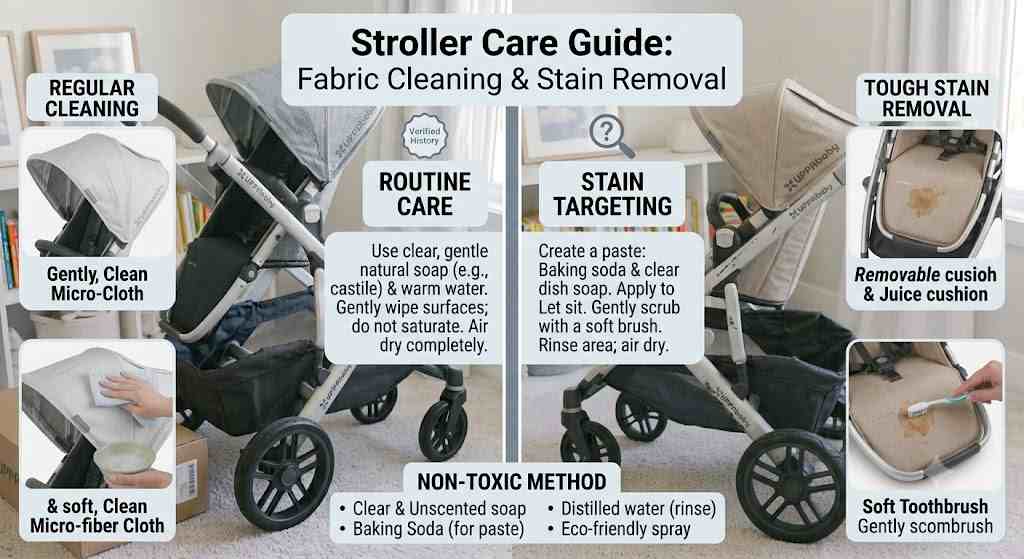
Cleaning Fabrics & Removing Tough Stains (Without Harsh Chemicals)
All the babies spend hours in the stroller, and their skin touches its fabric, so avoid using harsh chemical cleaners, bleach, or heavy synthetic detergents in the daily maintenance routine.
Check if seat covers need cleaning, then wash them on a gentle, cold-water cycle by just using baby-safe detergent, and always air-dry completely. Don’t go for machine drying, as it can shrink fabric, and then it won’t fit back in the frame.
To remove spilled milk, food, or mud, use a solution of water and white vinegar equally and just add 2 small drops of castile soap. Scrub the stain with the help of a soft-bristle brush or microfiber cloth. If the stain isn’t going, sprinkle some baking soda over it and scrub gently.
You can easily wipe the canopy linings and leatherette bumper bars with a cloth damp with warm water and dish soap to clean the leather daily.
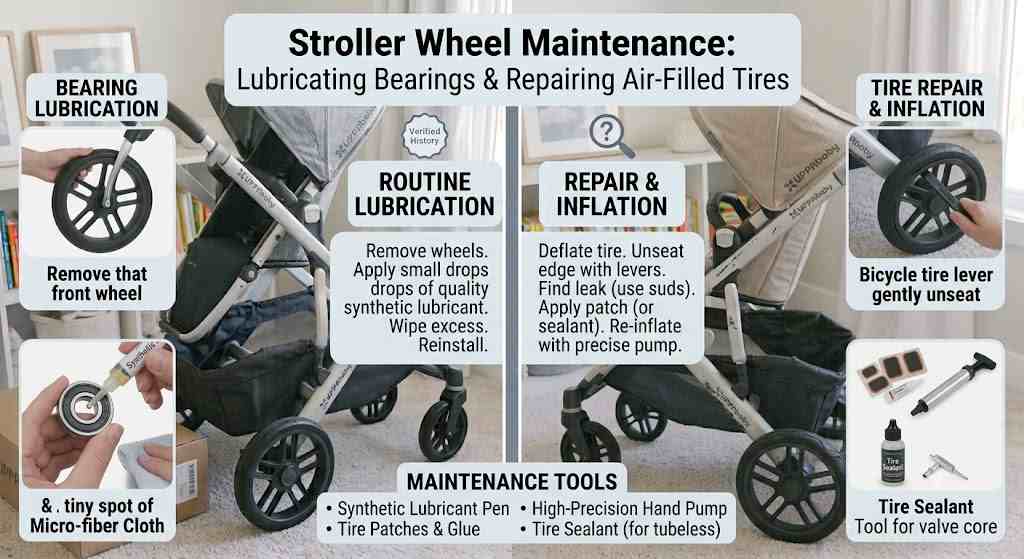
Wheel Maintenance: Lubricating Bearings & Repairing Air-Filled Tires
Grit, sand, and hairs can easily go into wheel axles and swivel housings, leading to stiff steering, annoying squeaks, or frozen front swivel locks.
Cleaning & Lubricating Wheel Bearings: First pop off all four wheels with the help of the frame’s quick-release buttons, then remove hair, sand, and dried mud from the steel with the help of a stiff brush. Apply silicone or dry Teflon lubricant to the metal axle pins and wheel housing. Don’t use WD-40 or heavy mineral oil.
Maintaining & Repairing Air-Filled (Pneumatic) Tires: If you have a stroller that is jogging or all-terrain with air-filled tires, then you must maintain the recommended PSI rating stamped on the tire sidewall (typically 20–30 PSI) using a manual bicycle hand pump.
To prevent flat tires, just add a small bottle of green tire sealant to the inner tube so it seals the minor thorn.
Stroller Storage: Preventing Mold & Rust in Garages or Basements
Never fold a damp stroller, as it can cause moisture trapped in a dark folded chassis to lead to black mold within 24 to 48 hours, which destroys the fabric and is harmful for kids.
Never store a stroller in an unheated garage for a long time, as it can expose steel rivets and brake springs and lead to moisture, which later results in rust and binding. Always store the stroller indoors or in a dry area.
If you are storing an air-tired stroller for a long time, then store it upright so tires stay safe and won’t produce any flat spots from being on the same ground for a long time.
Quick Stroller Quick for Parents
Frequently Asked Questions (FAQ) by Parents
Do I really need an expensive stroller?
No budget-friendly or mid-range stroller has the same mandatory safety standards as a luxury one has. High price tags give you smoother rubber suspension, lighter frame materials, premium fabrics, and expandable modular seats, not safety.
Is a travel system cheaper than buying a car seat and stroller separately?
Yes, when you buy a travel system bundle that includes a stroller, infant car seat, and car seat base, you can save 10% to 20% as compared to buying all those things alone.
Can I jog with a standard full-size stroller?
No, they lack fixed front wheel locks, heavy-duty suspension, and air-filled pneumatic tires needed for running. If you go for jogging with these standard strollers, there is a risk of tipping hazards.
How long do kids actually use a stroller?
Most kids use it from birth to 3 or 4 years old. When kids turn 3, they start walking independently and rarely use strollers.
What is the average lifespan of a baby stroller?
A well-maintained mid-range or luxury stroller can last for 3 to 6 years easily. If 2 to 3 babies are born in this time, all can use it. A budget-friendly one can last for 1 to 3 years.
What to do if there’s a height difference between you and your partner?
If there is a height difference between you and your partner, then a fixed-height stroller handle can’t be easy for both of you, as it can lead to strain or back fatigue. If the handle is not enough, the taller one can walk and kick the rear axle. In this situation, look for strollers that have telescoping handlebars or pivoting/rotating handles.
Do you have a washing machine?
When kids spend a long time on a stroller, they spill, spit up, and eat crushed snacks on the stroller. You need to clean the stroller fabric so kids can stay safe. If you have a washing machine, always choose zip-off, machine-washable fabric covers like the UPPAbaby Cruz or Nuna Mixx series. If you’re using a laundromat or shared laundry facilities, choose water-resistant fabrics, which can be cleaned easily with mild soap and warm water.
Where should a stroller be stored properly?
A bulky stroller when placed in a high-traffic zone creates a daily tripping hazard. You can store a stroller safely in small apartments & narrow hallways; for this, a stroller that has a vertical self-standing fold works best. Another place is Dedicated Stroller Nooks & Closets. When buying a stroller, pay close attention to folded dimensions.
The third space is Multi-Floor Living & Garages; however, make sure you open the garage too daily. It should not be temporarily closed.
Does your stroller need to fit in your car’s trunk?
A full-size modular stroller can take 70% space in a sedan trunk, so there will be no space for luggage, diaper bags, or weekly grocery runs. Before buying a trailer, measure your trunk dimensions, specifically the width between the wheel wells and the available vertical depth. Look how the stroller’s folded dimension is listed. Look for a standard stroller where wheels can release quickly or go for a mid-size frame, which is made for tight spaces.
Do you rely heavily on Ubers or taxis to shuttle your family around?
If you don’t have a car and take public transport, then you need a stroller that can handle easily your routine. Go for lightweight, travel-friendly models that have a one-hand fold mechanism. Select an infant car seat that supports a European belt-path installation so you can take the baby easily in any taxi or vehicle.
Do you imagine yourself pushing your baby around with an iced coffee in your hand?
Steering a stroller with one hand while having a drink and phone in the other hand can be less manageable if the frame of the stroller isn’t large. Always look for frames that have a continuous single horizontal handlebar rather than a dual-umbrella one and sealed ball-bearing swivel wheels. Pair the stroller with a silicone cup holder that easily locks on the frame so the liquid won’t drop on the baby seat.
How much storage do you need inside a stroller?
The under-seat basket can work as your mobile trunk when you go for outings, errands, and day trips. If the stroller has a small or unreachable basket, you’ve got to carry another bag on your shoulders, which is obviously tiring, so always look for a stroller with a large basket, and make sure the basket is at the front so you can easily reach it without disturbing the baby.
Are you planning for another kid within the next three to four years?
Some parents make this mistake: they buy one stroller and sell it after 18 months, then buy another one that is a double stroller. If you want a stroller for 2 kids, then invest upfront in a single-to-double convertible stroller such as the UPPAbaby Vista, Bugaboo Donkey, or Cybex Gazelle S. These frames have a single stroller but come with built-in expansion joints so you can add a second seat, bassinet, or riding board later.
What are your neighborhood sidewalks like?
Some people also make this most common mistake: they buy any stroller based on looks without thinking about how it works on sidewalks. Poor wheels of a stroller can make a simple sidewalk into a jarring ride for your baby. If you’re taking a stroller on smooth, flat pavement or in indoor malls, then you need to buy a stroller with small plastic/EVA foam wheels. If you take a stroller on cracked concrete, gravel, grass, or snow, go for a stroller that has foam-filled rubber or pneumatic air-filled tires paired with all-wheel independent suspension.
Do you have to lug your stroller up any stairs?
If you live in an apartment, use subway stations without elevators, or regularly climb many flights of stairs, then the weight of a heavy stroller will make your daily routine terrible. For this, you need to go for an ultra-lightweight category stroller; also look for features like an integrated padded shoulder strap, a hand-carry option in the frame, and two wheels (trolley mode).
What are best travel strollers for kids?
The best travel strollers for kids include top-rated options like the Joolz Aer 2 and Bugaboo Butterfly 2 for effortless, airplane overhead-bin compliant folding, alongside the UPPAbaby Minu V3 and Nuna TRVL LX for smooth, auto-folding convenience that handles everyday travel. For budget-conscious parents seeking lightweight portability, the Mamazing Ultra Air X and Graco Ready2Jet deliver compact convenience without the luxury price tag.
