
Quick answer: No, you should not eat tiramisu while pregnant. It typically contains raw eggs, which pose a risk of Salmonella, and alcohol, which is unsafe at any stage of pregnancy. You should avoid it unless you can verify it is made with pasteurized eggs and contains zero alcohol.
In pregnancy many women crave a rich, creamy, and coffee-soaked dessert. However, they do have a question in mind: can you eat tiramisu while pregnant? If you also crave tiramisu and are thinking the same, then you are right to question because everything you eat in pregnancy matters.
Tiramisu is a classic Italian dish favorite among many people, but an expectant mother should be very careful because the traditional tiramisu preparation method includes some ingredients that are not good during pregnancy. Satisfying your craving is the second thing; what comes first is the baby and your safety.
Authentic, restaurant-style tiramisu is made from raw eggs and various liqueurs. Both of these are not recommended in pregnancy; the raw eggs have the risk of bacteria and high alcohol exposure.
In this guide we will look deeply into the ingredients of tiramisu, why they are risky in pregnancy, how to order at a restaurant safely, and how you can prepare or find a delicious, pregnancy-safe version of this classic dish without compromising on taste.
The Two Core Risks: Why Traditional Tiramisu is Often Off-Limits
You may think a small slice of tiramisu is harmless; however, it is important to understand this classic and people’s favorite dessert has high risk in pregnancy. Traditional recipes are always made from raw or unheated eggs, from which bacteria like salmonella can enter a pregnant woman’s body. To understand more, let’s look into details.

The Hidden Danger of Raw Eggs: Understanding Salmonella
As we discuss, the base of the traditional tiramisu recipe relies on raw egg yolks and sometimes beaten egg whites to get a silky and airy texture. For a normal person, tiramisu is completely safe; however, for pregnant women, raw eggs are related to the risk of salmonella, a type of bacteria that can take place when eggs are still in the hen. When a woman is pregnant, the immune system goes through many changes, which make her vulnerable to bacteria.
If salmonella enters your body during pregnancy from any food item, you may experience symptoms like severe vomiting, diarrhea, and fever, which leads to dehydration and malnutrition.
In rare cases Salmonella can cross the placenta barrier, leading to pregnancy complications. Since there is no safe way or guarantee about raw eggs being 100% free of bacteria without proper heat treatment. It is advisable to avoid food items that are made from unpasteurized raw egg products, including traditional mousse-based desserts like tiramisu.
The Alcohol Factor: Why ‘Drizzled’ Doesn’t Mean ‘Safe’
One reason to avoid tiramisu is the risk of bacteria, but another is that the ladyfingers used in tiramisu are soaked in a mixture of espresso and a hard liquor like Marsala wine, dark rum, or coffee liqueur.
People have a misconception that alcohol in recipes “cooks off” or disappears entirely. This can be true for some dishes that are baked at a high temperature but not for tiramisu because it is a no-bake dessert. The alcohol that is added to the tiramisu ladyfingers stays present until the product is finished.
A small amount of alcohol that is drizzled on a cake can introduce alcohol into your system. According to health organizations like the American College of Obstetricians and Gynecologists (ACOG), you need to strictly avoid alcohol in pregnancy because alcohol can cross the placenta and affect the baby too. To stay safe, avoid desserts containing liquor even in small quantities.
How to Safely Enjoy Tiramisu: The Modification Playbook
No one asked you to remove tiramisu completely for the next nine months; to enjoy this Italian dessert safely, you need to make it at home and shift from the traditional method to a pregnancy-safe method.
The Pasteurized Egg Solution
The risk of salmonella in tiramisu can be removed by replacing raw eggs with pasteurized ones. Pasteurization is a process where eggs are heated in the shells to a specific temperature where bacteria like salmonella get killed without cooking the whole egg or even changing its consistency. When you go to the grocery store, always look for something labeled “pasteurized” in the refrigerated dairy aisle.
If you are making the recipe from scratch, then you have 2 safe paths.
Use Liquid Pasteurized Eggs: You can easily find them in cartons at grocery stores. These eggs are best for recipes that need beaten eggs. They are heat-treated, so there is no chance of bacteria.
The Double Boiler Method: Many people prefer fresh eggs. If you do too, then you can prepare a zabaglione (the Italian egg-yolk base) just by cooking the egg yolks and sugar over a double boiler. Whisk the mixture properly and constantly until it reaches a temperature of 160°F (71°C). Use a digital thermometer to confirm the temperature. This temperature is ideal for killing bacteria while providing a thick cream base.
Alcohol-Free Substitutes
If you want a similar flavor but don’t want to use alcohol, you can use alternatives to recreate the complex flavor profile of tiramisu that is safe in pregnancy. Since tiramisu tastes like coffee and cream, these following alternatives work well.
Extra-Strong Espresso: Just increase the strength of your coffee soak by using double-shot espresso, which gives a needed bitterness to balance the sweetness of the mascarpone.
Vanilla Bean Paste: Using this paste will give a luxurious, floral sweetness that rounds out the coffee flavor.
Almond Extract: To get a nutty aroma that is similar to coffee liqueur, use a small amount of high-quality almond extract.
Non-Alcoholic Coffee Syrup: Many coffee shops sell high-quality and alcohol-free coffee syrups. You can use it as a replacement for alcohol.
Choosing the Right Mascarpone
Mascarpone is a type of cheese that is temperature- and storage-sensitive. When selecting it for a pregnancy-safe dessert:
Check the Label for Pasteurization: All the mascarpone that is sold in major grocery stores is completely pasteurized. However, it is important to check the label too. If you are buying the cheese from a deli or farmer’s market, make sure to ask them if it is made from pasteurized milk.
Maintain the Cold Chain: Since mascarpone is a high-moisture cheese, it can also be an ideal environment for listeria growth. Make sure to always keep your mascarpone refrigerated until you want to use it. Also ensure the finished tiramisu is kept chilled at 40°F (4°C) or below.
Medical Disclaimer: This content is for informational purposes only and is not a substitute for professional medical advice, diagnosis, or treatment. Always seek the advice of your obstetrician or qualified healthcare provider with any questions regarding your health or dietary needs during pregnancy. Never disregard professional medical advice or delay in seeking it because of something you have read here.
Shopping Guide: What to Look for on Labels
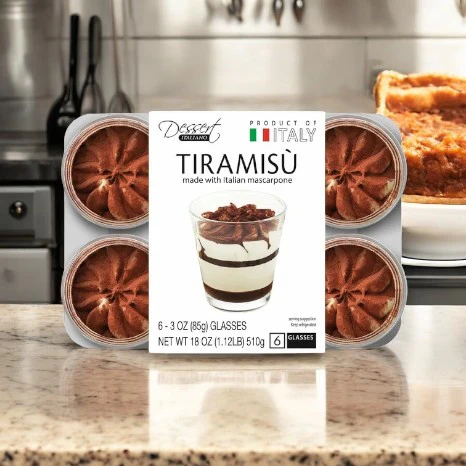
When you go to a grocery store or bakery, the best thing you can do is check the label. Many commercial desserts are produced in large batches; they are safer as compared to restaurant versions.
The Pregnancy Safety Checklist
Use the following quick safety checklist to look deeply into the ingredient label before you buy. If the product label says ‘eggs’ without mentioning ‘pasteurized,’ assume the eggs are raw; skip it. Look at the following things on the label.
- Raw Eggs or Fresh Eggs: Any mention of raw, farm-fresh, or unpasteurized eggs.
- Marsala Wine, Rum, Amaretto, or Liqueur: Even if listed near the end, these are non-negotiable risks.
- Alcohol as a flavoring agent: Sometimes listed as a preservative or solvent in extracts.
- Ambiguous Natural Flavourings If the label is vague and the product is a chilled, cream-based dessert, play it safe.
- Unpasteurized Dairy: Always check that the mascarpone or cream used is labeled ‘pasteurized milk/cream.’
Safe Labels (Look for these)
- “Pasteurized Eggs or Heat-Treated Eggs”: This is the gold standard for safety.
- Alcohol-Free: It often comes in premium, pre-packaged desserts.
- Eggless Formula: Many modern brands use starch- or stabilizer-based thickeners to make the dessert free from eggs.
Culinary Science: The Silent Risks You Need to Know
Most advice is about obvious risks, but there is also a technically silent threat that occurs in professional kitchens: expected mothers need to know the difference between standard contamination and psychrotrophic pathogens.
The Listeria monocytogenes Factor
Most bacteria stop growing when the food is placed in the cold temperatures of your refrigerator (40°F/4°C). However, Listeria is different; it can multiply more in cold temperatures, especially in the refrigerated display case of a bakery or your own fridge at home.
The Mascarpone Vulnerability: As we discussed earlier, mascarpone cheese can be an ideal host for bacteria like listeria. If the cheese is unpasteurized or if it is cut from the same knife used for raw meats or fish, the Listeria bacteria can slowly take place in the dessert made from the cheese.
The Silent Clinical Reality: When listeria enters a pregnant woman’s body, the symptoms can be completely normal, like only mild, flu-like symptoms. Listeria stays for long and can even cross the placental barrier and affect the baby.
Why Fresh Isn’t Always Safe
The desserts made in a restaurant environment can stay for days in a refrigerator. The longer a high-moisture, dairy-based dessert sits in a refrigerator, the higher the chance of bacterial growth taking place.
3 Pregnancy-Safe Tiramisu-Inspired Alternatives
You don’t need raw eggs or alcohol in the tiramisu-inspired alternatives. Here are three creative ways to enjoy the same flavors at home safely.
1. The No-Egg Tiramisu Mousse
This recipe is based on whipped mascarpone and heavy cream; there is no need for eggs.
- To make the base, whip 8 oz of cold, pasteurized mascarpone cheese with 1 cup of heavy whipping cream, then add 1/2 cup of powdered sugar and 1 teaspoon of pure vanilla; mix until a beautiful form takes place.
- Dip the ladyfingers briefly into chilled, strong espresso and layer them with mousse in a glass dish. Lastly, dust the dish with unsweetened cocoa powder and serve.

2. Tiramisu-Flavoured Overnight Oats
This recipe is perfect if you are looking for a high-energy, caffeine-safe breakfast.
- First combine 1/2 cup rolled oats and 1/2 cup milk; you can use almond or dairy as you prefer, then add 1 tablespoon of chia seeds and 1 shot of cooled espresso.
- In another bowl, mix 2 tablespoons of Greek yogurt; add a drop of maple syrup and a hint of cocoa powder.
- Lastly, layer the oats and the yogurt mixture in a jar. Keep it in the fridge for the whole night and enjoy it at breakfast.

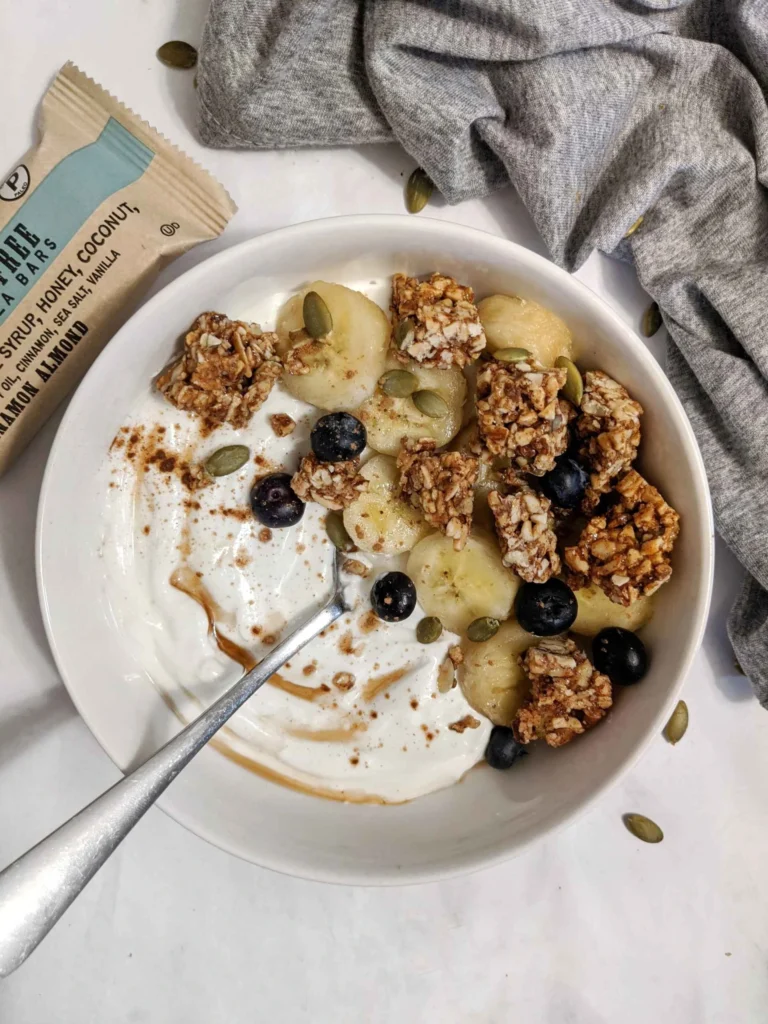
3. Tiramisu Greek Yoghurt Bowl
A quick recipe if you are craving a dessert at 9pm.
- To make this, all you need is 1 cup of plain, full-fat Greek yogurt. Stir in 1 teaspoon of coffee powder (instant espresso) and 1/2 teaspoon of honey or agave.
- Top the yogurt with crushed ladyfingers and dust the dish with a few dark chocolate shavings.
Is Tiramisu Safe by Trimester? Why the Risk Never Changes
A common question arises in many pregnant women’s minds: Is it safer to eat tiramisu in the second or third trimester? The medical answer is still no. Traditional and authentic tiramisu is not safe at any stage of pregnancy.
While your body can change from the first trimester to the third, the risk of bacteria remains the same for 40 weeks.
First Trimester: The Vulnerable Development Phase
During the first trimester, your baby is undergoing rapid organogenesis. As it is the most critical period of development, even a small drop of alcohol in an unbaked dessert can cause problems. You don’t have to take any chance in this trimester, so totally avoid alcohol-based desserts. Also avoid raw egg dishes because if you get a salmonella infection, it can result in severe nausea and vomiting, making it more difficult when you are already facing morning sickness.
Second Trimester: Protecting the Growing Placenta
When you enter the second trimester, the baby starts growing rapidly, and the placental barrier functions properly. Avoid food items that contain unpasteurized mascarpone because listeria in them can easily cross the placental barrier and can cause complications.
Many pregnant women get screened for gestational diabetes at the end of the second trimester since traditional tiramisu is high in both sugar and refined carbohydrates. If you are managing blood sugar levels, then avoid it during pregnancy.
Third Trimester: The Final Stretch
At this stage the baby’s organs developed fully, and the baby started gaining weight and was ready for birth. As the baby grows, the mother’s internal organs are compressed, leading to heartburn and digestive sensitivity. Eating a high-fat food item like traditional mascarpone-based desserts can cause acid reflux and heartburn in the last trimester.
| Pregnancy Stage | Safety Status | Risk Factors | Why It Remains Unsafe |
|---|---|---|---|
| First Trimester | 🔴 Avoid | Salmonella & Alcohol | Development is most sensitive; risk of illness/dehydration is high. |
| Second Trimester | 🔴 Avoid | Listeria & Sugar | Placenta is fully active; Listeria risk to fetus persists. |
| Third Trimester | 🔴 Avoid | Digestive Strain | Increased risk of heartburn and potential to trigger complications. |
Navigating the Menu: How to Safely Enjoy Tiramisu at a Restaurant
Dining out while pregnant isn’t an easy task, especially when it comes to dessert. If you are at an Italian restaurant and craving tiramisu, it is important to inspect everything for the safety of the baby and your health. Ask the questions to the server confidently. Staff is always helpful when it comes to pregnancy safety and concerns. Simply say:
I am pregnant and need to be very careful about food safety. Does your tiramisu contain raw egg in the cream mixture, and is there any alcohol (like Marsala wine or rum) used in the ladyfinger soak?
- If they say yes to raw eggs or alcohol, then skip eating it.
- If they don’t know, then don’t consider it safe; avoid it.
- If they mentioned the use of house-made eggs, then it means they use raw egg yolks. Ask if they use a pasteurized base or if they cook the egg mixture (like a zabaglione) over a double boiler. If they don’t have any answer, avoid it.
- Ask if the tiramisu is made from alcohol or not; if they say it includes alcohol, avoid the dessert.
10 Pregnancy-Safe Italian Restaurant Alternatives
| Dessert Alternative | Why It Is Generally Safe | Safety Question to Ask the Server |
|---|---|---|
| 1. Gelato (Commercial) | Pasteurized base; lower air content. | “Is this house-made with raw eggs?” |
| 2. Panna Cotta | Heated cream and gelatin base. | “Does this contain any raw egg or alcohol?” |
| 3. Fresh Fruit & Mascarpone | Simple, whole-food ingredients. | “Is the mascarpone pasteurized?” |
| 4. Sorbetto | Fruit-based; naturally egg/dairy-free. | “Is there any alcohol added for flavor?” |
| 5. Biscotti | Baked thoroughly; low moisture. | “Does this contain any alcohol-based extracts?” |
| 6. Baked Ricotta Cake | Heat-treated; eggs are fully cooked. | “Is this fully baked through?” |
| 7. Affogato | Simple espresso over gelato. | “Is the gelato made with raw eggs?” |
| 8. Poached Pears | Cooked in wine (alcohol evaporates). | “Has the alcohol fully cooked off?” |
| 9. Granita | Frozen ice/syrup; no dairy/eggs. | “Are there any raw egg whites included?” |
| 10. Cannoli (Commercial) | Baked shells; pasteurized ricotta. | “Are the shells and cream house-made?” |
Frequently Asked Questions (FAQs): Can you eat tiramisu while pregnant
Can I eat tiramisu while pregnant?
The answer is not as traditional; one is made from raw eggs and alcohol. Neither of these ingredients is recommended in pregnancy.
What are the main risks of consuming traditional tiramisu while pregnant?
The main risks include Salmonella (from raw eggs) and prenatal alcohol exposure (from liquors used in the soak), both of which lead to complications.
How can I modify tiramisu to make it safe for pregnancy?
You can make a safe one by replacing raw eggs with pasteurized liquid eggs or a heat-treated egg base and removing alcohol completely and using coffee syrup instead.
Are there any safe alternatives to traditional tiramisu during pregnancy?
Yes, you can enjoy the tiramisu-inspired dessert by using pasteurized mascarpone and whipped cream.
Is it safe to eat tiramisu during the first trimester?
No, it is not recommended to eat in the first trimester because it is a sensitive time for fetal development.
Can I have a small serving of traditional tiramisu occasionally?
It is strictly not recommended because even a small piece of it contains raw egg, which has a risk of bacteria. Also, the alcohol content in it is why it is not safe to eat.
Does freezing tiramisu kill the bacteria in raw eggs?
No, freezing won’t kill any bacteria like Salmonella or Listeria; it can pause the growth. Once the dessert is thawed, the bacteria start growing again.
Is store-bought tiramisu safe during pregnancy?
Yes, store-bought tiramisu is safe during pregnancy, but it is advisable to always check the labels.
What is the difference between Salmonella and Listeria risks in desserts?
The risk of salmonella is related to raw eggs, and the risk of listeria is related to dairy products like mascarpone.
Why can’t I just cook off the alcohol in tiramisu?
Tiramisu is a no-bake dessert, so the alcohol remains in the same liquid state in it, meaning it does not evaporate during preparation.
Are eggless tiramisu recipes safe?
Yes, only if the tiramisu recipe doesn’t have alcohol in it and is made from pasteurized dairy/cream products.
Can I eat tiramisu at a restaurant if I ask the waiter about it?
Yes, only if the restaurant guarantees they didn’t use raw eggs or alcohol in it.
Is decaffeinated coffee soak safe for a pregnancy-friendly tiramisu?
Yes, by using a decaffeinated espresso, you can manage the intake of caffeine while enjoying the signature tiramisu flavor.
What should I do if I accidentally ate traditional tiramisu?
First of all, don’t panic. If you feel fine, then monitor the symptoms like fever, nausea, or diarrhea. If you develop any concerns, contact your healthcare provider.
Are ladyfingers themselves safe to eat?
Yes, the one the store bought is baked and safe. The risk is only the raw ingredients, not ladyfingers.
Why does my doctor emphasize avoiding soft cheeses?
The doctor asks to avoid soft cheese because of the risk of listeria, which can cause complications in pregnancy.
What if the tiramisu were homemade by a friend?
Even if it is made by your friend, ask about the ingredients before consuming it. If they use alcohol or raw eggs, politely say no.
Is there any tiramisu-flavored treat that is 100% safe?
Yes, you can go for items like tiramisu-flavored Greek yogurt or overnight oats, as they are 100% safe and give a similar flavor profile.
Medical & Safety References
This guide is based on current food safety guidelines from leading health authorities to ensure the well-being of expectant mothers and their babies.
- American College of Obstetricians and Gynecologists (ACOG): For comprehensive clinical guidance on nutrition during pregnancy and alcohol avoidance, refer to their Pregnancy and Nutrition Resources.
- U.S. Food and Drug Administration (FDA): For specific safety measures regarding Listeria and Salmonella in high-risk foods, consult the Food Safety for Pregnant Women Guide.
- Centers for Disease Control and Prevention (CDC): Detailed fact sheets on preventing foodborne illness during pregnancy, including specialized information on Listeria prevention, can be found at Food Safety for Pregnant People.
- National Health Service (NHS): Evidence-based advice regarding the risks of raw or partially cooked eggs and other foods to avoid during pregnancy is available at Have a Healthy Diet in Pregnancy.
- USDA Food Safety and Inspection Service (FSIS): For technical specifications on the safe internal cooking temperatures for eggs and egg dishes, refer to their Egg Products and Food Safety Guidelines.
