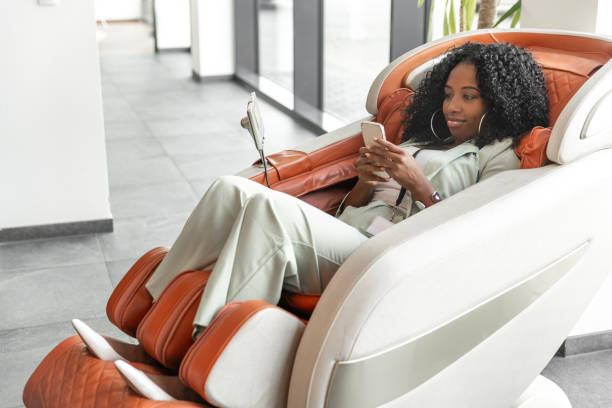
Muscle tension often builds during ordinary daily routines. Long commutes, desk work, workouts, and household tasks can leave the body feeling tight. Access to massage chairs brings a practical recovery option closer to home. Modern designs can target the back, shoulders, hips, and legs through programmed movements.
Home access also changes when recovery happens, removing travel time from the routine. Features such as adjustable intensity, reclining positions, heat, and timed sessions further shape the experience. Choosing suitable functions matters because comfort, consistency, and personal recovery needs differ.
Home Recovery Becomes Easier To Maintain
Recovery works best when it can fit daily life. A home massage chair removes appointments, travel, and waiting periods from the process. A short session can follow a demanding workday or workout. Regular access also encourages consistent relaxation instead of occasional recovery efforts.
For office workers, evening use can ease accumulated stiffness. After exercise, a controlled session may help the body unwind. Reclining functions can create a comfortable transition before bedtime. The convenience comes from reducing friction around recovery.
Several practical benefits make home access valuable:
- Sessions can follow demanding daily schedules.
- Travel time disappears from recovery routines.
- Settings can match personal comfort levels.
- Familiar surroundings support relaxed session habits.
- Short treatments become easier to repeat.
Convenience matters because consistency often shapes long-term habits. A recovery option requiring little preparation becomes easier to include. That simplicity can make wellness feel more manageable.
What Makes Massage Sessions Feel Convenient?
Convenience depends on more than physical location. A useful setup should require minimal preparation before each session. Remote controls, preset programs, reclining mechanisms, and adjustable pressure can simplify operation. Clear controls also reduce interruptions during relaxation.
For households with shared spaces, compact proportions can matter. A chair should leave enough room for normal movement. Wall clearance requirements deserve attention before placement. Power access should remain practical without creating cable hazards.
Noise levels can influence the experience too. A quieter mechanism suits reading, television, or evening relaxation. Heat functions may add comfort during colder periods. Timers can prevent sessions from continuing longer than intended.
The best setup therefore combines access and usability. A sophisticated machine becomes less convenient when controls feel confusing. Practical design keeps recovery sessions simple from start to finish.
Massage Chairs Support Flexible Daily Routines
Daily recovery needs can change with activity levels. A sedentary weekday may create shoulder and lower-back tension. A training day can place greater demand on the legs. Flexible programs allow sessions to respond to those differences.
A morning session might focus on gentle movement. Evening use can emphasize relaxation after prolonged sitting. Shorter programs may suit busy schedules better. Longer settings can work during dedicated downtime.
Useful routine combinations include:
- Gentle programs can suit morning preparation.
- Moderate settings may follow desk-heavy afternoons.
- Leg-focused sessions can complement active evenings.
- Heat can enhance comfort during relaxation.
- Timed programs help keep sessions controlled.
Personalization makes home recovery more adaptable. Instead of scheduling wellness around outside availability, the routine can follow daily demands. That distinction becomes valuable for people with changing work hours.
Still, comfort should guide every setting choice. Excessive pressure can create discomfort rather than relief. Gradual adjustments offer a more sensible approach.
Can Placement Improve Recovery Comfort?
Placement affects how naturally a chair enters household routines. A location near a living area can encourage regular use. A quieter corner may support deeper relaxation. The surrounding space should also allow reclining movement without obstacles.
Room temperature can influence comfort during heated sessions. Adequate ventilation keeps the area pleasant during longer use. Lighting matters for evening relaxation as well. Soft illumination can create a calmer environment without complicated preparation.
Before installation, several details deserve attention:
- Measure the available floor area carefully.
- Check reclining clearance before final placement.
- Keep electrical access easy to reach.
- Avoid blocking common household pathways.
- Position the chair near useful amenities.
Placement should support convenience rather than disrupt normal movement. A chair that requires furniture rearrangement becomes harder to use consistently. Thoughtful positioning turns an occasional feature into part of the household environment.
That approach also protects the surrounding furniture. Reclining mechanisms need sufficient clearance for smooth operation. Proper spacing helps preserve both comfort and practicality.
Which Features Matter For Home Use?
Feature selection should begin with actual recovery needs. Extra functions can sound appealing, but usefulness depends on personal preferences. Adjustable intensity is valuable because tolerance can vary between sessions. Body scanning may improve positioning across different body shapes.
Heat can provide soothing warmth during relaxation. Air compression may focus attention toward arms or legs. Foot rollers can address areas affected by prolonged standing. Recline angles can influence posture during the session.
For everyday use, important features may include:
- Adjustable intensity allows gradual pressure changes.
- Preset programs simplify routine session selection.
- Heat adds warmth during relaxed periods.
- Foot massage addresses tired lower limbs.
- Reclining supports comfortable positioning throughout sessions.
Technology should serve comfort rather than dominate the experience. A complicated interface can create unnecessary barriers. Straightforward controls often provide greater practical value.
Price should also reflect actual usage. A frequently used chair may justify broader functionality. A rarely used machine may not justify extensive features. Matching specifications with routine needs keeps the purchase more rational.
Making Evening Recovery More Intentional
Home massage chairs can create a useful boundary between activity and rest. Earlier sections highlighted short sessions, adjustable settings, and thoughtful placement. One further insight follows: recovery can become a transition ritual rather than another task.
For example, a ten-minute session after computer work can mark the end of the workday. Over time, that repeated cue may help separate professional demands from personal time. The chair then serves a broader purpose than physical comfort. It becomes part of the household rhythm.
Medical Disclaimer: The information provided in this content is for educational and informational purposes only and is not intended as medical advice. It should not be used to diagnose, treat, cure, or prevent any medical condition or health problem.
