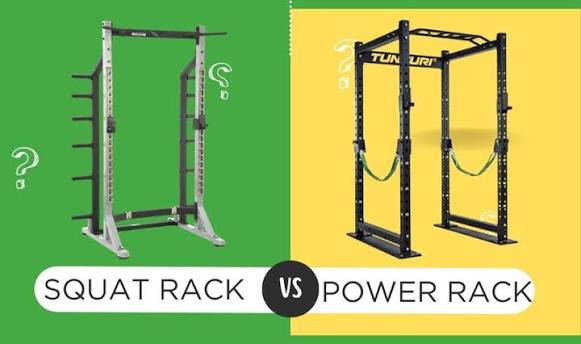
Quick Answer: A power rack offers maximum stability, full safety catches for heavy solo lifts, and high attachment versatility, but takes up a large footprint. A squat rack uses a compact 2-post design that saves floor space and budget, but provides less stability and limited safety for max lifts. Choose a power rack if you train heavy solo; choose a squat rack if space or budget is tight.
A home gym often reveals its limits through rack choice. Floor area, ceiling height, and lifting habits all matter. For lifters planning regular barbell sessions, power racks can offer broader training options. Squat racks take a different approach, keeping equipment lean and accessible. The better option depends on available room and training goals. Stability, storage, attachments, and future needs can change that decision. Looking closely at those details makes the choice clearer.
Power Racks Deliver Greater Structural Stability
A power rack surrounds the bar with four upright posts. Crossmembers connect those posts and strengthen the whole frame. That structure helps limit unwanted movement during demanding sets. It also creates space for adjustable safety equipment.
When a heavy squat goes wrong, safeties become important. Their position can catch the bar before it reaches ground level. The enclosed frame also helps during bench pressing and rack pulls. For solo lifters, this extra protection can influence equipment selection.
Frame depth adds another useful advantage during training. A deeper base gives the bar more room around the lifter. That clearance can make movement feel less restricted during demanding exercises.
Does Floor Space Change The Choice?
Room dimensions can decide the purchase before exercise selection does. A full rack needs more depth, width, and overhead clearance. Squat stands occupy less floor area, making garage corners and compact spare rooms easier to organize.
Space savings become useful when equipment shares one training zone. A smaller setup can leave room for benches, dumbbells, storage, or conditioning equipment. Before buying, floor clearance should account for barbell sleeves, plate loading, and safe movement.
- Measure wall-to-wall floor clearance first.
- Check ceiling height above pressing positions.
- Leave walking space around loaded bars.
- Account for bench placement and adjustment.
Squat Racks Keep Setup Leaner
A squat rack strips the station down to essential supports. Two uprights hold the bar while a separate bench handles pressing work. This straightforward arrangement suits lifters who prioritize squats, overhead presses, and bench exercises.
For smaller gyms, the reduced footprint can feel significant. Some stands can also move or fold away after training. That flexibility creates a useful advantage when one room serves several purposes. Stability still depends on base width, construction quality, anchoring, and load rating.
The tradeoff becomes clearer with advanced programming. A compact rack offers fewer integrated attachment points. Cable work, pull-ups, dip stations, and storage often require separate equipment. Each addition consumes more floor space and raises total setup complexity.
Where Do Power Racks Add Versatility?
Versatility becomes the strongest argument for power racks when training expands beyond basic barbell movements. A compatible frame can support pull-ups, dip attachments, cable systems, landmine accessories, and additional storage.
Attachment compatibility matters as much as rack size. Upright dimensions, hole spacing, and accessory standards determine which upgrades can work. A carefully chosen frame can therefore evolve with changing training goals rather than forcing another equipment purchase.
For example, a beginner might start with squats and presses. Later, pull-ups, rows, cable exercises, and rack pulls could enter the program. A suitable rack can accommodate those changes without demanding another large station.
Which Rack Fits Solo Heavy Lifting?
Solo lifting places greater emphasis on dependable safety hardware. A full rack positions safety arms or straps between the lifter and floor. Correct adjustment keeps the bar close enough for protection while preserving normal movement.
Squat stands can still support safe training, especially with appropriate spotter arms. However, stability varies across designs. Lightweight stands may shift under aggressive reracking or uneven loading. Wider bases and secure anchoring reduce that risk.
For home lifters, practical safety comes from setup discipline. Safety hardware should sit at the correct height before heavy sets. Bar placement should remain consistent, and collars should prevent unwanted plate movement.
- Set safeties before adding working plates.
- Test the rack with lighter loads.
- Keep the bar centered across supports.
- Anchor equipment when manufacturer guidance requires it.
- Maintain clear space around the station.
Choosing Based On Training Priorities
The better frame depends on what the gym must accomplish. A dedicated strength enthusiast may value maximum stability and attachment potential. Someone training in a multipurpose room may prefer equipment that disappears after sessions.
A useful comparison looks beyond purchase price. Rack depth, accessory compatibility, adjustment range, construction quality, and storage needs influence long-term value. A cheaper stand can become expensive if later upgrades require additional stations.
Training frequency also matters. A rack used several times each week deserves stronger construction and convenient adjustments. Occasional lifters may gain more from a compact design that preserves valuable household space.
The key distinction is expansion potential. Squat racks favor simplicity and mobility. Full racks favor structure and future additions. Neither design automatically suits every lifter.
A Rack Choice Can Shape The Gym
A rack becomes part of the room’s training architecture. A deep four-post frame may anchor a dedicated strength area, while compact stands can preserve open floor space. That difference affects equipment placement long after purchase.
The earlier example of limited ceiling clearance matters here. A tall frame may restrict overhead movements, while a lower configuration could solve the issue without sacrificing core exercises. Good equipment selection starts with the room, then moves toward the program.
The most useful rack is not always the largest. When every inch has a purpose, a compact stand can outperform a feature-rich station. Conversely, a dedicated lifter may regret saving floor space when future attachments become necessary. The right choice leaves enough capacity for the training that actually follows.
The Four-Post Footprint Has A Purpose
A four-post frame occupies more floor space, but that footprint creates room for safety equipment and future attachments. The decision therefore extends beyond today’s workout list. A lifter choosing compact stands may gain open floor area now, while a full rack can preserve expansion capacity later. In a dedicated gym, that difference can turn one equipment purchase into the foundation for years of training.
