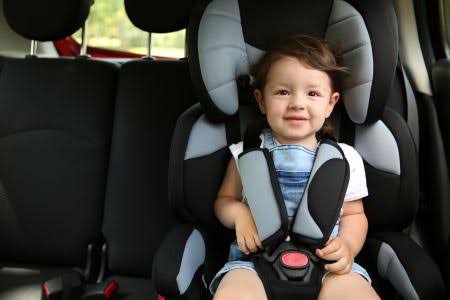
Quick Answer: Florida’s primary protection for children in vehicles is the Child Restraint Law (F.S. § 316.613). This law requires federally approved harness car seats for children ages 0-3 and booster or harness seats for children ages 4-5. All minors through age 17 are required by state law to be in seat belts. Leaving young children unattended in cars is strictly penalised to prevent hot vehicle injuries. Failure to comply will result in a $60 fine and three license points.
Florida laws protect children in vehicles by requiring drivers to use appropriate child restraints based on a child’s age and size. These rules are designed to reduce the risk of serious injury during a crash by keeping young passengers properly secured.
Following child passenger safety laws is especially important because children have different safety needs than adult passengers. Florida is known for its busy roads, highways, and large number of families who travel by car. Children may spend a significant amount of time riding in vehicles for school, activities, family trips, and everyday errands.
Understanding the state’s safety requirements can help parents and other drivers make safer choices whenever children are passengers.
Child Restraints for Younger Children
Florida law requires children to be secured in a crash-tested child restraint system when they are young enough to require one. Infants and younger children generally need a child safety seat that is appropriate for their age, height, and weight.
Parents should follow both Florida law and the manufacturer’s instructions when choosing and installing a safety seat. Using the correct seat and installing it properly can provide better protection during a collision.
Requirements for Older Kids
As children grow, their restraint needs change. Florida law provides different requirements for children under certain ages, while older children may be able to use a vehicle’s regular safety belt.
A child should not move to a seat belt simply because the child has reached a certain age. Parents should also consider whether the belt fits correctly. The shoulder belt should rest across the chest and shoulder rather than the neck, while the lap belt should fit securely across the upper thighs.
Safety Belts Still Matter
Seat belts are an important part of vehicle safety for older children and adults. A properly fitted restraint can help keep a passenger in the correct position during a crash and reduce the risk of being thrown from the vehicle.
Children should also be encouraged to remain properly restrained during every trip, even when traveling a short distance. Many crashes happen close to home, so skipping a safety restraint for a quick trip can still create unnecessary risk.
Rear Seat Safety
The back seat is generally a safer location for young children than the front passenger seat. Parents should follow the instructions for their child’s particular safety seat and vehicle.
Rear-facing seats are commonly used for infants and young children because they provide support for the head, neck, and spine during a collision. Parents should check the seat’s height and weight limits before deciding when to change the child’s seating position.
Penalties for Violations
Drivers who fail to follow Florida’s child restraint requirements may face legal penalties. Florida Statutes § 316.613 addresses child restraint requirements and establishes rules for securing children in motor vehicles.
The purpose of these requirements is not simply to avoid a ticket. Proper restraints can make a major difference in the severity of injuries when a crash occurs.
Proper Installation Is Important
Having the correct child seat is only part of passenger safety. The seat also needs to be installed correctly. Loose straps, incorrect positioning, or an improperly secured seat can reduce its effectiveness.
Parents should carefully review the vehicle and car seat instructions. Some communities and child passenger safety programs also offer resources to help families check whether a seat has been installed properly.
Children Need Consistent Protection
Child passenger safety should be part of every trip, regardless of distance. Parents, relatives, babysitters, and other drivers who transport children should understand the applicable requirements and use the appropriate restraint every time.
Following Florida’s requirements can help reduce preventable risks and give young passengers better protection if a crash occurs.
Key Takeaways
- Florida law provides penalties for failing to follow child restraint requirements.
- Florida requires appropriate restraints for young children traveling in vehicles.
- Child safety seats should match the child’s size and developmental needs.
- Older children may transition to seat belts when they are large enough for a proper fit.
- The back seat is generally the safer location for young children.
- Correct installation is just as important as choosing the right restraint.
Disclaimer: This article provides general information on Florida child passenger safety laws (F.S. § 316.613) for educational purposes and is not formal legal advice. Traffic laws and safety regulations change. Pease consult the Florida Department of Highway Safety and Motor Vehicles (FLHSMV) or a legal professional for specific guidance.
