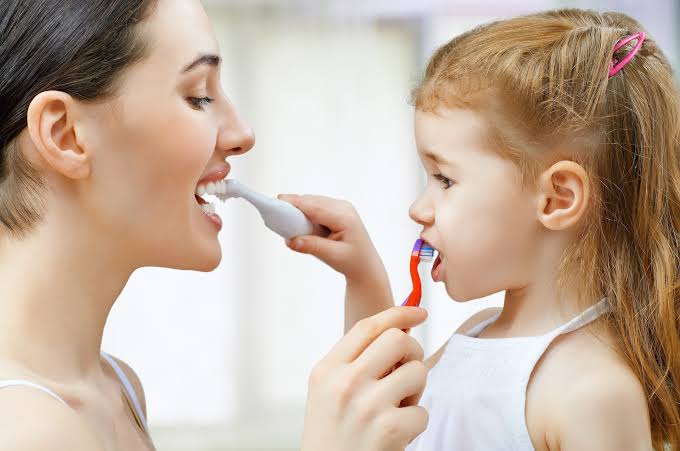
Healthy family dental habits are the small routines that keep everyone on the same track: some of these habits include brushing twice a day, flossing when teeth touch, watching sugar, and keeping regular checkups on the calendar. Parents usually know what to do, but the hard part is doing it when mornings are rushed, one child hates mint toothpaste, and a teen thinks brushing counts as optional.
This guide shows how to build a routine you can actually keep, adjust it by age, and make home care and dental visits work together.
What healthy family dental habits actually look like
A good routine is not complicated. Everyone brushes in the morning and before bed, flossing happens once a day once teeth are close enough to trap food, and sugary snacks do not keep showing up all day long. The goal is to make oral care boring in the best possible way, because consistency prevents most of the problems families end up paying for later.
If one child needs help and another wants to do everything alone, that is normal. The habit should fit the child, not the other way around.
Build a routine that works on busy mornings and tired nights
Start with a routine that is short enough to repeat. Morning can be fast. Night needs more structure, because bedtime is when families are most likely to skip steps.
For many families, the win is not perfect technique. It is simply getting everyone to do the same steps at roughly the same time, every day.
Match the habit to the child
| Age group | Key habit | What parents do | How often |
| Babies and toddlers | Clean the mouth early and brush as teeth come in | Wipe gums, then brush once teeth appear | Twice daily |
| Young children | Build supervised brushing skills | Help with brushing and use a pea-sized amount of toothpaste | Morning and night |
| School-age kids | Add flossing and independence | Check that brushing is thorough and flossing is happening | Daily |
| Teens | Protect teeth from school lunches, sports, and braces | Watch for skipped nights, snacks, and rough brushing | Daily |
For babies, the main job is to start early. For school-age kids, the main job is follow-through. For teens, the main job is making sure new freedom does not turn into bad shortcuts. The CDC advises brushing children twice daily with fluoride toothpaste and helping them brush until they have good brushing skills.
Keep snacks and drinks from undoing the effort
Teeth do worse when they are constantly bathed in sugar. That is why the after-school granola bar, fruit snack, and juice box routine can matter as much as brushing. Water, cheese, plain yogurt, fruit with a meal, and crunchy vegetables are easier on teeth than sticky snacks that cling to enamel.
A simple rule helps: save sweets for mealtimes, not between meals. If your child is asking for something every hour, it is usually easier to change the snack pattern than to lecture them about cavities every night.
This is also where family dentistry helps, because one office can reinforce the same message for parents, children, and teens instead of giving everyone a different set of instructions. A cleaning visit also gives you a chance to ask about fluoride, sealants, or braces care before small problems grow.
Keep dental visits part of the plan
Children should see a dentist by their first birthday or within six months of the first tooth coming in, and that early visit helps families build a dental home before problems begin. After that, regular checkups make it easier to catch cavities, spot flossing problems, and keep kids comfortable with the office routine.
Preventive care usually does not slow life down much. Sealants have no downtime, and fluoride varnish is typically brushed off later the same day, so kids can usually go back to school or sports right away.
If you are comparing offices and want one place to keep the whole household organized, bloomdentalofarlington is one of those dental clinics that parents often turn to when they want a simpler routine for everyone.
Frequently Asked Questions
When should my child start brushing?
Start as soon as the first tooth appears. Brush twice a day with a soft brush and a small amount of fluoride toothpaste, and keep helping until your child can do a good job alone.
When should kids start flossing?
Begin flossing when two teeth touch and food starts getting trapped between them. For many children, that happens in the toddler or preschool years.
Do teens really need supervision?
Yes, at least some of the time. Teens may brush fast, skip nights, or miss spots around braces and retainers, so a quick check-in still matters.
How often should our family see the dentist?
Most families do well with regular checkups every six months, unless the dentist recommends a different schedule based on cavities, braces, or gum problems.
Conclusion
Healthy family dental habits work best when they are simple, visible, and shared. Pick one routine tonight, keep it the same tomorrow, and let your dental office help fill in the gaps as your kids grow. With consistent brushing, smart snack choices, and regular dental visits, your family can build habits that protect healthy smiles for years to come.
Medical Disclaimer: The information provided on this site is for educational and informational purposes only and is not intended as medical advice. It should not be used to diagnose or treat any health condition or disease. Always consult with a qualified healthcare professional or dentist for any questions regarding a medical condition or treatment plan.
