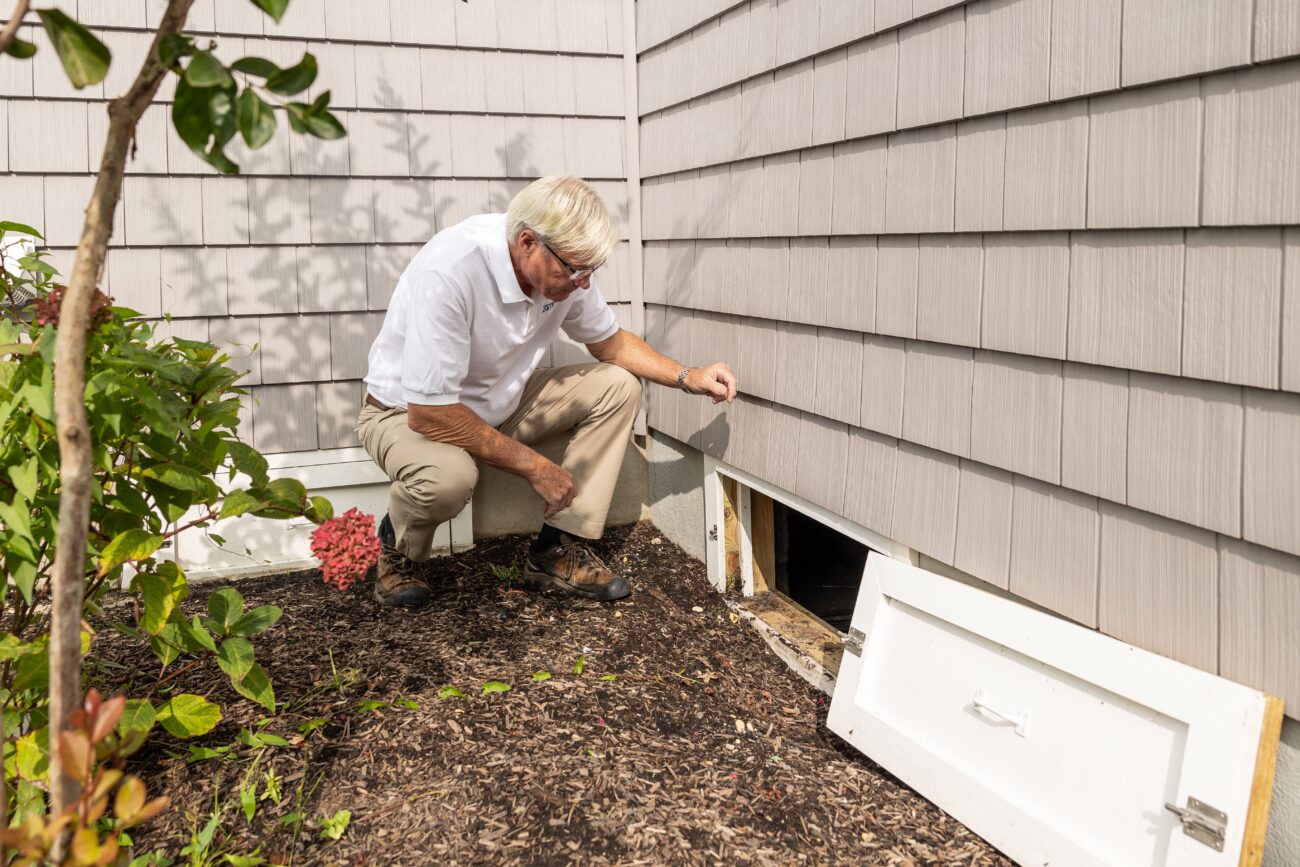
A house spends every hour of every day standing up to something. Rain, wind, snow, sun, and shifting temperatures all press against the outside of a home, and none of them take a break. Most of that pressure produces no visible drama. It simply wears things down slowly, in small amounts, in places nobody happens to look.
That is exactly why so many household repair bills arrive as a shock. The problem was rarely sudden. It was usually months or years in the making, sitting quietly behind a wall or under a shingle until it finally announced itself with a stain on the ceiling or a soft spot in the floor. A simple habit of looking at the outside of your home on a regular schedule can catch those problems while they are still small, cheap, and easy to fix.
The Value of Catching Damage Early
Every home takes a steady beating from the weather, and most of that damage begins in places the owner almost never looks at closely. Roofing and siding take the hardest hits of anything on a house, and when one of them starts to fail, the other usually begins to suffer soon afterward. The sensible answer for most homeowners is a single experienced team that understands how those two surfaces work together and can treat them as one connected system. That is why many people hire an expert roofing and siding company with the skill to inspect, repair, and replace both surfaces properly.
What a Good Look at Your Home Should Cover
An inspection does not need to be complicated to be useful. Start at one corner of the house and walk the full perimeter slowly, looking up and down as you go. Pay attention to anything that has moved, lifted, cracked, stained, or changed color since the last time you looked.
Check where different materials meet, because those joints are where trouble usually starts. Look at the points where the walls meet the foundation, where trim meets brick, and where anything passes through an outside surface, such as a vent or a pipe. Look at the gutters and downspouts to make sure they are still attached and still pointed away from the house.
Timing Your Checks Around the Seasons
Twice a year is enough for most homes. The two natural moments are late spring, once the last of the cold weather has passed, and early fall, before the first hard freeze arrives.
The spring check tells you what winter did. Ice, snow load, and repeated freezing and thawing can loosen fasteners, crack sealant, and pull materials apart. The fall check is about readiness. You want everything sealed, clear, and firmly attached before the weather turns, because a small gap in October becomes a large problem by January.
Warning Signs You Can Spot Without Climbing Anything
Plenty of useful information is visible from the yard. Missing or curled shingles stand out against a straight roofline. Dark streaks running down an exterior wall often mean water is escaping somewhere it should not. Panels that have warped, buckled, or pulled away from the wall are easy to see in the right light, especially in the low sun of early morning or late afternoon.
Inside the house, look for signs that water has already found a path in. Brown rings on a ceiling, peeling paint near a window, a musty smell in a closet on an outside wall, or a door that suddenly sticks in its frame can all point to moisture where it does not belong. Insects gathering in one spot along the base of a wall can also mean the material there has gone soft.
How Water Turns a Small Gap Into a Large Bill
Water is patient, and it only needs one opening. A gap the width of a pencil is enough for rain to be driven through by wind, and once it is inside a wall, it travels along whatever surface it touches until it settles somewhere it cannot drain.
From there the damage compounds. Wet insulation stops insulating, which raises your heating and cooling costs. Framing that stays damp softens and loses strength. Mold takes hold in the dark, and the repair grows from a simple patch into a project that involves opening up walls, replacing structural wood, and redoing interior finishes. The original opening might have cost very little to seal. The finished repair almost never does.
Keeping a Simple Record of What You Find
Memory is unreliable for this kind of thing, and photographs are not. Take pictures of anything that looks questionable and note the date. When you look again six months later, you will be able to tell immediately whether a crack has widened or a stain has spread, and that difference is the single most useful piece of information you can have.
A short written list helps too. Write down what you checked, what looked fine, and what you want to watch. Over a few years, this record becomes a genuine history of your home, which is valuable when you are deciding whether something needs attention now or can safely wait another season.
Small Repairs That Protect Large Investments
The economics here are hard to argue with. Resealing a joint, replacing a few fasteners, reattaching a length of gutter, or swapping out a handful of damaged pieces are all modest jobs. Left alone, each of those small items can become the reason an entire surface has to be torn off and rebuilt.
There is a comfort benefit as well. A home that is properly sealed holds its temperature better, stays quieter, and costs less to run through the extremes of summer and winter. Curb appeal matters too. Clean, straight, well-maintained surfaces hold their value, and buyers notice neglect on the outside of a house long before they open the front door.
Making the Habit Stick
The hardest part of this is remembering to do it at all. Attach it to something you already do twice a year, such as changing your smoke alarm batteries or putting away the garden furniture, and it stops being a task you have to remember separately.
Give yourself an hour, take your phone for photographs, and walk the whole property with your eyes open. Most times you will find nothing at all, and that is a good outcome rather than wasted effort. The one time you do find something, you will almost certainly have found it early enough to matter.
