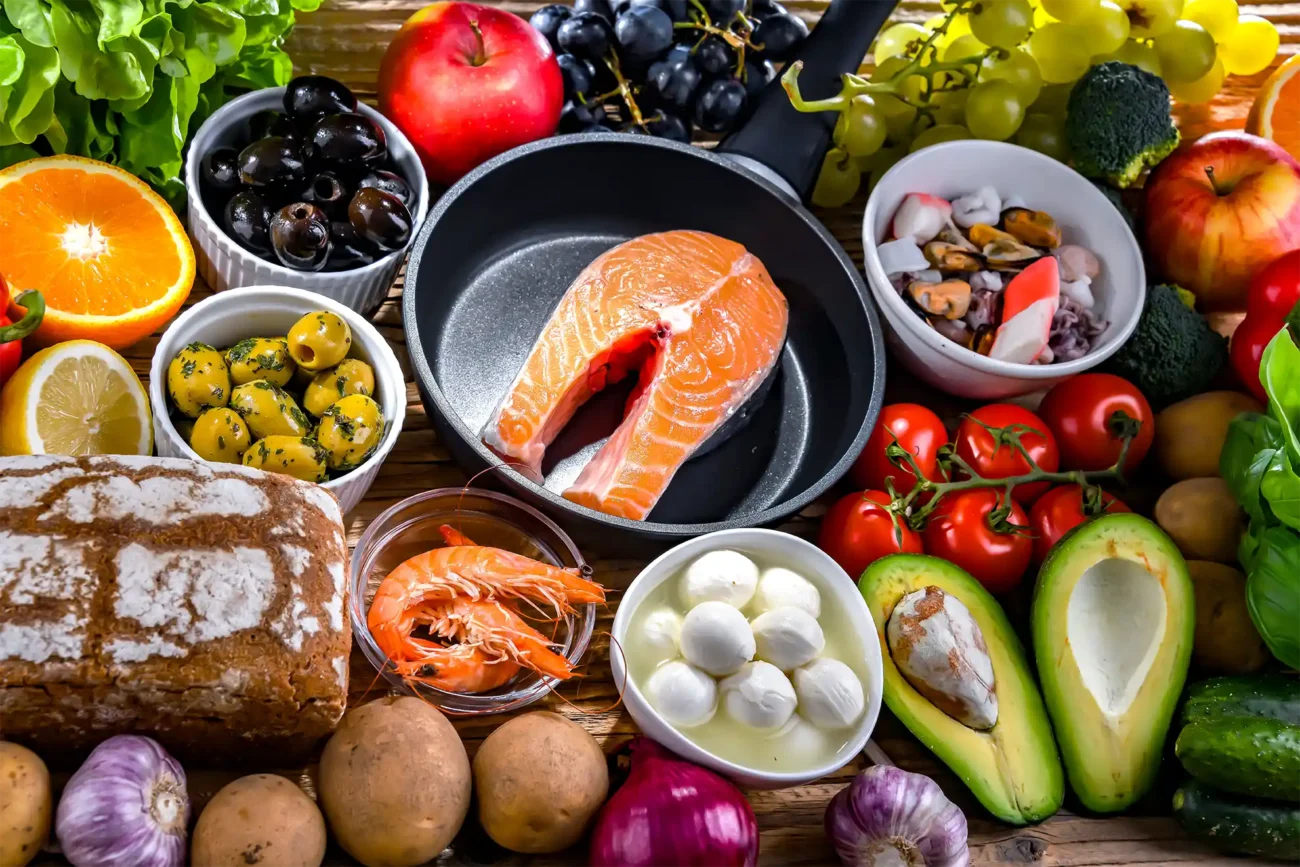
A carrot pulled from the ground in July rarely matches a carrot pulled in February. Sunlight hours, rainfall, soil quality, and time in storage all move the vitamin, mineral, and moisture content of fresh produce. Those shifts create a quiet problem for kitchens that print precise figures on menus and packaging.
Every recipe calculation rests on ingredient data, so any drift in that data travels straight through to the final label. Chefs and food manufacturers deserve a clear answer about how much that movement really matters. The response sits in how nutrient databases are built and how carefully a recipe gets maintained across the year. To know more, please read this article.
Why Harvest Timing Shifts Nutrient Values
Plants react to their surroundings, and nutrition analysis software draws on data that reflects that behavior. Longer daylight can influence the nutrient composition of leafy greens, while months in cold storage may gradually reduce certain vitamins in root vegetables. Rainfall alters water content, which can concentrate or dilute values measured per hundred grams. Ripeness at harvest and cultivar choice add another layer of movement to the same ingredient line.
Growing Conditions Can Change the Same Ingredient
Two vegetables of the same type can have different nutrient profiles even when harvested during the same month. Soil composition, fertilizer use, irrigation, temperature, and exposure to sunlight all influence plant development. Produce grown in one region may therefore differ slightly from the same crop supplied from another area.
For recipe analysis, these natural differences are important because databases usually represent an average rather than the exact composition of every tomato, apple, or bunch of spinach entering a kitchen. That approach makes nutrient calculations more practical while acknowledging that agricultural products cannot be completely uniform.
Ingredients That Follow the Calendar Most Closely
Some pantry items hold firm through the year, while others reshape their profile with each harvest.
Categories With the Widest Swings
- Leafy greens such as spinach and kale, where vitamin C may vary according to growing and storage conditions.
- Root vegetables that can lose moisture and change in carbohydrate composition during extended post-harvest storage.
- Citrus fruit, with acid and vitamin levels influenced by ripeness at picking.
- Dairy and eggs, where some aspects of fat composition may reflect differences in animal feed.
- Wild-caught fish, with oil content that can shift through seasonal feeding and reproductive cycles.
Refined staples such as flour, sugar, and many commercially processed oils tend to remain much more stable, which keeps the review list manageable.
Storage Time Matters After Harvest
Seasonal variation does not stop once produce leaves the field. Storage conditions can continue changing an ingredient’s nutritional profile before it reaches a restaurant, commercial kitchen, or manufacturing facility.
Temperature, humidity, exposure to oxygen, and storage duration may affect sensitive nutrients. Fresh produce delivered shortly after harvest can therefore differ from produce kept in controlled storage for several weeks or months. This is especially relevant for operations that use the same recipe throughout the year but receive ingredients through different seasonal supply chains.
Kitchen teams do not need to test every delivery, but they should understand that storage adds another source of natural variation beyond the growing season itself.
How Trusted Databases Absorb the Variation
Government food composition tables do not usually record a single snapshot from one farm on one morning. Nutrient values may be developed from samples collected from different sources, production conditions, and testing periods. Published figures can therefore represent values designed to provide a practical reference for commonly consumed foods.
This averaged approach helps keep a recipe calculation steady rather than allowing its displayed values to change with each shipment. Laboratory testing of one individual batch can provide detailed information about that specific sample, but it may not represent every future delivery of the same ingredient.
Why Standardized Ingredient Records Matter
Consistency becomes especially important when the same recipe is prepared across several locations. A restaurant group may source tomatoes, potatoes, herbs, or dairy products from different suppliers depending on regional availability and the season.
If every location uses a different nutrient value for the same basic ingredient, nutritional reporting can quickly become difficult to manage. Standardized ingredient records give teams a common reference point for recipe development, menu updates, and internal reviews.
The record should still be updated when an ingredient changes substantially. Switching from fresh fruit to canned fruit, changing the fat percentage of dairy, or replacing a branded sauce with a new formulation can affect calculated values enough to require another review.
Portion Size Can Matter More Than Seasonal Changes
Seasonal nutrient shifts receive attention because they are difficult to control, but portion inconsistency can sometimes create an even larger difference in the final calculation. A recipe may be accurately entered into a database while the serving size on the plate gradually becomes larger or smaller.
For example, a calculated serving may assume 150 grams of a prepared dish. If kitchen staff regularly serve 180 grams instead, the nutrient information available to customers no longer reflects the portion they receive.
Regular portion checks therefore support nutritional accuracy alongside ingredient reviews. Scales, standardized scoops, ladles, serving guides, and documented yields can help commercial kitchens maintain closer alignment between recipe calculations and actual service.
Simple Checks That Protect Label Accuracy
A short quarterly routine keeps published values useful without creating heavy work for the kitchen team.
Habits Worth Repeating Each Quarter
- Review recipes after any seasonal swap involving an important ingredient.
- Refresh custom ingredient entries when a supplier reformulates a product.
- Confirm yields and serving sizes against actual plated portions.
- File supplier specification sheets alongside the recipe record.
- Check whether branded products have changed their nutrition panels.
- Review cooking losses if preparation methods have changed.
These small reviews can prevent outdated calculations from remaining in use for months and may reduce the need for larger corrections later.
Cooking Methods Add Another Layer of Variation
The nutrient profile of an ingredient can continue changing during preparation. Boiling, roasting, steaming, frying, draining, and reducing all affect moisture content and may influence the concentration or retention of particular nutrients.
Water loss is especially important in recipe analysis. One hundred grams of a raw vegetable does not necessarily weigh the same after roasting or sautéing. As moisture disappears, nutrients may become more concentrated by weight even though the total quantity of some heat-sensitive vitamins may decrease.
Recipe records should therefore reflect the ingredient form actually used in the calculation. Raw, boiled, drained, frozen, canned, and cooked entries may carry different nutrient values in food databases.
Supplier Changes Should Trigger a Review
Seasonality can also lead businesses to change suppliers. A kitchen may purchase local produce during one part of the year and rely on produce from another region during colder months. Food manufacturers may switch ingredient sources when availability, pricing, or contract terms change.
A supplier change does not automatically require an entirely new laboratory analysis. However, it gives the business a useful reason to check specifications, serving yields, formulations, and ingredient descriptions.
The need becomes more important for manufactured products, fortified ingredients, sauces, dairy products, and other foods where one supplier’s formulation may differ significantly from another. Keeping supplier records connected to each recipe makes these changes easier to identify.
When Laboratory Testing May Still Be Useful
Database-based calculations are practical for many recipes, but some situations may justify laboratory testing. Products with unusual ingredients, proprietary processing methods, significant moisture loss, or highly variable formulations can be harder to represent accurately using standard database entries alone.
Laboratory testing may also be considered when a business needs detailed information about a finished packaged product rather than a general estimate based on its recipe. The choice depends on the product, regulatory requirements, production consistency, and the purpose of the nutritional information.
For many food businesses, calculated analysis and laboratory testing are not competing approaches. They can serve different purposes within the same quality-control system.
Where Steady Reporting Pays Off
Seasonal studies of fresh foods frequently demonstrate that nutrient values do not remain identical across every growing and storage condition. The important lesson for food businesses is that fresh produce naturally contains biological variation that cannot be completely removed.
Averaged reference data helps smooth that behavior, and nutrition analysis software can apply standardized ingredient information consistently across repeated recipe calculations. This provides a practical foundation for menu development, nutritional comparisons, formulation reviews, and label preparation.
Customers, dietitians, and food-service teams benefit when the calculation method remains consistent and recipe records are kept current. Menu development also becomes easier because comparisons between recipes remain meaningful when the underlying data is managed in the same way.
Seasonal movement in fresh ingredients is real, measurable, and impossible to remove entirely from farming. Reliable reference data, accurate portions, documented supplier changes, and regular recipe reviews help keep nutritional calculations useful across different harvests. That level of consistency supports better food information while giving kitchens and manufacturers a manageable way to maintain their recipe records throughout the year.
