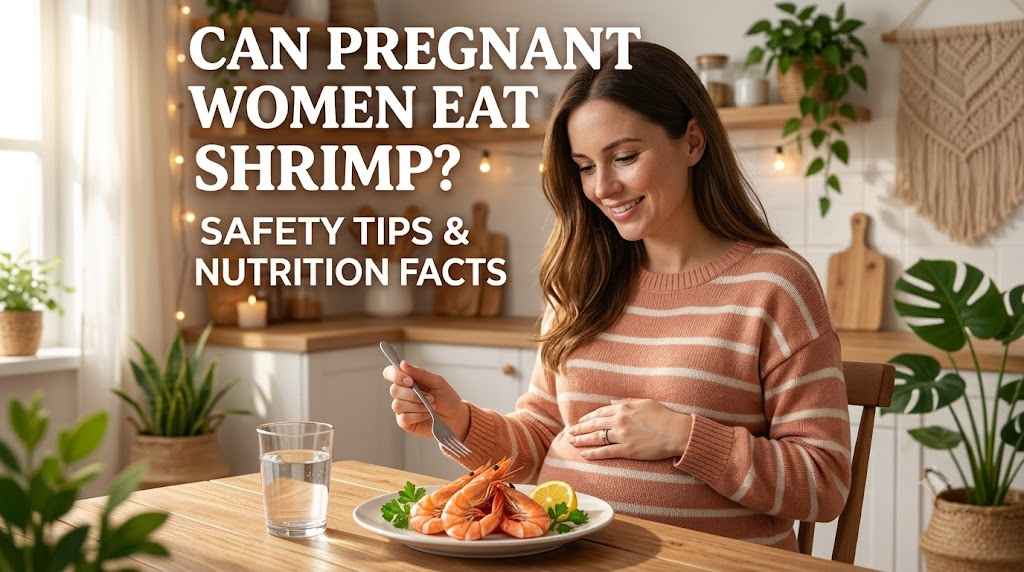
The quick answer: Yes, pregnant women can eat shrimp safely. Low in mercury and rich in nutrients to support fetal brain and eye development, it’s a “Best Choice” seafood. Shrimp: For safety, cook to 145°F (63°C). Try for 8 to 12 ounces per week, and always avoid raw, undercooked, or cold-smoked preparations.
Shopping for groceries while pregnant can be hard because you always wonder if what you buy is safe. You need to prioritize protein intake. On one hand, you get confused about whether the food that contains protein is good or not. If you see shrimp there and suddenly feel like eating them at home, you might wonder, can pregnant women eat shrimp? Well, the answer is yes, you don’t need to cut it off completely from your diet for the next nine months.
In fact, shrimp have many benefits for both mother and baby. However, you need to understand the mercury limits and how to prepare it safely. In this guide we will look at details about shrimp completely so you can enjoy it safely.
The Great Pregnancy Seafood Dilemma: Should You Be Worried?
When you are pregnant, everything you eat matters. Among all the food groups, seafood has a mixed reputation. You will hear different advice. Some health experts say it is best for your baby’s brain development, while others say don’t eat it due to mercury levels, parasites, and environmental toxins. These double answers may keep you confused and restricted when you go to the grocery or a restaurant.
The Reality of the Risk
It is completely okay to feel confused and anxious while eating any food item that can affect the baby. When people say all seafood has toxic mercury levels, they are not completely right because all seafood is not equally created. Fish like shark, swordfish, and king mackerel have high mercury levels, so don’t consider shrimp in the same fish group, as it will just create fear.
People do avoid seafood in pregnancy completely to stay safe, but by doing this, they also miss the important nutrients seafood has, like omega-3 fatty acids (specifically DHA), which are essential for a baby’s neural, cognitive, and visual development. Your goal isn’t to totally avoid them but to eat selectively. By understanding the difference between high-risk species and the Holy Grail options like shrimp, you can make the right choice.
The Mercury Myth: Why Shrimp is the “Holy Grail” of Seafood
If you heard the health expert say not to eat seafood in pregnancy for safety reasons, their main concern is always mercury. It is a naturally occurring metal that is found in fish from environmental pollution. But the mercury myth is that all fish are toxic. Obviously, that is wrong. High-mercury fish like swordfish, shark, tilefish, and king mackerel stay in the sea for years, so mercury easily builds up in their tissues. When you consume these fish, mercury crosses the placental barrier and impacts the baby’s nervous system, which is in the development phase. That’s why public health warnings have historically been very cautious.
Why is Shrimp the Exception?
Shrimp isn’t included in these high-risk categories for predators; in fact, shrimp is considered the holy grail of pregnancy seafood. Shrimp have a very short life in the sea and are lower on the food chain. They naturally don’t live longer, nor do they consume enough contaminated fish to build up mercury in tissue. According to the FDA and the EPA, shrimp rank at the bottom of the mercury risk list; it is considered the best choice food during pregnancy.
It is different from other low-mercury options, which are lower in nutrients; shrimp actually provides massive nutrition in pregnancy to both mother and baby.
To clarify more, here is a categorized chart of the “holy grail” seafood choices based on the latest FDA and EPA guidelines.
| Category | Recommended “Best Choices” |
|---|---|
| Shellfish | Shrimp, Crab, Lobster (American/Spiny), Oysters, Scallops, Clams, Crawfish |
| Common Fish | Salmon, Cod, Pollock, Tilapia, Catfish, Haddock, Flounder, Sole, Whiting |
| Smaller Ocean Fish | Sardines, Anchovies, Herring, Atlantic Mackerel, Smelt |
| Canned/Other | Canned Light Tuna (includes Skipjack), Freshwater Trout |
Shrimp vs. Prawns: Does the Difference Matter?
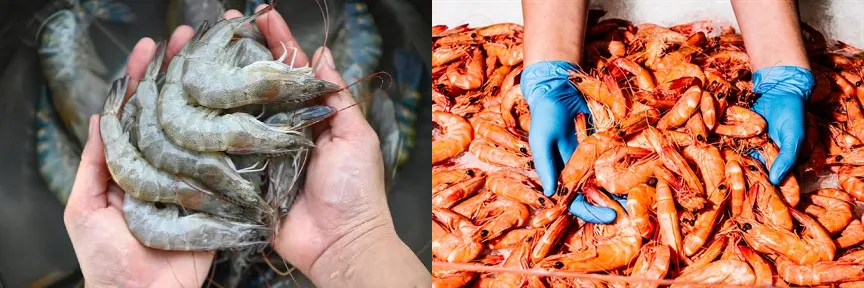
When you go to a seafood counter, you may see two similar-looking piles of pink and curled shellfish; one is named “shrimp” and the other is named “prawns.” You may feel confused; they look similar, but which one is safer in pregnancy? However, both of them are safe because they offer similar nutritional profiles.
Biologically, they are related, like shrimp, which are decapod crustaceans that come from Pleocyemata, whereas prawns belong to Dendrobranchiata. There are some small differences, like shrimp are found in salt water and prawns are in normal water. Prawns have 3 pairs of claw-like legs, and shrimp have 2. While eating food in pregnancy, the only thing that matters is the nutritional profile. Both are excellent sources of essential vitamins like B12, selenium, and iron. Both are low-level in the food chain.
Both of them are small and fast-growing, so they have low mercury levels. You don’t need to worry about which one is best in pregnancy. Whether you decided to cook shrimp scampi or prawn curry, you are getting full benefits.
The Real Difference You Should Look For
When you go to a seafood counter, you may see two similar-looking piles of pink and curled shellfish; one is named “shrimp” and the other is named “prawns.” You may feel confused; they look similar, but which one is safer in pregnancy? However, both of them are safe because they offer similar nutritional profiles. Instead of focusing on a similar shape, pay attention to where it comes from because the safety also depends on it.
Both shrimp and prawns can be farmed or wild-caught, so make sure to look for reputable certifications (like MSC or BAP), as they indicate they are raised in quality water and are free from contamination. Since they have a similar shape, they react to heat in the same way. The only thing that matters is you cook it completely.
| Feature | Shrimp | Prawns |
|---|---|---|
| Pregnancy Safety | Excellent (Low Mercury) | Excellent (Low Mercury) |
| Nutrition | High Protein, Omega-3s, Iodine | High Protein, Omega-3s, Iodine |
| Typical Habitat | Mostly Saltwater | Mostly Freshwater |
| Body Shape | Noticeable “hump” or bend | Generally straighter body |
| Cooking Rule | Must be fully cooked 145°F | Must be fully cooked 145°F |
The Absolute Dealbreaker: Why You Must Avoid Raw Shellfish
While shrimp and prawns are safe in pregnancy, but only if they are properly cooked, you must avoid eating them raw or undercooked. This is a strict rule you need to follow till the baby is born. Because when you are pregnant, the immune system undergoes many changes to make sure the body accepts the pregnancy, which is important, but it also makes you more vulnerable to foodborne illnesses. Raw or undercooked shellfish contains dangerous pathogens that won’t affect non-pregnant persons, but it can lead to many complications in pregnant women. The primary culprits found in raw shellfish are as follows:
- Vibrio: This bacteria is commonly found in warm coastal water where most shellfish live. Vibrio can cause severe vomiting, diarrhea, and fever.
- Salmonella: This is related to improper handling or contamination. Salmonella can cause serious illness and dehydration.
- Listeria: The most dangerous bacteria in pregnancy because it crosses the placenta and there are no symptoms of it taking place suddenly. Listeria can affect the baby and result in premature labor, miscarriage, or serious neonatal infection.
- Parasites: Raw shellfish can include various parasites that can only be destroyed by high heat.
What is the Opaque Rule?
You might hear citrus-marinating “cooks” the fish; however, it’s just a myth. Acidic marinades can change the texture and color of the shrimp, but they don’t kill the bacteria or parasites in it. To make meat 100% safe to eat during pregnancy, you need to make sure the meat reaches an internal temperature of 145°F (63°C). When the shrimp is completely cooked, it changes from a translucent, glassy look to a solid, opaque, pearly-white or pink color. If you notice the shrimp is still mushy in the center, it means it is not properly cooked.
What to Avoid at Restaurants and at Home?
If you are pregnant, here are some things to avoid on the menu for your safety.
- Ceviche: It may look cooked, but it is definitely raw.
- Sushi and Sashimi: Especially if they have raw shrimp, also known as ‘amaebi’ or ‘sweet shrimp.’
- Poke Bowls: Avoid eating them unless the shrimp are cooked and hot.
- Cold-Smoked Shellfish: Always found on fancy appetisers, they can’t be cooked at the temperature where bacteria get killed.
Watch Out: Which Shrimp Preparations to Avoid
Now you know raw shellfish needs to be completely avoided in pregnancy; it’s time to look at the gray areas of shrimp preparation. Even if the shrimp is high quality, the way it is served can sometimes make it risky. During pregnancy it is more important to focus on the method of preparation.
The “Hidden” Dangers on the Menu
Following are the specific preparations you should avoid in pregnancy.
Fermented or “Pickled” Shrimp: In many traditions, shrimp are served by using acidic pickling. While these can add flavor, they won’t kill bacteria like listeria. Since the shrimp also remains raw, it is not recommended in pregnancy.
Cold-smoked or “lox-style” shrimp: It is similar to cold-smoked salmon; the preparation uses low temperatures to enhance flavors; however, it will not be properly cooked and will have bacteria.
Shrimp in “Pre-Made” Deli Salads: Avoid shrimp salads that are found at deli counters or in grocery stores because they are prepared in bulk, sit at room temperature for hours, and can be affected by cross-contamination or the growth of bacteria because of temperature changes.
Buffet-Style Shrimp: While cooked shrimps are great, shrimps that are set out for long at buffets, even cooked, can enter the danger zone that is 40°F to 140°F. Bacteria can take place and even multiply, so make sure to skip shrimp at the buffet.
Cross-Contaminated Appetizers: Avoid platters that have a mixture of both cooked and raw ingredients. If the cooked shrimp is on the same platter as other raw fish or unwashed vegetables, it is no longer safe to consume because of bacteria in other raw food items.
Your “Safety Checklist” for Ordering Out
If you are in the mood for shrimp and want to eat outside, then ask the server the following 3 simple questions to make sure the shrimp is safe to consume.
- “Is this shrimp fully cooked throughout?” Make sure to confirm the shrimp isn’t ‘flashed’ or flash-seared.
- “Is this served hot?” Hot preparation is the best sign that food is properly cooked.
- “Was this prepared fresh?” Avoid if it wasn’t made in the last hours.
Your Weekly Limit: How Much Shrimp Can You Actually Eat?
It is easy to get excited about a food that is full of nutrition and safe in pregnancy when cooked properly; however, you may have questions in mind: If shrimp is so good for me, can I eat it every single day? While it’s safe to consume during pregnancy, moderation is the key. The point is to know you are getting enough portion size to maximize benefits without overeating.
The Recommended Portion
According to the FDA and the EPA. A pregnant woman can eat 8 to 12 ounces (2 to 3 servings) of shrimp in a week. A standard serving size is around 4 ounces, which is equal to the size of your palm. Stick to 2 to 3 of these palm-sized portions in a week so you will get the omega-3s and protein without overdoing it.
Why Not “Every Day”?
You may be thinking, ‘If the mercury level is so low, why is there a limitation on eating it?’ Well, there are three main reasons:
- Nutritional Balance: In pregnancy the body needs all the nutrients like folate, calcium, fiber, and iron. If you rely on one food item, then you may miss other essential foods like leafy greens, whole grains, and lean meats.
- Environmental Factors: On one hand, shrimp are low in mercury, but all seafood contains small trace amounts of other environmental contaminants (like microplastics or PCBs), so limiting seafood to 8–12 ounces is a safety precaution.
- Dietary Diversity: A balanced diet provides a complete profile of vitamins and minerals. Eating protein items like salmon, lentils, or eggs keeps your diet interesting.
Medical Disclaimer: This information is based on public guidelines and expert commentary. Please discuss your specific dietary plan with your OB-GYN or a registered dietitian who can tailor these recommendations to your personal health history.
Tips for Managing Your Weekly Intake
If you miss eating shrimp for a week, then don’t eat 24 ounces of shrimp next week in one sitting. Remember, the 8–12 ounce limit is a total limit of seafood consumption in a week. If you are eating salmon one day and whitefish for lunch the other day, then you have already touched the limit. If you crave shrimp after some days and can’t eat it one time in a week, then try adding it in two main meals, like in salad and stir-fry.
Weekly Pregnancy Seafood Rotation Plan
| Day | Meal Goal | Portion Size | Notes |
|---|---|---|---|
| Monday | Shrimp Stir-Fry | 4 oz | A great start to your “Best Choice” intake. |
| Tuesday | Vegetarian/Other | — | Focus on beans, lentils, or eggs for protein. |
| Wednesday | Baked Salmon | 4 oz | Excellent for Omega-3s (DHA/EPA). |
| Thursday | Vegetarian/Other | — | Keep variety in your diet. |
| Friday | Grilled Shrimp Salad | 4 oz | Your final seafood portion for the week. |
| Saturday | Vegetarian/Other | — | Enjoy other healthy staples. |
| Sunday | Vegetarian/Other | — | Total weekly seafood: 12 oz. |
The 3-Step Test: Is Your Shrimp 100% Pregnancy-Safe?
When you are cooking at home, you don’t need to worry about anything because you know what is added or what is not; as we discussed earlier, undercooked shrimp is a major safety risk, and you need to cook the shrimp properly with strict inspection.
Follow these 3 simple step tests every time when you make a shrimp-based meal.
Step 1: The Visual Inspection (The Color Shift)
The most common sign of an undercooked shrimp is the appearance. Raw shrimp looks greyish and glassy; when the shrimp cooks, the flesh changes from translucent to completely opaque.
Once the shrimp is cooked properly, look; it has to be white in color with bright pink or orange accents. If you see a gray or silver color anywhere in it, then it means the shrimp needs to cook more.
Step 2: The Texture Check (The Firmness Test)
If you are confused about the color test, then go for the texture test with the help of a utensil. Properly cooked shrimp flesh has to be firm and springy to the touch. If you touch the shrimp with a fork or tongs, it needs to be hard, not soft, mushy, or gummy. If it’s soft, that means the heat didn’t go in all the way and kill bacteria.
Step 3: The Temperature Verification (The “Golden Standard”)
The texture and visual test are good, but to be more sure about safety, use a digital food thermometer. Insert it in the thickest part of the shrimp. If the internal temperature reaches 145°F (63°C), it means the shrimp are free from bacteria; however, if the thermometer shows below 145°F, continue cooking.
| If the Shrimp Is… | What it Means | Action Required |
|---|---|---|
| Translucent/Glassy | Definitely Raw | Keep cooking. |
| Soft/Mushy | Under-heat | Cook for 1-2 more minutes. |
| Opaque & Firm | Properly Cooked | Ready to serve! |
| Leathery/Rubbery | Overcooked | Heat was too high; try lower heat next time. |
Salad Swap: Best Alternatives If You’re Avoiding Shrimp
If you are avoiding shrimp in pregnancy completely, then you can still get nutritional benefits by adding alternatives to your meal, like in a salad. You can skimp on the following:
- Use canned salmon or sardines to get the same omega-3s, DHA, which is important for baby brain development. Make sure to cook them properly.
- Use hard-boiled eggs to get protein & choline, which is important for fetal neural development.
- Use chickpeas, lentils, or edamame, as all of them provide fiber, which helps in digestion smoothly during pregnancy.
- Use pumpkin seeds (pepitas), walnuts, or sunflower seeds, as they are high in magnesium, which helps in better sleep and muscle function.
- If you miss the meaty bite of shrimp, try using grilled tempeh or firm tofu; both work best in salad.
| If You Usually Add Shrimp… | Try This Instead: | Key Pregnancy Benefit |
|---|---|---|
| For Protein | Hard-boiled eggs or chickpeas | Sustained energy & muscle support |
| For Healthy Fats | Walnuts or pumpkin seeds | Essential fatty acids for baby |
| For “Meaty” Bite | Grilled chicken or baked tofu | Iron and complete amino acids |
| For Omega-3s | Canned salmon (in water) | DHA for brain & eye development |
What happens if I accidentally eat a dish that contains raw shrimp?
Don’t panic; one-time accidental consumption of raw shrimp won’t affect you that much because the contraction of a severe foodborne illness is quite low. Many normal people don’t get sick just one time eating raw seafood, your main priority right now; monitoring, instead of worrying, is.
Notice how your body reacts for the next 24 hours by looking at the symptoms like persistent nausea, vomiting, diarrhea, fever, severe abdominal cramps, or flu-like symptoms (aches, chills, and fatigue).
If you have any of the above symptoms, please contact your OB-GYN or primary healthcare provider immediately. Let them know what you ate, when you ate it and your current symptoms.
Even if you don’t have any symptoms, it is still better to talk with a doctor about it. They may suggest looking for those symptoms for more days, or you can go for a checkup if you already have a sensitive stomach.
Stay hydrated by drinking plenty of water. You can also take broth or electrolyte drinks. Avoid taking medications like OTC drugs without your doctor’s permission.
The Big Benefits of Shrimp for You and Your Baby
Shrimp is full of nutrition. When you add it into your diet during pregnancy, you are not only filling up but also fuelling the baby’s development.
Brain and Eye Development: Shrimps have omega 3 fatty acids like DHA and EPA. They both are building blocks for babies’ neural, cognitive, and visual systems.
High-Quality Protein: It is a primary and important source for fetal development. Shrimp is rich in protein, as it contains all nine amino acids the human body can’t produce itself.
Vital Minerals: Shrimp includes all vital minerals like iodine, iron, and zinc. Iodine is essential for healthy thyroid function, which helps in regulating the metabolism, and it is also critical for your baby’s brain development. Iron helps in preventing anemia, which is common in pregnancy. Zinc helps in supporting the immune system and assists in the cell-division process.
Low Calorie, High Nutrient: Since shrimp are lean, you can get a massive dose of all nutrients without extra saturated fat intake, so you can manage your weight easily.
According to Dr. Margaret Dow, Obstetrician and Gynecologist: Shrimp is a rich, lean source of the essential omega-3 fatty acids required to support your baby’s heart, brain, and eye development.
Safety Precautions: Handling Shrimp Like a Pro
Safety starts before you start the stove. If you are making shrimp at home, use the following handling tips to make sure the meal is safe from bacteria.
Avoid Cross-Contamination: Use a separate cutting board and knife for raw food items like shrimp. Never use the same utensils for vegetables or cooked foods until they are completely washed.
Hand Hygiene: Wash your hands properly for at least 20 seconds with warm and soapy water after you have handled the warm shrimp.
Thaw Safely: Never thaw shrimp on the counter at room temperature, as it is a perfect spot for bacterial growth. Instead, thaw them in the refrigerator overnight or place the sealed bag in a bowl of cold water, keeping it changed every 30 minutes.
Clean Your Surfaces: Once you’ve prepped the raw shrimp, wash the utensil to make sure no bacteria are left.
Fresh vs. Frozen: Which is Actually Safer?
There is a common myth among many people that fresh means better. However, in the case of shrimp, frozen is the superior choice.
Most high-quality shrimp are flash frozen, meaning people freeze them after they catch them from the sea within an hour. This can lock the nutritional value, texture, and flavor immediately, essentially putting the shrimp in a time capsule.
On the other hand, fresh shrimp at the counter spends hours out on ice, which makes it dangerous because bacteria can take place.
When you buy a frozen one, you have full control over how to freeze and thaw it.
| Feature | Fresh (Counter) | Frozen (Bagged) |
|---|---|---|
| Safety Level | Moderate (Risk of temperature abuse) | Highest (Flash-frozen at source) |
| Pathogen Risk | Higher if stored above 40°F | Very low (Freezing halts bacteria) |
| Nutrient Quality | Varies (often loses quality over time) | Excellent (Nutrients locked in at sea) |
| Convenience | Must be cooked immediately | Can be thawed safely on your schedule |
Safe Methods for Home Cooking
The goal when cooking at home is to use these methods to provide the proper required heat to the shrimp. This will make sure the shrimp are heated at 145°F (63°C) without drying out. The best-for-safety techniques are as follows:
- Boiling/Poaching: It is considered one of the safest methods; by adding shrimps in boiling water, it makes sure the heat is going into the thick center. Shrimp are ready when they turn opaque.
- Sautéing/Stir-Frying: This method is perfect if you are looking for a quick meal. Use a wide pan so the shrimp sit in a single layer. This process prevents shrimp from getting clumpy. Stir constantly to ensure even heat contact.
- Baking/Roasting: If you have a high quantity of shrimp, then this method is best for you. Spread shrimp in a single layer on a baking sheet. The heat of the oven is very reliable for consistent cooking.
- Steaming: If you want to preserve nutrients, this method is highly recommended. Make sure the steamer is tightly covered to trap the heat and steam effectively.
- Avoid flash sear: It is a technique used by chefs in restaurants to keep the shrimp tender. Avoid doing it at home because the shrimp are still uncooked in the center and need more cooking.
The Pregnancy Shrimp Cheat Sheet
| Category | The Takeaway |
|---|---|
| Is it Safe? | Yes. It is a “Best Choice” low-mercury superfood. |
| Weekly Limit | 8–12 oz (2–3 servings) total per week. |
| The Safety Rule | Must be cooked to 145°F (63°C). No exceptions. |
| Fresh vs. Frozen | Frozen is safer (locks in quality and freshness). |
| What to Avoid | Raw, ceviche, cold-smoked, or buffet-style shrimp. |
| Signs of “Done” | Opaque color, firm texture, no translucency. |
Resources for Further Verification
To stay up to date with the latest recommendations or to check specific seafood advisories, you can refer to these official resources:
- FDA: Advice About Eating Fish: This is the primary document used by health professionals, featuring a clear chart of “Best,” “Good,” and “Avoid” lists.
- EPA-FDA: Choose Fish and Shellfish Wisely: An excellent hub for understanding the science of mercury and how to select safe seafood.
- FoodSafety.gov: A helpful site to stay informed about any active food safety recalls.
