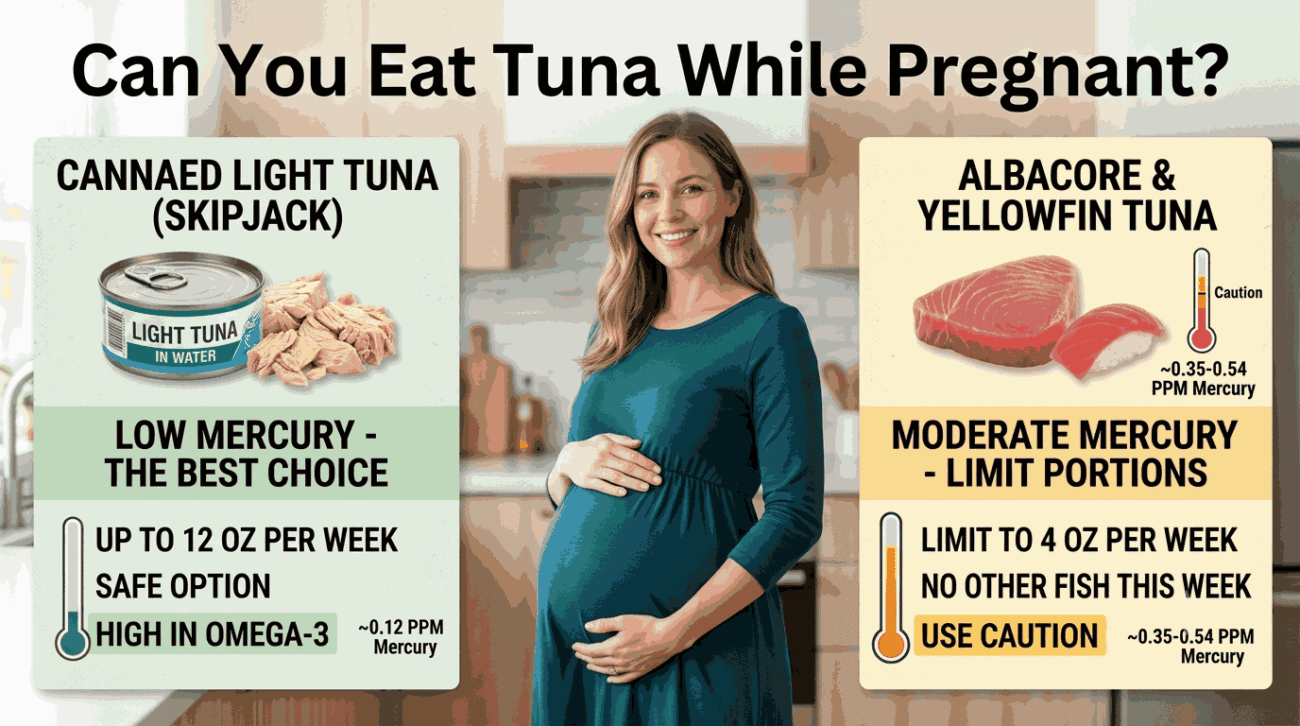
Quick answer: Yes, you can eat tuna while pregnant, but safety depends entirely on the fish species. Clinical guidelines approve up to 12 ounces of drained canned light tuna (Skipjack) weekly as a safe, low-mercury source of developmental DHA. Conversely, albacore (white) tuna must be capped at 6 ounces, while bigeye tuna should be completely avoided.
When you go to the grocery store during pregnancy, everything you put your hands on, especially in the seafood section, may make you think about how it will impact your pregnancy. We’ve known for years that seafood is good in pregnancy, as it has a good amount of DHA, which helps in fetal brain development. But on the other hand, fish also have a risk of methylmercury exposure, which can easily cross the placental barrier. If you crave tuna during pregnancy and find it at the supermarket, then a question clicks: Can you eat tuna while pregnant? Yes, but you need to take precautions.
In this detailed guide for 2026, we do the complete tuna fish audit and discuss the types that are good and what to avoid in pregnancy. What do food authorities like the FDA say about it and everything you need to know about this seafood? Let’s start.
The Great Tuna Dilemma: Benefits vs. Risks for Fetal Development
When we talk about pregnancy-safe food items and the nutrition they carry, every other food item is a part of debate, confusion, and outright anxiety, especially seafood like tuna.
Expectedly, women search about it on every platform, whether it’s an online website or even apps like X and Instagram. One day you read tuna is a superfood that helps in baby growth; the next day you read it has heavy metal toxicity.
To understand why different opinions about tuna exist, we must look closely at the dual nature of seafood during gestation. It is in a unique food group where nutritional benefits link with
environmental risk naturally. The goal of modern prenatal nutrition isn’t to completely cut tuna for nine months but to choose what options can give maximum benefits with zero risk of heavy metal.
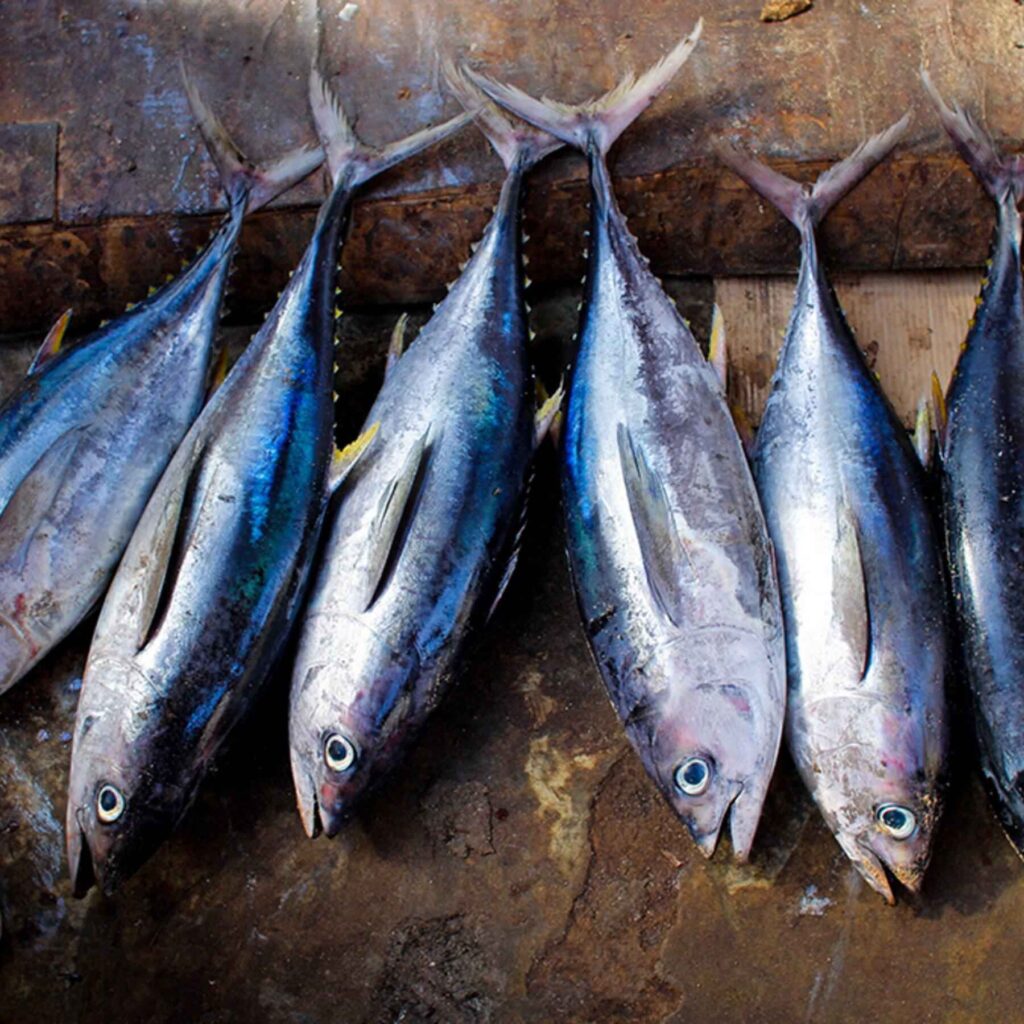
Why is DHA good for a baby’s brain health?
The main reason why medical professionals don’t tell pregnant women to completely remove tuna from their diet is it contains an omega-3 fatty acid called docosahexaenoic acid (DHA). During pregnancy, the baby’s brain development needs more omega-3 fatty acid, especially in the third trimester. A baby brain is composed of 60% fat, and DHA makes up a massive portion of that structural foundation.
Additionally, the human body can’t provide DHA of its own and even gets a good amount of it from plant-based fats like flaxseeds or walnuts, so the baby completely depends on getting it from your dietary intake. When you eat sea food like tuna that is rich in DHA,
The nutrients are transported across the placenta constantly, where the brain-building work takes place.
The Cerebral Cortex: The area of the brain responsible for memory, attention, language, and awareness.
The Retina: It is important for healthy visual acuity and early eyesight development.
The myelin sheath: It is a protective insulation around nerve fibers that ensures rapid-fire communication between brain cells.
Beyond DHA: The Role of Choline, Iodine, and Iron in Neural Tube Support
While omega-3 fatty acids like DHA are the highlight of tuna, there are also some other nutrients tuna have; these nutrients are also critical for early development and structural support.
Choline: It plays an important role in brain block building as it works side by side with folate. Choline is necessary for neural tube closure during the early stages of pregnancy. It has a direct impact on the development of the hippocampus.
Iodine: Tuna is a good source of iodine, which is necessary for the development of thyroid hormones in the body. During pregnancy the thyroid demands increase to 50%. Adequate iodine helps in preventing maternal thyroid deficiencies, which can directly stall neurological growth and early metabolic programming.
Iron: It is important in pregnancy to produce the extra hemoglobin the body needs to support a 40-50% increase in blood volume. The heme iron found in tuna helps in preventing gestational anemia and make sure the baby’s brain and placenta are getting enough oxygen
Understanding Methylmercury and the Placental Barrier
Tuna is rich in all the nutrients a body needs in pregnancy; however, the main turning stress point is methylmercury. It is a natural element that is released in the environment by industrial processes like coal burning. When it settles into oceans, the bacteria convert it into a highly toxic form that’s methylmercury. But the other toxins can get out of the fish’s body, but they stay in their digestive system and in the muscle where the protein is found. Because tuna are apex predators, they eat many small fish for years, so they undergo a process called biomagnification. This is responsible for mercury buildup in fish over time.
When a human consumes high-mercury tuna, the methylmercury gets absorbed into the bloodstream easily, and while there is no serious impact of it in normal women, in pregnant women, during pregnancy, this methylmercury easily mimics essential nutrients and crosses the placental barrier and directly enters the fetal circulatory system.
Because the fetus is already in the development stage, so the blood-brain barrier is immature, it is sensitive to low levels of this neurotoxin.
When the body gets high exposure to mercury in pregnancy, it can disrupt the migration of neurons in the fetal brain, resulting in long-term challenges with spatial awareness, attention span, and cognitive processing. This is why it is important to choose the right type of tuna in pregnancy.
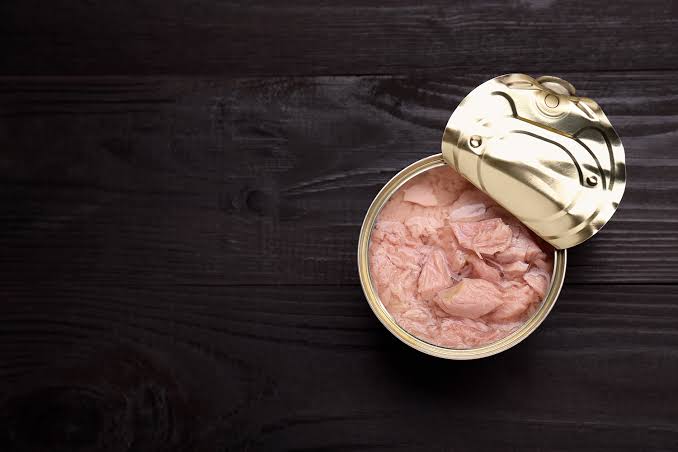
Canned Light vs. White Tuna: The Crucial Species Difference
The most important decision you have to make at the grocery store is to select the right tuna. There are a lot of different brands that have canned fish placed on the shelf, and you may think they all are the same and safe; however, the label of every brand may reveal the can contains different species of fish, each with vastly distinct life cycles, habitats, and heavy metal profiles.
Here are the latest safety guidelines, from safest to highest risk, to learn more quickly how to buy correct tuna:
Skipjack (Canned Light Tuna): The FDA Best Choice
If you want to buy one of the safest options, then look at the can’s label; if there is writing that says “Chunk Light Tuna,” then it is a safe option. This light version of tuna is sourced from Skipjack (Katsuwonus pelamis). Skipjack are small and fast predator fish that live a short life but reproduce quickly. They spend less time in water before harvest because they sit in a lower marine food chain; this will make the changes of meta-presence little in their muscle tissue. Skipjack provides a good dose of both protein and omega-3 fatty acids without the risk of high mercury levels.
- Average Mercury Level: Approximately 0.12 parts per million (ppm).
- FDA Status: It is categorized as the best choice for pregnant and breastfeeding women.
- Safe Threshold: Moderation is the key; you can eat 12 ounces per week. In cans, the quantity is about 2 to 3 cans.
Albacore (White Tuna): The FDA “Good Choice” (With Strict Limits)
When you look at the label and it shows “Solid White Tuna” or “Chunk White Tuna,” it means you are buying albacore (Thunnus alalunga).
Albacore can be easily detected because of its visuals, like lighter flesh and milder flavor, which is why it’s a very popular type of tuna among people. However, albacore live longer than skipjack because they spend years in oceans. They also eat small fish; their bodies act as a more efficient sponge for environmental toxins.
- Average Mercury Level: Approximately 0.32 ppm, nearly three times the concentration found in light tuna.
- FDA Status: According to the FDA, this type of tuna is categorized as a good choice.
- Safe Threshold: You can eat it in a limited amount, like 6 ounces per week (approximately 1 standard drained can), and not consume any other fish in the same week.
Yellowfin and Ahi Tuna: Proceed with Caution
This type of tuna is easily found in restaurants, upscale grocery fresh-fish cases, and sushi bars. Yellowfin, sold under the name Ahi, requires strict boundary setting.
These fishes are massive in size and occupy a dominant predatory position in global ocean waters. They are popular because of their firm texture, which makes them a favorite for searing and grilling; however, they are high in mercury levels.
- Average Mercury Level: Averages around 0.35 ppm; however, larger, older Pacific-caught specimens test much higher.
- FDA Status: They are also into good-choice fish like the albacore, but according to the safety experts, eating it with caution is compulsory due to different variations in restaurant portion sizes.
- Safe Threshold: For pregnant individuals, they mandate a stricter limit of exactly one 4-ounce serving per week.
Bigeye Tuna: Why It’s on the Absolute “Avoid” List
The last one on the list is bigeye tuna, also known as Thunnus obesus, which is also sold with the name “ahi” in high-end sushi establishments. Bigeye tuna are very large in size and grow slowly; they are the long-lived apex predators that can even live in deep oceans. Their body consumes constant mid-water fish, so the mercury level is quite high as compared to other types.
- Average Mercury Level: A staggering 0.69 ppm, nearly six times more than the mercury concentration of skipjack.
- FDA Status: This type is on the avoid list for pregnant women or someone who is trying to conceive.
- Safe Threshold: 0 ounces. Completely avoid it in pregnancy. When you go dining out and order sushi, always ask what species of ahi they are serving to make sure you don’t end up eating bigeye.
Calculating Safe Ounce Limits (Drained Weight vs. Can Weight)
One of the biggest concerns pregnant women face is what is written on the front of a tuna can and what actually ends up on their plate. When you find a tuna can in a supermarket, the packaging usually shows a net weight of 5 ounces or 6 ounces. However, this number includes either saltwater or vegetable oil too.
The Liquids Don’t Count: As we discussed earlier, mercury is found in protein fibers in fish muscle, and it doesn’t dissolve into water or oil.
The Reality of Drained Weight: Once you open the can and take out the liquid, you will get 3 to 3.5 ounces of solid tuna meat. Because the official FDA and EPA safety thresholds are calculated using the weight of the consumed seafood rather than the weight of packaging, you have more breathing room than you think. For canned light tuna: The weekly limit of 12 ounces is best for light tuna.
- A can of tuna only, without water, can provide you 10.5 ounces perfectly inside the safe zone.
- For Canned White Tuna: As pregnant women, you can eat one standard 5-ounce can.
Interactive Tool: The 2026 Weekly Pregnancy Tuna Safety Calculator
Select the type of tuna and your portion size to check the FDA & EPA safety guidelines.
Note: The FDA recommends pregnant individuals eat 8 to 12 ounces of a variety of low-mercury seafood per week. Always consult your healthcare provider for personalized medical advice.
Safe Serving Sizes at a Glance (The Palm-of-Your-Hand Rule)
Many women face this issue while making salad or any other tuna food item; they don’t know how to measure the amount, even when ordering a tuna sandwich at a restaurant or ordering a deli sub. Don’t worry; here is a guide to understanding sizes.
The Palm of Your Hand: One standard 3-ounce to 4-ounce serving of fish is equal to the size and thickness of a woman’s hand “palm.”
A standard measuring cup: If you are making tuna salad and mixing a large batch of it in mayonnaise or avocado, then a single serving of 3 ounces will be equal to half a cup.
Interactive Quick-Reference Comparison Table: Species, Mercury PPM, and Weekly Limits
| Tuna Species | Common Label / Menu Name | Average Mercury | FDA Safety Tier | Max Weekly Limit (Drained Weight) |
|---|---|---|---|---|
| Skipjack | “Chunk Light” or “Light Tuna” | 0.12 ppm | Best Choice |
Up to 12 oz
(Approx. 2-3 standard cans) |
| Albacore | “Solid White” or “White Tuna” | 0.32 ppm | Good Choice |
Max 6 oz
(Approx. 1 standard can) |
| Yellowfin | “Ahi Tuna” (Steaks / Sushi) | 0.35 ppm | Good Choice |
Max 6 oz
(Eat sparingly) |
| Bigeye | “Ahi” or “Ahi Bigeye” | 0.69 ppm | Avoid |
0 oz
(Do not consume) |
The Selenium Shield: How This Nutrient Neutralizes Mercury Risk
For decades public health advice was to avoid fish completely that contain heavy metals; however, according to modern nutrition science, a biological mechanism has been revealed that completely changes how we look at seafood safety. We judge the fish by its mercury levels, but it’s a half-story. To understand how seafood impacts the body, we need to look at how mercury interacts with other elements found in fish known as selenium.
What is Selenium Health Benefit Value (HBV)?
It is an essential mineral and antioxidant that plays an important role in pregnancy, as it protects a baby from oxidative stress, supports thyroid function, and helps in maintaining a healthy immune system.
Selenium also has superpowers in the bloodstream because it has an incredibly high chemical affinity with mercury.
To understand it in an easy way, consider both selenium and mercury as two matching puzzle pieces. When you eat fish, the one element called selenium acts as a biological magnet, meaning it takes the methyl mercury molecules and binds them, forming a new compound called mercury selenide.
The Neutralization Effect: Once this new compound is formed, the mercury gets locked completely, and the new compound isn’t absorbed by the human body, which means the effect of mercury is no longer present, and it can’t cross your cellular walls or cause damage to your nervous system; it will go easily out of your body.
The Clinical Metric: To track this combination, the toxicologists use a measurement called the Selenium Health Benefit Value (HBV). This doesn’t measure what amount of mercury is present in fish; it calculates the ratio of selenium to mercury.
If the result comes out positive, it means the fish contain more selenium molecules than mercury molecules. In this scenario the selenium can fully neutralize the mercury. Selenium supports the baby’s brain development fully.
If the result comes back negative, it means the number of mercury molecules is higher than selenium. In these fish, all the selenium gets used up, leaving a dangerous mercury that can easily circulate through your bloodstream and cross the placenta.
Why Skipjack Has a Positive Selenium-to-Mercury Ratio
This scientific breakthrough is amazing news for anyone who loves canned light tuna. According to the oceanographic audits, the skipjack tuna (chunk light) maintains a highly favorable, positive selenium HBV.
Skipjacks have their own natural selenium derived from the food they eat, and because of their shorter life, they absorb small amounts of mercury. When you eat a tuna sandwich made from light canned tuna, you are consuming a food that has its own antidote: the amount of selenium neutralizes the low levels of mercury present, making it completely safe in pregnancy.
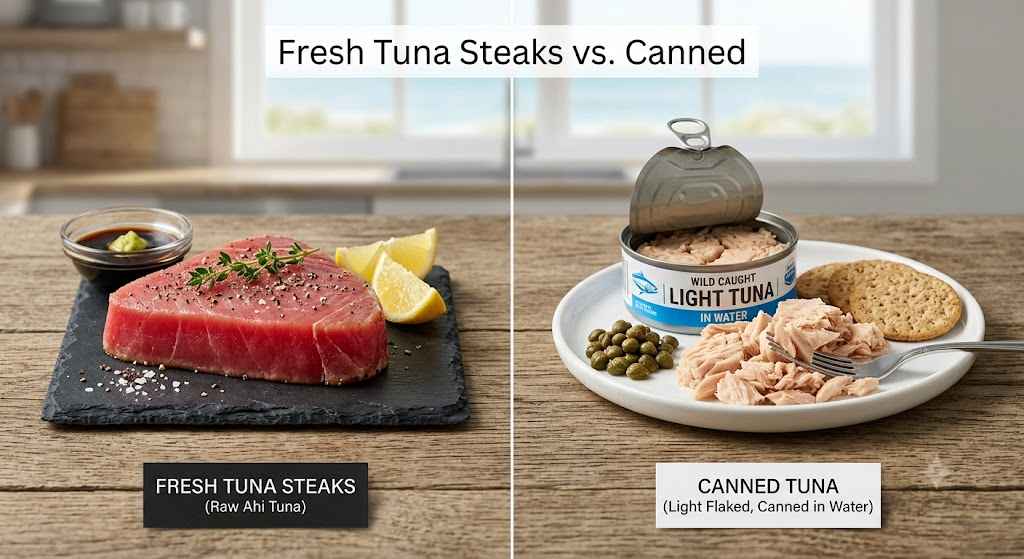
Fresh Tuna Steaks vs. Canned: The Processing and Sizing Factor
When you are looking for the safest choices in pregnancy for a baby, it is very common to think fresh is always better, and while it is usually true for many other food items, if we talk about tuna, the freshly found tuna in the market needs a completely different set of rules as compared to the canned one.
The difference between a fresh tuna steak and a can of chunk light isn’t based on texture and flavor. It is based on the biological size of the fish and how it was processed.
The Age and Size Factor
You can tell the levels of mercury by the size of the fish; the general rule of thumb is the longer the fish, the more likely it is to have mercury stored in its muscle tissue.
While the canned light tuna is completely safe, when you find a thick tuna steak on ice at a seafood market or listed on a restaurant menu, you are looking at a large animal. That fish can be a mature yellowfin (ahi) or a bigeye tuna. Because of the size, the fresh tuna steak will have a higher amount of mercury in it.
Does Cooking or Canning Destroy Mercury?
One of the most common misconceptions people have is that cooking the fish at high temperatures or that the fish has undergone a sterilization process in commercial canning plants reduces the levels of mercury or even neutralizes it. This is completely false, as the methylmercury binds to the protein in the flesh of the fish, so it won’t melt away, be strained out, or be destroyed by heat.
The mercury level of a fish is identical if it’s raw, canned, frozen, pan-seared, or baked. The canning process only makes it shelf-stable and removes the risk of listeria. It has nothing to do with heavy metal content.
How to Navigate the Fresh Fish Counter Safely?
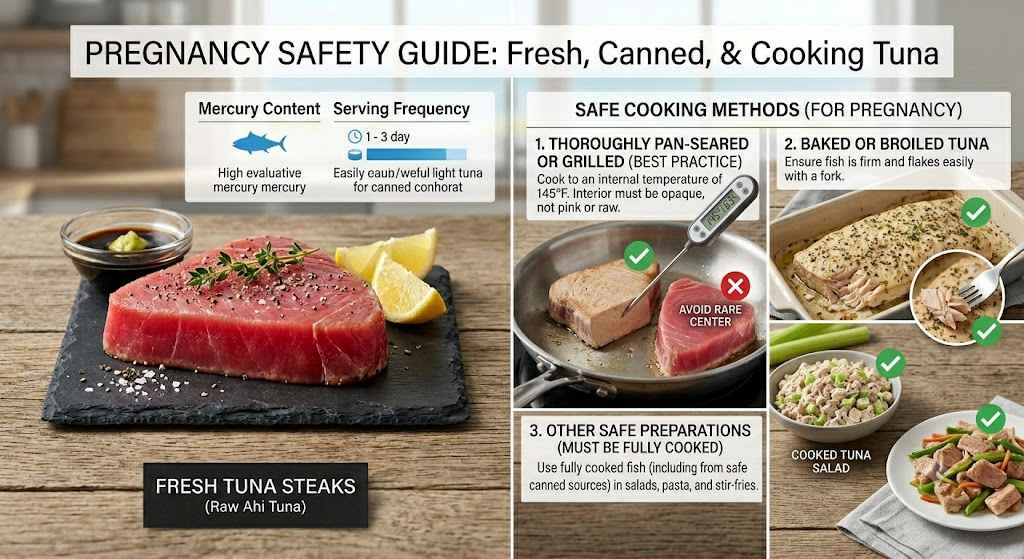
If you are someone who loves sea food items like grilled fish, you don’t need to remove fresh tuna completely from your diet for months. You can eat it with some precautions, like asking the fishmonger or server to know what exact type of tuna is sitting on ice.
If it’s yellowfin, then you can eat a 4-ounce serving per week, or if it’s albacore, then keep your portion under 6 ounces for the entire week; don’t eat any other fish. For steak, cook it at an internal temperature of 145°F (63°C) to completely make it safe from bacteria. If the shopkeeper tells you it’s Bigeye, leave the place; don’t buy it.
Also Read: Can You Eat Subway While Pregnant? The Ultimate 2026 Safety & Nutrition Guide
Is Subway or Restaurant Tuna Safe During Pregnancy?
If you are craving a tuna sandwich or tuna salad and want to go out to eat it at Subway or a local cafe, you may face different safety challenges. While the casual restaurants mostly use the light canned one, skipjack, this makes it safe from bacterial infections like Listeria.
Eliminating Listeria Risk in Cold-Held Deli Salads
Listeria is a dangerous bacteria that takes place in cold, moist environments, even in refrigerator displays that have sandwich counters. Listeria can grow easily at the cold temperature of a refrigerator.
According to the FDA, a pregnant woman is 10 times more vulnerable to listeria as compared to a non-pregnant one.
If the deli employee uses the same equipment that touched the contaminated deli meat or if the tuna salad is sitting in that cold container for hours, then the chances of listeria are very high.
To safely enjoy your tuna salad at a restaurant, you need to follow the hot tuna melt rule. Never order a cold tuna sub or a chilled tuna wrap. Ask the waiter to provide you a sandwich that is grilled and steaming hot because high heat kills the bacteria. If they don’t agree, don’t order and make a safe one at home.
Safe Internal Cooking Temperatures for Fresh Seafood
If you are ordering a fresh tuna steak at a restaurant, then you need to pay close attention to how it is made. Chefs usually serve yellowfin or ahi tuna steak, which is cooked from the outside but a bit raw from the thick area (center); during pregnancy, it can be extremely risky. Make sure to ask them to cook it well-done until the steak reaches a temperature of 145°F (63°C) internally. To test if you can cut the steak, the meat should be opaque and flake easily with a fork from the center.
What to Ask the Restaurant Staff?
Stay calm and ask politely before placing the order these three questions:
- Is your tuna salad made with light tuna or white albacore?
- Can you run my sandwich through the toaster twice or press it on the grill until it is completely steaming hot in the middle?
- Can the kitchen crew use clean gloves and a fresh knife/surface to avoid cross-contamination with cold deli meats or raw seafood?
Hidden Tuna Risks in Sushi and Cooked Rolls
If you are a sushi lover, then you may find pregnancy extremely restricted. Many women think the raw fish in the sushi is cooked and they are completely safe; however, it does carry the hidden risk of tuna heavy metals.
The Spicy Tuna Mix and Restaurant Cross-Contamination
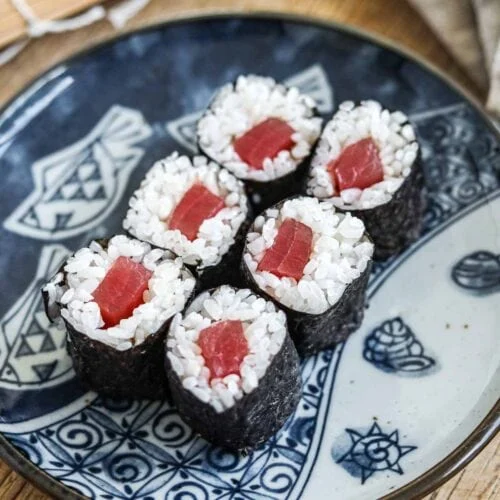
The highest-risk item at a sushi counter is the ubiquitous spicy tuna roll. Even if the restaurant is offering you a fully cooked fish, it does contain risks.
The first risk is you don’t know what type of tuna they used because a restaurant’s spicy tuna mix is made from the leftover trimmings and scraps of various fish. The mixing may include high-mercury tuna like yellowfin or bigeye tuna.
The second risk is sushi bars operate on shared wooden cutting boards using the same knives. The chef could cut a raw Bigeye tuna roll with high mercury with the sharp knife and then use that same knife for a cooked avocado or shrimp roll. This can transfer the raw juices, bacteria, and concentrated mercury traces in your safe food item.
Tobiko (Flying Fish Roe) and Raw Garnishes
Another hidden trap in sushi is the presentation garnish. Even if you ordered a cooked roll, the chef can add tobiko (bright orange flying fish roe) or masago (capelin roe) as a garnish and to make it look attractive.
These are served raw and unpasteurized, which leads to harboring foodborne pathogen risks in pregnancy.
When you are ordering a sushi roll, tell the server, “I am pregnant.” Please ensure my roll contains absolutely no raw fish scraps and no raw fish eggs (Tobiko/Masago), and please ask the chef to use a clean knife and cutting mat to prepare it.
How to Get Your 200 mg of DHA Without High Mercury
The main reason why medical guidelines recommend you eat tuna while pregnant is because of omega-3 fatty acids, specifically docosahexaenoic acid (DHA). A pregnant woman’s body needs to get at least 200 mg of DHA per day to support fetal brain and retinal development. You can get this amount of omega fatty acids without hitting weekly mercury exposure.
The 7-Day Safe Seafood Rotation Plan
No one is saying you should eat tuna every day. In fact, diversifying your seafood intake is the safest way to manage the risk of mercury. By using different types of low-mercury fish in the whole week, you can keep the mercury low.
- Monday: 4 oz Grilled Wild-Caught Salmon. It delivers over 600 mg of DHA in a single serving with virtually zero measurable mercury.
- Wednesday: 4 oz canned light tuna melt. This provides a great protein boost and also a healthy dose of DHA, fully neutralized by its natural selenium shield.
- Friday: 4 oz garlic butter shrimp or scallops. It is low in mercury and rich in protein, providing you a reset from other fish.
- Sunday: 4 oz pan-seared arctic char or flounder. It has high healthy fats, which provide you energy.
Algae-Based DHA Supplements: The Best Plant-Based Alternatives
If you are facing morning sickness whenever you eat fish during pregnancy, then you can follow a vegetarian or vegan lifestyle. I’m not saying you should completely depend on plant fats like flaxseed, chia seeds, or walnuts. These items do contain ALA (alpha-linolenic acid), which is converted into DHA once digested; however, the rate of DHA from them is less than 5%. You can take algae-based DHA supplements as a replacement for fish. The DHA found in this supplement is natural. It is made in strictly controlled, indoor laboratory environments free from ocean pollution.
Algae oil is clean and doesn’t have the same heavy smell as fish. It won’t trigger reflux often taken place from oil capsules. The supplement is highly tolerable on a pregnant stomach. I’m not promoting anything; it’s just I’m suggesting an alternative, as not every woman likes to eat fish.
Beyond Tuna: Your Safe, Low-Mercury Seafood Hall of Fame
Tuna isn’t the last fish in the world; you can also enjoy other seafood options as follows:
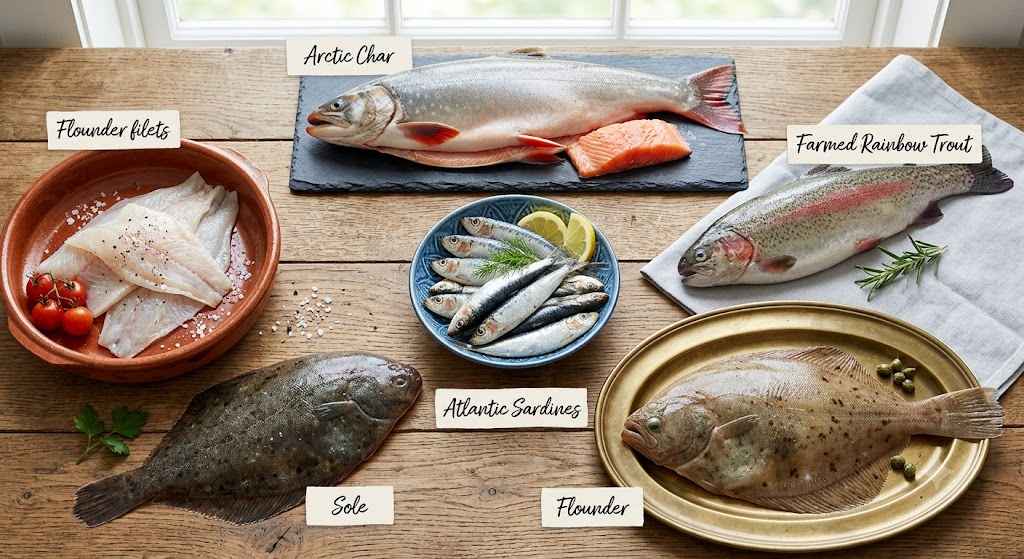
Arctic Char and Atlantic Sardines
These two fish are full of nutrition that is needed in pregnancy. Arctic char has a rich omega-3 profile, and the mercury level is almost zero. Atlantic sardines are a good source of DHA and calcium.
Farmed Rainbow Trout, Flounder, and Sole
If you prefer a much milder, white-fleshed fish, then you can consider these options. Farmed rainbow trout have the same protein-to-fat ratios as wild salmon without the fishy smell. Flounder and sole are best for sensitive stomachs. They are also listed as the best choice by the FDA, as they are very low in mercury.
What Happens if You Accidentally Eat High-Mercury Tuna While Pregnant?
First of all, don’t. Sudden stress isn’t good in pregnancy, and the second you find out you’ve eaten high-mercury fish like bigeye or gone over your albacore limit for the week, that can create sudden stress.It is incredibly important to understand the difference between an isolated incident and long-term risk.
Why Is a Single Exposure Not a Cause for Panic?
A single time eating won’t affect the baby as you think it will because the body is a highly efficient filtering system. A single high-mercury meal or an overdose won’t cause sudden methylmercury toxicity. The body breaks it down and throws it out from it over time.
Will a Single Overdose Trouble My Baby?
No, I won’t cause trouble for the baby if the overdose happened accidentally. The baby can only be at risk if a high mercury level takes place in the bloodstream. The placental barrier is active, so it protects the baby from temporary environmental fluctuations. One single serving won’t damage the instant developmental damage.
Maternal Symptoms of Mercury Overdose (What to Look For)
While it is uncommon to experience mercury poisoning from consuming standard commercial seafood, there are still important considerations to keep in mind. However, if your concern is about chronic, long-term overconsumption, then there are some neurological signals that doctors look for.
- The most common one is paresthesia. You may experience pins-and-needles, prickling, tingling, or numbing sensations in the fingers, toes, and around the lips.
- Another one is sudden, unusual clumsiness or mild tremors in the hands even when you pick up a small object.
- A noticeable narrowing of your peripheral vision, often known as “unexplained blurring.”
- A sudden and unexplained weakness in the legs, knees, or major joints.
When to Go to the Doctor?
You can immediately go to the doctor if you experience any of the symptoms I mentioned. Additionally, if you face anxiety at night and even wake up at night because of stress, then go to a doctor. They will do a simple blood or hair analysis to measure the exact amount of heavy metal levels in your body.
How to Reset Your Seafood Intake for the Following Weeks
If you realize you have already crossed the safety limit of eating tuna, then don’t worry; you can just take a 2-week break from eating it. This will help your body to clean up the mercury from your system.
After those weeks, shift to alternative options like wild-caught salmon, Atlantic sardines, or Arctic char, as they have zero mercury.
During those 2 weeks, drink plenty of water and pair your meal with food items that are rich in selenium, like oatmeal or a Brazil nut. All these tips will help in neutralizing mercury.
Does the Risk Continue? Mercury and Breastfeeding Limits
Even if you delivered a baby safely, the diet choices still play an important role in their early development. Many women eat unlimited amounts of seafood that they can’t eat in pregnancy. While the rules of seafood safety change after pregnancy, some boundaries remain essential.
Postnatal Mercury Spikes in Breast Milk
According to many studies, the methylmercury in a mother’s bloodstream can easily go into breast milk. The chances are quite rare because the impact won’t be the same as when it passed the placenta during pregnancy.
When you eat a high-mercury meal while breastfeeding, according to the researchers, there is a temporary mercury spike that takes place in breast milk and is at its peak for 24 to 48 hours after consumption. Because the baby is still in the brain development process, it’s better to avoid high-mercury tuna.
Guidelines for the First 6 Months Postpartum
To protect your baby while maintaining your own health, safety experts recommend limiting tuna in the first six months when you are breastfeeding. You can eat 12 ounces of canned light tuna (skipjack) per week to give DHA to the baby. However, limit eating albacore (white) tuna to 6 ounces per week, the same as you did in pregnancy. Skip bigeye tuna completely.
The Geography of Mercury: Why Where Your Fish is Caught Matters
According to marine biologists and environmental scientists, the geography of a fish’s habitat plays an important role in its chemical makeup.
In 2026, when a person catches tuna, it can become a major interest point for clinical researchers because if you catch two tuna of the same species, they can still carry different heavy metals based on the ocean and regional industrial activities they were exposed to.
Industrial Runoff Hotspots vs. Clean Open Oceans
Mercury can take place in edible fish from two main sources: one from volcanic activity and the other from human industrial processes like coal-fired power plants and heavy manufacturing.
The High-Risk Hotspots: The main risky spots are the Mediterranean Sea and parts of the South China Sea; if you catch fish from these locations, then there is a high chance the tuna is full of heavy metal.
The Cleaner Basins: Open expanses of the North Atlantic and the deep Pacific Ocean fish are safe to consume because the places have no pollution.
When you purchase fresh tuna for steaks or high-quality fish, you can always choose fish labeled as “Pacific Caught” or “MSC Certified North Atlantic.”
Choosing Sustainable, Pole-and-Line-Caught Brands
The commercial method of harvesting tuna not only impacts the environment but also affects the size and age of the fish that end up in your pantry. The commercial operations use purse seine nets to catch the fish and end up with larger, apex tuna that have spent years accumulating heavy metals.
To be completely safe in pregnancy while eating tuna fish, go for brands that caught fish by pole and line or troll. Because pole and line capture younger, smaller juveniles of the species, they have low levels of mercury.
Summary Safety Checklist for Prenatal Tuna Consumption
| Action Step | Safety Rule & Target Metrics | What to Verify / Avoid |
|---|---|---|
| 1. Identify the Species | Skipjack (Chunk Light) is your safest baseline. Albacore (White) requires strict limits. |
Avoid Bigeye completely. Always verify the species if a menu or label just says “Ahi” or “Tuna.”
|
| 2. Check the Weekly Limit | Light Tuna: Up to 12 oz per week. White Tuna: Max 6 oz per week. |
Remember that a standard 5-ounce can actually yields about 3.5 ounces of actual meat once drained.
|
| 3. Enforce Restaurant Safety | Always use the “Hot Tuna Melt Rule.” |
No cold deli salads or raw garnishes. Ensure restaurant tuna is toasted or grilled until steaming hot to eliminate Listeria risks.
|
| 4. Cook to Safe Temps | Cook fresh steaks to an internal temp of 145°F (63°C). |
No rare, seared, or raw center cuts. The flesh must be completely opaque and flake easily with a fork.
|
| 5. Diversify Your Plate | Rotate tuna with low-mercury “Hall of Fame” fish. |
Mix in wild-caught salmon, Atlantic sardines, or Arctic char to safely hit your 200mg daily DHA quota.
|
| 6. Manage Accidental Overdose | Apply the “Offset Strategy” if you overindulged. |
Take a two-week break from tuna, drink plenty of water, and pivot exclusively to salmon or algae-based DHA supplements.
|
Frequently Questions by people
Can I eat tuna salad from a restaurant while pregnant?
Yes, but it has to be steaming hot because the restaurant typically uses lower-mercury canned light tuna. Avoid chilled deli salads, as they sit in a cold environment for hours, so there is a risk of listeria.
Is chunk light tuna safer than albacore for pregnancy?
Yes, chunk light tuna is a safer option because it comes from skipjack, a small fish with an almost low mercury level of 0.12 ppm.
Does cooking or freezing fish remove mercury?
No, the impact of mercury on fish won’t reduce if you cook, bake, sear, or freeze it properly because methylmercury binds to protein fiber tightly so it can’t melt or be destroyed at high temperatures.
How Many Cans of Tuna Can a Pregnant Woman Eat a Week?
You can safely eat 2 to 3 standard cans of light canned tuna per week. Limit albacore to 1 single can per week with no other seafood consumption in the same week.
Can I eat canned tuna every day during pregnancy?
No, it is not recommended to eat canned tuna every day, even if you want to consume low-mercury options like chunk light tuna. To protect the baby, eat light tuna once a week.
Medical Disclaimer: The information provided in this article, including the interactive safety calculator and seafood guidelines, is for educational and informational purposes only. It is not intended to be a substitute for professional medical advice, diagnosis, or treatment. Always seek the direct advice of your obstetrician, gynecologist, or other qualified healthcare provider with any questions you may have regarding dietary choices, portion safety, or changes to your prenatal diet.
Clinical References & Food Safety Audits
- U.S. Food and Drug Administration (FDA) & Environmental Protection Agency (EPA) Official Safety Guidance: Advice about Eating Fish
Joint Agency Policy: EPA-FDA Advice about Eating Fish and Shellfish - The American College of Obstetricians and Gynecologists (ACOG) Clinical Review: Fish Consumption and DHA Supplementation during Pregnancy
- The National Institutes of Health (NIH) / National Library of Medicine Toxicology & Benefit Analysis: Fish Consumption During Pregnancy: An Opportunity, Not a Risk
- The Mayo Clinic Medical System Maternal Care Protocols: Pregnancy and fish: What’s safe to eat?
Foodborne Pathogen Protocols: Pregnancy nutrition: Foods to avoid during pregnancy
